European City Public Transport Guides: 8 Essential Tips
Master European city public transport guides with our expert breakdown of high-speed rail, metro systems, contactless payments, and city-specific transit tips.
 By Marco Bellini
On this page
European City Public Transport Guides: 8 Essential Tips & Overviews
Quick answer: In almost every European city, buy a single ticket (roughly €1.50–€2.55) from a station machine or the local transit app, validate it the moment you board, and switch to a 24-hour day pass once you take 3–4 rides. Tap-to-pay with a contactless bank card works in London, Milan, and now Rome; Paris, Berlin, and Prague still need a ticket or their own app. For long-distance hops, book high-speed rail 2–4 months ahead to save up to 70%.
This guide gives you exact 2026 fares, how to buy and validate in each major city, and when a pass beats single tickets. Master these local rules and your journey across getting around Europe stays smooth and fine-free. Below you'll find city-by-city ticketing, metro and tram tactics, safety, and rail-vs-car-vs-flying cost breakdowns.
Free: The European City Transport Cheat Sheet
Airport-to-centre, the best ticket to buy, and the one local gotcha — for 5 European cities, plus the universal rules for trams, ferries, and parking.
Key Takeaways
- Book high-speed rail tickets 2-4 months in advance for 70% savings.
- Use contactless payments in London and Amsterdam, but check for local cards elsewhere.
- Download Citymapper or DB Navigator for real-time transit updates and delays.
- Consider night trains to save on hotel costs while moving between major cities.
Planning Your Europe Trip by Public Transport
Successful transit planning starts with understanding the booking window for high-speed rail. Securing seats on trains like the TGV or AVE two to four months early can save you 70%. Last-minute fares often skyrocket, making spontaneous long-distance travel quite expensive. Check an extensive review for Rail Europe to compare different booking platforms effectively.
Digital tools have revolutionized how visitors manage their daily itineraries and connections. Apps like Citymapper and Google Maps provide real-time updates on delays and platform changes. Local operator apps, such as DB Navigator in Germany, offer the most accurate live tracking. Download these tools before you arrive to navigate busy stations with total confidence.
Deciding between a rail pass and individual tickets depends on your specific travel frequency. A pass offers flexibility for those who want to change plans on the fly. Point-to-point tickets usually cost less if you have a fixed and limited schedule. Researching whether Europe with Interrail is really worth it helps clarify your budget needs.
Understanding Europe’s Train System: High-Speed vs. Regional
High-speed trains serve as the backbone of international travel between European capitals. The Eurostar connects London to Paris and Brussels in just a few comfortable hours. These services require mandatory seat reservations and often include premium amenities like onboard dining. Expect speeds of up to 300 km/h, making them faster than flying for many routes.
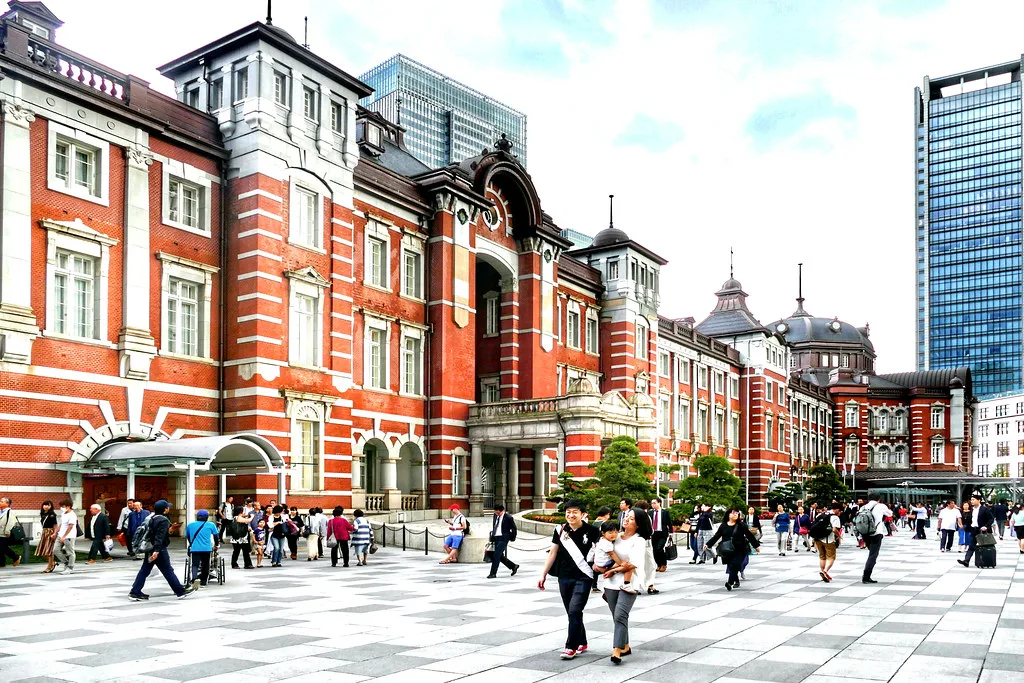
Regional trains offer a slower but more flexible way to reach smaller towns and villages. You rarely need reservations for these local services, allowing for more spontaneous day trips. Tickets usually have fixed prices that do not fluctuate based on the booking date. These lines provide a scenic view of the countryside that high-speed tracks often bypass.
Mixing both types of rail allows you to optimize both your time and your travel budget. Use high-speed lines for long hauls and switch to regional rail for local exploration. Many stations offer seamless transfers between these different levels of service. Always validate your regional ticket at the platform machines before boarding to avoid fines.
Navigating Europe’s Metro Systems
Metro systems in cities like London and Paris are legendary for their reach and efficiency. The London Underground, or 'The Tube,' uses a zone-based system for fare calculation. Paris features the Metro, which has dense station spacing that puts you near any major landmark. Most systems operate from early morning until around midnight on weekdays.
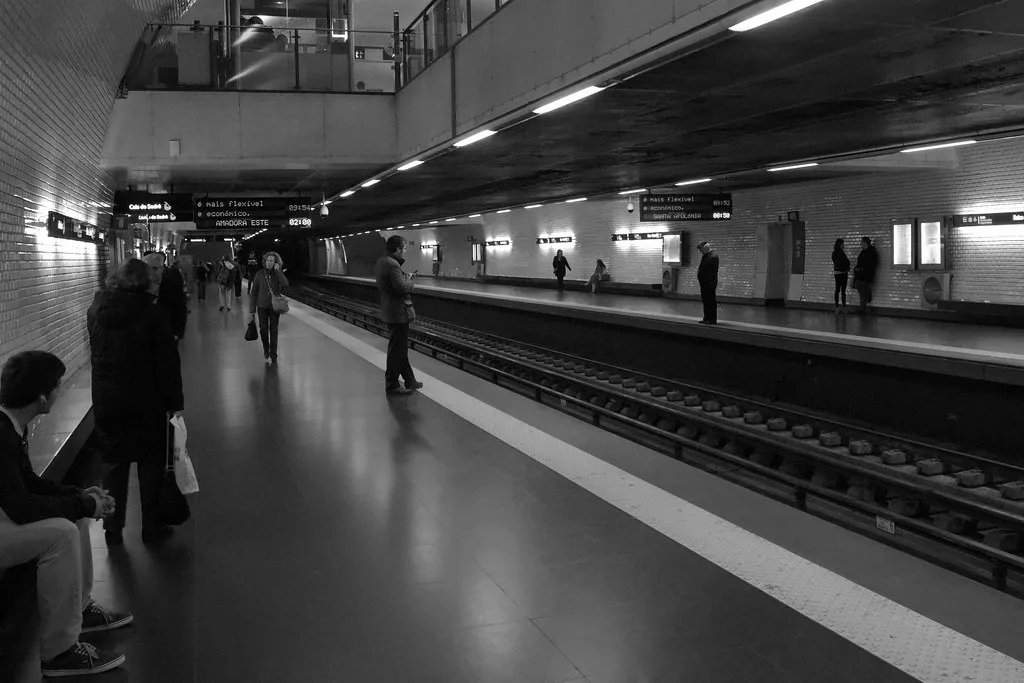
Contactless payment has replaced the need for physical cards in several major metropolitan areas. You can simply tap your bank card or mobile wallet at the gate in London or Amsterdam. However, cities like Berlin and Paris still rely heavily on local smart cards or paper tickets. Verify the payment requirements for each city to ensure you don't get stuck at the turnstile.
Peak hours usually occur between 8:00 AM and 9:30 AM and again in the late afternoon. Trains become very crowded during these times, which can be challenging with heavy luggage. Try to schedule your major transit moves during midday to enjoy a more relaxed environment. Frequent service means you rarely wait more than five minutes for the next train.
- London Underground (The Tube)
- Payment: Contactless or Oyster
- Best for: Rapid city-wide transit
- Coverage: All major tourist zones
- Tip: Watch the gap
- Paris Metro
- Payment: Navigo or Paper T+
- Best for: Inner-city hops
- Coverage: 16 efficient lines
- Tip: Keep your ticket
Buying and Validating Tickets: 2026 Fares by City
Ticketing is where most visitors trip up, so learn the local rule before you board. As a baseline, buy a single fare from the station machine (switch it to English), then move to a 24-hour pass once you take three or four rides. The single-ride and day-pass fares below are current for 2026; one rule is universal — validate immediately, because an unstamped or untapped ticket counts as no ticket, and inspectors issue on-the-spot fines.
- Paris — Metro/RER single €2.55 (bus/tram €2.05), Navigo Day pass €12.30 (worth it from ~5 metro rides). Paper tickets are gone; load fares onto a €2 Navigo Easy card or the Île-de-France Mobilités app and tap at the gate. You cannot tap a bank card at metro turnstiles yet — only on some buses.
- Rome — BIT single €1.50 (one metro entry plus 100 minutes of unlimited bus/tram), 24-hour Roma pass €7, 48-hour €12.50. Buy at any tabacchi (green "T" sign) or machine. Rome's Tap&Go contactless bank-card system now runs on all metro, bus, and tram lines — just tap and skip the ticket.
- Prague — 90-minute single 40 CZK (~€1.60), 24-hour pass 120 CZK (~€5). Buy at yellow machines, newsagents, or the PID Lítačka app, then validate in the small yellow box on first boarding. Skipping validation risks a 1,500 CZK (~€60) fine.
- Berlin — AB-zone single €3.80, day pass €11.40, covers U-Bahn, S-Bahn, tram, and bus. Buy from BVG machines or the BVG/Jelbi app. There are no entry gates, so stamp paper tickets in the red/yellow platform validators before you ride; plain-clothes inspectors fine €60 for fare evasion.
- London — no paper needed: tap a contactless bank card or phone on the yellow reader. Single Tube fares are zone-based (~£2.80–£3.90 central) and the Tube daily cap (~£8.90 zones 1–2) means you never overpay.
| City | Single fare (2026) | 24-hour pass | Contactless bank card? |
|---|---|---|---|
| Paris | €2.55 (metro/RER) | Navigo Day €12.30 | No (some buses only) |
| Rome | €1.50 (BIT) | €7.00 | Yes (Tap&Go, all lines) |
| Prague | ~€1.60 (40 CZK) | ~€5.00 (120 CZK) | No (app or machine) |
| Berlin | €3.80 (AB zone) | €11.40 | No (BVG/Jelbi app) |
| London | ~£2.80–£3.90 | Daily cap ~£8.90 | Yes (tap and ride) |
Two safeguards apply everywhere. First, if a validator is broken, write the date and time on a paper ticket by hand and find a working machine — inspectors accept this in good faith. Second, day passes and city tourist cards (Roma Pass, Berlin WelcomeCard) only pay off above three or four rides, so count your planned trips before buying anything longer than a single fare.
Trams: A Scenic Way to Explore European Cities
Trams offer a unique perspective on urban life by traveling at street level. Cities like Amsterdam, Prague, and Lisbon are famous for their extensive and historic tram networks. They provide an excellent way to see the architecture while moving between different neighborhoods. Modern low-floor trams also make boarding much easier for travelers with limited mobility.
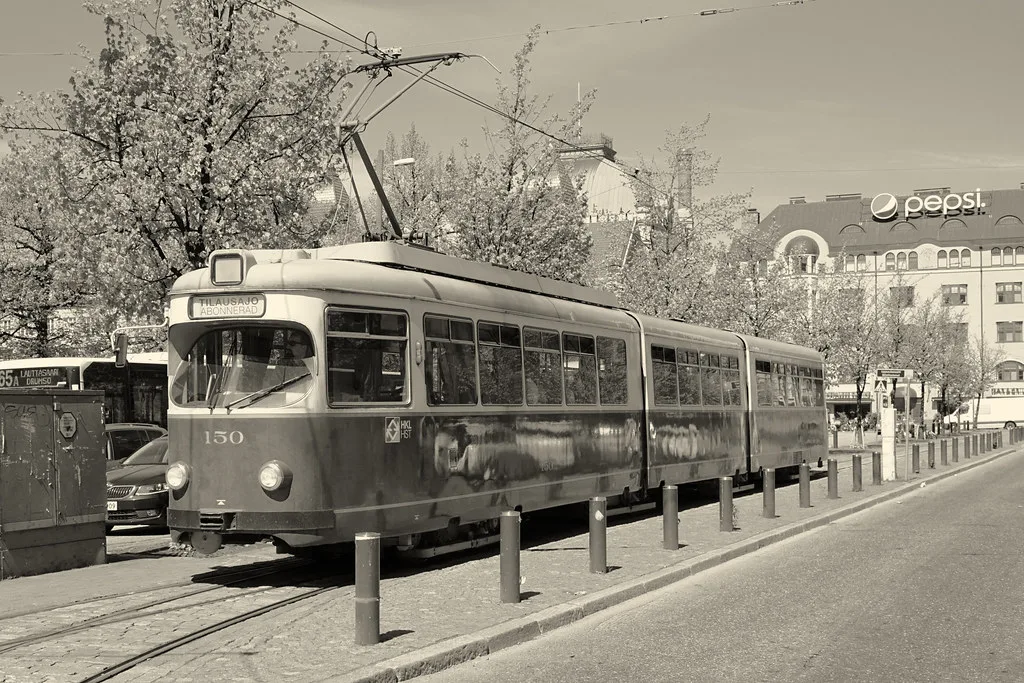
Ticketing for trams often integrates directly with the local bus and metro systems. You can usually use the same day pass across all modes of surface and underground transport. Some historic lines, like Lisbon's Tram 28, serve as tourist attractions in their own right. Be aware that these popular routes can become very crowded during the summer months.
Boarding a tram usually requires you to validate your ticket immediately upon entry. Failure to tap your card or stamp your ticket can result in heavy on-the-spot fines. Look for the yellow or orange machines located near the doors inside the vehicle. Drivers rarely sell tickets, so purchase yours at a kiosk or via a mobile app beforehand.
Public Transport Tips for Major European Cities
Every city has specific quirks that can make or break your daily travel experience. In Italy, navigating Bari public transport requires checking bus schedules carefully as they vary by season. Similarly, understanding Catania public transport is vital for reaching the slopes of Mount Etna. Always check if your destination has a dedicated transit app for the most accurate timing.
Smaller French cities also offer high-quality transit options that connect to the rail network. Travelers visiting the Champagne region should look into Reims public transport for easy vineyard access. In the Burgundy region, Dijon public transport features a modern tram system that is very user-friendly. These local systems are often much cheaper than taking taxis or private transfers.
Eastern European destinations and the Balkans are expanding their digital transit offerings rapidly. For those heading further south, the Albania Bus App is an essential tool for navigation. Other regions like Sicily offer specialized routes found in Trapani public transport guides. Researching these specific locations ensures you never feel lost in a new city.
Safety While Traveling with Public Transportation in Europe
European transit systems are generally very safe for international visitors and locals alike. However, busy hubs like Rome Termini or Paris Gare du Nord are magnets for pickpockets. Keep your bags in front of you and stay aware of your surroundings in crowded stations. Avoid keeping your phone or wallet in your back pocket while boarding trains.
Night travel is well-regulated, with many cities offering dedicated night bus networks. Look for the 'N' prefix on bus stops in cities like London or Berlin for late-night routes. Major stations usually have a visible police or security presence throughout the evening. If you feel uncomfortable, sit in the carriage closest to the driver or train guard.
Official ticket inspectors will always carry identification and wear a recognizable uniform. Never hand over money or your passport to someone claiming to be an official without seeing ID. Real fines are usually processed through official paperwork or portable credit card terminals. Staying informed about these procedures protects you from potential scams in tourist-heavy areas.
Renting a Car vs. Traveling by Public Transport
Renting a car in Europe can be a burden rather than a benefit in major cities. Many historic centers are designated as Limited Traffic Zones (ZTL) where driving is restricted. Parking fees in cities like Amsterdam or London can exceed the cost of a luxury dinner. Public transport removes the stress of navigating narrow streets and complex traffic laws.
Trains and buses allow you to relax and enjoy the scenery between destinations. You can work, read, or sleep while the professional driver handles the navigation. Public transit is also the more environmentally friendly choice for conscious travelers. Most major attractions are located within walking distance of a metro or tram stop.
Consider a car only if you plan to explore remote rural areas with no rail links. Regions like the Tuscan countryside or the Scottish Highlands often require private wheels. For a city-to-city itinerary, the rail network is almost always faster and more affordable. Book your car for specific day trips rather than for the entire duration of your stay.
Cost Effectiveness: Public Transport vs. Flying
Budget airlines often appear cheaper until you factor in the hidden costs of flying. Airport transfers, baggage fees, and seat selection can double the initial ticket price. Trains take you from city center to city center, saving you time and taxi fares. Total travel time on a three-hour train journey is often less than a one-hour flight.
The 'Night Train Renaissance' offers a brilliant way to save on both transport and lodging. Sleeper services like the Nightjet allow you to travel across the continent while you sleep. This strategy effectively gives you an extra day of sightseeing by eliminating daytime travel. Booking a couchette or sleeper cabin provides a unique and comfortable European experience.
Group discounts and youth passes further enhance the value of rail travel. Many national rail providers offer significant savings for families or travelers under 26. Check for 'Early Bird' specials on official websites to lock in the lowest possible rates. Consistently choosing public transit over flying can save a solo traveler hundreds of euros.
Frequently Asked Questions
Which European cities have the best public transport for first-time visitors?
London, Paris, and Vienna are excellent for beginners due to their clear signage and frequent service. These cities offer comprehensive apps and contactless payment options that simplify the experience. You can find more details in our travel blog about urban navigation.
Is it cheaper to use a rail pass or buy individual tickets in Europe?
A rail pass is cheaper if you plan several long-distance trips within a short timeframe. For travelers staying in one or two cities, point-to-point tickets bought in advance usually offer better value. Always compare the total cost of reservations before deciding.
Can I use my contactless credit card on all European public transport?
No, contactless usage varies by city. While London and Milan embrace it, cities like Berlin and Munich still require physical tickets or specific apps. Always check the local transport authority's website before you arrive to avoid boarding issues.
What are the safest ways to use public transit in Europe at night?
Stick to well-lit stations and sit in carriages with other passengers. Use official night bus services which are frequent and monitored by cameras. Most major cities have security staff patrolling transit hubs during late-night hours for passenger safety.
Mastering European city public transport guides is the key to a successful and affordable adventure. From high-speed rail to historic trams, the options for exploration are nearly endless. Planning ahead and using the right digital tools will ensure you travel with ease. Embrace the local transit systems to truly experience the heart of every destination.
Whether you are visiting Colmar public transport networks or the metro in Madrid, stay observant. The efficiency of these systems allows you to see more of the continent in less time. Start booking your 2026 rail tickets early to secure the best possible prices. Enjoy the freedom that comes with navigating Europe's world-class public transportation.
Explore Every Guide
All 60 guides in this collection, kept current for 2026.
France
- Ajaccio public transport
- Arles public transport
- Avignon public transport
- Chambery public transport
- Colmar public transport
- Dijon public transport
- Grenoble public transport
- Orleans public transport
- Reims public transport
- Troyes public transport
Germany
- Aachen public transport
- Augsburg public transport
- Baden-Baden public transport
- Dortmund public transport
- Freiburg public transport
- Garmisch public transport
- Heidelberg public transport
- Konstanz public transport
- Leipzig public transport
- Lubeck public transport
- Nuremberg public transport
- Regensburg public transport
- Trier public transport
Greece
Italy
- Assisi public transport
- Bari public transport
- Bergamo public transport
- Cagliari public transport
- Catania public transport
- Enna public transport
- Florence public transport
- Livorno public transport
- Olbia public transport
- Palermo public transport
- Spoleto public transport
- Syracuse public transport
- Taormina public transport
- Trapani public transport
- Treviso public transport
- Vicenza public transport
- Viterbo public transport
Poland
Portugal
- Braga public transport
- Cascais public transport
- Coimbra public transport
- Faro public transport
- Funchal public transport
Spain
Free: The European City Transport Cheat Sheet
Airport-to-centre, the best ticket to buy, and the one local gotcha — for 5 European cities, plus the universal rules for trams, ferries, and parking.
You might also like

Continue reading
More guides you'll find useful