Santander Public Transport Guide: How to Get Around Like a Local
Master Santander public transport with our guide to TUS buses, HOHO tours, Tusbic bikes, and the Magdalena train. Includes fares, routes, and local tips.
 By Marco Bellini
On this page
Santander Public Transport
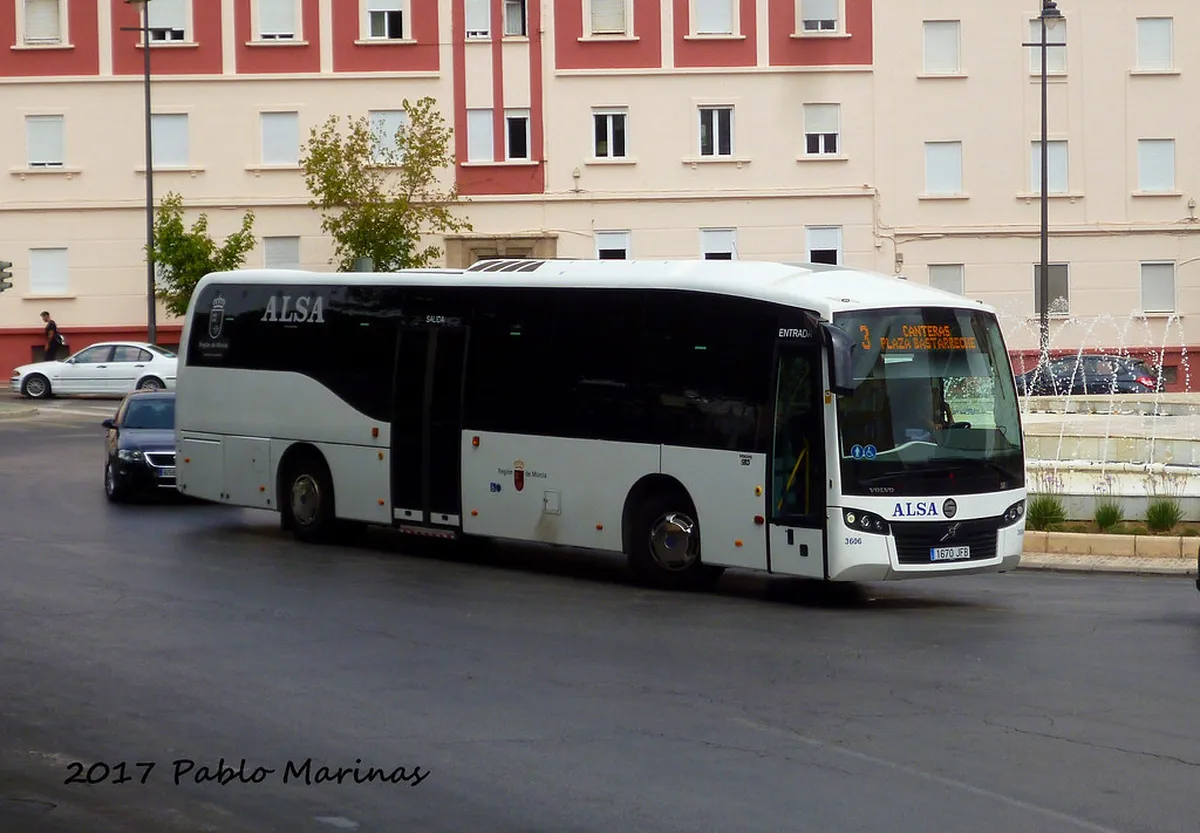
Short on time? Here's the decision: Get around Santander on the TUS city buses (single ticket €1.30, or €0.66/trip with the rechargeable Tarjeta de Transporte) — lines 1, 2 and 3 link the Centro to El Sardinero beach every 10–15 minutes. From Santander Airport (SDR), take the ALSA S4 bus to the center (€3.20, ~15 min, every 40 min) or a taxi (~€15). Tourists short on planning time should grab the City Sightseeing red bus (24-hour ticket, includes the Magdalena train). The historic core is compact and walkable.
This Cantabrian gem offers a blend of efficient municipal buses, scenic tourist trains, and a highly walkable waterfront. The TUS network, managed by Santander City Council, serves both residents and the seasonal influx of tourists, so whether you are heading to the futuristic Centro Botín or the majestic Palacio de la Magdalena, there is a transit option to fit your pace.
Many travelers find that combining different modes provides the best experience of the city's diverse geography — ride a Tusbic bike along the bay in the morning and take a night bus back from a late dinner in the Centro. The sections below break down every essential detail of Santander public transport, starting with how to arrive from the airport.
Free: The European City Transport Cheat Sheet
Airport-to-centre, the best ticket to buy, and the one local gotcha — for 5 European cities, plus the universal rules for trams, ferries, and parking.
The TUS Bus Network: Santander's Primary Transit Mode
The Transportes Urbanos de Santander (TUS) operates a comprehensive fleet of blue and white buses that crisscross the city. Most routes funnel through the central axis of Paseo Pereda and Ayuntamiento, making it easy to find a connection. A single ticket typically costs €1.30, but savvy travelers use the rechargeable 'Tarjeta de Transporte' to cut this price nearly in half.

Lines 1, 2, and 3 are the workhorses of the system, frequently connecting the city center with the popular beaches of El Sardinero. These buses run approximately every 10 to 15 minutes during peak daylight hours. During the summer months, additional 'S' lines are often introduced to handle the increased demand for coastal access.
If you plan to stay out late, the 'Nocturno' or night bus service operates on Friday and Saturday nights to keep the city connected. These routes usually start around midnight and run until the early morning hours, serving major residential and nightlife districts. Always check the digital displays at bus stops for real-time arrival information to avoid long waits.
Boarding the bus is straightforward, but remember that you must enter through the front door and exit through the middle or rear. Drivers accept cash for single tickets, though they prefer small change and may not be able to break large bills. If you are exploring multiple public transport guides for Spanish cities, you will find Santander's system exceptionally punctual and clean.
- Common TUS Bus Fares
- Single ticket: €1.30
- Rechargeable card: €0.66 per trip
- Minimum top-up: €5.00
- Card purchase: Estancos (tobacco shops)
Getting from Santander Airport (SDR) to the City
Santander Airport (Seve Ballesteros–Santander, code SDR) sits in Parayas, about 5 km southwest of the center, so the airport transfer is the first transport decision most visitors face. The cheapest direct option is the ALSA bus line S4, which runs between the terminal and the city's Estación de Autobuses (bus station) in roughly 15 minutes. A single fare costs €3.20, departures are every 40 minutes, and the service runs from about 06:30 to 23:00. Buy your ticket on board, at the ALSA desk inside arrivals, or via the ALSA app.
If you prefer the train, there is no station at the airport itself, but Maliaño station is a flat 2.3 km (roughly 25-minute) walk away. From Maliaño, the Cercanías (commuter) lines C1 and C3 reach Santander's central station in about 16 minutes for €1.65, running roughly twice an hour. Note that the rechargeable TUS city card does not cover the ALSA airport bus or the Cercanías trains — these are separate tickets.
For door-to-door speed, a metered taxi from the rank outside arrivals reaches the center in about 12 minutes for a typical €15 (a little more at night, on Sundays, or on public holidays). Private-hire app Cabify also operates here, usually quoting €12–€18. With heavy luggage or a late-night arrival after the S4 stops running, a taxi or Cabify is the practical choice.
- Airport (SDR) → city center options
- ALSA bus S4: €3.20, ~15 min, every 40 min (06:30–23:00)
- Cercanías train (via Maliaño, 25-min walk): €1.65, ~16 min, ~2/hour
- Taxi: ~€15, ~12 min
- Cabify: ~€12–€18
City Sightseeing: Santander Hop-on Hop-off Bus Tour
For those who want to see the main landmarks without navigating the local bus maps, the City Sightseeing bus is a popular choice. This bright red double-decker follows a strategic route that covers 11 key stops across the city. The full loop takes about 40 to 60 minutes, providing an excellent orientation for first-time visitors to the Cantabrian capital.
The tour includes an informative audio guide available in multiple languages, sharing the history of sites like the Cathedral and the Casino. Tickets are generally valid for 24 hours, allowing you to explore at your own leisure. You can check the HOHO Tour Dates and Schedule to plan your sightseeing window effectively.
One major benefit of the HOHO ticket is its inclusion of the tourist train at the Magdalena Peninsula, which normally requires a separate fee. The bus also provides easy access to the Faro de Cabo Mayor, a lighthouse located on the rugged northern cliffs. Refer to the Santander HOHO Route Map to see exactly where the bus stops in relation to your hotel.
While the HOHO bus is more expensive than the TUS municipal service, its convenience for reaching distant points like the lighthouse is significant. It eliminates the need to study local transit schedules or worry about correct change. Travelers often use this service on their first day to identify which areas they wish to revisit in more depth.
Taxis and Private Hire in Santander
Taxis in Santander are white with a diagonal blue stripe on the front doors and are a reliable way to get around quickly. You can find dedicated taxi ranks at the airport, train stations, and major plazas like Plaza de Italia. Fares are metered, with slightly higher rates applying during nighttime hours, Sundays, and public holidays.
A typical trip from the city center to El Sardinero will usually cost between €7 and €10 depending on traffic. Most drivers now accept credit cards, but it is always polite to ask before the journey begins. If you need a taxi at a specific time, using the 'PideTaxi' app or calling Radio Taxi Santander is the most efficient method.
Private hire services like Uber or Cabify have a limited presence in Santander compared to larger cities like Madrid or Zaragoza public transport hubs. Traditional taxis remain the dominant force for on-demand transport due to their high availability and regulated pricing. They are particularly useful for reaching the airport or ferry terminal with heavy luggage.
Local drivers are generally knowledgeable and can offer quick tips on the best places to eat or visit. While English proficiency varies, most drivers understand destination names and can navigate the city's one-way systems with ease. For groups of three or four, a taxi can often be as cost-effective as buying individual bus tickets for short hops.
Tusbic: Using the Public Bicycle Sharing System
Santander is increasingly bike-friendly, thanks to the Tusbic public bicycle sharing system. There are over a dozen stations located throughout the city, with a high concentration along the scenic waterfront path. This mode of transport is ideal for enjoying the fresh air of the Cantabrian Sea while moving between attractions.

Visitors can register for a temporary subscription at the electronic kiosks found at most major stations. The first 30 minutes of each ride are often included in the base subscription fee, with small increments charged for longer durations. This encourages short, point-to-point trips rather than keeping a single bike for the entire day.
The cycling path from the Ferry Terminal to the Magdalena Peninsula is flat and offers spectacular views of the bay. However, be aware that Santander's topography includes several steep hills as you move inland toward the northern districts. Stick to the coastal routes if you prefer a leisurely ride without significant physical exertion.
Safety is a priority, and cyclists are encouraged to use the dedicated lanes whenever they are available. Always return the bike to a docking station until you hear the locking click to ensure your session ends correctly. This system provides a healthy and environmentally friendly alternative to motorized Santander public transport.
The Magdalena Peninsula Tourist Train
The Magdalena Peninsula is one of Santander's most beautiful parks, but its hilly terrain can be tiring to navigate on foot. To solve this, a charming tourist train operates a circular route around the entire peninsula. This service is especially popular with families and those who want to see the Palacio de la Magdalena without the long climb.

The train departs from the Campa de la Magdalena, located near the main entrance of the park. It runs approximately every 15 to 20 minutes during the high season, though schedules may be reduced in winter. The journey provides stunning views of the mini-zoo, the royal stables, and the rugged coastline.
Tickets can be purchased directly at the boarding point or are included with certain City Sightseeing passes. The ride lasts about 20 minutes and includes a brief stop near the palace for photos. It is a practical way to see the various monuments scattered across the 25-hectare grounds in a short amount of time.
Walking back down from the palace is much easier than the ascent, so some visitors take the train up and walk back. This allows you to explore the hidden coves and gardens at your own pace after the initial tour. Ensure you check the final departure time if you are visiting late in the afternoon.
Walking and Pedestrian Accessibility in Santander
Santander is a remarkably walkable city, particularly along its extensive maritime promenade. The walk from the Centro Botín to the beaches of El Sardinero is roughly 3 kilometers and takes about 45 minutes at a relaxed pace. This route takes you past the historic Paseo Pereda and the bustling Puerto Chico marina.
To help pedestrians navigate the city's steep inclines, the city has installed several mechanical ramps and escalators. These are located on key streets like Calle Almirante García de los Salmones and help connect the lower city to the higher residential areas. These 'urban lifts' make walking a viable option even for those who might typically avoid hilly terrain.
Pedestrian-only zones in the city center, such as around the Cathedral and Plaza Porticada, make for a pleasant shopping and dining environment. These areas are well-paved and accessible for strollers and wheelchairs, reflecting the city's commitment to inclusivity. Walking remains the best way to discover the hidden plazas and local taverns that buses might bypass.
Even when using Santander public transport for longer distances, you will likely find yourself walking the 'last mile' to your destination. The city is very safe for pedestrians, with well-marked crossings and bright street lighting in the evenings. Comfortable walking shoes are highly recommended to fully enjoy the varied textures of the city's neighborhoods.
Practical Information: Fares, Passes, and Apps
To maximize efficiency, download the 'TUS Santander' mobile app before you arrive in the city. The app provides real-time bus arrivals, route planning, and a map of all nearby stops. Having this information at your fingertips reduces the stress of navigating an unfamiliar transit network.
The 'Tarjeta de Transporte' is the most cost-effective tool for any visitor staying more than a day. You can purchase this card at most 'Estancos' (tobacco shops) and kiosks throughout the city center. It is a multi-person card, meaning one card can be used to pay for an entire family or group by tapping it multiple times.
When comparing transit modes, the TUS bus is the clear winner for price and frequency, while taxis offer door-to-door convenience. The HOHO bus is best for a structured sightseeing day with minimal planning effort. For more regional travel tips, you might explore our guide on Bari public transport to see how coastal cities compare in their offerings.
| Mode | Typical fare (2026) | Frequency | Best for |
|---|---|---|---|
| TUS city bus (single) | €1.30 | Every 10–15 min | Everyday trips, Centro ↔ El Sardinero |
| TUS card (per trip) | €0.66 | Every 10–15 min | Stays of 2+ days; groups (multi-tap) |
| City Sightseeing HOHO | 24-hour ticket | 11 stops, full loop ~40–60 min | First-day orientation; lighthouse + Magdalena train included |
| Taxi (Centro → Sardinero) | €7–€10 | On demand | Luggage, groups of 3–4, late nights |
| Tusbic bike | First 30 min in subscription | 12+ stations | Flat coastal rides along the bay |
Always keep your ticket or transport card handy until you have exited the bus or train. Random inspections can occur, and failing to show a valid fare can result in a significant fine. Local transit staff are generally helpful, so do not hesitate to ask for directions if you find yourself at a complex junction.
Frequently Asked Questions
How much does a bus cost in Santander?
A single bus ticket in Santander costs €1.30 when purchased from the driver. However, using the rechargeable 'Tarjeta de Transporte' reduces the fare to approximately €0.66 per trip. This card is highly recommended for any traveler planning more than four journeys. Check our public transport guides for more fare comparisons.
Is there a tourist pass for Santander public transport?
While there is no dedicated 'all-access' tourist pass, the City Sightseeing ticket acts as a 24-hour pass for the Red Route bus and the Magdalena train. For standard city buses, the rechargeable transport card is the closest equivalent. It offers discounted fares and can be shared among multiple travelers.
How do I use the Tusbic bike system in Santander?
To use Tusbic, you must register at a station kiosk with a credit card for a temporary subscription. Once registered, you can unlock a bike using the provided code and return it to any station in the city. The first 30 minutes are usually free after the initial subscription fee is paid.
Does the Hop-on Hop-off bus go to the Magdalena Palace?
Yes, the City Sightseeing bus has a dedicated stop at the entrance of the Magdalena Peninsula. From there, your bus ticket typically includes a ride on the tourist train that takes you directly to the Palace. This is one of the most convenient ways to reach the landmark from the city center.
Santander public transport is designed to be user-friendly, clean, and remarkably efficient for a city of its size. By utilizing the TUS bus network and the rechargeable transport card, you can explore the city like a local while keeping your budget intact. The blend of modern buses and charming tourist trains ensures every corner of the city is accessible.
Whether you choose to cycle along the bay, ride the red HOHO bus, or walk the scenic coastal paths, Santander offers a transit mode for every preference. Planning your routes in advance and using local apps will help you avoid any minor logistical hurdles. This allows you to focus on the stunning Cantabrian landscapes and world-class gastronomy.
As you prepare for your trip, remember that the city's walkability is one of its greatest assets. Use the buses for longer hauls to the lighthouse or the beaches, but let your feet guide you through the historic heart of the Centro. For more travel inspiration and practical tips, feel free to browse the Hopwander blog for your next adventure.
Free: The European City Transport Cheat Sheet
Airport-to-centre, the best ticket to buy, and the one local gotcha — for 5 European cities, plus the universal rules for trams, ferries, and parking.
You might also like


Continue reading
More guides you'll find useful