Zaragoza Public Transport Travel Guide
Plan Zaragoza public transport with top picks, neighborhood context, timing tips, and practical booking advice for a smoother trip.
 By Marco Bellini
On this page
Zaragoza Public Transport
Short answer: Zaragoza runs on one tram line (Tranvía Línea 1, north–south through the centre) plus the Avanza urban bus network. A single ride costs €1.70 paid onboard, but with a rechargeable Lazo card it drops to €0.55 per ride in 2026, with free transfers inside one hour. For a few days of sightseeing, grab a Lazo card, ride the tram down Avenida de la Independencia for the centre, and use buses only for outlying sights like the Aljafería or the Expo site. The rest of this guide covers fares, the tram route, the airport bus, and how to plan around the network.
Free: The European City Transport Cheat Sheet
Airport-to-centre, the best ticket to buy, and the one local gotcha — for 5 European cities, plus the universal rules for trams, ferries, and parking.
Fares, the Tram Line, and the Airport Bus
Zaragoza keeps things simple: there is no metro and just one tram line, so most of your decisions come down to fares and a single north–south axis. The cheapest way to ride is the rechargeable Lazo card (the Tarjeta Bus), which costs about €12 at any tram-stop machine and includes around €9 of starting balance. Buy one on arrival and you will recoup the deposit within a handful of rides.
| Fare (2026) | Price | Notes |
|---|---|---|
| Single ride (tram or bus) | €1.70 | Pay onboard; contactless accepted on buses |
| Lazo card ride | €0.55 | Reduced rate after the 40% subsidy applied from 1 Jan 2026 (base €0.90) |
| Lazo card purchase | ~€12 | Includes ~€9 of pre-loaded balance; reloadable at tram machines |
| Transfer (with card) | Free | Bus↔tram within 1 hour (75 min if you board outside the city) |
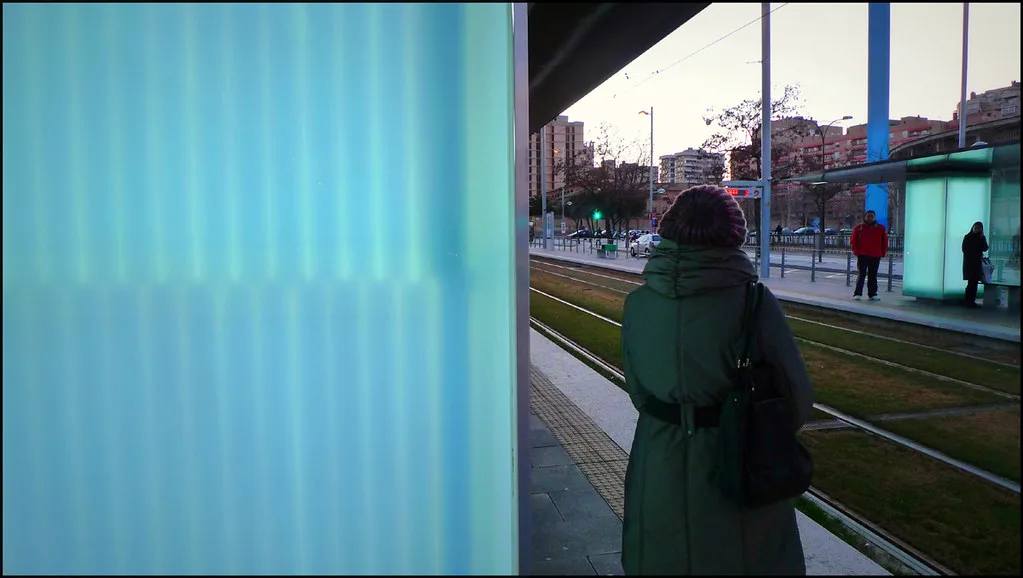
Tram (Tranvía Línea 1): the single line runs Parque Goya in the north to Valdespartera (Mago de Oz) in the south — roughly 12.8 km and 25 stops, end to end in about 40 minutes. It glides catenary-free straight down Avenida de la Independencia and Gran Vía through the heart of the centre, so it is your fastest tool for crossing the city. Service runs daily from about 05:00 to midnight, every 5–12 minutes through the day. Tap your Lazo card on the platform validator before boarding — fare inspectors do check.
Buses (Avanza): over 30 day lines plug the gaps the tram misses, including the circular Ci1 and Ci2 routes around the river and Expo site. After midnight the night-bus network (the "Búho" lines) takes over. The Avanza Zaragoza app shows live arrivals.
From the airport: bus Line 501 links Zaragoza Airport (ZAZ) with Paseo María Agustín / the city centre in about 30–35 minutes, running roughly hourly. It costs only a couple of euros and is far cheaper than the €25–30 taxi fare, though the taxi is quicker if you land late.
Must-See Zaragoza Attractions
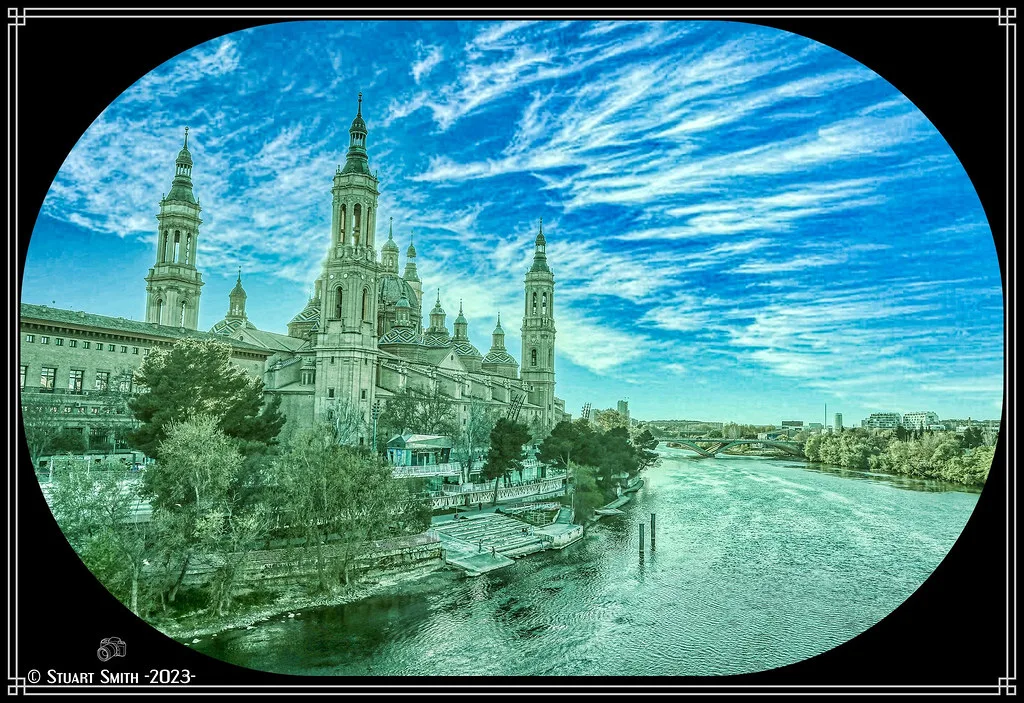
The Basilica del Pilar stands as the crown jewel of the city and serves as a central landmark for visitors. Most travelers reach this stunning cathedral by walking from the nearby tram stops in the Plaza del Pilar area. You can find several bus lines that drop passengers within a short five-minute walk of the main entrance. Check the official site for any seasonal schedule changes regarding nearby bus stops.
The Aljafería Palace is another essential stop located slightly further from the historic center's core. This 11th-century Islamic palace is easily accessible via the circular bus lines or a brisk twenty-minute walk. Visitors often combine this visit with a stroll through the nearby Aljafería gardens for a relaxing afternoon. Using a transport guide like our public transport guides can help you map out these longer connections.
Walking across the Stone Bridge provides the most iconic views of the city skyline and the Ebro River. This pedestrian-friendly bridge connects the historic district with the northern residential neighborhoods efficiently. Photography enthusiasts should aim to visit during the golden hour when the light hits the cathedral domes. Many visitors find that the central location of these sights makes walking the most rewarding option.
Museums, Art, and Culture in Zaragoza
Zaragoza boasts a rich cultural scene with museums dedicated to the legendary artist Francisco de Goya. The Goya Museum is nestled in the narrow streets of the old town, making it perfect for walking tours. Art lovers can also take the tram to the IAACC Pablo Serrano for contemporary exhibitions and rooftop views. Entry fees for most municipal museums are quite affordable, often ranging from four to seven Euros.
The Roman Theatre Museum offers a fascinating look into the city's ancient past beneath the modern streets. It is situated near several key bus stops, allowing for quick transit from other parts of the city. Plan for at least ninety minutes to fully explore the archaeological remains and the informative visitor center. Consult our guide on Burgos public transport if you are planning a wider tour of northern Spain.
CaixaForum Zaragoza provides a modern contrast with its striking architecture and rotating international art displays. This venue is located near the Portillo train station, which is served by numerous urban bus routes. The building itself is a masterpiece of design and features a lovely cafe for a quick break. Always verify exhibition times online as they frequently change based on the current featured artist.
Parks, Gardens, and Outdoor Spots in Zaragoza
Parque Grande José Antonio Labordeta is the city's largest green lung and a favorite for local families. The tram line stops right at the park entrance, making it one of the easiest outdoor spots to reach. Climb the stairs to the Batallador monument for a panoramic view of the manicured gardens and fountains. Renting a bike for an hour is a fantastic way to cover the vast grounds of this historic park.

The Expo 2008 site offers a more modern outdoor experience along the banks of the Ebro River. You can take the Ci1 or Ci2 circular bus lines to reach the futuristic pavilions and the Water Park. This area is ideal for long walks, kayaking on the river, or visiting the river aquarium. The spacious paths are perfect for those who enjoy jogging or cycling away from city traffic.
Riverbank trails connect the city center to the outskirts, providing miles of scenic walking and biking paths. These trails are well-lit and popular during the cooler evening hours in the summer months. Many locals use these routes to commute between neighborhoods while avoiding the busier main roads. Look for the green signage that marks the distance to major landmarks along the river.
Family-Friendly and Budget-Friendly Options in Zaragoza
Traveling with a family in Zaragoza is surprisingly affordable thanks to integrated transport cards. The Lazo card or the Citizen card allows for discounted fares and free transfers between buses and trams. One card can often be shared among multiple people, making it a very convenient choice for groups. You can purchase and top up these cards at most tobacco shops or tram station kiosks.
Zaragoza is a very walkable city, which is the ultimate budget-friendly way to see the sights. Most major attractions are clustered within a two-kilometer radius of the main Plaza del Pilar. Families can save money by walking through the historic center and using the tram only for longer distances. Don’t forget to take a Free Tour of Zaragoza to get your bearings without spending a fortune.
Public parks and river walks offer endless entertainment for children at zero cost to the parents. The Water Park near the Expo site features several playgrounds and picnic areas for a full day out. Pack a lunch to enjoy in the shade of the trees to keep your daily expenses even lower. Many museums also offer free entry on certain Sundays or during local festivals like Fiestas del Pilar.
How to Plan a Smooth Zaragoza Attractions Day
Start your morning early at the Plaza del Pilar to beat the crowds at the Basilica. Most major sites open around 10:00 AM, so use the early hours for outdoor photography or breakfast. A central hotel location allows you to return for a quick rest during the afternoon siesta period. Check out our tips for Reims public transport for more European city transit inspiration.
Use the afternoon to visit the Aljafería Palace or the museums located slightly outside the core. The tram is the most reliable way to traverse the city north to south during peak traffic hours. Keep an eye on the time as some smaller shops and attractions may close for a few hours mid-day. Planning your route in a linear fashion helps avoid unnecessary back-and-forth travel across the city.
Evening is the perfect time for a tapas crawl in 'El Tubo,' the city's famous narrow alleyway district. Most transit lines run until late at night, but frequency decreases after 11:00 PM on weekdays. The night bus service, known as the 'Búho,' is available for those staying out past midnight. Always carry a small amount of cash just in case you need to use a taxi for a quick return.
The 5 best ways to get around Zaragoza
Zaragoza offers a diverse range of transport modes to suit every type of traveler and budget. The modern tram line is widely considered the most efficient way to travel through the city's main axis. Buses cover the areas where the tram does not reach, ensuring total coverage of the urban area. Comparing these options helps you choose the best fit for your specific daily itinerary.
- The Modern Tram Line (Line 1)
- Speed: High
- Route: North to South
- Frequency: Every 5-10 minutes
- Best for: Fast city crossing
- Urban Bus Network (Avanza)
- Coverage: Entire city
- Lines: Over 30 routes
- Payment: Card or Mobile
- Best for: Specific neighborhoods
- Bizi Zaragoza Bike Sharing
- Access: Subscription based
- Stations: 130 locations
- Environment: Eco-friendly
- Best for: Short urban trips
- Walking the Historic Center
- Cost: Free
- Experience: Most scenic
- Difficulty: Easy/Flat
- Best for: Sightseeing
- Taxi and Ride-Sharing Services
- Availability: 24/7
- Convenience: Door-to-door
- Cost: Moderate
- Best for: Late nights
Zaragoza Autobús urbano
The Zaragoza Autobús urbano system is managed by Avanza and features a fleet of modern, accessible buses. With dozens of lines running from early morning until late night, it is the backbone of local transit. You can download the Avanza Zaragoza app to see real-time arrivals at your stop. This digital tool is essential for avoiding long waits during the hotter summer months.
Tickets can be purchased directly on the bus using contactless payment or through a pre-loaded card. The Lazo card is highly recommended as it allows for free transfers between the bus and tram for an hour. Standard single fares are slightly more expensive than using the rechargeable card options available locally. For more transport insights, see our guide on Dijon public transport.
Special shuttle buses often run during major events or to the airport for a fixed, affordable price. The airport bus (Line 501) connects the city center with the terminal in approximately thirty minutes. Always check the specific stop locations for these shuttles as they may differ from standard urban lines. Reliable transport makes Zaragoza an excellent base for exploring the wider Aragon region.
Frequently Asked Questions
Which Zaragoza public transport options fit first-time visitors?
First-time visitors should focus on the tram and walking. The tram line connects the major shopping districts with the historic center efficiently. For specific attractions like the Aljafería Palace, the urban bus system is the best choice. Most central sights are easily reached on foot.
How much time should you plan for Zaragoza public transport?
Most trips within the city center take between 10 and 20 minutes. If you are traveling to the outskirts or the Expo site, allow for 30 minutes. The high frequency of the tram means you rarely wait more than a few minutes for a ride during the day.
What should travelers avoid when planning Zaragoza public transport?
Avoid relying on cash for every trip as it is more expensive than using a transport card. Do not forget to validate your ticket every time you board a bus or tram. Also, try to avoid peak commute hours if you prefer to have a seat during your journey.
Is Zaragoza public transport worth including on a short itinerary?
Yes, it is definitely worth it for a short trip. Using the tram can save you from tiring walks between distant landmarks. It allows you to see more of the city in a single day than walking alone. Check public transport guides for more details.
Zaragoza offers a robust and user-friendly transport network that caters to every traveler's needs. Whether you prefer the modern tram or the extensive bus system, getting around is both simple and cheap. By using the local apps and transport cards, you can navigate the city like a local professional. Enjoy your time exploring the rich history and vibrant culture of this magnificent Spanish city.
Free: The European City Transport Cheat Sheet
Airport-to-centre, the best ticket to buy, and the one local gotcha — for 5 European cities, plus the universal rules for trams, ferries, and parking.
You might also like

Continue reading
More guides you'll find useful