Almeria Public Transport: 7 Ways to Get Around the City
Master Almeria public transport with our guide to airport buses, the touristic train, taxi fares, and the best ways to navigate the city center.
 By Marco Bellini
On this page
Almeria Public Transport: 7 Ways to Get Around the City
Short on time? Here's the verdict: Almeria's historic center is small enough to walk end to end in 15 minutes, so most visitors barely need transport inside town. From the airport, take Surbus Line 30 (the only public link to the city) for €1.05, or a taxi for roughly €15–€22. Staying a few days? Buy a Bonobús 10-trip card (€7.45) from the kiosk on Avenida Federico García-Lorca. For Cabo de Gata or the Tabernas Desert, rent a car — bus coverage there is thin.
Below we break down every option: the airport bus and taxi fares, the full Surbus network, the weekends-only touristic train, taxis, cycling, car rental and parking, plus the current state of the Intermodal train station (closed for the high-speed line). Understanding the difference between city-run Surbus routes and regional ALSA coaches is what saves you time and money on day trips, so let's dive in.
Free: The European City Transport Cheat Sheet
Airport-to-centre, the best ticket to buy, and the one local gotcha — for 5 European cities, plus the universal rules for trams, ferries, and parking.
Getting from Almeria Airport to the City Center
Almeria Airport (LEI) sits about 9 kilometers east of the city center, making for a quick transfer. The most budget-friendly option is Surbus Line 30, the only public-transport link to the airport, which runs 365 days a year roughly every 30–40 minutes from around 05:15 until 23:45. The stop is on the right as you exit Arrivals. Check the latest schedules on the Almeria Airport (Aena) website to coordinate with your flight arrival. The bus runs into the center near the Intermodal station, providing easy access to central hotels.
Taxis offer a more direct route for those carrying heavy luggage or traveling in small groups. Expect to pay between €15 and €20 for a one-way trip to the Puerta de Purchena area. Official taxi ranks are located right outside the arrivals hall for your convenience. Drivers usually charge a small supplement for airport pickups and late-night journeys.
Private transfers provide a seamless experience if you prefer pre-booked transport with a fixed price. These services often meet you in the terminal with a personalized sign for a stress-free start. Many visitors find this comparable to other public transport guides they have used in similar Spanish cities. Booking ahead ensures you avoid the queue at the taxi stand during peak summer months.
- Surbus Line 30 (Airport Bus)
- Cost: €1.05 single ticket
- Time: 35 minutes to center
- Frequency: Every 30-50 minutes
- Terminus: Gregorio Marañón street
- Official Airport Taxi
- Cost: €15 - €22 average
- Time: 15-20 minutes
- Availability: 24 hours daily
- Capacity: Up to 4 passengers
Navigating Almeria by Public Bus (Surbus)
The Surbus network is the backbone of Almeria public transport, covering nearly every neighborhood in the city. Buses are modern, air-conditioned, and generally run on time according to the digital displays at stops. You can find detailed route maps and live updates on the Surbus Official Website before you head out. Most lines operate from early morning until around 10:30 PM on weekdays.
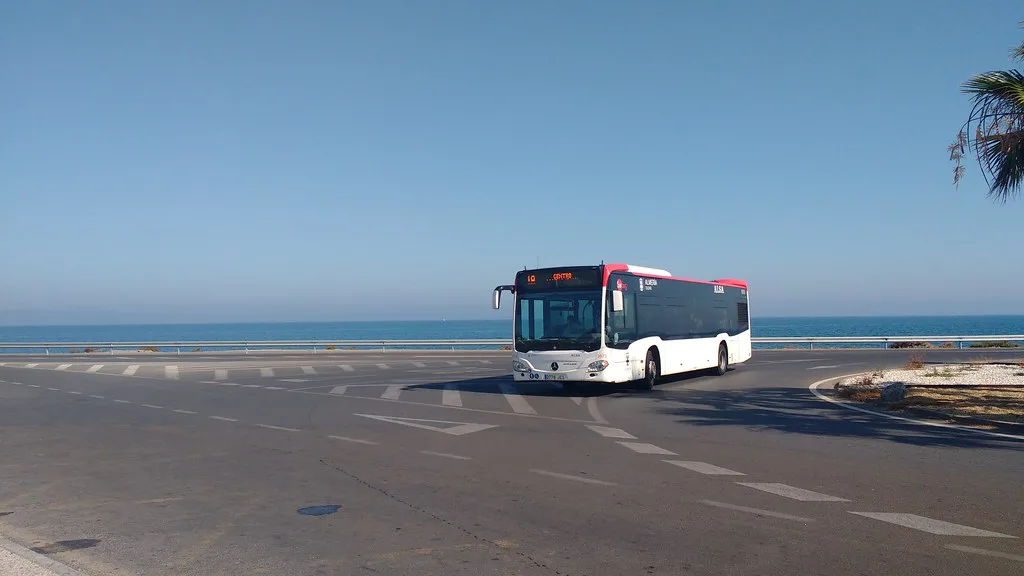
The standard single fare is €1.05, but frequent travelers should buy the Bonobús 10-trip card for €7.45 to cut costs to about €0.75 per ride. The card is sold at the Surbus kiosk on Avenida Federico García-Lorca (La Rambla), where you can also pick up the €1.30 transfer ticket (valid for a connection within one hour) or a €32.80 monthly unlimited pass if you are staying longer. Single tickets are bought from the driver in cash; the multi-trip cards are not sold on board.
Navigating the bus system here is often easier than using Zaragoza public transport due to the compact city layout. The main hub is located at the Intermodal Station, where city buses meet regional coaches and trains. Always keep your ticket until you exit the bus in case of a random inspection. Drivers usually carry change, but try to use small coins or bills for a smoother boarding process.
| Surbus ticket type | Price (2026) | Where to buy | Best for |
|---|---|---|---|
| Single ticket | €1.05 | On board (cash) | One-off rides, airport Line 30 |
| Bonobús 10-trip card | €7.45 (≈€0.75/ride) | Kiosk on Avenida Federico García-Lorca | Stays of 3+ days |
| Transfer ticket | €1.30 | Kiosk / on board | One connection within 60 min |
| Monthly unlimited pass | €32.80 | Surbus kiosk | Long stays / residents |
Trains and the Intermodal Station (2026 Update)
Almeria's Estación Intermodal on Plaza de la Estación normally unites Renfe trains and ALSA regional coaches under one roof, a short walk east of the center. One important caveat for 2026: the station has been closed since March 2024 for construction of the new high-speed (AVE) line from Murcia. While works continue, long-distance trains terminate at Huércal-Viator station just outside the city, and Renfe runs a free connecting bus into Almeria to complete the journey. The works are expected to wrap up in 2026, so check Renfe's site for the latest before you travel.
There is no train or metro between Almeria Airport and the city — the airport is served only by Surbus Line 30 and taxis. If you are arriving by rail from Granada, Seville or Madrid, factor in the Huércal-Viator transfer until the Intermodal reopens. Regional ALSA coaches use the same bus station and are your main public-transport option for the wider province, including Roquetas de Mar, Mojácar, Vera and onward connections toward the edge of the Cabo de Gata area.
Keep the distinction clear: Surbus runs the city buses, ALSA runs the regional coaches and the touristic train. For day trips beyond the bus network — the Tabernas Desert or the heart of Cabo de Gata Natural Park — a rental car remains the most reliable choice, as covered below.
Exploring the Historic Center via Touristic Train
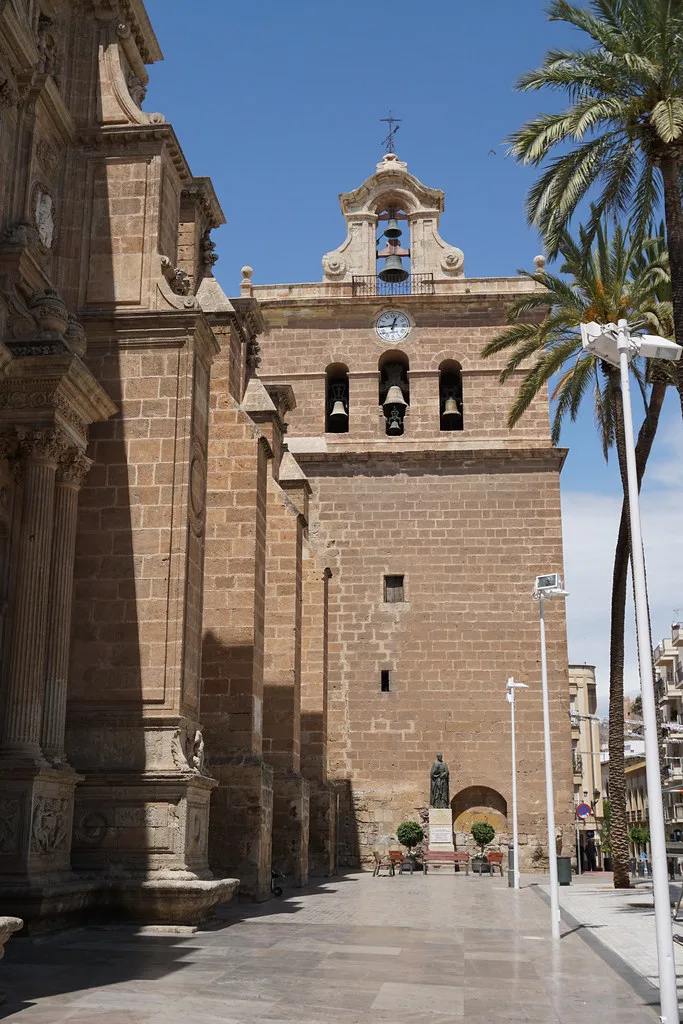
The Touristic Train (Tren Turístico), operated by ALSA, is a delightful way to see the city's major landmarks without a long walk. The guided circular route passes the Plaza de la Catedral, Puerta de Purchena and the scenic Paseo de Almeria, with the wheel-mounted train departing from Puerta de Purchena at the top of La Rambla. The whole loop lasts about 50–55 minutes and is popular with families wanting a relaxed overview of the historic center.
Critically, the train does not run daily — it operates only on Saturdays, Sundays and public holidays, with seven departures: 9:45, 11:00, 12:15 and 13:30 in the morning, then 16:45, 18:00 and 19:15 in the afternoon. Tickets cost €3.50 (free for children under one) and are bought on board before departure. Plan around weekends, as there is no weekday service to fall back on.
The train is designed with accessibility in mind, offering ramps for wheelchair users. Keep an eye out for the Almeria Walk of Fame stars set into the Paseo de Almeria as you pass through the center. Between departures, the same route is an easy and rewarding walk if your visit falls on a weekday.
Taxis and Private Transfers in Almeria
Taxis in Almeria are white with a distinctive red stripe on the front doors. They are a reliable way to get home after a late dinner or a night out in the city. You can easily hail one on the street or find them at designated ranks near major plazas. Fares are metered, but it is always wise to ask for an estimate before starting your journey.
Standard rates increase slightly during the night hours and over the weekends. Expect a small surcharge for luggage or trips that originate from the bus and train stations. If you need a ride during peak times, consider using a local taxi app for faster service. Most drivers are professional and know the quickest routes to avoid heavy traffic areas.
Private transfers are ideal for those heading to the nearby Cabo de Gata Natural Park. These can be arranged through your hotel or via reputable online booking platforms. While more expensive than the bus, they offer flexibility that public transport cannot match. This service is similar to what you might find in Bari public transport guides for coastal excursions.
Cycling and Bike Lanes in Almeria
Almeria has invested heavily in cycling infrastructure, boasting over 80 kilometers of dedicated bike lanes. The flat terrain along the coast makes it an ideal city for exploring on two wheels. One of the most scenic routes runs through the Nicolas Salmeron Park toward the lighthouse. Cyclists can enjoy fresh sea breezes while avoiding the busier car-filled streets.
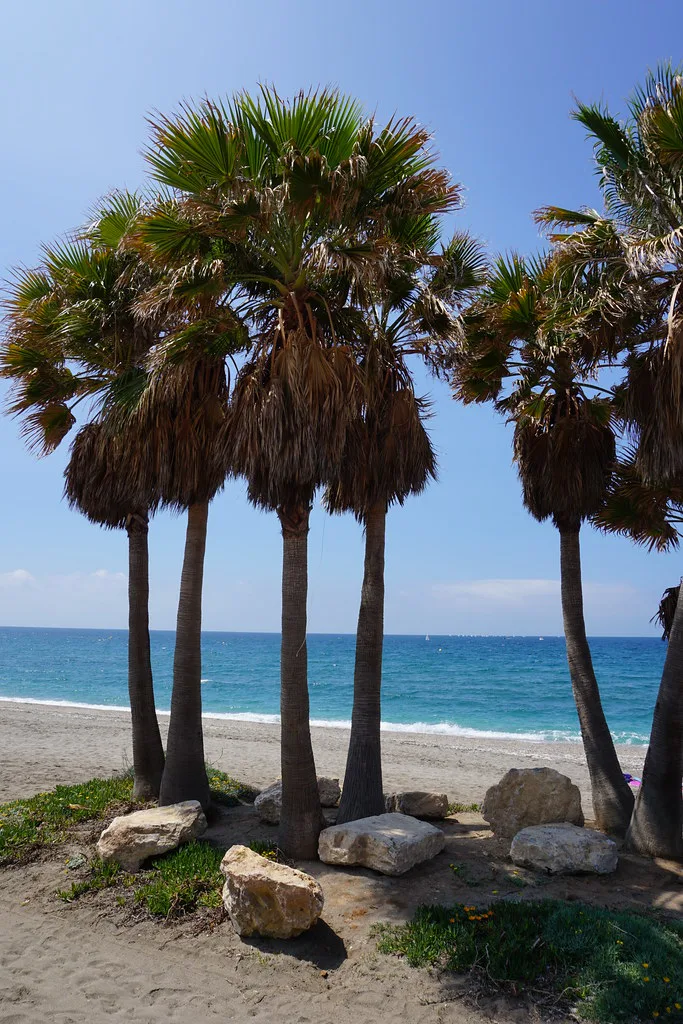
Several rental shops are located near the promenade and the central shopping districts. Daily rental rates are quite reasonable, often starting around €12 for a basic city bike. Many shops also offer electric bikes which are perfect for reaching the higher points of the city. Always wear a helmet and follow local traffic signals even when you are in a designated lane.
The Mediterranean promenade offers a wide path shared by pedestrians and cyclists alike. This area connects the city center with the popular Zapillo beach and eastern suburbs. You can easily reach the Cable Inglés, a historic iron pier, by following the coastal bike path. Biking provides a sense of freedom that is often missing from traditional bus travel.
Renting a Car in Almeria
Renting a car is the best choice if you plan to explore the rugged Almerian desert or hidden coves. Major rental agencies have desks at the airport and near the Intermodal train station. Having your own vehicle allows you to visit the Tabernas Desert at your own pace. Be sure to carry a valid driver's license and a credit card for the security deposit.
Parking in the city center can be challenging due to narrow streets and limited spaces. Look for blue zones which indicate paid street parking during specific business hours. White zones are free but are usually located further away from the main tourist attractions. Several underground parking garages offer secure options for a daily fee near the Paseo de Almeria.
Driving to the Cabo de Gata region takes about 30 to 45 minutes from the city center. This protected area has limited public bus service, making a car almost essential for nature lovers. Compare this to the logistics found in Trapani public transport where coastal access also varies. Always check for road closures or seasonal restrictions before heading into the natural park.
Frequently Asked Questions
How much is the bus from Almeria Airport to the city?
A single ticket on the Surbus Line 30 costs €1.05 and can be purchased directly from the driver. This is the most economical way to reach the center. For more tips on budget travel, check our travel blog for updated destination guides.
Is Almeria a walkable city?
Yes, the historic center of Almeria is very compact and easy to explore on foot. Most major attractions like the Cathedral and the Alcazaba are within a 15-minute walk of each other. Comfortable shoes are recommended for the hilly sections near the fortress.
How do I buy bus tickets in Almeria?
You can buy single tickets (€1.05) directly from the bus driver using cash. If you plan to use the bus frequently, purchase the 10-trip Bonobús card for €7.45 at the Surbus kiosk on Avenida Federico García-Lorca (La Rambla), which also sells the €1.30 transfer ticket and the €32.80 monthly pass. These multi-trip cards are not sold on board.
How much does a taxi cost from Almeria Airport?
A taxi from the airport to the city center typically costs between €15 and €22 depending on your final destination. Prices are slightly higher during late-night hours, Sundays, and public holidays. Always ensure the meter is running or agree on a price before the trip starts.
Is there a train from Almeria Airport to the city center?
No. There is no train, tram, or metro link from Almeria Airport — the only public transport option is Surbus Line 30 (€1.05), with taxis as the alternative. Almeria's Intermodal train station has also been closed since March 2024 for the high-speed line, so mainline trains currently terminate at Huércal-Viator with a connecting Renfe bus into the city, with works expected to finish in 2026.
Mastering Almeria public transport allows you to experience the city like a local while keeping your budget intact. From the affordable Surbus network to the scenic coastal bike lanes, there is an option for every type of traveler. The combination of a walkable center and efficient airport links makes this an easy destination to navigate. Plan your routes ahead of time to make the most of your visit to this beautiful corner of Andalusia.
Whether you choose the touristic train for sightseeing or a rental car for desert adventures, Almeria is ready for you. Don't forget to grab a Bonobús pass if you plan on staying for more than a few days. Enjoy the unique blend of history and modern convenience that this Spanish city offers. Safe travels as you explore the landmarks and beaches of Almeria.
Free: The European City Transport Cheat Sheet
Airport-to-centre, the best ticket to buy, and the one local gotcha — for 5 European cities, plus the universal rules for trams, ferries, and parking.
You might also like


Continue reading
More guides you'll find useful