Spoleto Public Transport Travel Guide
Plan Spoleto public transport with top picks, neighborhood context, timing tips, and practical booking advice for a smoother trip.
 By Marco Bellini
On this page
Spoleto Public Transport
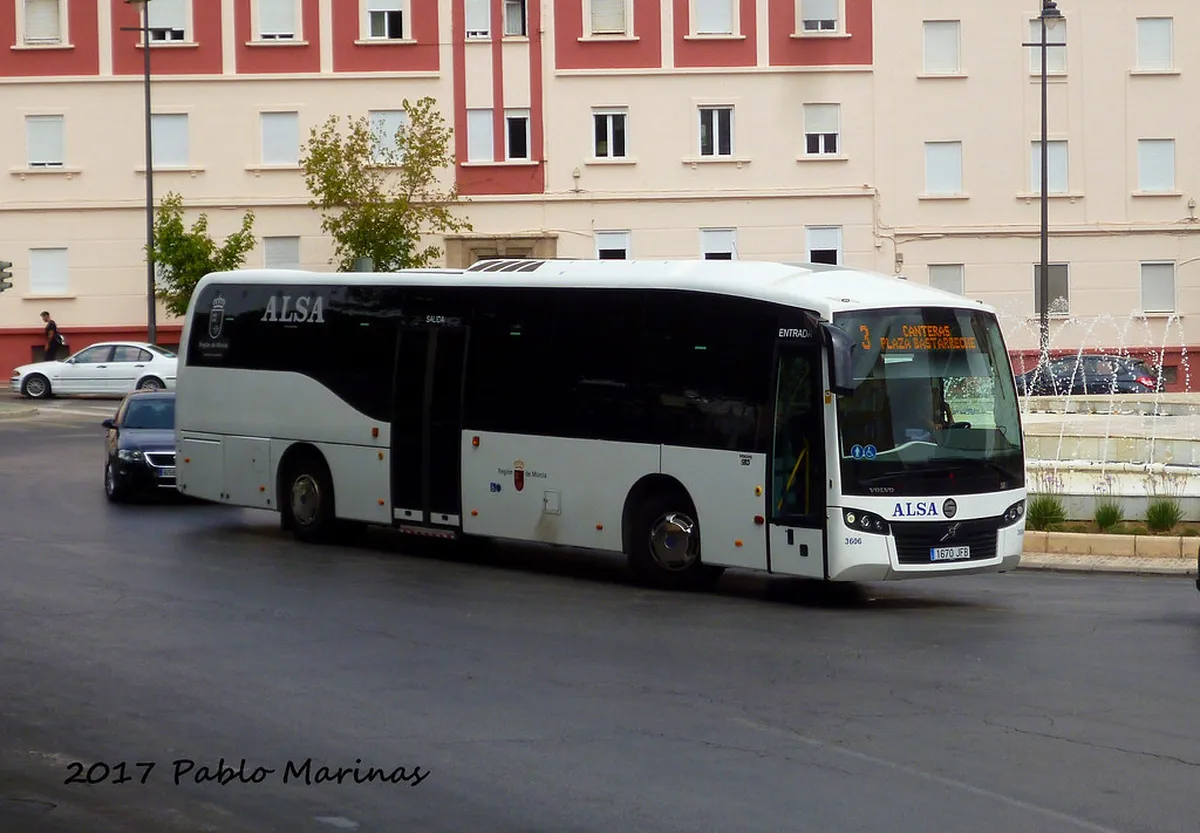
Short on time? Here is the decision-first answer. Spoleto's historic centre is a hilltop pedestrian zone (and a camera-enforced ZTL), so the smart play is: arrive by train, then ride the free Percorso Meccanizzato escalators up from the lower town. Driving? Park at Posterna or Spoletosfera (from about €1.80/hour) and take the same free escalators in. A single urban bus ticket costs about €1.30 (90 minutes) and must be bought before boarding at a tabaccheria or newsstand; the electric minibus lines A, B and C loop the centre.
This guide covers the practical moves in order: getting from the train station into the centre, the free escalator network, urban minibus lines and fares, parking and ZTL rules, and the regional rail and bus links for day trips. Explore our comprehensive public transport guides to see how Spoleto compares to other Italian hubs.
Free: The European City Transport Cheat Sheet
Airport-to-centre, the best ticket to buy, and the one local gotcha — for 5 European cities, plus the universal rules for trams, ferries, and parking.
Must-See Spoleto Attractions
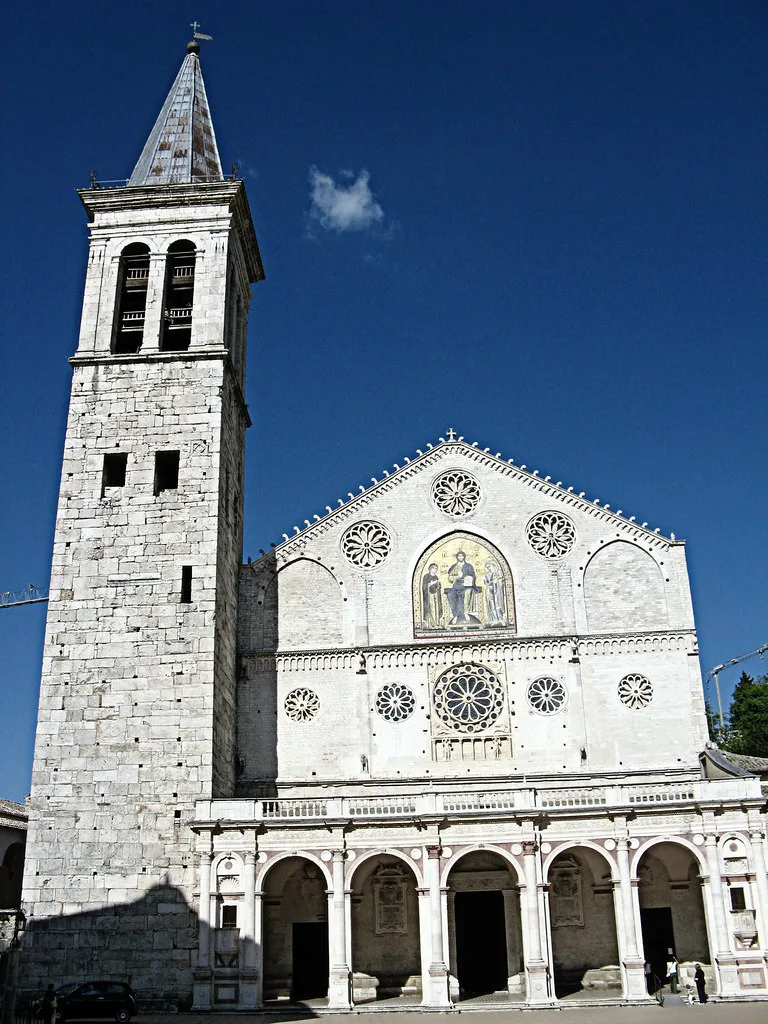
The Duomo of Spoleto serves as the focal point of the city with its stunning 12th-century facade and mosaics. You can reach the Piazza del Duomo by taking the local bus to the upper town or using the mechanized walkway. Expect to spend at least an hour admiring the frescoes by Filippo Lippi inside the cathedral. Admission to the main nave is generally free, though some specific areas may require a small fee.
High above the town stands The Rocca Albornoziana fortress, which offers panoramic views of the surrounding valley. This 14th-century structure once housed popes and governors and now serves as a fascinating museum. Most travelers use the escalator system from the lower parking lots to reach the fortress without a strenuous hike. The walk around the perimeter provides some of the best photo opportunities in the region.
One of the most iconic sights is the Ponte delle Torri, a massive Roman-style aqueduct spanning the deep gorge. However, I have just read that the bridge is still closed to pedestrians as it was damaged in 2016 August earthquake. You can still view its impressive arches from the nearby Belvedere points located near the fortress. Local authorities provide updates on structural repairs at the tourist information office near the train station.
Museums, Art, and Culture in Spoleto
Cultural enthusiasts should prioritize a visit to the National Museum of the Duchy of Spoleto located within the Rocca. The museum displays artifacts that trace the city's history from the Lombard period through the late Middle Ages. Tickets usually cost around 6 to 8 Euros and include access to the fortress grounds. Give yourself at least two hours to properly explore the various wings and archaeological finds.
The Roman House, or Casa Romana, offers a rare glimpse into domestic life during the 1st century AD. Located near the Piazza del Municipio, it is easily accessible via the circular bus line that loops through the old town. The well-preserved mosaics and floor plans provide a stark contrast to the medieval structures nearby. It remains a top choice for those interested in classical Roman architecture and urban design.
Art lovers will find the Palazzo Collicola Visual Arts Center impressive for its mix of baroque interiors and contemporary exhibits. The museum is a short walk from the lower terminus of the city's escalator system. Check the seasonal schedule for temporary exhibitions that often feature international artists during the summer months. Much like the transit in Assisi public transport guides, Spoleto's cultural sites are well-connected by pedestrian-friendly paths.
Parks, Gardens, and Outdoor Spots in Spoleto
Villa Redenta provides a peaceful escape with its neoclassical gardens and historic stables located just outside the city walls. You can reach the villa on foot from the train station in about fifteen minutes or take a quick bus ride. The park is free to enter and offers plenty of shade for a mid-day break. It is an ideal spot for travelers looking to escape the more crowded tourist zones in the center.
For a more adventurous outing, consider the woods of Monteluco which overlook the city from a high ridge. Local buses run from the Spoleto station to the summit several times a day, especially during the summer. This sacred forest features ancient ilex trees and several small chapels dating back centuries. Hiking trails are well-marked and range from easy strolls to more challenging uphill treks.
The Giro dei Condotti is a scenic flat walk that follows the perimeter of the hill where the fortress sits. This path offers breathtaking views of the Umbrian valley and the Ponte delle Torri from a different perspective. Access the trail near the fortress and follow it for about two kilometers of easy walking. It is a favorite among locals for evening strolls when the sun begins to set over the hills.
Family-Friendly and Budget-Friendly Options in Spoleto
Spoleto offers several ways to save money while keeping the whole family entertained throughout the day. Many of the city's most beautiful churches and piazzas cost nothing to enter and explore. Children often enjoy the ride on the long underground escalators which feel like a mini-adventure. Pack a lunch and head to the public gardens near the train station for a budget-friendly meal.
The Spoleto Card is a great investment for families planning to visit more than two museums during their stay. This pass covers the main historical sites and often provides discounts at local shops or cafes. You can purchase the card at the tourist office or any participating museum entrance. It simplifies the entry process and helps you manage your travel budget more effectively.
Walking the ancient Roman walls is another free activity that provides a great sense of the city's scale. The path is mostly flat and safe for children to run while parents enjoy the historical markers. If you need to move between distant points, the local urban bus fare is very affordable for small groups. Similar to Bari public transport, buying tickets in advance at a 'tabaccheria' saves you money compared to buying on board.
How to Plan a Smooth Spoleto Attractions Day
Start your day early at the Spoleto train station to maximize your time in the historic center. Take the orange line bus or the 'circolare' directly to the Piazza della Libertà to begin your ascent. This strategy allows you to see the major monuments before the midday heat and the largest crowds arrive. Most attractions open around 10:00 AM, making this the perfect time to start your tour.
Use the mechanized walkways to transition between the lower and upper sections of the city without fatigue. These escalators are free to use and run frequently throughout the day and evening. They connect the main parking areas and the bus terminal to the Duomo and the fortress. This system is one of the most efficient ways to handle the city's steep vertical layout.
Plan your lunch break in the lower town where you will find a higher concentration of local trattorias. After eating, you can easily catch a bus back to the station or continue exploring the Roman ruins. Keep a digital copy of the bus timetable on your phone to avoid long waits at the stops. For more tips on Italian transit hubs, check our guide on Trapani public transport for similar regional insights.
Introduction to the region: Umbria
Umbria is often called the 'Green Heart of Italy' due to its lush landscapes and lack of coastline. Spoleto serves as a vital southern anchor for the region, connecting it to both Rome and the northern hills. Traveling through this area reveals a slower pace of life compared to neighboring Tuscany. You will find that the public transport network is reliable but requires careful planning for smaller villages.
The regional train line connects Spoleto with other famous towns like Foligno, Assisi, and Perugia. Most trains run every hour, making it easy to base yourself in Spoleto and take day trips. Tickets are inexpensive and can be purchased at station kiosks or via the Trenitalia mobile app. Always remember to validate your paper ticket at the green machines before boarding the train.
If you plan to explore the deeper countryside, the extra-urban bus network becomes your primary tool. These buses depart from the terminal near the Spoleto train station and reach remote hill towns. Schedules are more limited on Sundays and public holidays, so check the Bus Italia website in advance. This regional connectivity is similar to what you might find in Catania public transport networks.
Food and Wine
Spoleto is a paradise for foodies, especially those who appreciate the earthy flavor of black truffles. You can find truffle-infused pasta, oils, and cheeses in almost every local restaurant in the historic center. Many of these eateries are located along the bus routes that serve the Piazza del Mercato. This square remains the heart of the city's culinary scene and hosts a vibrant morning market.
The region is also famous for its robust red wines, particularly the Sagrantino di Montefalco. While Montefalco is a separate town, many Spoleto wine bars offer extensive tastings of these local vintages. You can take a regional bus to nearby vineyards for a more immersive cellar door experience. Most tours require a reservation, so call ahead to secure your spot for a tasting session.
For a quick snack, look for 'torta al testo', a traditional Umbrian flatbread filled with local meats and greens. It is a perfect portable meal for travelers who are constantly on the move between attractions. You can find these at small kiosks and bakeries throughout the lower town. This local specialty is as essential to the experience as the article in Italy Magazine suggests for first-time visitors.
From the Train Station to the Centre: Escalators, Parking, and the ZTL
Spoleto's railway station sits in the flat lower town, about a 15 to 20 minute uphill walk from the historic centre. You have three easy alternatives. Local urban buses run frequently from the station forecourt up to Piazza Garibaldi at the edge of the old town for the standard €1.30 ticket. The dedicated Spoleto Link shuttle bus connects the station to Spoleto Centre near Posterna in roughly 7 minutes, timed to meet regional trains. Taxis also wait directly outside the station if you are carrying heavy luggage.
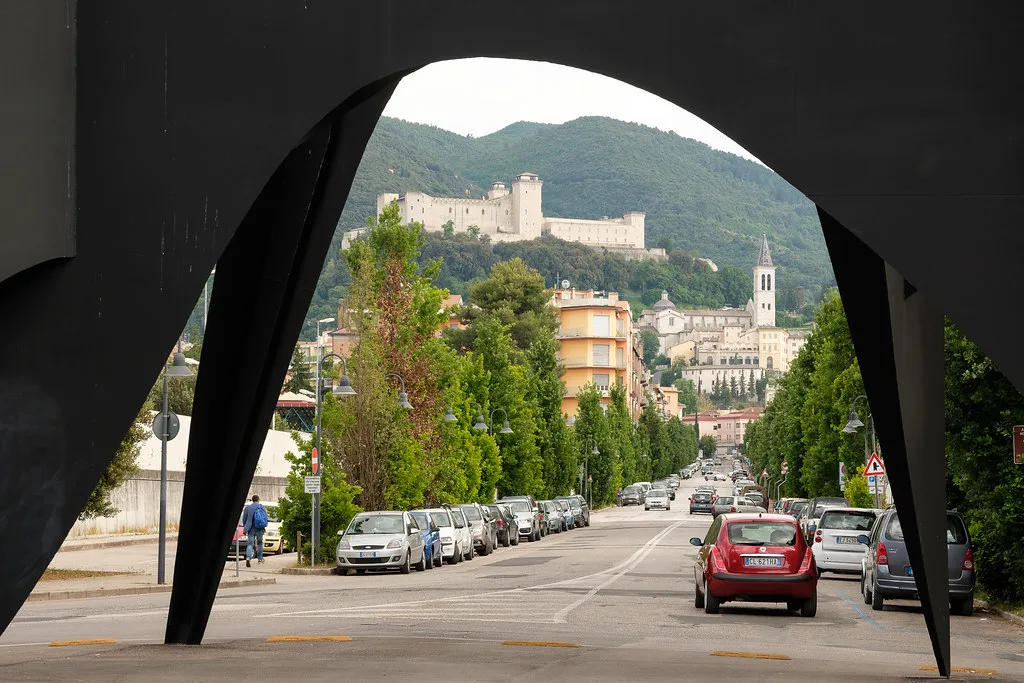
The single most useful thing to understand is the Percorso Meccanizzato, a free network of underground escalators and moving walkways that carries you up through the hill without a climb. The three routes are Posterna (from the Posterna car park up to Piazza Campello and the fortress), Spoletosfera (from the Spoletosfera car park toward Piazza della Vittoria), and Ponzianina on the eastern side. They are free, run from early morning until late at night, and are signposted as "Scale Mobili." Using them is faster and far less tiring than the bus for reaching the upper town.
Drivers must respect the ZTL (Zona a Traffico Limitato): most of the historic centre is closed to unauthorised cars and monitored by cameras, so following GPS straight in earns an automatic fine. Park instead at the perimeter garages linked to the escalators. Indicative 2026 rates:
- Parcheggio Posterna — multi-storey, directly connected to the escalators to Piazza Campello; first 30 minutes free, then from about €1.80 for the first hour, daily cap roughly €14–24.
- Parcheggio Spoletosfera — large lot beside the Spoletosfera escalator entrance; similar hourly rate and the most space for day visitors.
- Posterna street parking (blue lines) — pay-and-display at the meter; fills early, so the garages are the safer bet in high season.
If you are staying inside the ZTL, ask your hotel to register your licence plate in advance so the cameras don't flag you. Coach passengers are dropped at the dedicated bus parking near Ponzianina before walking or escalating into the centre.
Timetables and lines
Bus Italia operates the majority of the urban and extra-urban lines in Spoleto. You can find printed timetables at the main bus station located right outside the train station doors. Most urban lines run every 20 to 30 minutes during peak hours on weekdays. Be aware that service frequency drops significantly during the 'pausa' or afternoon break between 1:30 PM and 4:00 PM.
Tickets for Spoleto public transport must be purchased before you board the bus to avoid fines. You can buy them at the station ticket office, newsstands, or through the Salgo mobile app. A single urban ticket is usually valid for 90 minutes once validated on the bus. This allows you to switch between different lines within the city limits on a single fare.
The 'Percorso Meccanizzato' is the city's unique system of underground travel that functions like a subway but with escalators. There are three main lines: Ponzianina, Posterna, and Spoletosfera, each serving different parts of the old town. These lines are generally open from early morning until late at night, often past midnight on weekends. They are the secret to navigating the city's elevation without needing a car or a taxi.
- Urban Bus Line A
- Type: Circular Route
- Best for: Historic Center
- Where: Train Station
- Cost: 1.30 Euro
- Posterna Escalator Line
- Type: Mechanized Walkway
- Best for: Piazza Campello
- Where: Via Posterna
- Cost: Free
- Extra-Urban Line E401
- Type: Regional Bus
- Best for: Norcia/Cascia
- Where: Bus Terminal
- Cost: Varies by distance
| Option | Type | Cost (2026) | Where it starts | Best for |
|---|---|---|---|---|
| Urban minibus (Lines A/B/C) | Electric circular bus | €1.30 / 90 min | Train station forecourt | Reaching the historic centre with luggage |
| Spoleto Link shuttle | Station shuttle bus | €1.30 / single | Train station | Fastest hop to Posterna (~7 min, timed to trains) |
| Percorso Meccanizzato | Free escalator network | Free | Posterna / Spoletosfera car parks | Climbing the hill car-free to the Duomo and fortress |
| Regional train (Trenitalia) | Hourly regional rail | From ~€2.60 | Spoleto station | Day trips to Foligno, Assisi, Perugia |
| Extra-urban bus (Line E401) | Regional Bus Italia coach | Varies by distance | Bus terminal | Hill towns like Norcia and Cascia |
Frequently Asked Questions
Which Spoleto public transport options fit first-time visitors?
First-time visitors should prioritize the 'Percorso Meccanizzato' escalator system and the urban circular bus. These options connect the train station to the Duomo and Lucrezia Borgia's former residence at the fortress. They are affordable, frequent, and save you from the city's steepest hills.
How much time should you plan for Spoleto public transport?
Plan for about 15 to 20 minutes for most urban trips including wait times. If you are using the escalators to reach the upper town, the transit itself takes about 5 to 10 minutes. Always allow extra time during the afternoon break when bus frequency decreases across the city.
What should travelers avoid when planning Spoleto public transport?
Avoid trying to buy tickets directly from the bus driver as this is often not allowed or costs significantly more. Do not rely on heavy bus schedules during the traditional afternoon siesta hours. Also, avoid bringing large luggage on the smaller urban buses during peak morning commute times.
Is Spoleto public transport worth including on a short itinerary?
Yes, the transport system is essential for a short itinerary to maximize your sightseeing time. Using the escalators allows you to see the main cathedral and the fortress in just a few hours. It is much faster than walking uphill and keeps you fresh for exploring the museums.
Spoleto public transport makes one of Italy's most beautiful hill towns accessible to every type of traveler. By combining the regional train network with local buses and modern escalators, you can explore the city's rich history without stress. Remember to buy your tickets in advance and keep an eye on the afternoon schedule changes.
The city's blend of ancient Roman heritage and medieval architecture is best enjoyed when you aren't worried about the climb. Whether you are here for the truffles or the views from the fortress, the transit system supports a smooth journey. For more inspiration on European travel, visit the hopwander blog for expert tips.
Planning ahead ensures you won't miss out on the hidden corners of this Umbrian treasure. Use the tools available, from mobile apps to the tourist office, to stay updated on line changes. Spoleto remains a top destination for those who appreciate culture, history, and the ease of a well-connected city.
Free: The European City Transport Cheat Sheet
Airport-to-centre, the best ticket to buy, and the one local gotcha — for 5 European cities, plus the universal rules for trams, ferries, and parking.
You might also like

Continue reading
More guides you'll find useful