Colmar Public Transport Travel Guide
Plan Colmar public transport with top picks, neighborhood context, timing tips, and practical booking advice for a smoother trip to the Alsace region.
 By Marco Bellini
On this page
Colmar Public Transport
Quick answer: Colmar's historic centre is compact and walkable (10 minutes from the train station to Little Venice), so most visitors barely need a bus. For everything else, the city runs on the TRACE bus network: a single ticket is €1.50 (1 hour, transfers included; tap a contactless bank card on board) and the Alsa+ 24h Colmar Agglo day pass — covering TRACE buses plus local trains and the conurbation — is just €3.50. To reach the Alsace Wine Route villages (Riquewihr, Kaysersberg, Ribeauvillé), use the regional Fluo Grand Est buses and TER trains from the station; a TER to Strasbourg takes ~32 min and to Mulhouse ~18 min, from about €6.
Below we break down the city buses, the village shuttles, train connections, driving and parking, and tips for families — with current 2026 fares and route details — so you can plan a stress-free Alsace trip without overthinking the logistics.
Free: The European City Transport Cheat Sheet
Airport-to-centre, the best ticket to buy, and the one local gotcha — for 5 European cities, plus the universal rules for trams, ferries, and parking.
Must-See Colmar Attractions
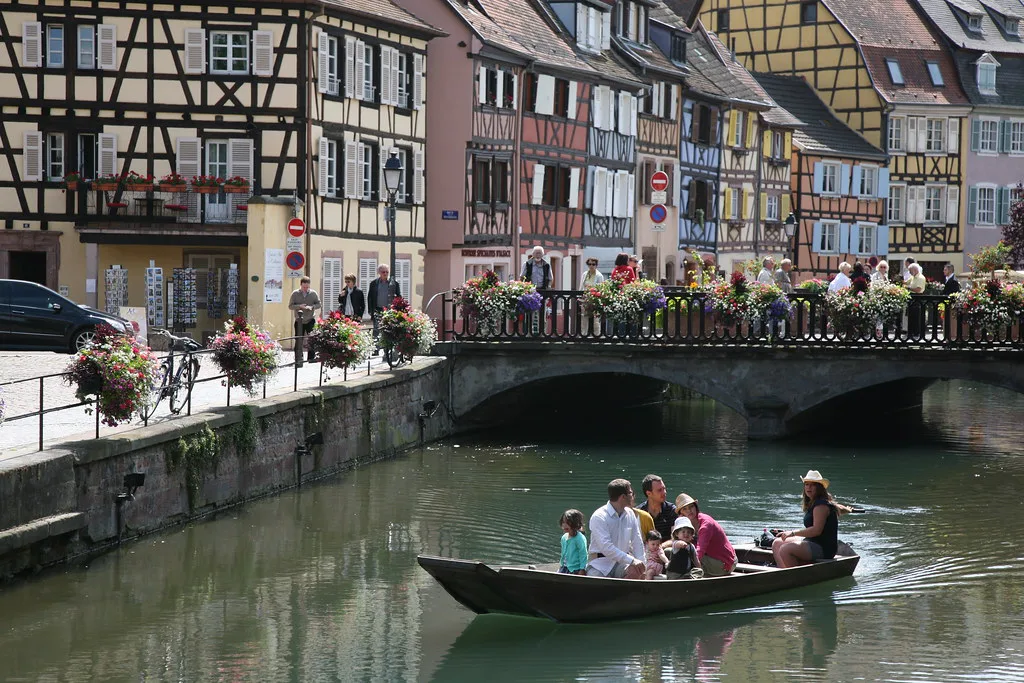
The heart of the city is known as 'Little Venice' due to its picturesque canals and colorful half-timbered houses. Most visitors arrive at the main train station and use the local bus lines to reach the historic center in under ten minutes. Walking remains the best way to soak in the atmosphere once you reach the pedestrianized zones.
St. Martin's Church stands as a central landmark that is easily accessible from several bus stops near the Place de la Cathédrale. You can find frequent service from the station via lines 1, 3, and 5 during daylight hours. Check the official Trace-Colmar.fr website for real-time updates on any temporary route diversions.
The Pfister House and the Koïfhus are situated within short walking distances of each other in the Old Town. Navigating these narrow streets requires comfortable footwear, as public buses generally stick to the perimeter of the historic core. Planning your route to drop you at the 'Théâtre' stop provides the most direct access to these architectural wonders.
Museums, Art, and Culture in Colmar
The Unterlinden Museum is a premier cultural destination housed in a former 13th-century convent. Located near the city's northern entrance, it is served by almost every major bus line passing through the 'Théâtre' hub. Expect to spend at least two hours here exploring the Isenheim Altarpiece and modern art collections.
Art lovers should also prioritize the Bartholdi Museum, dedicated to the creator of the Statue of Liberty. This site is tucked away in the Rue des Marchands, requiring a short walk from the nearest bus stops. If you have previously used Reims public transport, you will find Colmar's system smaller but equally reliable for museum hopping.
Families often enjoy the Toy Museum, which is conveniently located near the municipal park and several transit links. Tickets for these cultural sites can sometimes be bundled with regional transport passes for better value. Always verify the current opening hours on official tourism pages before setting out for the day.
Buses from Colmar to Neighboring Villages
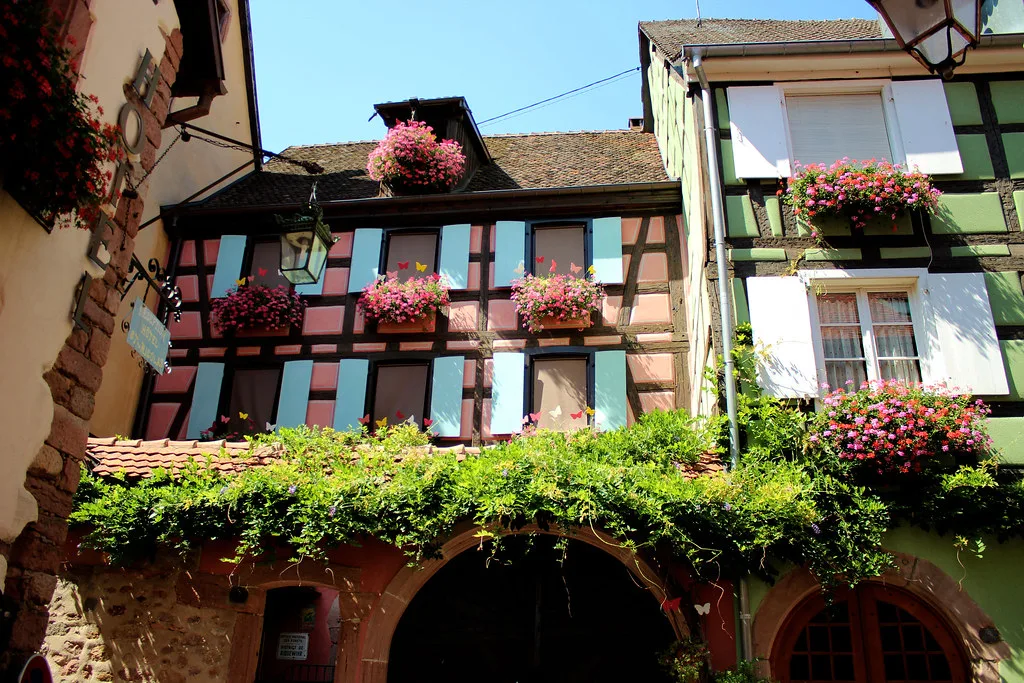
The Route des Vins d’Alsace is the primary draw for many visitors using Colmar public transport as their base. Dedicated buses like the 'Kaysersberg Valley' lines connect the city to stunning villages such as Riquewihr and Ribeauvillé. During the peak summer and Christmas market seasons, additional shuttles operate to handle the increased passenger volume.
Departures typically occur from the square in front of the Colmar train station, making it a simple transition from regional rail. Fares are generally affordable, often costing around 5 to 10 Euros for a day-long excursion. You can find detailed route maps and seasonal schedules at Tourisme-Colmar.com to plan your stops.
Travelers should note that bus frequency can decrease significantly on Sundays and public holidays. It is wise to download the Fluo app to track live bus locations and avoid long waits at rural stops. Combining a bus trip with a short train ride can often be the most efficient way to see multiple villages in one afternoon.
- Kaysersberg Shuttle (Line 68R013)
- Type: Regional Bus
- Best for: Medieval architecture
- Where: Station Quai B
- Cost: Approx. €4-€6
- Riquewihr Express (Line 68R016)
- Type: Seasonal Shuttle
- Best for: Wine tasting
- Where: Colmar Train Station
- Cost: Included in Day Pass
Get Around Easily with Fluo Grand Est
The Fluo Grand Est system integrates all modes of regional transport into a single, user-friendly platform. This network covers trains, inter-city buses, and even some car-sharing options across the Alsace region. Using the digital ticket feature allows you to bypass ticket machines and board vehicles with a simple QR code scan.
Regional trains (TER) are the fastest way to travel between Colmar and larger cities like Strasbourg or Mulhouse. These trains run frequently throughout the day and offer spacious seating for those with luggage or strollers. If your journey involves multiple transfers, the Fluo website provides the most accurate door-to-door itinerary planning.
Planning a trip to the southern reaches of Alsace might involve using Dijon public transport connections if you are heading toward Burgundy. However, within the Grand Est, the Fluo system remains the dominant and most cost-effective choice. Look for 'Alsa+ 24h' tickets if you plan on taking more than three trips in a single day.
Colmar Panoramic Tourist Bus
For those who prefer a guided experience, the panoramic tourist bus offers a comprehensive loop of the major landmarks. This open-top service provides audio commentary in multiple languages, explaining the rich history of the Haut-Rhin region. It is an excellent choice for travelers with limited mobility who still wish to see the historic sites.
The 'Green Shuttle' is another local favorite, focusing on eco-friendly transport within the city limits. These smaller vehicles can navigate tighter streets that standard buses cannot reach, providing closer access to hidden squares. You can find more details on these specialized routes at Tourisme-Colmar.com.
Tickets for the panoramic bus are usually separate from the standard Trace bus network fares. Most visitors find that a single loop takes about 45 minutes, making it a quick way to orient yourself upon arrival. Consider this option if you only have a few hours to explore before catching a departing train.
City Colmar Transport
The local bus network, operated by Trace, consists of over 20 lines serving the city and its immediate suburbs. Buses are generally modern, clean, and equipped with screens showing the upcoming stops. If you are staying in a hotel outside the historic center, these buses will be your primary link to the main attractions.
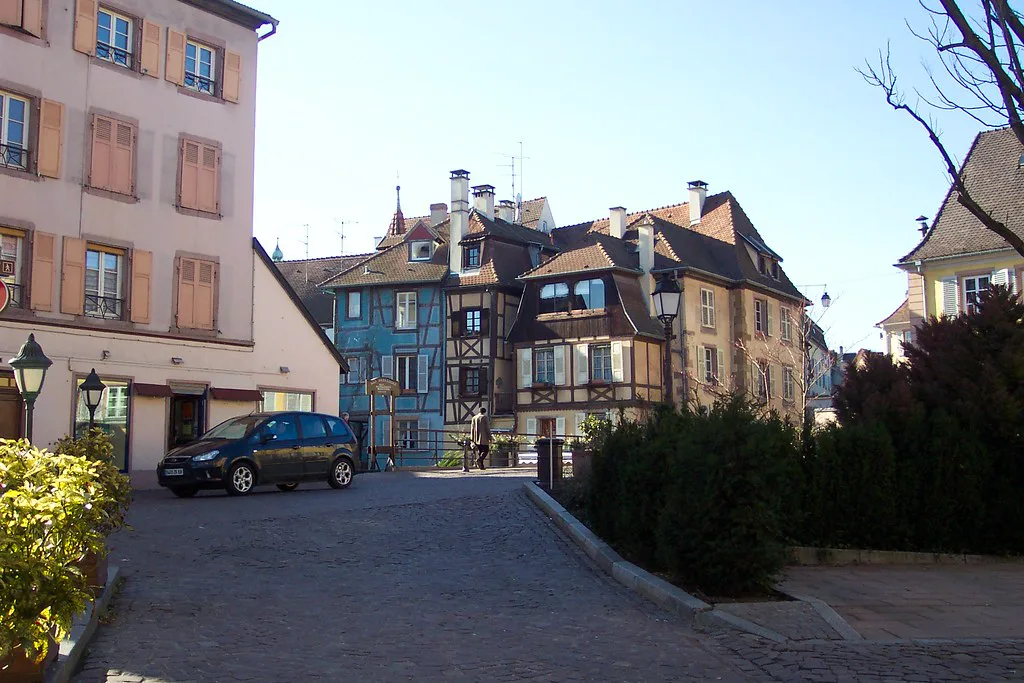
Buying tickets is straightforward, and there is no zone system to worry about within the city. A single ticket costs €1.50 and gives you one hour of travel including transfers; you can buy it from the driver, at machines at major stops, on the Trace app, or simply tap a contactless bank card on the validator as you board. If you plan more than two rides, the Alsa+ 24h Colmar Agglo pass at €3.50 covers TRACE buses plus local trains across the conurbation, and a 72-hour Trace pass runs about €9. For those accustomed to public transport guides in other European cities, this flat-fare simplicity will be a relief.
| Ticket / pass | 2026 price | Covers | Best for |
|---|---|---|---|
| Single TRACE ticket | €1.50 | 1 hour, transfers included, TRACE buses only | One or two short city hops |
| Alsa+ 24h Colmar Agglo | €3.50 | TRACE buses + local trains across the conurbation, 24h | 3+ trips in a day |
| 72-hour Trace pass | ~€9 | Unlimited TRACE buses, 3 days | Longer stays inside the city |
| Fluo Grand Est / TER ticket | from ~€6 | Regional trains & buses to Strasbourg, Mulhouse, Wine Route villages | Day trips beyond Colmar |
Evening services are more limited than daytime routes, with most lines tapering off after 8:00 PM. If you plan on enjoying a late dinner in the Old Town, check the 'Flexo' service which offers on-demand evening transport. Always keep your validated ticket until you exit the bus to avoid potential fines during random inspections.
Driving, Parking, and Bus Frequency
You do not need a car to enjoy Colmar itself, but one is genuinely useful for hopping between Wine Route villages at your own pace. The historic core is a low-traffic pedestrian zone, so leave the car outside it. The most convenient paid car parks are Parking Lacarre and Parking Rapp (both underground, roughly €2 per hour and around €15–€18 for a full day), plus the larger Parking Scheurer-Kestner near the Unterlinden Museum. For longer stays, the car park at Colmar train station (off Rue de la Gare, open 7 days a week) lets you park and ride the bus or train into the centre.
On bus frequency: core TRACE city lines run roughly every 20–30 minutes on weekdays from about 6:00 AM to 8:00 PM, thinning out on Sundays and public holidays. Regional Fluo buses to the villages can be sparse — often only a handful of departures a day — so always check the timetable before relying on a return trip, and use the on-demand Flexo service for evenings. Whichever ticket you hold, validate it on board the moment you step on; inspectors do spot-check, and an unvalidated ticket is treated as no ticket and can earn a fine.
Frequently Asked Questions
Which Colmar public transport options fit first-time visitors?
First-time visitors should focus on the Trace bus lines 1 and 3 for city travel and the seasonal 'Kaysersberg Valley' shuttles for village excursions. These routes cover the most iconic landmarks and are very easy to navigate from the main train station. For more regional tips, check our public transport guides.
How much time should you plan for Colmar public transport?
Allow approximately 15 to 20 minutes for cross-city bus trips and at least 45 minutes for regional bus journeys to nearby villages. The compact nature of the city means transit is rarely the longest part of your day. Most travelers find that three days is enough to master the local system.
Is Colmar public transport worth including on a short itinerary?
Yes, utilizing the local buses is highly recommended even for a one-day trip to maximize your sightseeing time. It allows you to quickly bridge the gap between the train station and the historic 'Little Venice' district. Using the bus ensures you spend more time at attractions and less time walking transit corridors.
Navigating Colmar public transport is a rewarding experience that opens up the beauty of the Alsace region to every traveler. From the efficient Trace city buses to the scenic regional shuttles, the system is designed for ease and accessibility. You can confidently plan your journey knowing that reliable transit links the city's best museums and vineyards.
Remember to download the Fluo Grand Est app before your arrival to stay updated on live schedules and digital ticketing. This preparation allows you to focus on the stunning architecture and world-class wine rather than logistics. Whether you are traveling solo or with family, the local transport options provide a safe and sustainable way to explore.
As you conclude your trip, the convenience of the central train station makes departing for your next destination a breeze. We hope this guide helps you enjoy a seamless and memorable visit to one of France's most enchanting towns. For more European transit advice, feel free to browse our other regional guides at Hopwander.
Free: The European City Transport Cheat Sheet
Airport-to-centre, the best ticket to buy, and the one local gotcha — for 5 European cities, plus the universal rules for trams, ferries, and parking.
You might also like


Continue reading
More guides you'll find useful