Aachen Public Transport: A Complete Guide to Getting Around
Master Aachen public transport with our guide to ASEAG buses, regional trains, Deutschlandticket fares, and cross-border travel to Belgium and the Netherlands.
 By Marco Bellini
On this page
Aachen Public Transport: A Complete Guide to Getting Around
Short on time? Aachen has no tram or metro, so getting around means buses (ASEAG) plus regional trains. Buy a single ASEAG ride for about €3.70 (€2.50 short-trip) or, for one full day, the €27.80 day cap under the new Rheinlandtarif. Staying longer or travelling across Germany? The Deutschlandticket (€63/month since January 2026) covers every ASEAG bus and regional train. Download the movA app for live departures and mobile tickets, and head to the central Bushof to change between almost any local line.
Navigating Aachen public transport is remarkably efficient thanks to the city's unique position where Germany, Belgium, and the Netherlands meet. Whether you are a student at RWTH Aachen University or a visitor exploring the historic cathedral, the bus and rail network gets you everywhere — and even across the border to Maastricht or Eupen. This guide covers the central Bushof hub, high-speed international trains, ticketing under the 2026 Rheinlandtarif, Park + Ride for drivers, and the apps that keep your journey on schedule.
Free: The European City Transport Cheat Sheet
Airport-to-centre, the best ticket to buy, and the one local gotcha — for 5 European cities, plus the universal rules for trams, ferries, and parking.
Geography and Transport Hubs in Aachen
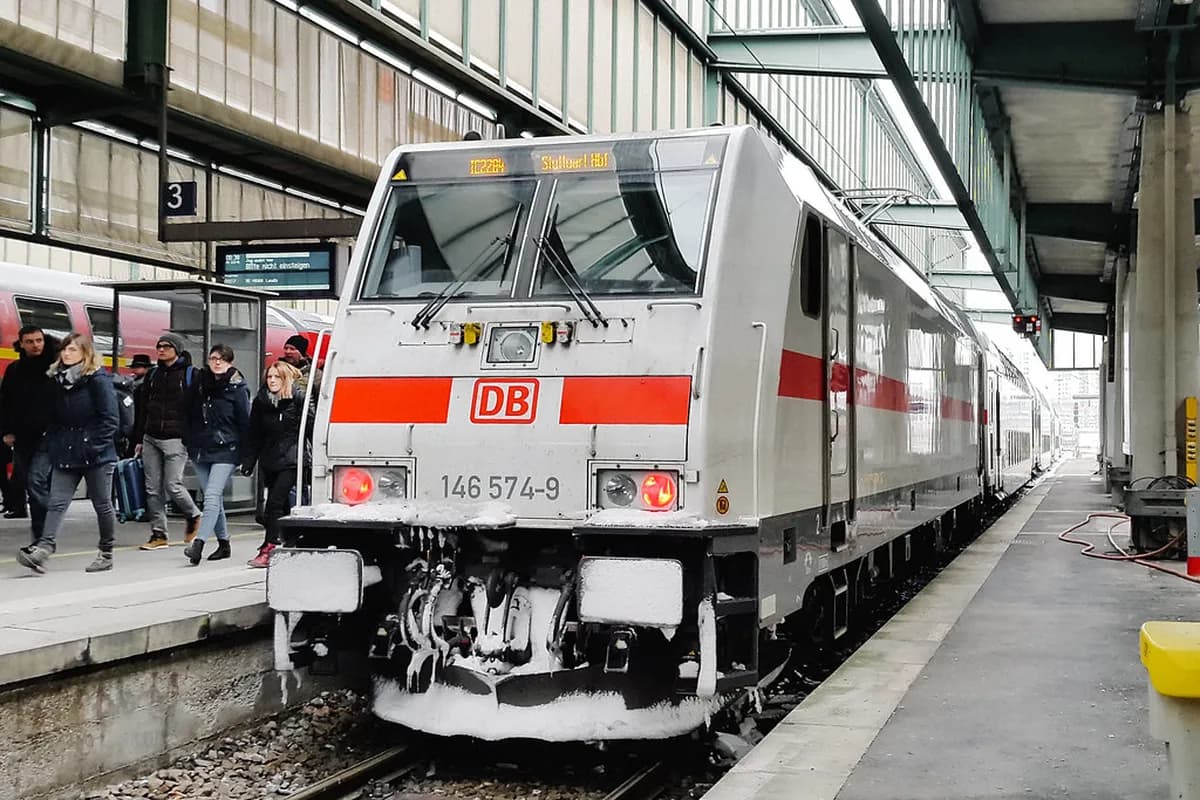
The Aachen Hauptbahnhof (Central Station) serves as the primary gateway for those arriving by rail from other German cities. Located on the southern edge of the city center, it connects travelers to local buses and regional express trains. Walking to the Elisenbrunnen area takes about fifteen minutes, making it a convenient starting point for sightseeing. Frequent services to Cologne and Düsseldorf depart from here multiple times every hour.
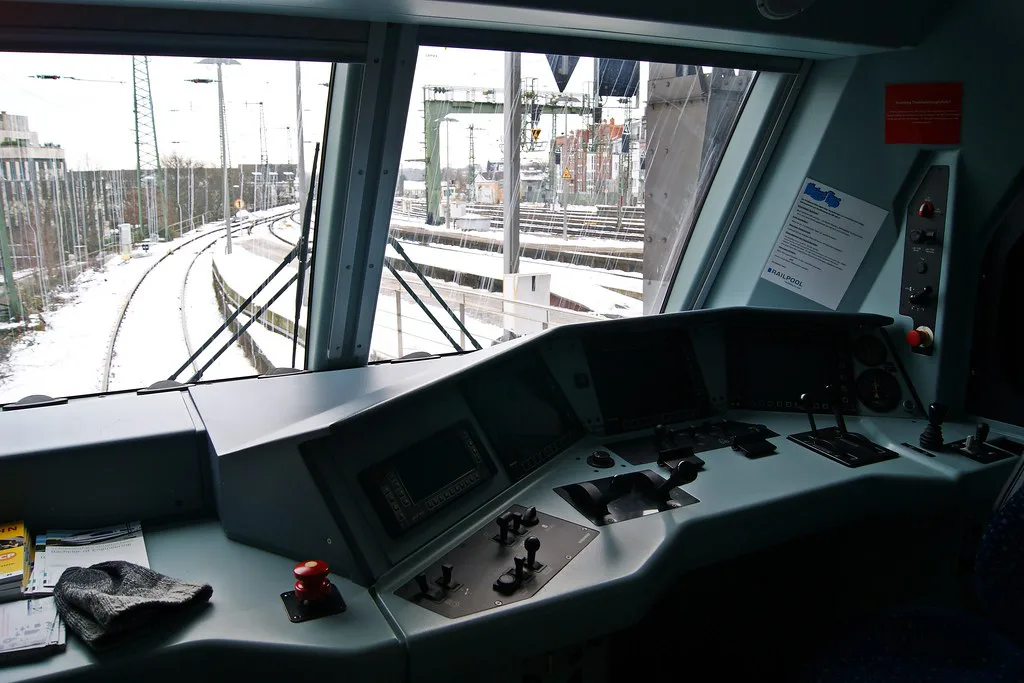
The Aachen Bushof (Central Bus Station) acts as the main transfer point for nearly all local bus lines. Situated in the heart of the city, this multi-level terminal can feel busy during peak morning and afternoon hours. Digital displays provide live departure times for lines heading to every district and even across the borders. Most visitors will find themselves at this hub when switching between the university campus and the old town.
Aachen West and Aachen Schanz are two smaller stations that cater primarily to students and commuters. Aachen West is perfectly positioned for those heading to the RWTH Hörn or Melaten campuses. Schanz offers the quickest pedestrian access to the western part of the historic city ring. Checking the AVV (Aachener Verkehrsverbund) website helps confirm which station is closest to your specific destination.
Navigating the ASEAG Bus Network
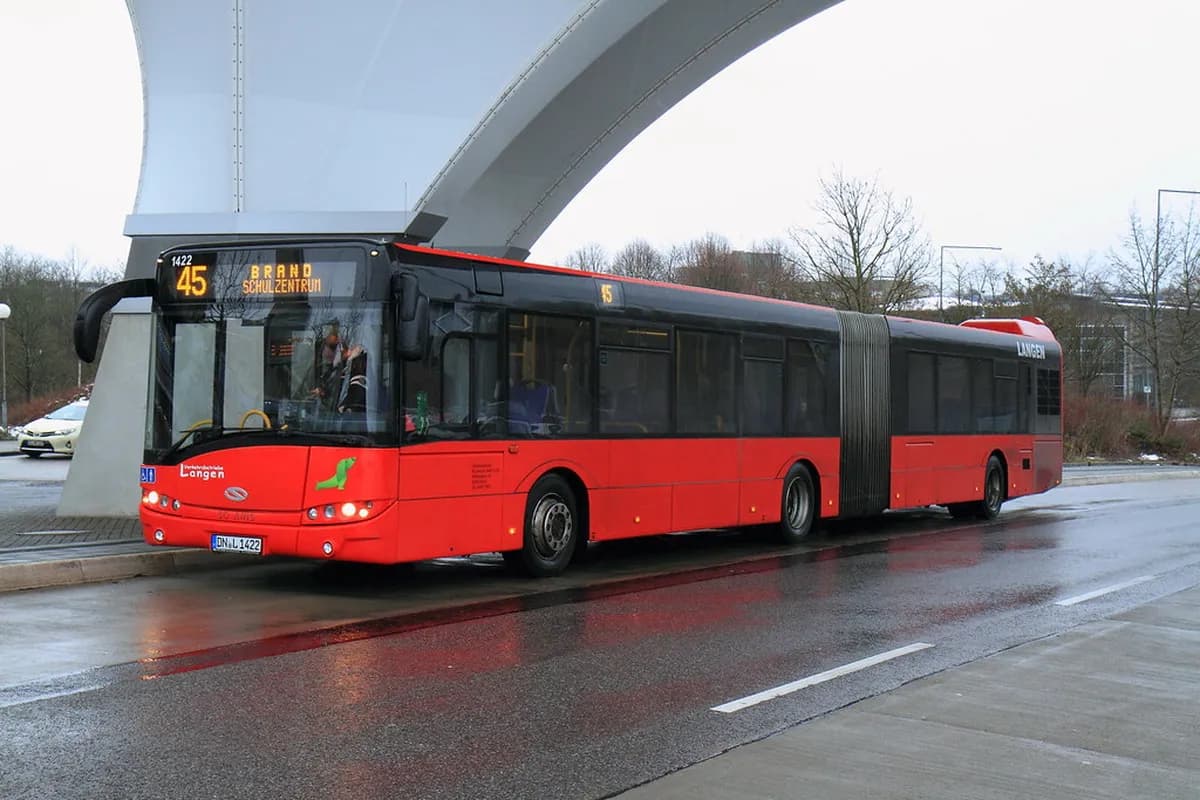
The ASEAG (Aachener Straßenbahn- und Energieversorgungs-AG) operates a dense network of over 60 bus lines. Buses are the backbone of Aachen public transport since the city lacks a traditional metro system. Most lines run every 7 to 15 minutes during the day, ensuring minimal wait times for passengers. You can identify your bus by its red and white livery and the clear destination signage on the front.
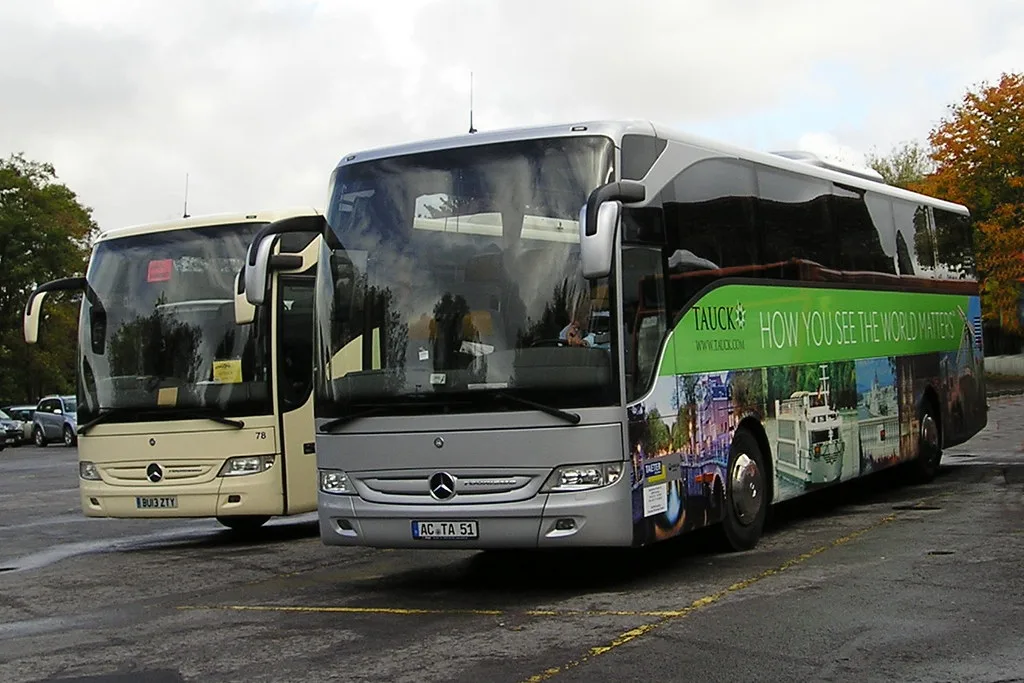
Night bus services, known as N-lines, provide vital transport after the standard schedule ends at midnight. Lines like the N60 or N6 are particularly popular with students and late-night workers during weekends. These buses typically depart from the Bushof and follow circular routes to the outer residential districts. Refer to the ASEAG Official Site for the specific late-night timetables which change on Friday and Saturday nights.
The movA app is the best digital tool for tracking bus movements and purchasing mobile tickets. It integrates real-time data so you can see exactly when your next bus will arrive at the stop. Using this app prevents the frustration of missing a connection due to unexpected traffic delays. Many locals prefer it over the standard DB Navigator for its focus on specific Aachen city routes.
Regional and International Train Connections
Regional Express lines like the RE1 and RE9 connect Aachen to the Rhine-Ruhr metropolitan region. The RE1, also known as the NRW-Express, is a fast way to reach Cologne in approximately 50 minutes. These trains run hourly and offer plenty of space for commuters and travelers with luggage. Always check for platform changes on the digital boards at the Hauptbahnhof before your departure.
International travel is a major highlight of the Aachen train station experience. High-speed Eurostar (formerly Thalys) and ICE trains stop here on their way to Brussels and Paris. You can reach the Belgian capital in just over an hour, making day trips incredibly feasible. Booking these international tickets in advance usually results in significant cost savings compared to last-minute fares, and our getting around Europe overview explains how these cross-border rail links fit into the wider continental network.
Local regional trains also serve smaller towns in the Eifel region and across the border into Belgium. The RB20, known as the euregiobahn, connects Aachen with Stolberg, Eschweiler, and Alsdorf. It is a reliable option for exploring the scenic outskirts of the city without needing a car. Review our public transport guides to see how these regional systems compare to other German cities.
Understanding Ticketing, Fares, and the Deutschlandticket
Since 1 June 2026, Aachen fares run on the new Rheinlandtarif (Rhineland tariff), which replaced the old AVV (Aachener Verkehrsverbund) and Cologne-area VRS systems with a single, simplified structure of three price levels plus a short distance. A standard single ticket (EinzelTicket) within Aachen costs around €3.70, while a short-trip ticket (Kurzstrecke) — valid for your boarding stop plus up to four more — is about €2.50. You can buy both from machines at major stops or in the movA app. Helpfully, the day's spend is capped at €27.80 across the whole Rheinland network, so you never overpay by buying individual rides.
The Deutschlandticket has revolutionized how residents and frequent visitors use Aachen public transport. As of January 2026 it costs €63 per month (up from €49), and this digital subscription allows unlimited travel on all local and regional transit across Germany — the same ticket that covers, for instance, the buses and trams in our Leipzig public transport guide. It is valid on every ASEAG bus and regional train like the RE1, though not on high-speed ICE or Eurostar services. Most students at RWTH and FH Aachen receive a discounted Semesterticket that functions as a nationwide transit pass.
Visitors staying for a few days should consider the 24-hour ticket for maximum flexibility. This option allows for unlimited rides within the selected zones and often pays for itself after three trips. Groups of up to five people can save even more by purchasing a 24-hour group ticket. Consult the City of Aachen Mobility Portal for current fare tables and seasonal promotions.
| Ticket | Price (2026) | Validity | Best for |
|---|---|---|---|
| Kurzstrecke (short trip) | ~€2.50 | Boarding stop + up to 4 more | One or two short hops |
| EinzelTicket (single) | ~€3.70 | One-way, within Aachen | Occasional one-off ride |
| 24-Stunden-Ticket / day cap | Capped at €27.80 | Unlimited rides, 24h / one day | Tourists doing 3+ rides |
| Park+Ride-Ticket | €5 (up to 5 people) | Round-trip bus from P+R site | Drivers parking on the edge |
| Deutschlandticket | €63 / month | All ASEAG buses + regional trains, nationwide | Regular users, longer stays |
- Single Trip Ticket (EinzelTicket)
- Type: One-way travel
- Best for: Occasional riders
- Where: App, machine, or driver
- Cost: Approx. €3.70 (€2.50 Kurzstrecke short-trip)
- Day Ticket (24-Stunden-Ticket / price cap)
- Type: Unlimited daily, capped fare
- Best for: Tourists doing 3+ rides
- Where: movA app or ticket machines
- Cost: Capped at €27.80 across the Rheinland network
- Deutschlandticket (Monthly)
- Type: Nationwide subscription
- Best for: Regular users and longer stays
- Where: Online/movA app
- Cost: €63.00 (since January 2026)
Park + Ride (P+R) for Drivers
If you arrive in Aachen by car, the city's Park + Ride (P+R) scheme lets you leave the vehicle on the edge of town and finish the trip by bus, avoiding the congested old-town ring. The City of Aachen runs five official P+R sites: Tivoli (Krefelder Straße), Westfriedhof (Vaalser Straße), Hangeweiher (Hermann-Löns-Allee), Waldfriedhof (Monschauer Straße), and Jülicher Straße at the Berliner Ring. The single Park+Ride-Ticket costs €5 and covers the round-trip bus ride into the centre for up to five people, so it is excellent value for families.
The largest car park is at the Tivoli stadium with around 1,200 spaces; lines 51 and X51 run every 10–15 minutes (every 7.5 minutes on Saturdays) and reach the Bushof in about 11 minutes. From Westfriedhof (179 spaces) buses leave every 5–10 minutes toward Elisenbrunnen and the Bushof, roughly a 14-minute ride, while Hangeweiher (120 spaces) connects to Elisenbrunnen in about nine minutes. One caveat: the Tivoli garage is closed to P+R parking on Alemannia Aachen home-match days, so check the football calendar before relying on it.
Cross-Border Travel to the Netherlands and Belgium
Aachen is famous for its 'Three-Country Point' where Germany, Belgium, and the Netherlands meet. Line 50 is a dedicated bus route that connects Aachen Bushof directly to Maastricht in the Netherlands. The journey takes about an hour and offers a scenic view of the Limburg countryside. It is a popular choice for commuters and weekend shoppers looking for a Dutch atmosphere.
Line 14 provides a direct link to Eupen, the capital of the German-speaking region of Belgium. Buses depart regularly from the Elisenbrunnen stop and the Hauptbahnhof. Travelers should note that while German tickets often work to the border, specific cross-border fares may apply. Check the AVV (Aachener Verkehrsverbund) site for the latest 'euregio' ticket prices.
Reaching the Dreiländereck (Three-Country Point) is easiest by taking Line 4 to Vaals. From the center of Vaals, a short hike or a seasonal shuttle bus leads to the exact border monument. This area features a labyrinth and several cafes, making it a great outdoor destination. Ensure you carry identification, as you will technically be crossing international borders during your visit.
Electric Scooters and Car Sharing Options
Shared mobility has become a core component of the Aachen public transport landscape in recent years. E-scooter providers like Tier and Voi have hundreds of units scattered throughout the city center. These are ideal for covering the 'last mile' between a bus stop and your final destination. Always remember to park scooters in designated zones to avoid fines from the city authorities.
The movA app serves as a central platform for booking these diverse shared transport options. Users can unlock scooters, book car-sharing vehicles, and buy bus tickets within a single interface. This integration reduces the need to download multiple apps for different service providers. Setting up an account requires a valid ID and a payment method like a credit card or PayPal.
Cambio is the primary car-sharing service for those who occasionally need a vehicle for larger errands. Stations are located near the Hauptbahnhof and various residential neighborhoods like Frankenberger Viertel. It offers a sustainable alternative to private car ownership for residents of the densely populated city center. Refer to the German Road Safety Guide if you are unfamiliar with local driving regulations.
Frequently Asked Questions
What is the best app for Aachen public transport?
The movA app is highly recommended for its real-time bus tracking and integrated booking for e-scooters. It provides accurate departure times and allows you to buy tickets digitally. For regional train schedules, the DB Navigator remains a reliable secondary option for travelers.
How do I get from Aachen to Maastricht by bus?
You should take Line 50, which departs from the Aachen Bushof and stops at the Hauptbahnhof. The trip takes approximately one hour and terminates at Maastricht Station. It is an affordable way to cross into the Netherlands without a car.
Does the Deutschlandticket work on all Aachen buses?
Yes, the Deutschlandticket is valid on all local ASEAG bus lines and regional trains within the city. It also covers some cross-border routes like the bus to Vaals. However, it cannot be used on high-speed international trains like the Eurostar. Check reims-public-transport for more on European rail.
How do the night buses work in Aachen?
Night buses, marked with an 'N', start running after midnight on weekends and before public holidays. Most N-lines depart from the Bushof every hour to serve major residential districts. They ensure that students and late-night visitors can return home safely after standard services end.
Aachen public transport offers a reliable and comprehensive way to explore this historic border city. From the extensive ASEAG bus network to the convenience of the Deutschlandticket, getting around is simple. The integration of shared mobility through the movA app further enhances the travel experience for everyone. Whether you are heading to a lecture or a cross-border adventure, these transit options have you covered.
Remember to check real-time schedules to avoid delays during peak commuting hours. Utilizing the central Bushof and Hauptbahnhof hubs will make your transitions between lines seamless. We hope this guide helps you navigate Aachen with confidence and ease during your stay. Safe travels as you discover everything this unique three-country region has to offer.
Free: The European City Transport Cheat Sheet
Airport-to-centre, the best ticket to buy, and the one local gotcha — for 5 European cities, plus the universal rules for trams, ferries, and parking.
You might also like


Continue reading
More guides you'll find useful