Segovia Public Transport Guide: How to Get Around
Master Segovia public transport with our guide to AVE trains, Avanza buses, and local routes. Includes pricing, booking tips, and travel times for a perfect day trip.
 By Marco Bellini
On this page
Segovia Public Transport Guide
TL;DR: From Madrid, take the high-speed AVE/Avlo train (~28 min, ~€14) if you value time, or the Avanza bus from Moncloa (~90 min, ~€5) if you value money or want to arrive in the centre. Inside Segovia, the historic core (Aqueduct → Cathedral → Alcázar) is walkable; for everything else use the Avanza urban buses — 12 daytime lines, flat €1.15 per ride. The one trap: the AVE station (Segovia-Guiomar) is 5 km outside town, so take city Line 11 (timed to trains) to reach the Aqueduct.
I’ve visited Segovia several times from Madrid, and the transport choice completely changes the rhythm of your day. This guide is current for 2026 and reflects the latest routes, fares, and ticketing rules for visiting this UNESCO site. While the city is famous for its Roman Aqueduct, many visitors struggle with the distance between the train station and the centre — I once nearly missed my return train because I didn't account for the shuttle ride back to the outskirts. Below, every option is laid out so you avoid those pitfalls and maximize your time at the Alcázar and the Cathedral.
Free: The European City Transport Cheat Sheet
Airport-to-centre, the best ticket to buy, and the one local gotcha — for 5 European cities, plus the universal rules for trams, ferries, and parking.
How Far is Segovia from Madrid?
Segovia sits roughly 90 kilometers (56 miles) northwest of Madrid, separated by the scenic Sierra de Guadarrama mountains. This distance makes it one of the most accessible and popular day trips for those staying in the capital. You can cross this distance in as little as 28 minutes using the high-speed rail network.
The bus route takes significantly longer, usually requiring about 80 to 90 minutes depending on traffic conditions. Choosing between these modes depends entirely on whether you prioritize your travel budget or your precious sightseeing time, a trade-off we unpack in our wider getting around Europe overview. Most public transport guides suggest the train for speed, but the bus offers better city-center access.
Comparing your options is vital before you head to the station on a busy Saturday morning. The AVE train costs roughly €14 / ~$15 each way, while the bus is cheaper at €5 / ~$5.50. Trains depart every 30–60 minutes, whereas buses from Moncloa run every 15–30 minutes during peak hours.
| Option | Departs from | Journey time | One-way fare | Arrives at | Frequency |
|---|---|---|---|---|---|
| AVE / Avlo train | Madrid Chamartín | ~28 min | ~€14 / ~$15 | Guiomar (5 km out — needs Line 11) | Every 30–60 min |
| Avanza bus | Madrid Moncloa | ~80–90 min | ~€5 / ~$5.50 | Segovia Bus Station (5 min walk to Aqueduct) | Every 15–30 min |
How to Get to Segovia by Train
Quick Answer: The high-speed Alvia or AVE train is the best default, taking 28 minutes for €14 / ~$15. Budget travelers might prefer the Avanza bus, which takes 90 minutes but costs only about €5 / ~$5.50. Always check the Turismodesegovia.com site for the most recent holiday schedule adjustments.
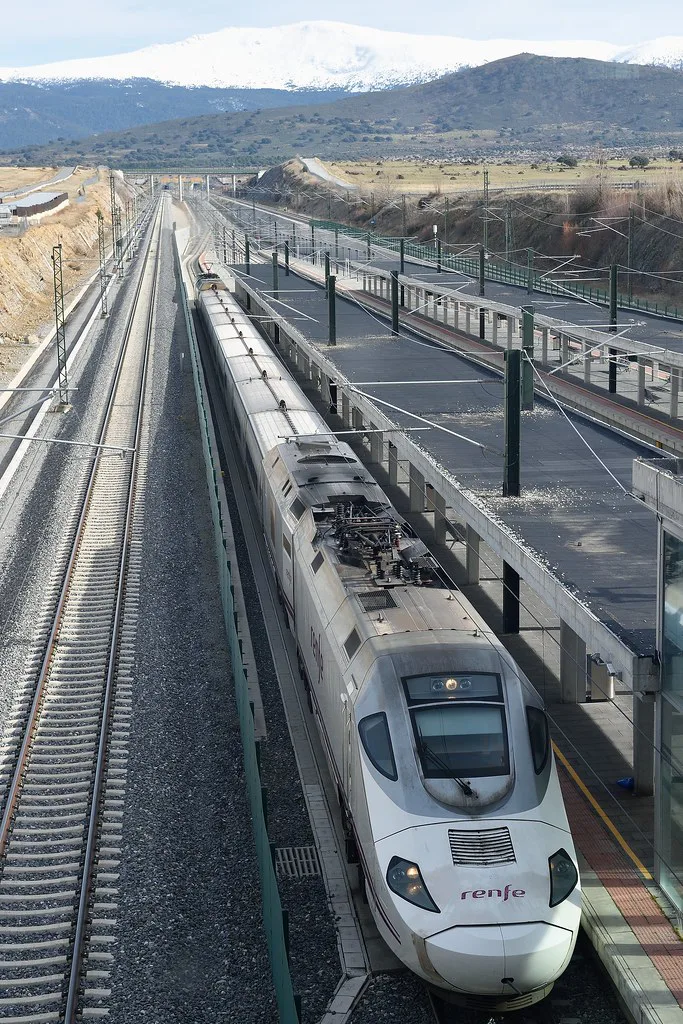
The most critical thing to know is that the high-speed station, Segovia-Guiomar, is 5km from the Aqueduct. You cannot walk from this station to the historic center, so you must use the local shuttle buses. These shuttles are timed to meet arriving trains, ensuring a seamless transition for tourists and commuters alike.
I recommend booking your train tickets at least a week in advance if you plan to visit on weekends. The afternoon return trains to Madrid often sell out by midday, leaving stranded travelers searching for bus alternatives. Using the official Renfe app is the easiest way to manage your digital tickets and check for delays.
- Step 1: Depart from Madrid Chamartín Station
- Head to the Chamartín-Clara Campoamor station in northern Madrid via Metro lines 1 or 10.
- Expect to pay around €14 / ~$15 for a one-way high-speed ticket to Segovia.
- Arrive 20 minutes early to pass through the mandatory security baggage scan for high-speed platforms.
- Step 2: Arrive at Segovia-Guiomar Station
- The journey takes exactly 28 minutes through the Guadarrama tunnel, arriving at the modern Guiomar terminal.
- Typical travel time is very consistent, though winter snow in the mountains occasionally causes minor delays.
- Avoid looking for the Aqueduct here as the station is located in an empty field outside town.
- Step 3: Board the City Shuttle Bus
- Exit the station and look for the Line 11 or Line 12 buses parked directly outside.
- The shuttle costs €1.03 / ~$1.10 and takes about 15 minutes to reach the Roman Aqueduct.
- Make sure to have small coins ready as drivers rarely have change for €20 notes.
- Step 4: Disembark at the Aqueduct Stop
- Get off at the 'Plaza de Artillería' stop, which is located right at the base of the monument.
- The bus typically runs every 15 minutes to align with the high-speed train arrival schedule.
- Don't forget to check the return bus times posted at the stop before you start walking.
How to Get to Segovia by Bus
The bus is the best option for those who want to arrive directly in the city center. Avanza operates this route from the Moncloa Interchange, a massive underground terminal in western Madrid. Unlike the train, the bus station in Segovia is just a five-minute walk from the famous Roman Aqueduct.
To find the departure gates, head to the lowest level of the Moncloa station following signs for 'Autobuses'. I found the signage a bit confusing my first time, so look for the Avanza-branded ticket kiosks. You can find more logistics details at Spain.info regarding the terminal layout.
Buses are generally modern with free Wi-Fi and air conditioning, making the 90-minute ride quite comfortable. This is the cheapest way to travel, especially for families or large groups watching their spending. Check out our Zaragoza public transport guide if you are planning further travel across Spain.
How to go from Segovia to the Palace of La Granja
The Royal Palace of La Granja de San Ildefonso is a stunning detour located 11km from Segovia. Known as the 'Versailles of Spain,' it is easily reached using the M8 metropolitan bus line. Buses depart from the main Segovia Bus Station located on Paseo de Ezequiel González.
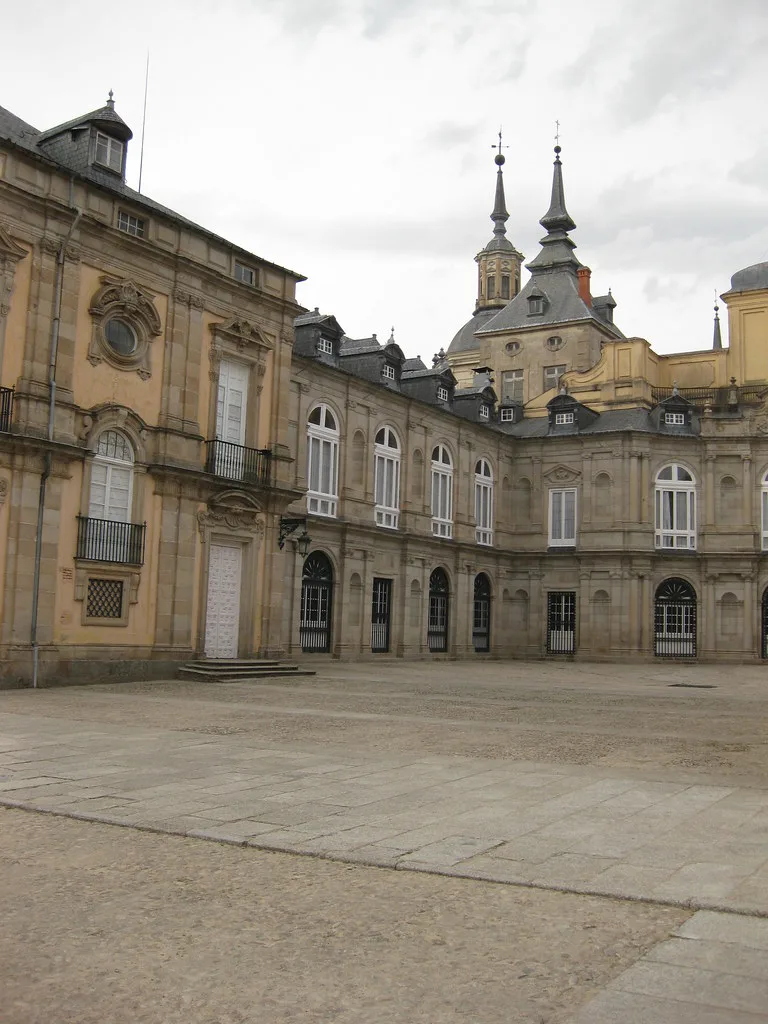
The journey takes about 20 minutes and costs roughly €1.50 / ~$1.65 per person. During the week, buses run every 30 to 45 minutes, but frequency drops significantly on Sundays. Consult kanoa.Org.uk for local insights on the best palace fountain shows.
Visiting the gardens is free, but the palace interior requires a separate ticket and timed entry. I highly recommend taking the morning bus to beat the crowds that arrive from Madrid by noon. The M8 bus is reliable, but always verify the last return bus time with the driver upon arrival.
Segovia for a day: Useful tips for visiting Segovia
The historic center of Segovia is best explored on foot due to its narrow, winding medieval streets. Most major attractions, from the Aqueduct to the Alcázar, are connected by a single pedestrian-friendly spine. Wear comfortable shoes as the walk from one end of the old town to the other involves hills.
If your legs get tired, the local 'Circular' bus lines can help you navigate the outer city walls. Tickets for local city buses are bought directly from the driver using cash or contactless cards. For more regional tips, see our Bari public transport guide for similar historic city layouts.
While COVID-19 restrictions have largely vanished, local best practice still suggests carrying a mask for medical settings. Hand sanitizer stations remain common in museums and public transport hubs for your convenience. Spanish health protocols are now very relaxed, but respecting local space in crowded buses is always appreciated.
Getting Around Segovia on the Local Urban Buses
While the old town is best on foot, the city's outer neighborhoods, the bus station, and the Guiomar AVE station are all connected by Segovia's urban bus network, operated by Avanza. There are 12 daytime lines running every day of the year, including Sundays and public holidays — so you're never stranded if your legs give out after the climb to the Alcázar.
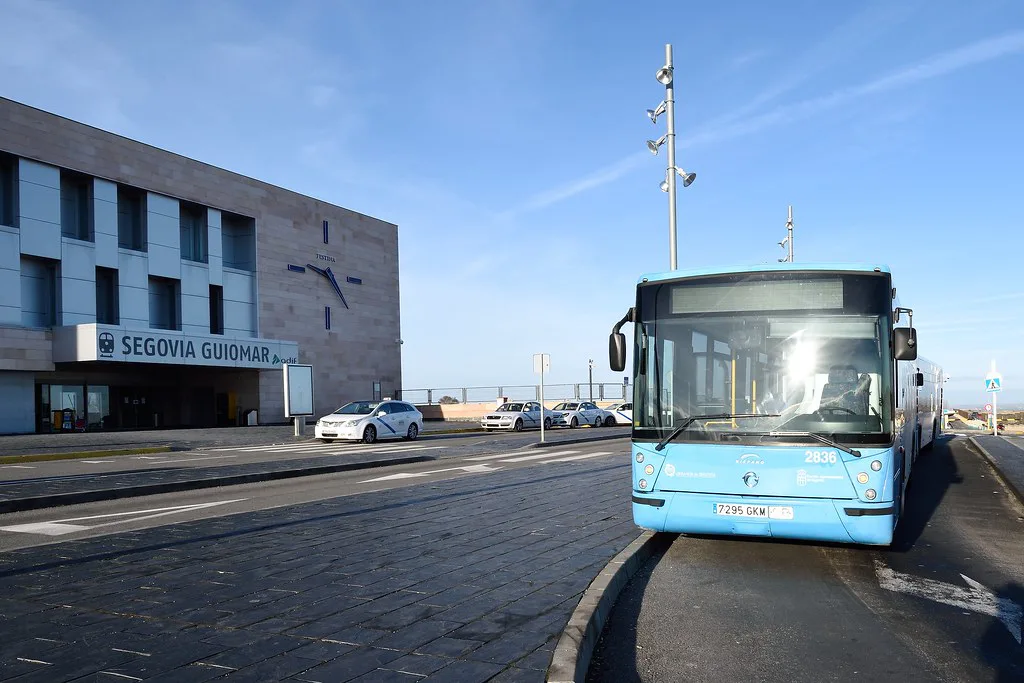
A single ride costs a flat €1.15 / ~$1.25, bought from the driver in cash or by contactless card; there are no zones, so the same fare covers any trip across the city. If you'll ride often, the rechargeable Tarjeta Abono Transportes (about €2 for the card, topped up in €5 increments) drops the per-ride cost. Segovia keeps things simple with a flat-fare bus network — much smaller than the zoned, multi-mode systems in bigger cities, as our Bilbao metro guide shows. Real-time arrivals show up in the Moovit app or on the official Avanza Segovia site.
- Line 11 — the one tourists actually need: links the Segovia-Guiomar AVE station with the city centre (Aqueduct), timed to meet arriving trains, ~15–20 min.
- Hours & frequency: weekdays roughly 07:00–22:30 every ~15 min; weekends from ~08:00 to 22:45 every ~30 min.
- Night bus (Line B): Fridays, Saturdays, and the eve of public holidays only, running 23:00–06:00 with one departure per hour.
One thing first-timers miss: the urban buses (city lines, €1.15) are a completely separate system from the intercity Avanza coaches to Madrid, even though both wear the Avanza brand. For day-tripping the historic core, you'll likely only use Line 11 to and from Guiomar — everything else fits in a comfortable walk.
Frequently Asked Questions
Which is better, the train or the bus to Segovia?
The train is better for speed, taking only 28 minutes from Madrid. However, the bus is cheaper and drops you directly in the city center. Choose the train if you have a limited schedule.
How do I get from Segovia train station to the Aqueduct?
Take the Line 11 or Line 12 shuttle bus from outside the Guiomar station. It costs about €1.03 and takes 15 minutes. These buses are specifically timed for train arrivals.
Can I buy Segovia bus tickets on the day of travel?
Yes, you can buy tickets at the Moncloa station kiosks or on the Avanza website. While usually available, weekend mornings can see popular times sell out quickly. Booking ahead is safer.
Mastering Segovia public transport allows you to focus on the city's incredible history rather than logistical stress. Whether you choose the rapid AVE train or the convenient Avanza bus, both options provide a reliable gateway to this UNESCO treasure. Remember to book your return trip in advance to ensure a smooth journey back to Madrid after your adventure.
Free: The European City Transport Cheat Sheet
Airport-to-centre, the best ticket to buy, and the one local gotcha — for 5 European cities, plus the universal rules for trams, ferries, and parking.
You might also like


Continue reading
More guides you'll find useful