Viterbo Public Transport: 10 Essential Tips for the City
Master Viterbo public transport with our guide to local buses, train stations, and ticket prices. Plan your trip with expert tips for tourists and business travelers.
 By Marco Bellini
On this page
Viterbo Public Transport: 10 Essential Tips for Navigating the City
Short on time? Coming from Rome, take a Trenitalia FL3 regional train (from €3.60, about 75 minutes) to Viterbo Porta Fiorentina, or the Cotral/Roma Nord line from Roma Flaminio to Viterbo Porta Romana — the latter drops you a flat 8-minute walk from the Papal Palace. Inside the walls, ride the small electric Francigena city buses: a single ticket is €1.00 from a Tabacchi (€1.50 on board), valid 75 minutes — and you must validate it or risk a €50+ fine. Driving? The historic core is a ZTL (no cars); park free at Via Faul and take the elevators up.
Navigating the medieval heart of Lazio becomes much easier once you understand these systems. The city blends ancient stone alleys with a modern network of small electric buses and two regional rail lines, each ending at a different station.
This guide covers the Rome-to-Viterbo connections, local Francigena bus routes, ticket and parking logistics, and regional Cotral links to nearby gems like Villa Lante and Civita di Bagnoregio — the clarity you need to master the city's transit layout without stress.
Free: The European City Transport Cheat Sheet
Airport-to-centre, the best ticket to buy, and the one local gotcha — for 5 European cities, plus the universal rules for trams, ferries, and parking.
How to Get from Rome to Viterbo by Public Transport
Two separate rail lines link Rome and Viterbo, and they arrive at different stations — choosing the right one saves you a long walk. The fastest is the Trenitalia FL3 / Regionale from Roma Tiburtina (calling at Roma Ostiense and Trastevere) to Viterbo Porta Fiorentina, taking roughly 1 hour 50 minutes on the main line via Bracciano, with tickets from about €5–7 in 2026.
The alternative is the Lazio-region Roma Nord (Cotral/ASTRAL) line from Roma Piazzale Flaminio to Viterbo Porta Romana, the station nearest the medieval center. Extra-urban departures run roughly hourly and cost around €5.30; it is slower (about 2 hours 20 minutes) but lands you closer to the Papal Palace. If you are coming on a high-speed train, change at Orte and take the short Regionale hop to Viterbo. Check the Trenitalia Official Site for live FL3 schedules before you travel.
- FL3 / Regionale (Trenitalia)
- From: Roma Tiburtina / Trastevere
- To: Viterbo Porta Fiorentina
- Time: ~1h50m
- Fare: ~€5–7
- Roma Nord (Cotral / ASTRAL)
- From: Roma Piazzale Flaminio
- To: Viterbo Porta Romana
- Time: ~2h20m
- Fare: ~€5.30
| Line | Rome departure | Viterbo arrival | Time | Fare (2026) | Best for |
|---|---|---|---|---|---|
| FL3 / Regionale (Trenitalia) | Roma Tiburtina / Trastevere | Porta Fiorentina | ~1h50m | ~€5–7 | Speed, rail connections |
| Roma Nord (Cotral / ASTRAL) | Roma Piazzale Flaminio | Porta Romana | ~2h20m | ~€5.30 | Closest to old town |
Tickets, Fares, and Park & Ride (ZTL Rules)
City buses are run by Francigena, and the fare structure is simple. A single ordinary ticket costs €1.00 when bought in advance at a Tabacchi or newsstand, or €1.50 if you buy it from the driver; it is valid for 75 minutes across all urban lines. Validate it in the on-board machine the moment you board — an unstamped ticket is treated as fare evasion and triggers a fine of €50 or more. The same validate-before-you-ride rule applies to regional trains, so stamp paper tickets in the green or yellow platform machines.
Arriving by car? The walled historic center is a strict ZTL (Zona a Traffico Limitato) — driving in without a permit is fined automatically by cameras. Leave the car at the free Via Faul car park (about 190 spaces, with public elevators that lift you straight up into the old town) or the free Via Cardarelli lot, roughly a 10-minute walk away. Paid central spaces can be settled with the EasyPark app. For Renaissance day-trips, the blue Cotral coaches from the Riello terminal reach Bagnaia (Villa Lante) and Civita di Bagnoregio on distance-based fares.
- Francigena City Bus Fares
- Single (Tabacchi): €1.00
- On board: €1.50
- Validity: 75 minutes
- Fine (no validation): €50+
- Parking & ZTL
- Free lot: Via Faul (elevators)
- Free lot: Via Cardarelli
- Old town: ZTL — no cars
- Paid app: EasyPark
Must-See Viterbo Attractions (Transit Access)
The historic center of Viterbo is remarkably compact, but reaching the San Lorenzo Cathedral requires navigating a steep incline. Most travelers prefer taking the circular electric buses that weave through the narrow San Pellegrino quarter.
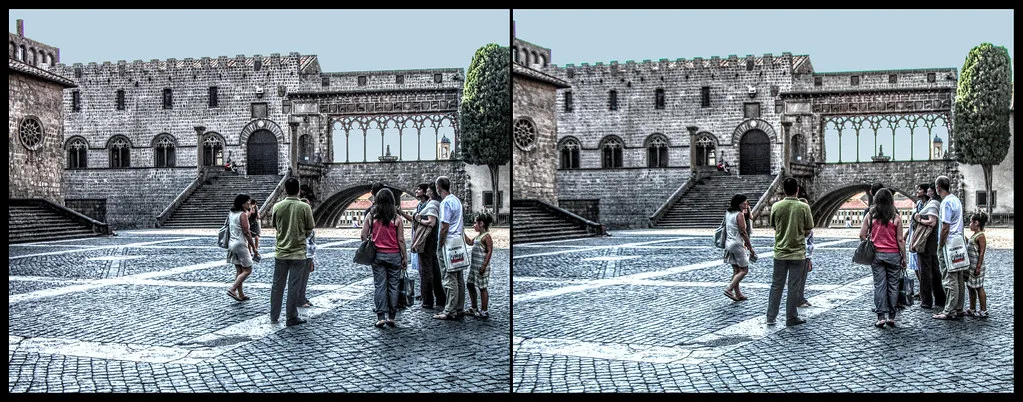
The Palazzo dei Papi stands as the city's crown jewel and is best accessed from the Viterbo Porta Romana station. Walking from this station takes less than ten minutes, making it the most efficient entry point for day-trippers.
Check Italy's official tourism website for seasonal opening hours of these major monuments. Many sites adjust their access rules during religious festivals or local holidays in 2026.
- San Lorenzo Cathedral Access
- Station: Porta Romana
- Bus Line: Circolare Centro
- Walk Time: 8 minutes
- Cost: Free to enter
- Palazzo dei Papi Route
- Entry: Piazza San Lorenzo
- Access: Pedestrian only
- Nearby Bus: Line 1C
- Tip: Use the lift
Museums, Art, and Culture in Viterbo (Bus Routes)
Cultural enthusiasts should focus on the Francigena bus network to reach outlying galleries and museums. The Museo Civico Rossi Danielli houses incredible Etruscan artifacts and sits just outside the main pedestrian zone.
Line 11 and Line 12 frequently serve the areas surrounding the city walls where larger cultural centers are located. These buses run every 20 to 30 minutes during standard weekday business hours.
If you have visited other Italian hubs, you might find this system simpler than Bari public transport due to the smaller fleet. Always remember to purchase your tickets at a 'Tabacchi' shop before boarding the vehicle.
- Museo Civico Logistics
- Stop: Piazza Crispi
- Lines: 11, 12, 13
- Frequency: 20 minutes
- Fare: 1.00 Euro
- Colle del Duomo Museum
- Stop: Piazza Martiri
- Lines: Circolare Destra
- Access: Near Cathedral
- Type: Art & Archeology
Parks, Gardens, and Outdoor Spots in Viterbo
Reaching the thermal springs is a top priority for many visiting this volcanic region of Lazio. The famous Terme dei Papi is serviced by a dedicated shuttle and the Francigena Line 2 bus.

Prato Giardino offers a lush escape near the Porta Fiorentina gate for those seeking a quiet afternoon. This park is easily reachable on foot from the main regional train hub in just five minutes.
For a longer excursion, the Cotral regional buses depart from the Riello terminal toward the stunning gardens of Villa Lante. Consult Lonely Planet's Viterbo Travel Guide for detailed descriptions of these Renaissance landscapes.
- Terme dei Papi Transit
- Bus: Line 2
- Departure: Piazza Martiri
- Duration: 15 minutes
- Fare: Standard local
- Villa Lante Connection
- Operator: Cotral
- Destination: Bagnaia
- Travel Time: 10 minutes
- Frequency: Hourly
How to Plan a Smooth Viterbo Attractions Day
A successful day in Viterbo starts with choosing the correct arrival station based on your fitness level. Porta Romana drops you at the southern end of the center, which is mostly flat and easy to navigate.
Porta Fiorentina serves as the main hub for regional trains and is better for those heading to the modern commercial districts. You can find more comprehensive public transport guides to help compare these Italian rail nuances.
Validation is the most critical step for any traveler using Viterbo public transport or regional rail. Failure to stamp your ticket in the yellow or green machines can result in immediate fines exceeding 50 Euros.
- Station Comparison Guide
- Porta Romana: Best for Tourism
- Porta Fiorentina: Best for Connections
- Walking Distance: 15 minutes apart
- Services: Bar and Toilets
- Ticket Validation Steps
- Step 1: Buy at Tabacchi
- Step 2: Find the machine
- Step 3: Insert ticket
- Step 4: Keep until exit
Getting Around in Viterbo: Business Travel Options
Business travelers often require more speed and reliability than the local circular buses provide. Taxis are available at both train stations, though they are rarely found cruising the streets for hails.
Booking a ride in advance is highly recommended for time-sensitive meetings at the University of Tuscia or government offices. Most local drivers prefer phone bookings over international ride-sharing applications.
The regional trains to Rome are generally punctual and provide a quiet environment for working during the two-hour journey. Check the Trenitalia Official Site for the latest schedules and high-speed connections from nearby Orte.
- Taxi Services in Viterbo
- Main Rank: Porta Fiorentina
- Booking: Phone required
- Wait Time: 5-10 minutes
- Payment: Cash preferred
- Regional Rail Efficiency
- Route: Viterbo to Rome
- Frequency: Every 30-60 mins
- Seats: Usually available
- Power: On newer trains
Public Transport in Viterbo: Navigating the City
The local bus system, operated by Francigena, is designed to navigate the extremely narrow streets of the medieval core. These small electric vehicles are quieter and cleaner than traditional diesel buses found in Catania public transport networks.
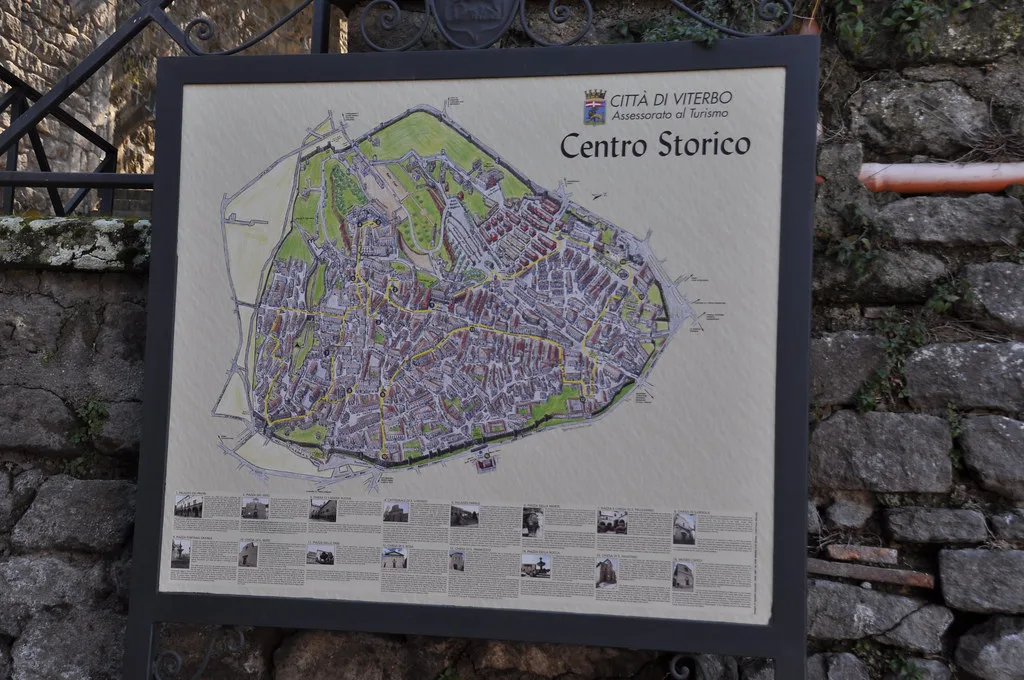
Cotral buses handle the blue-colored regional routes that connect Viterbo to the rest of the Lazio province. These depart primarily from the Riello bus terminal, located about a 15-minute walk from the city center.
Understanding the difference between the 'Circolare' (circular) and 'Linea' (linear) routes is essential for efficient travel. Circular routes are perfect for sightseeing as they return to their starting point near the main gates.
- Francigena Bus Details
- Type: Local Electric
- Tickets: 1.00 Euro
- Duration: 75 minutes
- Sale: Bars/Tabacchi
- Cotral Regional Info
- Type: Blue Coaches
- Tickets: Distance-based
- Hub: Riello Terminal
- App: Cotral Spa
Frequently Asked Questions
Which train station is closest to Viterbo city center?
Viterbo Porta Romana is the closest station to the medieval center and the Papal Palace. It is located just outside the southern city walls, making it ideal for tourists. Viterbo Porta Fiorentina is further north and serves as the main hub for regional travel. For more on regional hubs, see our Reims transport guide.
How much does a bus ticket cost in Viterbo?
A single local bus ticket for the Francigena network costs 1.00 Euro when purchased at a Tabacchi shop. If you buy the ticket directly from the driver, the price usually increases to 1.50 Euro. Tickets are valid for 75 minutes across all local lines within the city limits.
Are there electric buses in Viterbo's old town?
Yes, Viterbo utilizes a fleet of small electric buses specifically designed for the narrow medieval streets. These 'Circolare' lines are environmentally friendly and quiet, providing easy access to the San Pellegrino district. They are the best option for visitors with limited mobility navigating the cobblestones.
Mastering Viterbo public transport allows you to experience the authentic charm of Lazio without the stress of driving. By choosing the right train station and utilizing the Francigena electric buses, you can see the city's best sites efficiently.
Remember to always validate your tickets and keep some small change for purchases at local shops. Whether you are visiting for business or the thermal baths, these transit options provide a reliable way to explore.
For more inspiration on navigating historic European cities, explore our travel blog for expert advice. Safe travels as you discover the historic streets and papal history of Viterbo.
Free: The European City Transport Cheat Sheet
Airport-to-centre, the best ticket to buy, and the one local gotcha — for 5 European cities, plus the universal rules for trams, ferries, and parking.
You might also like



Continue reading
More guides you'll find useful