Trier Public Transport Travel Guide
Plan trier public transport with top picks, neighborhood context, timing tips, and practical booking advice for a smoother trip.
 By Marco Bellini
On this page
Trier Public Transport
Short on time? Here's the decision in one line: Trier's old town is small and walkable, so most visitors only need a few bus rides — buy a 4-Fahrten-Ticket (4 single trips for €6) in the city, or if you are doing several museums, the Trier Card (3 days of free buses + attraction discounts). There is no tram or metro; everything runs on the VRT bus and regional-train network, ticketed through the free VRT app.
Pay-as-you-go in 2026: a single bus ride (EinzelTicket, price level 1) is €2.50 (rising to €2.60 from 1 March 2026), a TagesTicket Single day pass is €7.50, and a TagesTicket Gruppe for up to five people starts around €14.20 — better value than four single rides as soon as two of you travel together.
From the Hauptbahnhof it is a flat 10-minute walk to the Porta Nigra, or a 3–5 minute hop on almost any city line. The same network reaches the hilltop sites (Amphitheater, Petrisberg) that are a slog on foot, and links Trier to Luxembourg and the Moselle towns. This guide covers fares, routes, validation rules and the Trier Card so you can plan without guesswork.
Free: The European City Transport Cheat Sheet
Airport-to-centre, the best ticket to buy, and the one local gotcha — for 5 European cities, plus the universal rules for trams, ferries, and parking.
Must-See Trier Attractions
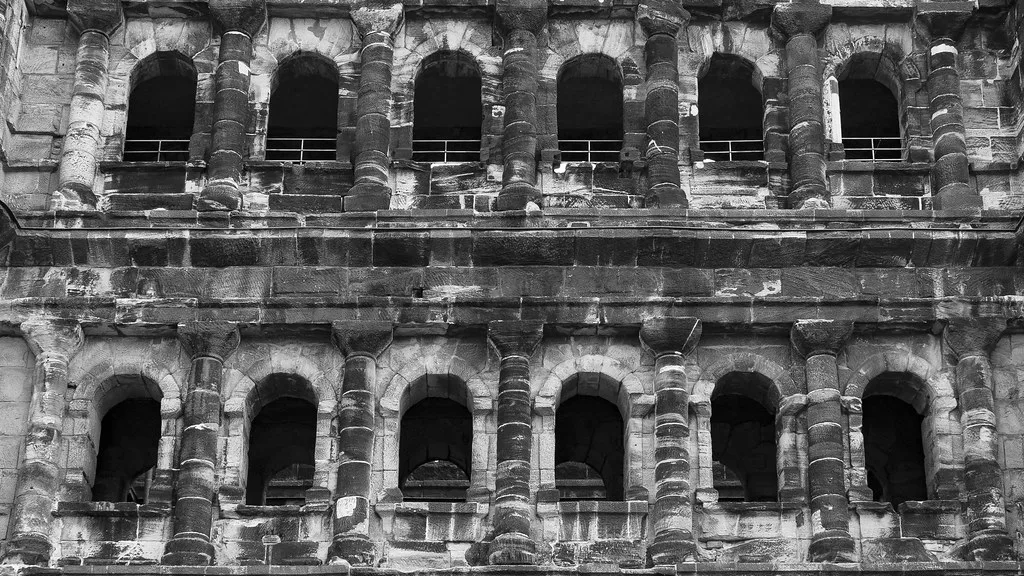
The iconic Porta Nigra stands as the gateway to the city and serves as a central transit hub. Most city buses in Trier stop within a short walking distance of this Roman gate. You can easily transition from the bus platform to the pedestrian zone to begin your historical tour. Many visitors find this the most convenient starting point for a full day of sightseeing.
The Roman Imperial Baths and the Amphitheater are located slightly further from the city center. Using the bus network saves you a long walk uphill, especially during the warm summer months. Routes 3 and 30 frequently serve these archaeological sites throughout the day. Check the digital displays at stops for real-time arrival information to minimize your waiting time.
Constantine Basilica and the Trier Cathedral are nestled close together in the heart of the old town. While the area is largely pedestrianized, several bus stops flank the perimeter of this historic district. Accessing these UNESCO sites is straightforward with a short ride from the main railway station. Similar to other public transport guides for historic cities, walking remains the best way to see the fine details between stops.
Museums, Art, and Culture in Trier
Culture enthusiasts should prioritize a visit to the Rheinisches Landesmuseum Trier for its extensive Roman mosaics. This museum is conveniently located near the Palastgarten bus stop. Several lines connect the museum district directly to the Hauptbahnhof in under ten minutes. Planning your route ahead of time ensures you spend more time with the exhibits than on the pavement.
The Treasury of the City Research Library offers a glimpse into rare medieval manuscripts and golden artifacts. It is situated near the city center, making it an easy addition to any transit-based itinerary. You can use the VRT app to find the quickest connection from your hotel. This digital tool provides accurate schedules and platform numbers for every city route.
For evening entertainment, the Theater Trier presents a diverse program of opera, ballet, and drama. The theater is well-served by evening bus lines, allowing for a safe return to your accommodation after a performance. Most performances align with the standard transit schedule, though late-night services may be less frequent. Always verify the last bus departure time before the final curtain call.
Parks, Gardens, and Outdoor Spots in Trier
The Palastgarten offers a serene escape with its manicured lawns and classical statues right next to the Basilica. It is one of the most accessible green spaces via Trier public transport. Multiple bus lines drop passengers at the edge of the park throughout the morning and afternoon. This spot is perfect for a midday break between visiting crowded Roman monuments.

Petrisberg provides breathtaking views of the Moselle Valley and the city skyline from its elevated position. Reaching this viewpoint is much easier by bus than by foot due to the steep incline. Line 4 runs regularly to the top, where you can explore the former site of the State Garden Show. Many locals use this route for weekend outings and sunset photography sessions.
Walking along the Moselle River is a favorite activity for both residents and tourists. You can take a bus to the Kaiser-Wilhelm-Brücke and walk along the banks toward the Roman Bridge. This path allows you to see the historic cranes that once served the river trade. If you prefer cycling, you can find bicycle rentals at Fahrradstation Trier near the main station.
Family-Friendly and Budget-Friendly Options in Trier
Traveling with a group often makes the VRT Day Ticket the most economical choice for families. This ticket allows up to five people to travel together for a fixed price within the city zone. It covers all city buses in Trier and regional trains within the specified area. Purchasing this at a ticket machine or via the app saves significant money compared to single fares.
Children under the age of six usually travel for free on the entire transit network. For older children, discounted fares are available to keep family outings affordable. Many attractions offer combined entry deals when you show a valid transit pass. This approach is similar to the budget strategies found in our guide for Colmar public transport users. Saving on transit allows for a larger budget for local treats like Moselle apple cake.
The city is compact enough that many free attractions are within a short bus ride of each other. Exploring the medieval Market Square or visiting the exterior of the Roman Bridge costs nothing. Use the bus to bridge the gaps between these free sites to save your energy for walking. Efficient planning ensures that a family of four can see the major highlights without overspending on logistics.
How to Plan a Smooth Trier Attractions Day
Success with Trier public transport starts with downloading the official VRT app on your smartphone. This application allows you to buy tickets digitally and view live departures for every stop. You can also watch explanatory videos to understand how the zone system works. Having your ticket on your phone eliminates the need to carry exact change for bus drivers.
Validation is a crucial step if you choose to use paper tickets purchased from machines. You must stamp your ticket in the red or yellow machines located on the bus or at the platform. Failure to validate can result in a heavy fine during random ticket inspections. Most digital tickets are activated automatically at the time of purchase or at a selected start time. Always double-check the activation status before boarding the vehicle.
Avoid traveling during the morning rush hour between 7:30 AM and 8:30 AM when students and commuters fill the buses. Mid-morning is the ideal time to start your sightseeing journey for a more comfortable experience. Buses generally run every 10 to 15 minutes on main routes during the day. This frequency makes it easy to maintain a flexible schedule without long waits at the curb.
Product information "Trier Card 2026 | Single Card
The Trier Card 2026 | Single Card is a specialized tourist pass designed for solo travelers. It provides free use of all buses within the Trier city network for three consecutive days. This inclusion makes it an excellent value for those planning to visit multiple sites across the city. You can purchase the card online or at the tourist information center near Porta Nigra.
Beyond transport, the card offers significant discounts on admission to many local museums and attractions. You can save on entry fees at the Roman ruins and the municipal museums. These savings often pay for the cost of the card after visiting just three or four major sites. It also includes reductions on certain city tours and boat trips along the Moselle.
The card is strictly personal and must be signed to be valid for inspection. It remains active for three days starting from the date you first use it or the date written on the card. For families, a specific version exists that covers two adults and up to three children. If you are exploring other regions, you might compare this to the transit passes in Dijon public transport guides. The convenience of a single pass simplifies your entire holiday logistics.
Trier Bus Tickets: 2026 Fares & Where to Buy
All city and regional travel runs on the VRT (Verkehrsverbund Region Trier) tariff, priced by distance in "price levels" (Preisstufen). For sightseeing inside Trier you stay in price level 1, so the numbers below are what most visitors actually pay in 2026:
- EinzelTicket (single ride, level 1): €2.50 — rises to €2.60 from 1 March 2026. Valid for one continuous trip, transfers included.
- 4-FahrtenTicket: 4 single city rides for €6 — the cheapest option for a typical 1–2 day visit with a handful of bus hops.
- TagesTicket Single (day pass): €7.50 — worth it from your fourth ride of the day.
- TagesTicket Gruppe: from about €14.20 for up to five people travelling together — cheaper than singles as soon as two of you ride.
- Children under 6: travel free; reduced fares apply for older children.
| Ticket (price level 1) | 2026 price | Covers | Best for |
|---|---|---|---|
| EinzelTicket (single ride) | €2.50 (€2.60 from 1 Mar 2026) | One continuous trip, transfers included | A single one-off hop |
| 4-FahrtenTicket | €6.00 | 4 single city rides | A typical 1–2 day visit (cheapest per ride) |
| TagesTicket Single (day pass) | €7.50 | Unlimited rides for one person, one day | 4+ rides in a single day |
| TagesTicket Gruppe | from ~€14.20 | Up to 5 people, one day | Two or more travelling together |
| Trier Card (Single) | tourist pass | 3 days free buses + attraction discounts | 3+ paid sights over a multi-day stay |
Where to buy: the free VRT app is the easiest — buy digitally, see live departures, and skip needing coins. Ticket machines stand at the Hauptbahnhof and major stops (cards and cash, 24/7), and drivers sell single tickets onboard (have small change ready). Validation: app tickets activate automatically at the start time you choose; paper tickets from a machine must be stamped in the on-board validator before or as you board. Inspections are frequent and the fare-evasion fine is €60, so never ride on an unstamped ticket.
Note: just across the border, all public transport in Luxembourg is free, so a VRT ticket only needs to cover the German leg of a cross-border trip — buy to the border zone, not beyond.
Buses, trains & ferries
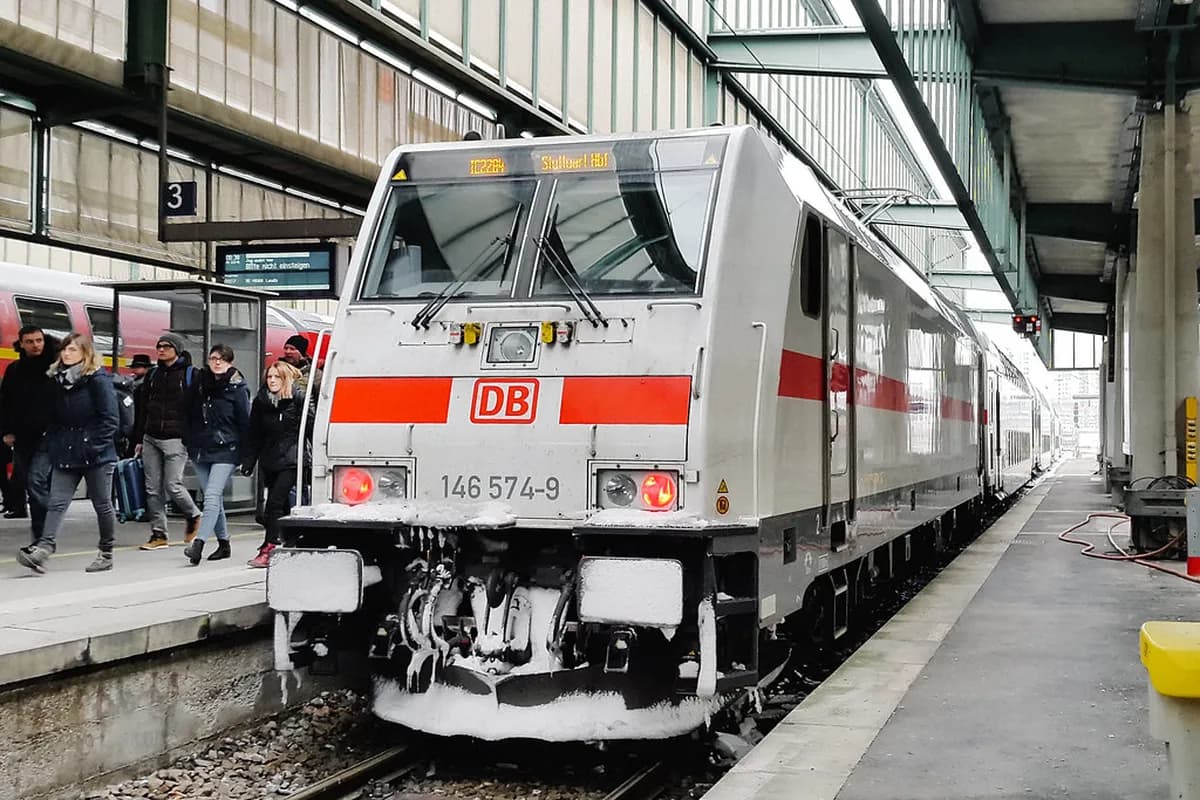
The regional train network connects Trier to nearby towns like Konz and the neighboring country of Luxembourg. You can find frequent Train connections between Konz and Luxembourg departing from Trier Hauptbahnhof. These trains are part of the VRT network, meaning certain local tickets may cover the journey to the border. This connectivity makes Trier an ideal base for exploring the wider Moselle-Saar region.
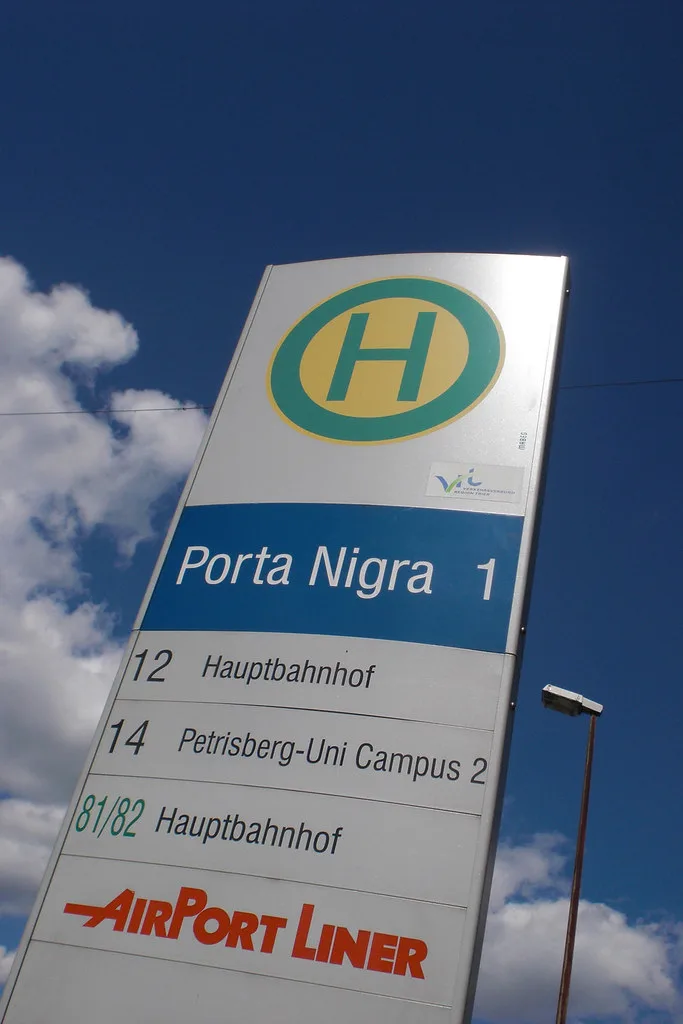
City buses form the backbone of local movement, with a network that reaches every residential and commercial district. Most lines converge at the Hauptbahnhof or the Porta Nigra stops. The vehicles are modern, low-floor models that accommodate strollers and wheelchairs easily. Drivers are generally helpful, though having your destination written down can assist if there is a language barrier.
While ferries are less common for daily commuting, seasonal boat tours operate along the Moselle River. These offer a unique perspective of the vineyards and the city's Roman bridge. Some regional transit passes may offer small discounts on these leisure cruises. Combining a bus ride to the dock with a boat trip creates a memorable sightseeing day. Check the seasonal schedules at the pier near the Zurlauben district.
Opening hours
Standard bus services in Trier operate from approximately 5:00 AM until midnight on weekdays. On Saturdays, the schedule remains frequent, though some suburban lines may start slightly later. Sunday services are less frequent, with many lines running on a 30-minute or hourly basis. Plan your Sunday excursions carefully to avoid long gaps between connections.
Night buses, known as the 'Sternbus' system, operate after midnight on weekends to serve late-night travelers. These routes radiate from the central hubs to the outer districts at specific intervals. You can find the exact departure times on the VRT app or at the main stops. This service ensures that visitors can enjoy the local wine taverns without worrying about a long walk home.
Ticket offices at the main station and near Porta Nigra typically open from 9:00 AM to 6:00 PM. Automated ticket machines are available 24/7 at major stops and accept both cards and cash. If you need personal assistance, visiting the mobility center during business hours is recommended. They can provide physical maps and personalized advice for complex regional journeys.
Frequently Asked Questions
Which Trier public transport options fit first-time visitors?
The city bus network and the Trier Card are the best options for first-time visitors. Buses cover all major Roman sites and museums with high frequency. The Trier Card adds value by combining transit with attraction discounts. You can learn more about similar regional systems in our public transport guides.
How much time should you plan for Trier public transport?
Most transit trips within the city center take between 5 and 15 minutes. If you are traveling to the outskirts or viewpoints like Petrisberg, allow 20 to 30 minutes. The network is efficient, but checking the VRT app for live times helps avoid unnecessary waiting at the stop.
What should travelers avoid when planning Trier public transport?
Avoid boarding buses without a validated ticket or a digital pass. Inspections are common and fines for fare evasion are strictly enforced. Also, try to avoid the peak school commute times in the early morning. This ensures you have a seat and a more relaxed journey between sights.
Is the Trier Card worth it for a short itinerary?
Yes, the Trier Card is highly beneficial even for a two-day stay. It simplifies the payment process for buses and offers discounts at the Porta Nigra and Imperial Baths. If you plan to visit at least three paid attractions, the card usually pays for itself. It removes the stress of buying single tickets.
Trier public transport offers a reliable and cost-effective way to experience this historic German city.
From the Roman ruins to the scenic Moselle banks, the bus and train network ensures every highlight is within reach.
By using tools like the VRT app and the Trier Card, you can focus on the history rather than the logistics.
Enjoy your journey through time in the beautiful Moselle Valley.
Free: The European City Transport Cheat Sheet
Airport-to-centre, the best ticket to buy, and the one local gotcha — for 5 European cities, plus the universal rules for trams, ferries, and parking.
You might also like


Continue reading
More guides you'll find useful