Dijon Public Transport Guide: Trams, Buses, and Biking
Master Dijon's public transport with our guide to Divia trams, buses, free shuttles, and bike rentals. Includes fare info and contactless payment tips.
 By Marco Bellini
On this page
Dijon Public Transport: A Complete Guide for Travelers
Quick answer: Dijon runs on the Divia network — 2 tram lines (T1, T2) plus buses, a free historic-centre shuttle, and bike share. For most visitors the simplest plan is to tap a contactless card on the validator (a single 1-hour trip is about €1.60 in 2026, with daily fare-capping). If you are sightseeing hard, buy a 24h pass (~€4.50) or the Dijon City Pass, which bundles transport with 30+ attractions. From the station, the T1 tram drops you in the centre in two stops; on foot it is a flat 10-minute walk.
Navigating Dijon is surprisingly simple thanks to this modern, well-integrated system. Visitors can hop between historic cathedrals and modern shopping districts using efficient trams and buses, and most major sites sit just a few minutes from a transit stop. The compact city centre is remarkably pedestrian-friendly, yet the network remains vital for reaching outlying attractions or the main railway station.
Modern updates like contactless credit-card payment have made the experience even more seamless for international travelers — no struggling with ticket machines if you carry a digital wallet or a chip card. This guide walks you through every mode, real 2026 fares, and the validation rules that keep you fine-free.
Free: The European City Transport Cheat Sheet
Airport-to-centre, the best ticket to buy, and the one local gotcha — for 5 European cities, plus the universal rules for trams, ferries, and parking.
Overview of the Divia Network
The **Divia** network serves as the backbone of movement within the capital of Burgundy, connecting the suburbs to the historic core. It consists of two major tram lines, dozens of bus routes, and an extensive bike-sharing program. Most transit lines converge at Place Darcy, which acts as the primary hub for travelers arriving from the train station.
Travelers often find that the network is exceptionally clean and reliable compared to larger French cities. Similar to using public transport in Reims, the system is designed to be intuitive for first-time users. You can expect frequent service during daylight hours with reduced frequency on Sundays and public holidays.
Official schedules and route maps are managed by Divia Mobilités Official Site, which provides the most accurate real-time data. The network covers not only the city center but also the wider metropolitan area. This reach makes it easy to visit local parks, sports stadiums, and the famous Burgundy vineyards on the outskirts.
Planning your journey is best done through the official app or Google Maps, which integrates Divia's live data. Most stops feature digital displays showing exactly when the next vehicle will arrive. This transparency helps you maximize your sightseeing time without waiting unnecessarily at a bus stop.
The Dijon Tramway: Lines T1 and T2
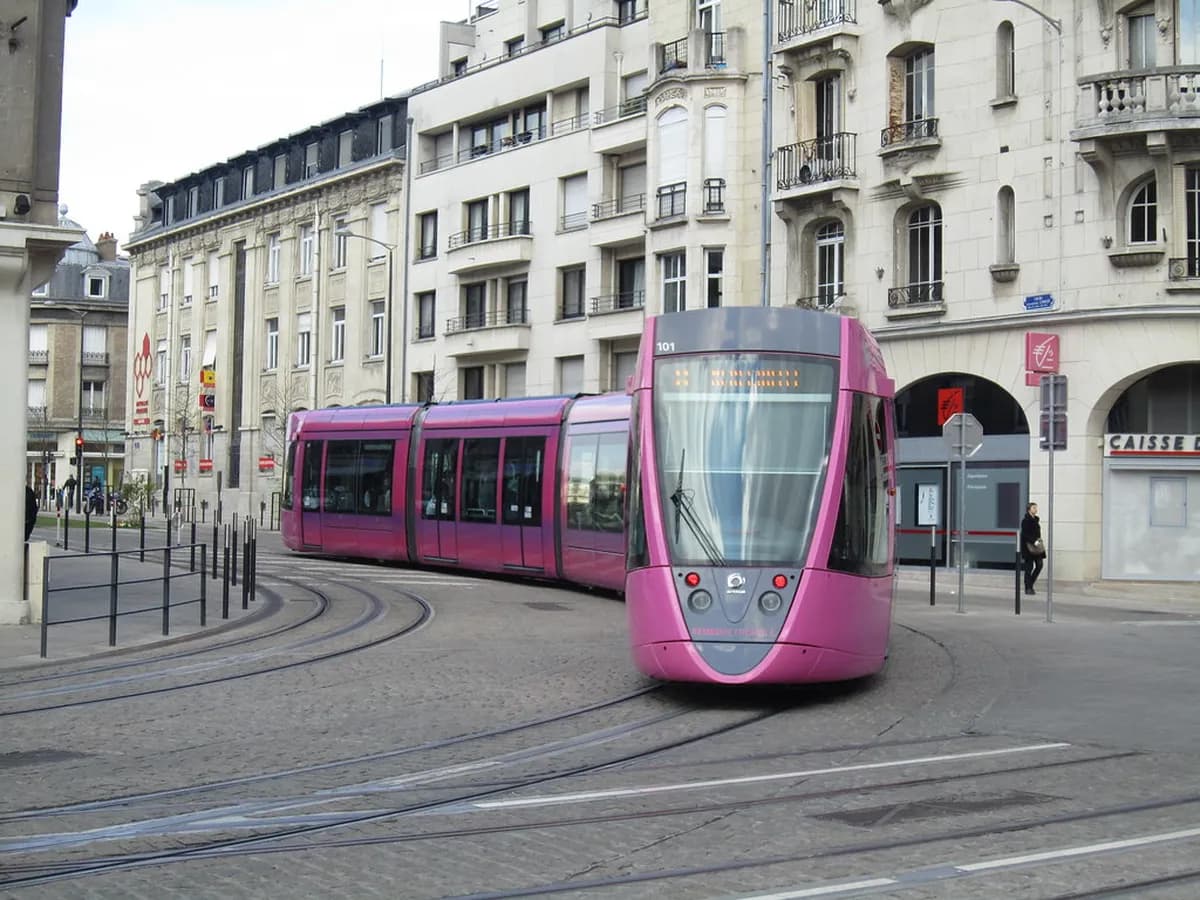
The **Dijon tramway** consists of two high-capacity lines that cross the city in a cross-shaped pattern. Line T1 connects the Gare de Dijon-Ville to Quetigny, passing through the city center and the university district. It is the most common line for tourists who need to reach their hotels or the main hospitals.
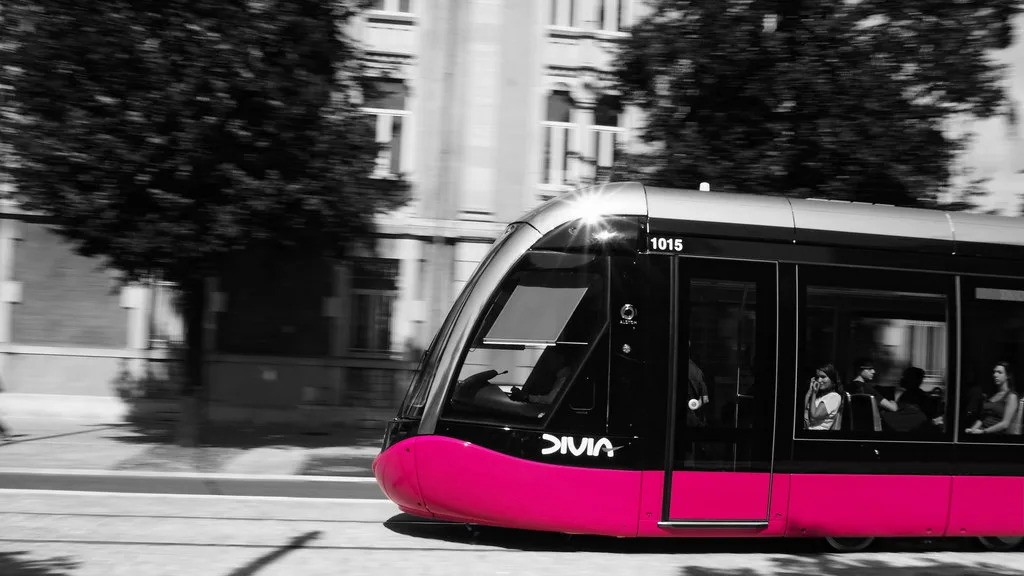
Line T2 runs from north to south, connecting Valmy to Chenôve via the historic heart of the city. This line is particularly useful for reaching the Toison d'Or shopping center or the southern residential areas. Both lines intersect at the Darcy station, making transfers between them quick and effortless. For a deeper look at routes, stops, and timetables, see our dedicated Dijon tram guide.
Trams generally run every 5 to 10 minutes during peak hours, ensuring you never wait long for a ride. Service typically begins around 5:00 AM and continues until roughly midnight or 1:00 AM. These sleek, lime-green vehicles are fully accessible for travelers with mobility issues or heavy luggage.
The tram system offers a scenic way to see the city as you move between major landmarks. Much like the transit found in Colmar public transport guides, the trams are integrated with the local architecture. Keep an eye out for the modern art installations located at several major tram stops along the route.
Dijon Bus Services and the Free City Shuttle
While the trams handle the heavy lifting, the **Divia** bus network fills the gaps with impressive precision. The high-frequency lines, known as 'Lianes', run every 6 to 15 minutes and cover the primary arterial roads. These buses provide a flexible alternative when your destination is not directly on a tram line.
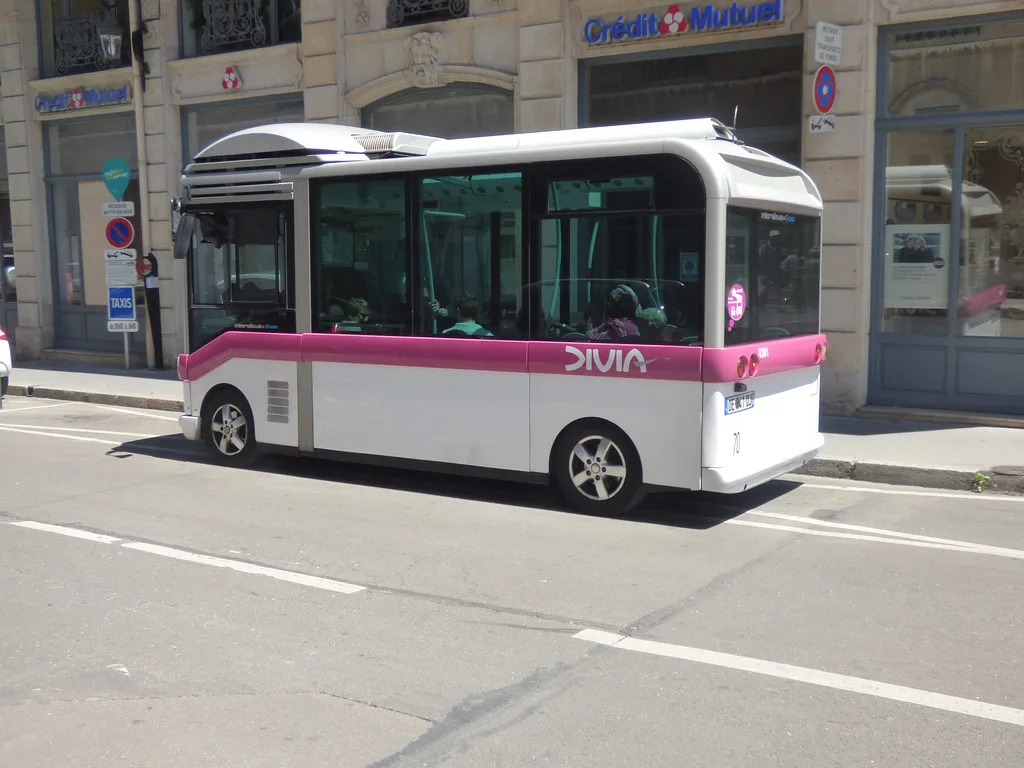
A standout feature for tourists is the **Navette City**, a free electric shuttle that loops through the pedestrianized historic center. This small bus runs every 10 minutes and stops at key locations like Place Darcy and the Palais des Ducs. It is the perfect solution for those who want to see the sights without too much walking.
For those enjoying Dijon's nightlife, the **Pleine Lune** bus service operates on Thursday, Friday, and Saturday nights. This late-night line connects the city center with the university campus and major student housing areas. It ensures that travelers can return safely to their accommodation after the trams have stopped running.
Standard buses require the same tickets as the tramway, making the system fully interchangeable for commuters. You can easily switch from a bus to a tram within one hour on a single ticket. Just remember to validate your ticket or card every time you board a new vehicle.
Tickets and Fares: How to Pay
Dijon has embraced modern technology with its 'Open Payment' system, allowing you to use your contactless credit card as a ticket. Simply tap your card or smartphone on the validator when you board any bus or tram. The system automatically calculates the best fare for your day, capping the total cost for multiple trips.
If you prefer traditional tickets, you can purchase them at vending machines located at every tram stop. These machines accept both cash and cards and offer 1-hour tickets, 24-hour passes, and 10-trip bundles. For a digital experience, the Divia Mobilités app allows you to buy and store 'M-Tickets' directly on your phone.
Validation is mandatory for every single journey, even if you are just transferring between lines. Failure to tap your card or ticket can result in a significant fine if transit inspectors board the vehicle. Always ensure the validator shows a green light or a confirmation message after you tap.
Prices are reasonable, with a single 1-hour ticket (the "Ticket 1 voyage") costing about €1.60 in 2026 and valid for unlimited transfers within that hour. Frequent travelers should consider the 24h, 48h, or 72h passes for better value during a weekend stay. These passes provide unlimited access to the entire network, including buses and trams.
| Ticket type | Price (2026) | Valid for | Best for |
|---|---|---|---|
| Single 1-hour (Ticket 1 voyage) | ~€1.60 | Unlimited transfers within 60 min | One-off short hops |
| Contactless Open Payment (tap) | ~€1.60 per trip, auto-capped daily | Per trip, daily fare cap | Occasional travelers with a chip card |
| Carnet of 10 trips | ~€13.00 | 10 separate 1-hour journeys | Small groups or repeat visits |
| 24h pass | ~€4.50 | Unlimited network travel, 24 hours | Heavy sightseeing in a day |
| Dijon City Pass (transport version) | 24h / 48h / 72h tiers | Unlimited transit + 30+ attractions | Museum-hopping visitors |
- Contactless Credit Card (Open Payment)
- Type: Digital validation
- Best for: Occasional travelers
- Where: All buses and trams
- Cost: ~€1.60 per 1-hour trip
- Divia 24h Pass
- Type: Unlimited transit
- Best for: Heavy sightseeing
- Where: Kiosks and App
- Cost: ~€4.50
- Carnet of 10 Trips
- Type: 10-journey bundle
- Best for: Small groups or repeat visits
- Where: Tram-stop machines and app
- Cost: ~€13.00
DiviaVélodi: Bike Sharing in Dijon
Dijon is an ideal city for cycling, featuring flat terrain and a dedicated bike-sharing system called **DiviaVélodi**. With over 40 stations scattered throughout the city, you are never far from a set of wheels. This service is available 24/7, making it a great alternative to motorized transport for short trips.
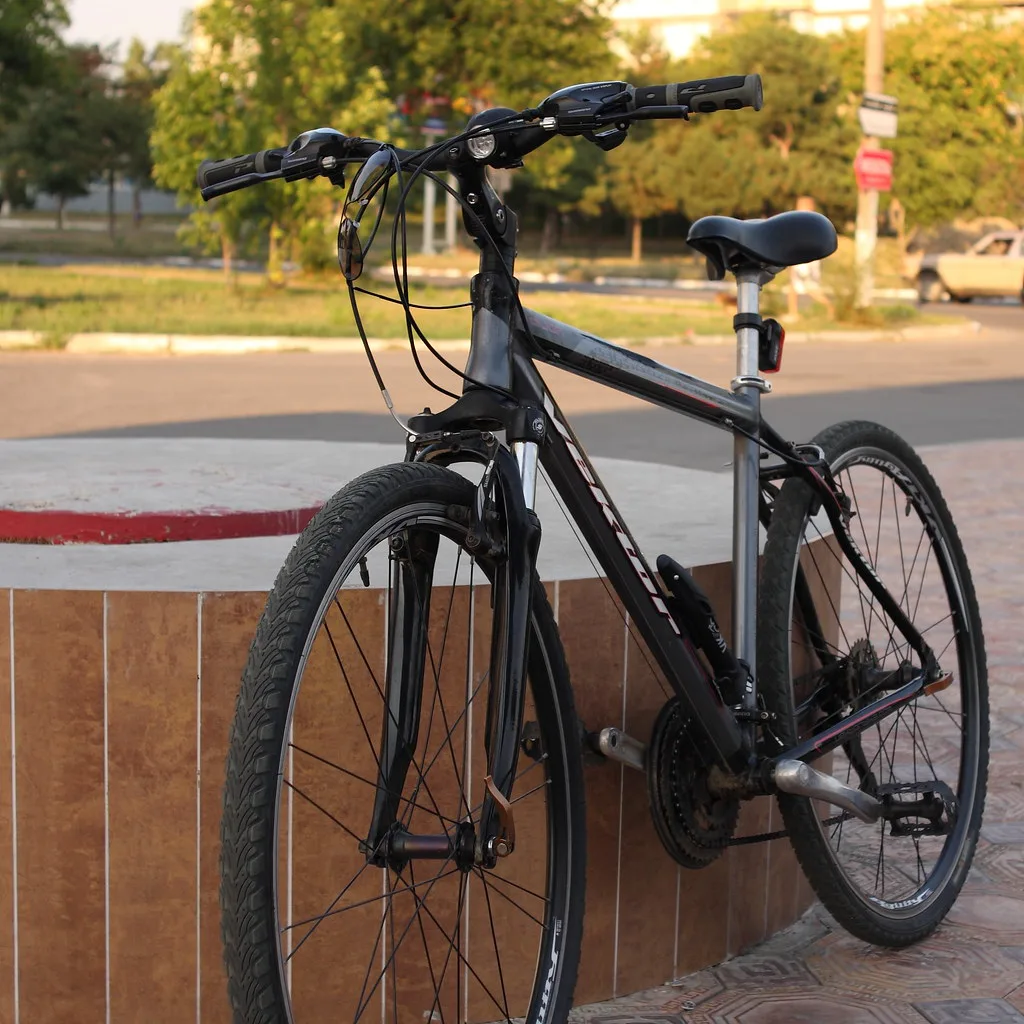
To use the bikes, you can sign up for a short-term subscription using a credit card at the station kiosks or online. The first 30 minutes of each ride are typically free, which covers most trips within the city center. This system encourages quick hops between different neighborhoods and historic landmarks.
Cycling along the Burgundy Canal is a popular activity for those looking to escape the urban bustle. The canal path offers a flat, paved route that is perfect for a leisurely afternoon ride toward the countryside. You can easily reach the outskirts of the city while enjoying the scenic water views.
While the city center has many pedestrian zones, cyclists are generally permitted if they ride slowly and respect walkers. Always lock your bike securely at designated racks when visiting museums or restaurants. The city continues to expand its network of bike lanes to improve safety for all users.
Taxis and Rideshare Options (Uber)
When public transport isn't the best fit, **Uber** operates reliably within the Dijon metropolitan area. Using the Uber Dijon app allows you to see upfront pricing and track your driver in real-time. This is often the most convenient choice for early morning departures to the train station.
Official taxis are also readily available, with major ranks located outside the Gare de Dijon-Ville and near Place Darcy. You can book a ride through the Taxis Dijon Official website or by calling their local dispatch number. Taxis are a better choice for larger groups or those with significant amounts of luggage.
Ride costs vary based on distance and time of day, but most trips within the city center stay under €15. Nighttime rates and Sunday travel may incur small surcharges according to local regulations. Always ensure the meter is running or agree on a price before starting your journey.
For those traveling to the nearby vineyards, private drivers can be hired for half-day or full-day tours. This option provides more flexibility than fixed bus schedules for wine tasting excursions. Many local taxi companies offer fixed-rate packages for these popular regional trips.
Navigating from Gare de Dijon-Ville
The **Gare de Dijon-Ville** serves as the primary gateway for those arriving by high-speed TGV or regional trains. Upon exiting the station, you will find the T1 and T2 tram stops immediately to your right. This proximity makes it incredibly easy to reach your hotel shortly after arriving in the city.
If you are planning to explore the wider Burgundy region, the station offers frequent TER regional trains. You can check schedules and buy tickets via SNCF Connect for Train Info for trips to Beaune or Lyon. These local trains are a fantastic way to see the famous vineyards without needing a rental car.
The walk from the station to the historic center and Place Darcy takes less than ten minutes. Most of the route is flat and well-paved, though the trams are a better choice if you have heavy suitcases. Look for the large 'Owl' signs that guide tourists toward the main pedestrian shopping streets.
The station also features luggage lockers for those who want to explore the city during a long layover. This allows you to visit the nearby Jardin de l'Arquebuse or grab a quick lunch without carrying your bags. Be sure to have small change or a card ready for the locker fees.
Park-and-Ride and the Dijon City Pass
If you arrive by car, skip the congested centre and use one of Divia's **Park-and-Ride (P+R)** car parks. The main relais lots — **Valmy** and **Zénith** on the T2 line, and the **Piscine Olympique** P+R on the T1 line — let you park free for up to 5 days, then ride the tram into town. Across the network there are roughly 430 P+R spaces. The Zénith lot is accessible 24 hours; the others open daily from around 5:00 AM to 1:00 AM.
The catch is validation: you must keep the same ticket or card you validated on the tram, because you scan it again at the P+R exit kiosk to lift the barrier. As long as you travelled by tram or bus the same day, exit is included — there is no separate parking charge. This makes P+R by far the cheapest way to combine a car with city sightseeing. If you are continuing into the vineyards, our guide to parking in Beaune covers the same drive-and-walk approach for the wine capital just down the line.
For visitors planning to museum-hop, the **Dijon City Pass** (24h, 48h, or 72h) is the standout value. The physical version bundles unlimited Divia bus and tram travel with entry to 30+ sites, museums, and monuments across Burgundy, plus a guided tour and a free companion app. Buy it at the Tourist Office on Place Darcy. Note that the cheaper digital City Pass covers attractions only, **not** transport, so confirm which version you are buying before you tap on.
Walking and Pedestrian Zones in Dijon
Dijon's historic core is compact and overwhelmingly walkable, so for short hops you often won't need transit at all. The main shopping spine — Rue de la Liberté linking **Place Darcy** to the **Palais des Ducs** — is fully pedestrianised, and the lanes around Notre-Dame and the covered market are car-free or traffic-calmed. Follow the brass **"Owl" trail** (the parcours de la chouette) markers set into the pavement for a self-guided walking route past the city's headline monuments.
Most of the centre falls inside a restricted-traffic zone where private cars are heavily limited, which is exactly why P+R plus the tram works so well. Cyclists are tolerated in the pedestrian streets provided they ride at walking pace and yield to people on foot. The terrain is flat throughout, so even a full day on foot between the station, the ducal palace, and the museums rarely tops a couple of kilometres of walking.
Frequently Asked Questions
Is public transport free in Dijon?
Public transport is not free for the entire network, but the Navette City shuttle is free for everyone. This electric bus loops through the historic center every 10 minutes. For other buses and trams, you must purchase a ticket or use contactless payment. Check our public transport guides for more city tips.
How do I buy tram tickets in Dijon?
You can buy physical tickets at vending machines located at every tram stop using cash or card. Alternatively, download the Divia Mobilités app to purchase digital M-Tickets on your phone. The easiest method is using the 'Open Payment' system by tapping your contactless credit card directly on the vehicle's validator.
Can I use my credit card to pay for the bus in Dijon?
Yes, you can use any contactless credit or debit card to pay for your fare directly on the bus. Simply tap your card on the validator upon boarding to register your trip. The system will automatically charge you the standard 1-hour fare and apply daily price caps if you travel frequently.
What is the best way to get from the Dijon train station to the city center?
The best way is to take either the T1 or T2 tram line, which stops right outside the Gare de Dijon-Ville. It is only one or two stops to reach the central Darcy or République stations. If you have light luggage, the walk to the historic center takes about 10 minutes.
Does Uber work in Dijon?
Uber is fully operational in Dijon and provides a reliable alternative to local taxis. You can use the standard Uber app to book rides throughout the city and to nearby suburbs. It is particularly useful for late-night travel when tram frequencies are lower or for reaching specific residential addresses.
Dijon public transport offers a stress-free way to explore one of France's most beautiful historic cities. From the high-tech trams to the convenient free shuttle, the system caters perfectly to the needs of modern travelers. By using contactless payments and the Divia app, you can navigate the streets like a local expert.
Whether you are here for the world-class gastronomy or the stunning architecture, the transit network ensures you won't miss a thing. Remember to validate your tickets and consider a 24-hour pass if you plan on seeing multiple districts in one day. Your journey through Burgundy starts with a simple tap of a card.
Planning your trip with these transit tips will help you avoid common pitfalls and save valuable time. For more inspiration on navigating European cities, feel free to visit our travel blog for expert advice. Enjoy the sights, sounds, and flavors of Dijon with confidence.
Free: The European City Transport Cheat Sheet
Airport-to-centre, the best ticket to buy, and the one local gotcha — for 5 European cities, plus the universal rules for trams, ferries, and parking.
You might also like


Continue reading
More guides you'll find useful