Bilbao Public Transport Travel Guide
Plan bilbao public transport with top picks, neighborhood context, timing tips, and practical booking advice for a smoother trip.
 By Marco Bellini
On this page
Bilbao Public Transport
Short answer: Buy one Barik card (€3 for the card, then top up €5+) at any metro machine and use it for everything — metro, tram, Bilbobus and the Artxanda funicular all run on the same card and charge far less than cash. A single Barik metro ride inside Bilbao (zone 1) is about €0.95 versus €1.60 cash, the tram is €0.74 versus €2.00, and the funicular drops from €2.50 to €0.65. Most visitors only ever need Metro Line 1/2 and the riverside tram; both connect the Old Town, Guggenheim and Getxo beaches.
The network is small and intuitive: a 2-line metro (plus the short L3), one tram line along the Nervión, the Bilbobus city buses, and Gautxori night buses. Most central trips take 10–20 minutes and the metro runs every ~5 minutes at peak. Note there is no metro to the airport — that connection is the A3247 Bizkaibus.
This guide covers fares and the Barik card, the metro and tram lines, airport transfers, and the best routes to the city's landmarks — all with current 2026 prices and hours.
Free: The European City Transport Cheat Sheet
Airport-to-centre, the best ticket to buy, and the one local gotcha — for 5 European cities, plus the universal rules for trams, ferries, and parking.
Fares, Tickets, and the Barik Card
The whole Bizkaia network — Metro Bilbao, the Euskotran tram, Bilbobus, Bizkaibus, Renfe Cercanías and the Artxanda funicular — runs on one rechargeable smart card called Barik. The card itself costs €3 and you must load at least €5 on first purchase; buy it from the machines in any metro station or at tobacco shops (estancos). One Barik can be shared by several travelers — just tap once per person.
Bizkaia is split into five concentric fare zones, with Bilbao city as zone 1. Almost every tourist trip stays within zone 1 or reaches Getxo and the airport in zone 2. With Barik you pay per zone crossed, so a ride across town costs the same low fare as a single stop. Always tap on entry, and on the metro tap again on exit so the system charges the correct number of zones.
| Mode | Barik fare (2026) | Cash / single ticket |
|---|---|---|
| Metro — zone 1 (within Bilbao) | ~€0.95 | ~€1.60 |
| Metro — zone 2 (e.g. Getxo) | ~€1.13 | — |
| Euskotran tram | ~€0.74 | €2.00 |
| Bilbobus / Bizkaibus (zone 2) | ~€1.19 | — |
| Artxanda funicular (one way) | ~€0.65 | €2.50 (€4.30 return) |
Single paper tickets exist for the metro and tram, but the tram has no on-board sales — buy at the platform machine and validate before boarding. On the Gautxori night buses and during festival services the single ticket is invalid and Barik is mandatory. If you plan to visit several paid museums too, the Bilbao Bizkaia Card bundles unlimited transport with free or discounted attraction entry.
Getting Around: Metro, Tram, and Bus
The metro is the backbone. Line 1 (orange) runs from the city centre out to Getxo and the beaches; Line 2 (black) heads to the industrial northeast bank; the newer Line 3 (blue) links central Bilbao with the south. Both L1 and L2 share the central tunnel through Casco Viejo, Abando, Moyua and Indautxu, so most landmarks are one easy hop apart, and our dedicated Bilbao metro guide breaks the lines and stations down stop by stop. Trains run roughly 06:00–23:00 Sunday–Thursday, extended to 02:00 on Friday, Saturday and the eve of public holidays, with services every ~5 minutes at peak.
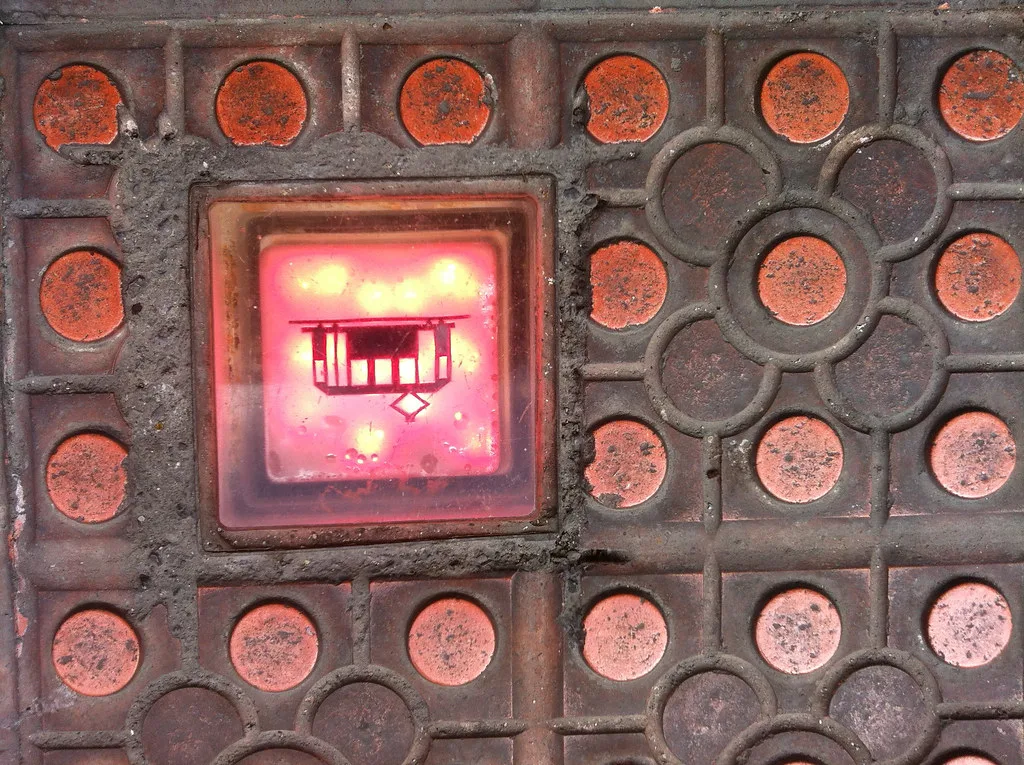
The Euskotran tram (a single line) glides along the Nervión riverbank, linking Atxuri and Casco Viejo with Abandoibarra (Guggenheim, Euskalduna) and San Mamés stadium. It is slower than the metro but far more scenic and entirely step-free — ideal with luggage or strollers. Validate your Barik or paper ticket at the platform before boarding, as there are no barriers.
Bilbobus covers the neighborhoods the rails miss with around 35 lines running ~06:00 to 22:00–23:00; after that, eight Gautxori night-bus lines run every 30 minutes from 23:00 until ~02:00 (Fri) or all night (Sat). For most visitors the metro and tram do almost everything, with buses useful mainly for hill neighborhoods and late nights.
Getting To and From Bilbao Airport
There is no metro or tram to Bilbao Airport (BIO). The simplest connection is the A3247 Bizkaibus, which runs between the airport and the Termibus / Intermodal station via Gran Vía, Plaza Moyua and Alameda Recalde. It departs every 15–20 minutes from about 06:00 to midnight and takes 15–20 minutes. A cash single is about €3; tap a Barik card and you pay only the zone-2 bus fare of ~€1.19.
From Termibus you are one stop from the San Mamés metro station, so a Barik card carries you straight onto Line 1 or 2 without buying a new ticket. A taxi from the airport to the centre runs roughly €25–35 depending on traffic and time of day, which is worth splitting between three or four travelers but rarely necessary given how reliable the A3247 is.
Must-See Bilbao Attractions
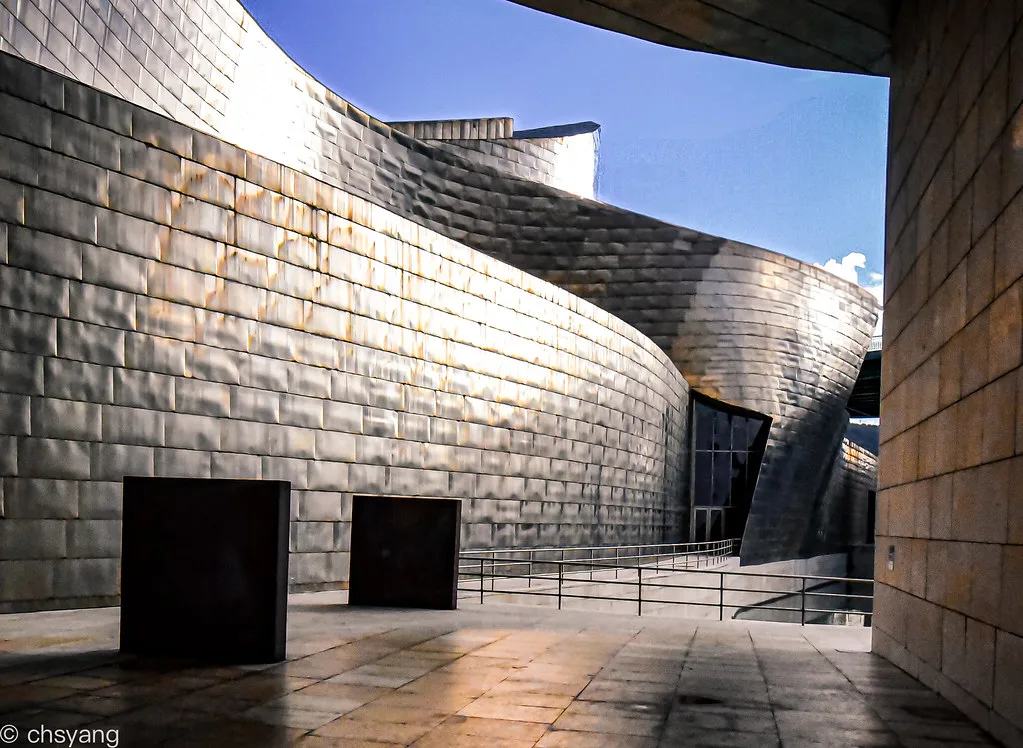
The Guggenheim Museum stands as the crown jewel of the city and is easily reached via the Euskotran tram line. Get off at the Guggenheim stop to arrive right at the feet of the famous Puppy sculpture. This area is perfectly flat, making it ideal for those who prefer light strolls between photo opportunities.
Casco Viejo, the medieval heart of the city, is best accessed through the Metro Bilbao stations at Casco Viejo or Unamuno. These underground lines run frequently, often every five minutes during peak daytime hours in 2026. Once you emerge, the narrow 'Seven Streets' are entirely pedestrianized for a traditional pintxo crawl.
For a panoramic view of the entire valley, the Artxanda Funicular is an essential experience located near the Zubizuri bridge. It departs every 15 minutes and whisks passengers up the mountain in under three minutes for a small fee. This historic transport link provides a unique perspective on the city's industrial past and modern rebirth.
- Guggenheim Museum Tram Stop
- Line: Green Line (TR)
- Frequency: 10-15 minutes
- Vibe: Modern and scenic
- Access: Wheelchair friendly
- Casco Viejo Metro Station
- Line: L1 and L2
- Exit: Plaza Unamuno
- Best for: Historic sights
- Tip: Use the lift
Museums, Art, and Culture in Bilbao
The Fine Arts Museum is located conveniently near the Doña Casilda Park and the Moyua metro station. This cultural hub is a staple of public transport guides because it connects the new and old districts. Walking from the metro takes less than five minutes through the scenic Ensanche neighborhood.
Azkuna Zentroa, a former wine warehouse turned cultural center, is another must-visit spot easily reached by foot from Indautxu station. Visitors can admire the 43 unique columns or visit the rooftop pool with a glass floor. Entry to the main building is free, though specific exhibitions may require a separate ticket.
Purchasing a Bilbao Bizkaia Card can significantly reduce costs for culture enthusiasts. This card includes unlimited use of most transport and free entry to many major museums. It is a smart investment for those planning to visit more than three cultural sites in a single weekend.
Parks, Gardens, and Outdoor Spots in Bilbao
Doña Casilda Iturrizar Park serves as the city's main green lung and is accessible via the tram or San Mamés station. The park features a large pond with ducks and several ornate fountains perfect for a quiet afternoon. Many locals use the nearby bikelanes to commute sustainably through this verdant corridor.
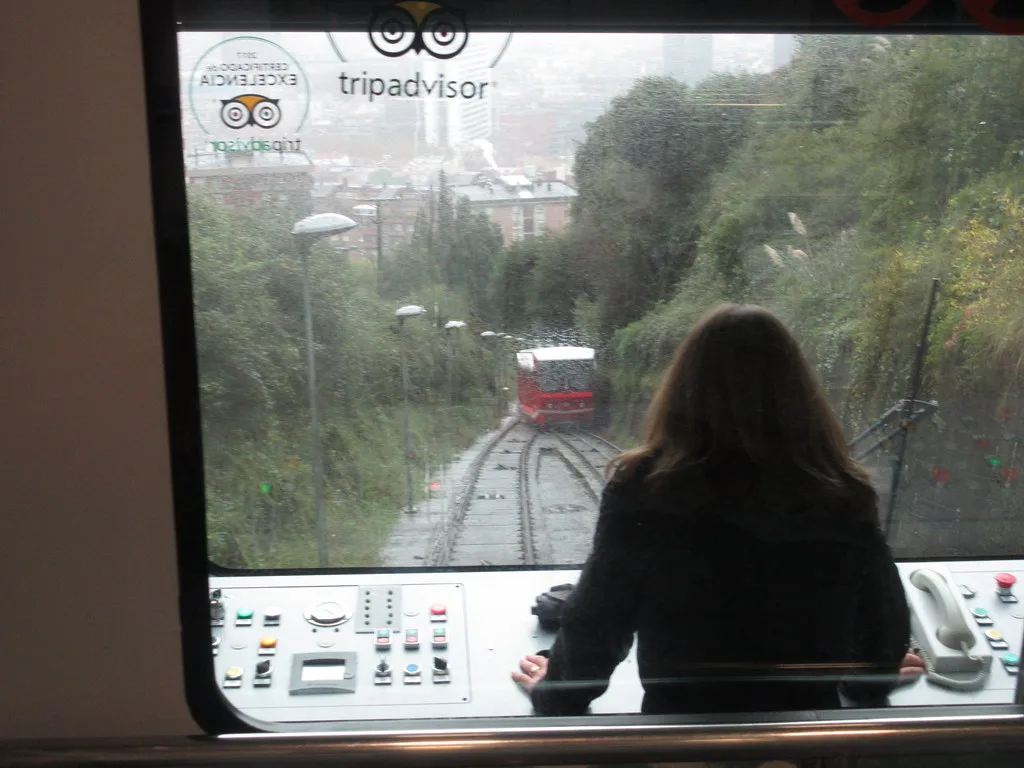
Mount Artxanda offers expansive green spaces and walking trails that feel miles away from the urban bustle. After taking the funicular, you can walk along the ridge for views of the Nervión River winding toward the sea. This spot is particularly popular during sunset when the city lights begin to flicker on below.
Etxebarria Park sits on a hill overlooking the Old Town and provides a different vantage point for photographers. It is a steep walk up, so many visitors take the metro to Casco Viejo and use the Mallona elevators to save energy. The park is famous for hosting the city's fairgrounds during the Aste Nagusia festival in August.
Family-Friendly and Budget-Friendly Options in Bilbao
Families traveling together should prioritize getting a Barik card, which is a rechargeable travel card used across all networks. One card can be shared by multiple people, making it much cheaper than buying individual paper tickets. You can purchase and top these up at any metro station or authorized tobacco shop.
Children under the age of six usually travel for free on the metro and buses when accompanied by an adult. This makes exploring the city much more affordable for young families compared to other European capitals, where fares and ticketing rules vary widely from city to city as our getting around Europe overview explains. Similar to the system seen in zaragoza public transport, the focus here is on accessibility and ease of use.
The Bilboat river excursions offer a budget-friendly way to see the city's architecture from the water. While not part of the standard transit network, these boats depart from near the City Hall and provide guided tours. It is an excellent way to rest your legs while still ticking off major landmarks from your list.
How to Plan a Smooth Bilbao Attractions Day
Start your morning in the Casco Viejo before the crowds arrive, then take the tram toward the Guggenheim. This route follows the river and offers some of the best views of the city's modern architecture. Avoiding the metro during the 8:00 AM rush hour ensures a more relaxed seating experience.
Midday is the perfect time to use the funicular to reach Artxanda for a lunch with a view. Most transit lines maintain high frequency during the afternoon, so you never have to wait long for a connection. Check the digital displays at stops for real-time arrival information to manage your schedule effectively.
Evenings are best spent back in the city center where the metro runs until 11:00 PM on weekdays and all night on Saturdays. This flexibility allows you to enjoy late dinners and pintxos without worrying about expensive taxi rides. Always validate your card at the start and end of your journey to ensure the correct fare is deducted.
Hotels with parking in Bilbao
Finding hotels with parking in Bilbao can be challenging due to the narrow streets of the historic districts. Many central hotels offer private underground garages, but these often cost between 20 and 30 Euros per night. It is vital to reserve a spot in advance as spaces are limited in the city center.
If your hotel lacks facilities, look for public options like Parking La Alhóndiga Empark for secure long-term stays. This central location allows you to leave the car and use the metro for the remainder of your trip. Driving within the city is often discouraged due to the complex one-way systems and pedestrian zones.
Be aware of the Low Emission Zones (ZBE) which may restrict older, more polluting vehicles from entering certain neighborhoods. Most modern rental cars will have the necessary stickers, but it is worth checking with your provider. Choosing a hotel on the outskirts near a metro station can often save money on both lodging and parking fees.
Other ideas for your trip
For an active way to see the sights, try the Bilbaobizi bike-sharing system available throughout the city. The city has invested heavily in red bikelanes that safely separate cyclists from heavy traffic. This is a fantastic option for visiting the maritime museum or the San Mamés stadium.
If you need a more direct route late at night, you can call Radio Taxi Bilbao for reliable service. Taxis are generally white with a red stripe and are metered, so you don't need to negotiate the price. Another reputable company is Tele Taxi Bilbao, which offers easy booking via their mobile app.
Consider taking the Metro Line 1 all the way to the coast to visit the Vizcaya Bridge in Getxo. This UNESCO World Heritage site is a short walk from the Areeta station and is a marvel of industrial engineering. It proves that the transit system is not just for the city center but a gateway to the entire Basque coastline.
Frequently Asked Questions
Which Bilbao public transport options fit first-time visitors?
The tram and metro are the best options for first-time visitors because they are easy to navigate and cover all major tourist sites. The tram offers scenic views of the river, while the metro is faster for longer distances. Both use the Barik card for easy payments.
Is Bilbao public transport worth including on a short itinerary?
Yes, it is essential for saving time on a short trip. The metro can get you from the city center to the coast in just 25 minutes. This efficiency allows you to see both the urban architecture and the beautiful beaches of Getxo in a single day.
How much time should you plan for Bilbao public transport?
Most trips within the city center take between 10 and 20 minutes including walking time to the stations. The high frequency of the metro means you rarely wait more than a few minutes. Check the hopwander.com/blog for more regional travel tips and transit updates.
Mastering the local transit network transforms a good trip into a great one by removing the stress of navigation. Bilbao's commitment to sustainable and accessible transport makes it one of the easiest Spanish cities to explore. From the historic funicular to the modern metro, every ride offers a glimpse into the city's unique character.
Remember to grab a Barik card upon arrival to enjoy the lowest fares and seamless transfers between lines. This small step ensures you can focus on the world-class art and delicious cuisine that make the city so famous. Enjoy your journey through the heart of Bizkaia and the stunning Basque landscapes beyond.
Free: The European City Transport Cheat Sheet
Airport-to-centre, the best ticket to buy, and the one local gotcha — for 5 European cities, plus the universal rules for trams, ferries, and parking.
You might also like


Continue reading
More guides you'll find useful