Braga Public Transport Guide: 7 Ways to Navigate the City
Master Braga public transport with our guide to TUB buses, train connections, GetBus airport shuttles, and rideshare tips for a seamless trip.
 By Marco Bellini
On this page
Braga Public Transport: 7 Ways to Navigate the City
Quick answer: Braga is small and walkable, so most visitors barely need transit. For the few rides you do take: catch TUB Line 2 from Avenida da Liberdade to Bom Jesus do Monte (single ticket ~€1.55–2; a 1-day tourist pass is €3.35), ride the CP Urban train to Porto-São Bento (~€3.55, ~70 min), and take the GetBus shuttle to Porto Airport (€9 one-way / €16 return, ~50 min, from the Braga Bus Station). The Porto Andante card does not work here — buy a local Próximo card or pay the driver in cash. The rest of this guide covers each option in detail.
Navigating the historic streets of Braga is a rewarding experience for any traveler exploring Northern Portugal. The city offers a reliable network of buses, modern trains, and convenient airport shuttles to help you reach every landmark. Understanding how these systems connect ensures you spend more time at the Cathedral and less time at the bus stop.
This guide breaks down the essential logistics of Braga public transport for a stress-free visit. We cover everything from the local bus network to high-speed rail connections across the country. You will also learn about specific ticketing rules that often confuse first-time visitors to the Minho region.
Whether you are arriving from Porto or heading to the famous Bom Jesus do Monte, having a plan is vital. Our expert insights include real-time tracking tips and specific platform details for airport transfers. Follow these steps to master the local transit landscape like a seasoned resident.
Free: The European City Transport Cheat Sheet
Airport-to-centre, the best ticket to buy, and the one local gotcha — for 5 European cities, plus the universal rules for trams, ferries, and parking.
The TUB Bus Network: Braga’s Primary Transit
The Transportes Urbanos de Braga, or TUB, serves as the backbone of local movement within the city limits. Most visitors rely on Line 2, which departs from the Liberdade (25 de Abril) stop on Avenida da Liberdade and runs to its final stop at the foot of Bom Jesus do Monte in about 25 minutes. Departures are roughly every 30 minutes on weekdays and hourly on Sundays. From the base, the historic Funicular do Bom Jesus — a water-balanced funicular in continuous service since 1882 — carries you up to the sanctuary for around €2.50 one-way or €4 return, running about 09:00–20:00 in summer (09:00–18:00 in winter) with two departures per hour. Buses generally run every 15 to 30 minutes during peak daytime hours across the central district.
Travelers should download the official TUB mobile app to access real-time tracking and route planning. This tool prevents long waits by showing exactly when the next vehicle will arrive at your specific stop. You can verify current schedules and service updates directly on the TUB - Transportes Urbanos de Braga Official Site before heading out.
Accessibility is a priority for the local fleet, with many low-floor vehicles serving major tourist routes. These buses are ideal for travelers with strollers or those using wheelchairs in the city center. Always look for the accessibility symbol on the bus exterior to ensure a comfortable boarding experience.
Nighttime travelers can utilize the "Linha da Noite" or Night Line for late-hour transit needs. This service operates when standard daytime routes finish, connecting popular nightlife spots with residential areas. It provides a safe and affordable alternative to private taxis after the sun goes down.
Train Services: Connecting via Braga Railway Station
Braga Railway Station sits on the western edge of the city, about a 15-minute walk from the historic archway. This station connects the city to Porto via frequent Urban (U) trains that run almost every hour. These regional journeys are affordable and take approximately 70 minutes to reach Porto-São Bento.
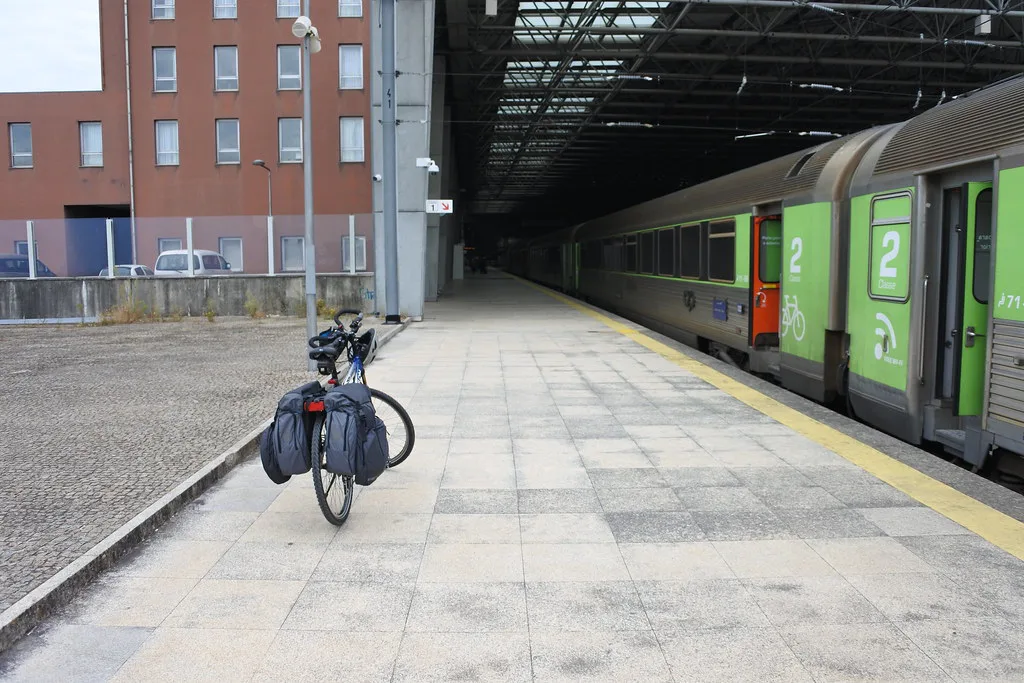
For faster travel to Lisbon or Coimbra, the high-speed Alfa Pendular service is the premier choice. These modern trains offer superior comfort and significantly shorter travel times for long-distance trips, and on arrival you can pick up our guide to getting around Coimbra to plan your local connections. You can browse all domestic routes and purchase tickets on the CP - Comboios de Portugal (Train Schedules) website.
The station building itself features a modern design with cafes, luggage lockers, and clear electronic departure boards. Staff at the ticket windows usually speak English and can assist with complex regional itineraries. Always validate your ticket at the yellow machines before stepping onto the platform to avoid fines.
Airport Transfers: The GetBus Porto Connection
The most efficient way to reach Porto Airport (OPO) is via the dedicated GetBus shuttle service. This direct coach avoids the multiple transfers required when taking the train and local metro. The journey typically takes 50 minutes and operates on a consistent daily schedule.
Buses depart specifically from Platform 20 at the Braga Bus Station, also known as the Central de Camionagem. This facility is located north of the city center and is separate from the main railway station. Travelers can secure their seats in advance through the GetBus Official Booking portal for peace of mind.
Tickets cost approximately 9 Euros for a one-way trip, making it a budget-friendly option for solo travelers. Drivers are helpful with luggage and ensure that the departure times are strictly followed. Arriving 15 minutes early at Platform 20 ensures a smooth boarding process during busy holiday periods.
Ticketing and Fares: A Practical Guide
Understanding the local fare system is crucial to avoid common mistakes while using Braga public transport. A major point of confusion for visitors is that the Porto Andante card does not work on TUB buses. You must purchase local tickets specifically designed for the Braga transit network.
The rechargeable Próximo card is the most cost-effective choice for those staying more than a day. This card reduces the price per journey compared to buying a single ticket from the bus driver, which runs about €1.55–2 depending on the zones you cross. If you plan several rides in one day, the TUB tourist pass is the simplest deal: a 1-day all-zone pass costs €3.35, with 2-day and 3-day versions also available at TUB kiosks. You can purchase and top up Próximo cards at those same kiosks or authorized tobacco shops throughout the city.
If you prefer simplicity, you can still pay the driver in cash when boarding the bus. Note that drivers often have limited change, so carrying small coins or five-euro notes is highly recommended. For more information on regional travel, check out our guide on public transport guides for neighboring European cities.
Consult the table below to compare the main transit methods for the popular route between Braga and Porto. Each option offers different benefits depending on your budget and time constraints.
| Option | Cost (one-way) | Time | Frequency | Best for |
|---|---|---|---|---|
| Urban Train (CP) to Porto | ~€3.55 | 70 min | Hourly | Budget travelers |
| GetBus Shuttle to OPO Airport | ~€9 (€16 return) | 50 min | Every 60–90 min | Airport access |
| Rideshare (Uber/Bolt) to Porto | €45–60 | 45 min | On-demand | Groups / families |
Rideshare and Taxis: Uber and Local Options
Rideshare apps like Uber and Bolt are widely available and very popular throughout the city of Braga. These services offer a convenient way to reach hilltop attractions like Sameiro without navigating bus schedules. You can find more details on local availability on the Uber Braga City Page.
Traditional taxis remain a reliable alternative, especially at designated stands near the train station and Republic Square. They use meters and are generally honest, though prices are higher than standard bus fares. Taxis are particularly useful for early morning departures when bus frequency is lower.
Safety is excellent in Braga, and using rideshare at night is considered very secure for tourists. Most drivers speak basic English and are familiar with the major hotel locations. If you are traveling from other regions, you might find similarities with Zaragoza public transport or the seaside system covered in our Cascais public transport guide near Lisbon.
Exploring on Foot: Braga’s Pedestrian Center
The historic heart of Braga is best explored on foot due to its many car-free streets and plazas. Most major sites, including the Cathedral and the Santa Barbara Garden, are within a five-minute walk of each other. This compact layout makes the city center extremely accessible for all fitness levels.
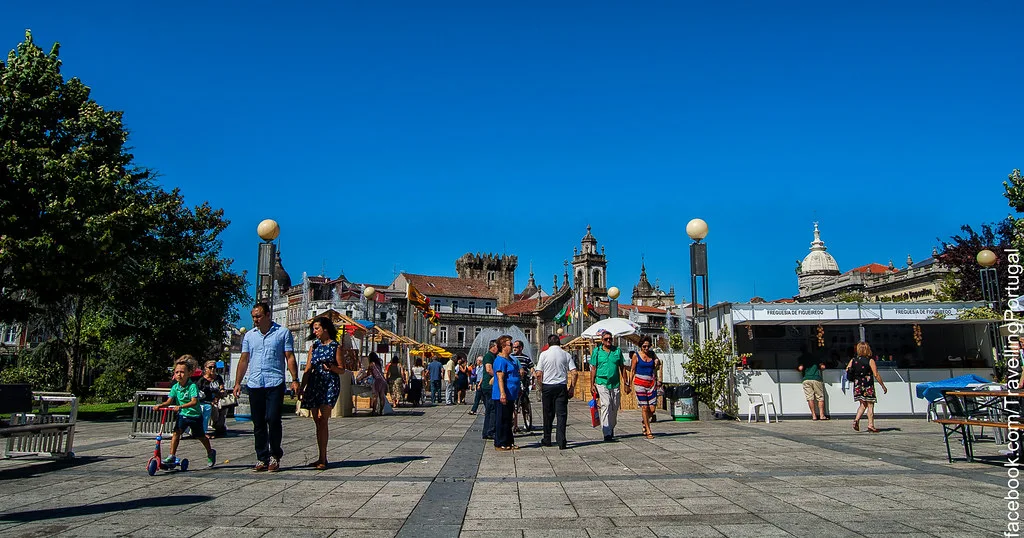
Walking allows you to appreciate the intricate Baroque architecture that defines the "Rome of Portugal." The terrain is mostly flat in the central district, though some side streets feature traditional cobblestones. Wear comfortable shoes to handle the uneven surfaces found in the older parts of town.
Pedestrian zones are well-marked and provide a peaceful environment away from heavy traffic. You can easily navigate from the train station to the main square by following the clear signage. Many visitors find that they rarely need a bus once they reach the central historic core.
Cycling in Braga: Bike Lanes and Terrain
Braga has steadily expanded its cycling network, with dedicated bike lanes along corridors like Avenida da Liberdade and the riverside paths near the Rio Este. The flat central basin makes pedaling between the Cathedral, the Theatro Circo, and the university district genuinely easy for casual riders. Wider ecovia routes also extend toward the outskirts for travelers who want a longer scenic loop.
Be realistic about the terrain before committing to a full-day ride: the city sits in a valley ringed by hills, so any trip toward Bom Jesus do Monte or the Sameiro sanctuary involves a steep, sustained climb best left to e-bikes or seasoned cyclists. For those uphill attractions, the Line 2 bus or the funicular remains the smarter choice.
App-based dockless bike and scooter services appear seasonally in the center, and several local shops offer day rentals if you prefer a traditional bicycle. Helmets are recommended, and cyclists should follow the same one-way and pedestrian-zone rules that govern car traffic in the historic core. Lock your bike at the marked racks near major squares rather than leaving it unattended on the cobblestones.
Frequently Asked Questions
Does the Porto Andante card work in Braga?
No, the Porto Andante card is not valid for use on the TUB bus network in Braga. You must purchase a local Próximo card or pay the driver directly in cash. For more tips on navigating transit systems, visit hopwander.com/blog for expert travel advice.
How do I get from Braga train station to the city center?
The city center is a flat, 15-minute walk from the Braga train station. Simply exit the main entrance and follow the signs toward the Arco da Porta Nova. Alternatively, several TUB bus lines wait directly outside the station for a quick two-minute ride.
Is there a direct bus from Braga to Porto Airport?
Yes, the GetBus shuttle provides a direct connection between the Braga Bus Station and Porto Airport. The service departs from Platform 20 and takes about 50 minutes. It is the most convenient option for travelers with heavy luggage or tight flight schedules.
How much does a bus ticket cost in Braga?
A single bus ticket purchased from the driver costs approximately 1.55 Euros. Using a pre-loaded Próximo card reduces this fare significantly for frequent riders. Prices are subject to small annual adjustments, so checking the official TUB website for 2026 updates is recommended.
Mastering Braga public transport is the key to a successful and enjoyable visit to this historic Portuguese gem. From the efficient TUB bus network to the reliable GetBus airport shuttle, the city provides excellent options for every budget. Remember to keep the station locations and ticketing rules in mind to avoid common traveler pitfalls.
Exploring the city on foot remains the best way to soak in the local atmosphere and Baroque beauty. Use the trains for regional adventures and rideshare apps for quick trips to the surrounding hills. With these tools at your disposal, you are ready to experience everything the Minho region has to offer.
Plan your trips ahead of time by using the official apps and websites mentioned in this guide. Whether you are visiting for a day or a week, Braga's transit system will get you where you need to go. Enjoy your journey through one of Portugal's most vibrant and ancient cities.
Free: The European City Transport Cheat Sheet
Airport-to-centre, the best ticket to buy, and the one local gotcha — for 5 European cities, plus the universal rules for trams, ferries, and parking.
You might also like


Continue reading
More guides you'll find useful