Avignon Public Transport Guide: How to Get Around Like a Local
Master Avignon public transport with our guide to Orizo buses, TGV transfers, Vélopop bikes, and regional Zou! connections. Includes ticket prices and parking tips.
 By Marco Bellini
On this page
Avignon Public Transport Guide
Quick answer: The walled Old Town is small and flat, so for most visitors the answer is walk. Use the Orizo network (buses + Line T1 tram) only to reach the TGV station, Villeneuve-lez-Avignon, or the free park-and-ride lots. A single ticket is €1.40 (valid 1 hour, free transfers), a 24-hour pass is €3.50, and buy via the TixiPASS app, station machines, or from the driver. Coming from Avignon TGV? Take the 'Virgule' shuttle train to Avignon Centre (4–6 minutes, ~€1.60). Driving in? Park free at Île Piot or Parking des Italiens and ride the free shuttle.
This guide breaks down every aspect of Avignon public transport — fares, ticketing apps, the two train stations, regional Zou! buses, Vélopop bikes, taxis, and park-and-ride — to keep your journey stress-free and affordable.
Free: The European City Transport Cheat Sheet
Airport-to-centre, the best ticket to buy, and the one local gotcha — for 5 European cities, plus the universal rules for trams, ferries, and parking.
The Orizo Network: Buses and Trams in Grand Avignon
The backbone of local transit is managed by Orizo, which operates a streamlined system of trams and high-frequency buses. Line T1 serves as the primary tram artery, connecting the Saint-Roch area near the city walls to the southern districts. These sleek vehicles run frequently, often every 6 to 10 minutes during peak hours.
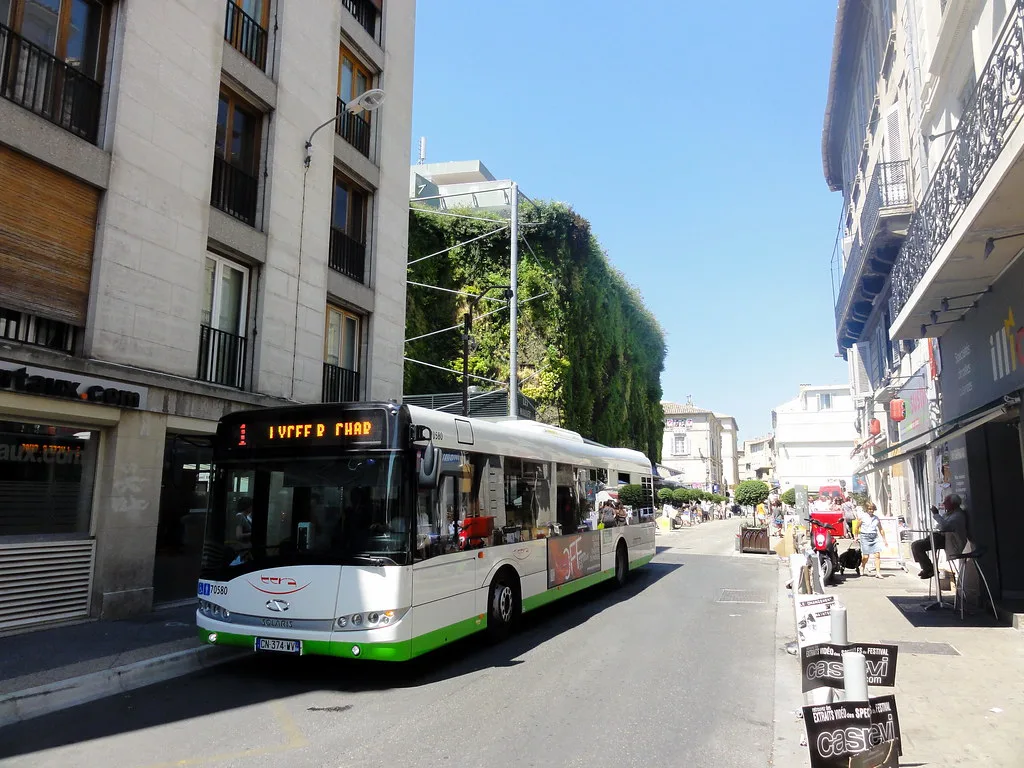
Travelers should look for 'Chrono' bus lines, labeled C2 and C3, which function like rapid transit with dedicated lanes. These routes are particularly useful for reaching shopping centers or residential areas outside the main tourist hub. Most bus services operate from early morning until around 9:00 PM, though some lines offer limited evening schedules.
Small electric shuttles known as 'Baladines' navigate the narrowest streets of the historic center where larger buses cannot fit. These eco-friendly vehicles allow you to hop on and off near major landmarks like the Place de l'Horloge. You can check the latest network maps and live schedules on the official orizo.fr website.
Tickets and Pricing: How to Pay for Your Ride
Understanding the fare structure is essential to avoid fines while using Avignon public transport. The Grand Avignon cut its fares in 2024, so prices are pleasantly low. Here is the current Orizo tariff:
- Single journey: €1.40 — valid for 1 hour with free transfers (correspondances) from first validation.
- 10-journey carnet: €10.00 — the best value if two or more people share, or you ride several times.
- 24-hour pass: €3.50 — unlimited bus and tram travel; a 48-hour pass is around €7.00.
One ticket covers both the buses and the Line T1 tram across the network.
| Ticket type | Price (2026) | Validity | Best for |
|---|---|---|---|
| Single journey | €1.40 | 1 hour, free transfers | One-off airport/TGV hop |
| 10-journey carnet | €10.00 | Per ride (shareable) | Couples / several trips |
| 24-hour pass | €3.50 | Unlimited, 24 h | A busy sightseeing day |
| 48-hour pass | ~€7.00 | Unlimited, 48 h | Two-day stays |
| 'Virgule' shuttle (TGV↔Centre) | ~€1.60 | Single transfer | Arriving by high-speed rail |
Modern commuters often prefer the TixiPASS mobile app, which allows you to buy and store tickets directly on your smartphone. Simply activate the digital ticket before boarding and scan the QR code on the vehicle's validator. This method eliminates the need to carry physical change or search for a ticket machine.
Physical tickets are available at automated dispensers located at tram stops and major bus hubs like the Gare Centre. You can also visit the Orizo boutique at Parvis de la Gare for personalized assistance and long-term passes. This office typically opens from Monday to Friday, 8:00 AM to 12:30 PM and 1:30 PM to 6:00 PM.
Validation is a critical step that many tourists overlook during their first visit to France. You must scan your ticket every time you board a new vehicle, even if you are within the one-hour transfer window. Failure to validate can result in an immediate fine if an inspector boards the bus or tram.
Using the Avignon City Pass for Transport
The Avignon City Pass is a popular choice for visitors who want to combine sightseeing with unlimited transit access. This pass includes all Orizo bus and tram lines within the Grand Avignon area for the duration of its validity. You can choose between 24-hour and 48-hour options depending on your itinerary needs.
Activating the pass is straightforward, as the transport portion begins the moment you first scan it on a vehicle. This integration makes it easy to visit the Palais des Papes in the morning and take a bus to Villeneuve-lez-Avignon in the afternoon. For more tips on maximizing your transit budget, check our broader public transport guides for European cities.
While the pass covers local travel, it does not include regional trains or long-distance coaches. It is most effective for those staying in the city center who plan to visit at least three major attractions. Always verify the current inclusion list on the avignon-tourisme.com portal before purchasing.
Arriving by Train: TGV Station vs. Avignon Centre
Avignon is served by two distinct railway stations that are often confused by first-time travelers. Gare d'Avignon TGV is located about 6 kilometers outside the city and handles high-speed trains from Paris and Lyon. In contrast, Gare d'Avignon Centre sits just outside the medieval walls and serves local regional trains.
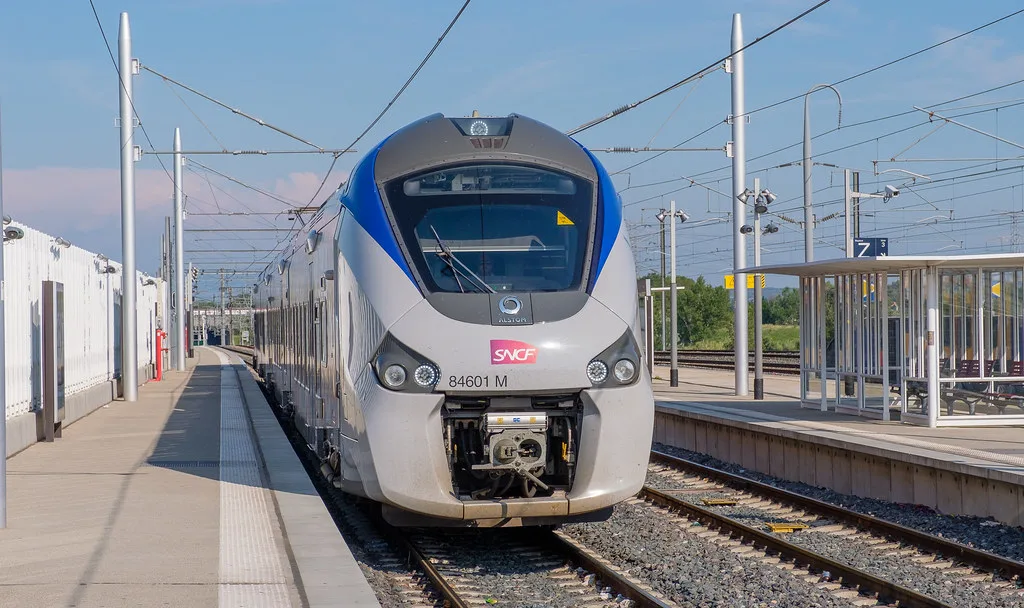
The most efficient way to travel between these two hubs is the 'Virgule' shuttle train. This dedicated rail link completes the journey in just 5 minutes and runs frequently throughout the day. Tickets for the Virgule cost around €1.60, but they are often included if you have a through-ticket for a longer SNCF journey.
Bus line 10 also connects the TGV station to the city center, though it takes longer than the train shuttle. This bus is a good alternative if you are staying in the southwestern suburbs rather than the historic core. You can book your connecting tickets in advance via sncf-connect.com to save time on arrival.
- Gare d'Avignon TGV (High Speed Hub)
- Type: High-speed rail
- Best for: Paris/Marseille arrivals
- Where: 6km from center
- Cost: €1.60 for shuttle
- Gare d'Avignon Centre (Local Hub)
- Type: Regional rail
- Best for: Local day trips
- Where: Edge of Old Town
- Cost: Walking distance to hotels
Regional Travel: Connecting to Arles and Beyond
For those planning day trips, the Gare Routière (bus station) is located conveniently next to the central train station. This hub hosts the Zou! regional bus network, which connects Avignon to scenic towns like Saint-Rémy-de-Provence. These buses are an affordable alternative to trains for exploring the Vaucluse department, and they slot neatly into a wider trip — see our getting around Europe overview for how regional networks like this connect across the continent.
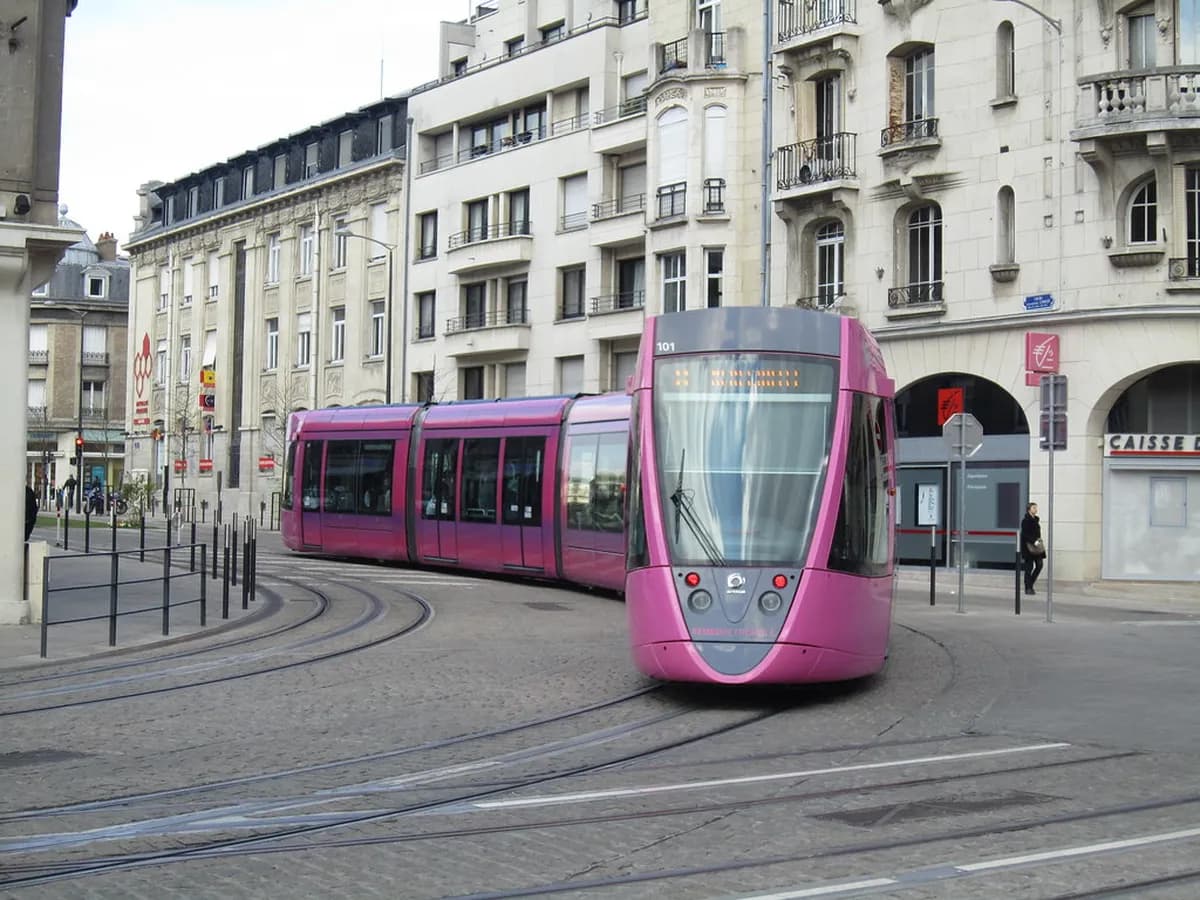
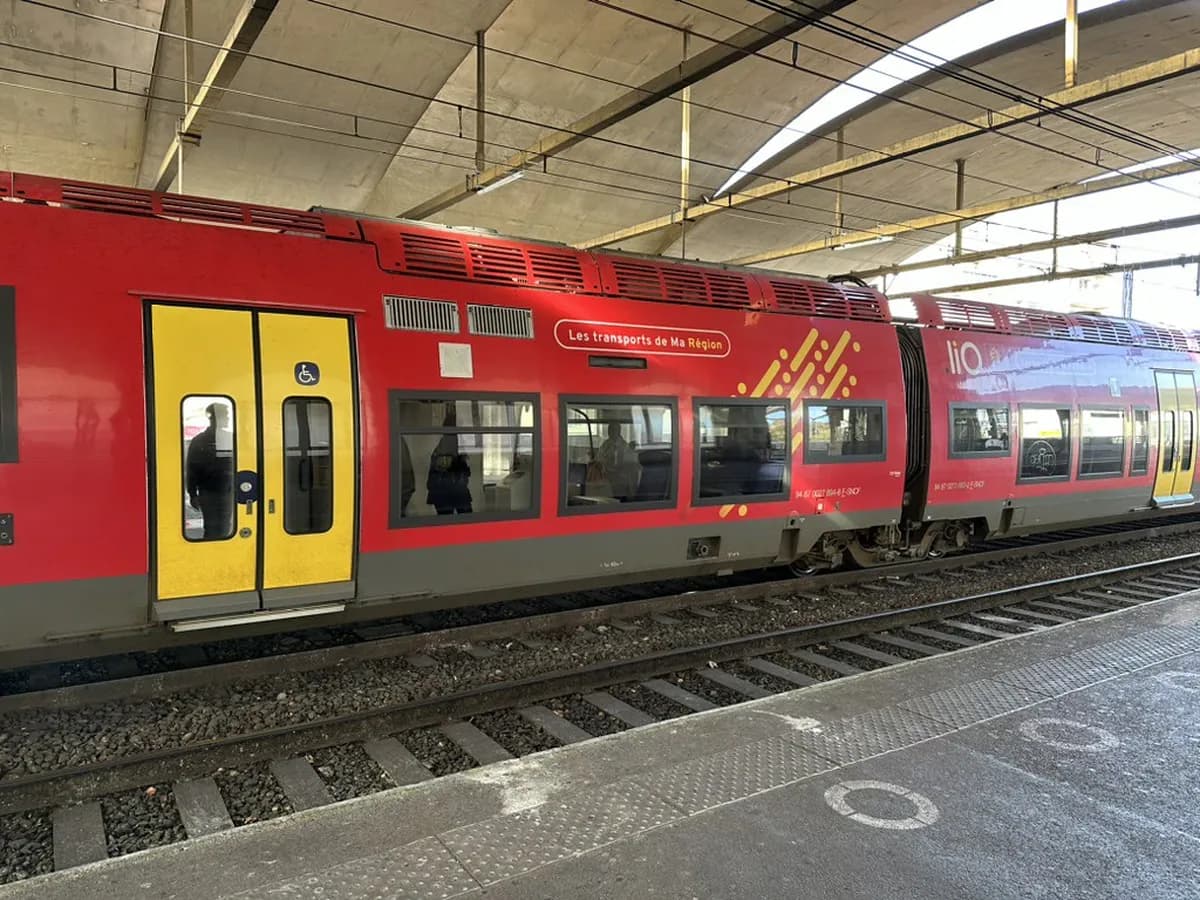
Travelers heading west into the Occitanie region will use the LIO bus lines. These routes are ideal for reaching the Pont du Gard or the Roman ruins in Nîmes. Similar to the reims public transport system, regional links often have separate ticketing from the city network.
Always check the seasonal schedules as regional bus frequency can drop significantly on Sundays and public holidays. The main ticket office at the Gare Routière provides printed timetables and route advice. For longer distances, the regional TER trains offer a faster but slightly more expensive way to reach Marseille or Montpellier — once there, our guide to getting around Marseille covers its metro, tram, and bus network in detail.
Cycling with Vélopop and Bike Rentals
Avignon's flat terrain makes cycling an attractive option for mobile travelers. The Vélopop bike-sharing system features over 30 stations scattered across the city and its immediate surroundings. You can rent a bike using a credit card at the station kiosks or through the dedicated mobile app.
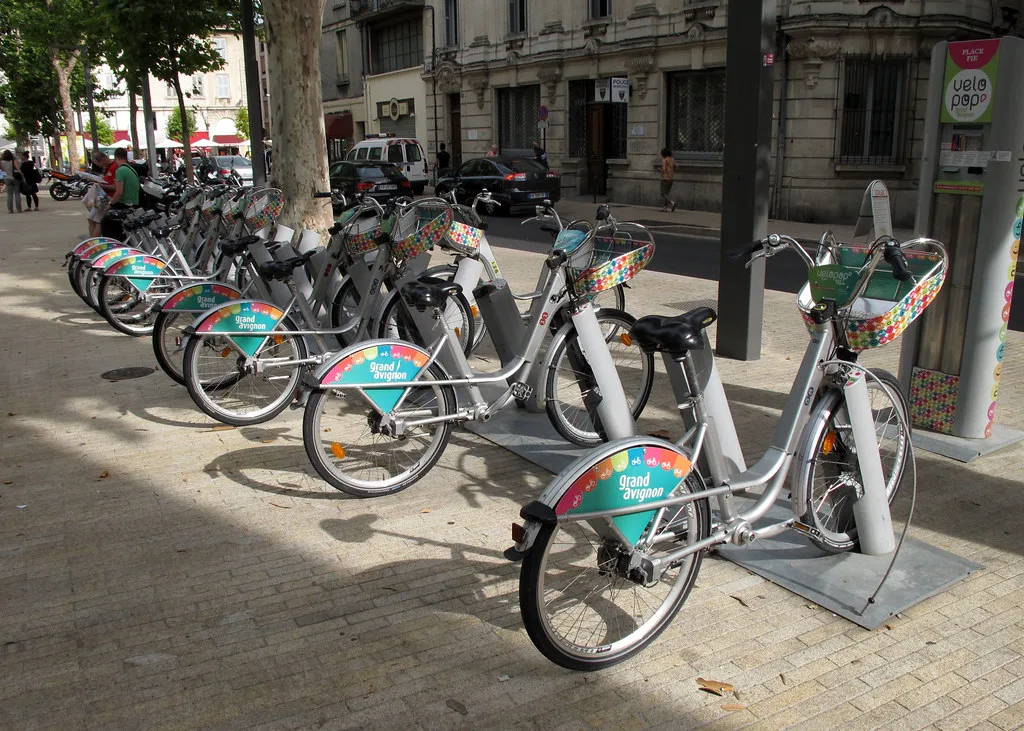
Short-term subscriptions are available for one day or seven days, making it perfect for tourists. The first 30 minutes of each ride are usually free, which encourages quick trips between landmarks. Visit velopop.fr to see a real-time map of available bikes and docking spaces.
While the city has added many bike lanes, cycling inside the narrow walled center requires caution due to pedestrian traffic. It is often better to use the riverfront paths along the Rhône for a more scenic and relaxed ride. Similar bike-sharing success can be seen in our guide to dijon public transport options.
Taxis and Private Transfers
When buses have stopped for the night or you are hauling luggage, a taxi is the simplest door-to-door option. Official taxis wait at the rank outside both Gare d'Avignon TGV and Gare d'Avignon Centre, and you can pre-book 24/7 through the local taxi union at taxis-avignon.fr. Fares are metered to national French tariffs, with a higher rate at night and on Sundays and public holidays.
As a rough guide, a daytime ride from the TGV station to a hotel inside the walls runs about €20–€30, while a short hop within the city centre is closer to €10. For the festival period in July or early-morning flights, reserve ahead, as demand spikes and street-hailing becomes unreliable. Ride-hailing apps have limited coverage in Avignon, so the official taxi rank or a phone booking is usually the dependable choice.
Driving and Free Park-and-Ride (P+R) Shuttles
Driving inside the medieval walls of Avignon is notoriously difficult due to one-way streets and limited parking. The city provides an excellent solution through its two free Park-and-Ride (P+R) facilities located just outside the center, each served by a free shuttle. Parking des Italiens (on avenue des Italiens) is the largest, with around 1,450 free spaces.
From Italiens, the free CityZen shuttle runs to Place Pie inside the walls 7 days a week, every 5–12 minutes from 7:00 AM to 9:00 PM. The other lot, Île Piot, sits on an island in the Rhône and offers roughly 1,100 free spaces; its free shuttle crosses to Porte de l'Oulle (the main city gate) every 10 minutes, but note it runs Monday to Saturday only — not Sundays or public holidays. Both lots are a 5–7 minute walk from the center if you prefer not to wait.
Using these lots saves you from the high costs of underground garages like the one at Palais des Papes. If you require a more direct door-to-door service, you can contact the local taxi union at taxis-avignon.fr for 24/7 assistance. Taxis are particularly useful for late-night returns when bus services have finished.
Frequently Asked Questions
How do I get from Avignon TGV to the city center?
The fastest way is the 'Virgule' shuttle train, which takes 5 minutes to reach Gare d'Avignon Centre. Tickets cost approximately €1.60 and can be bought at station machines. Alternatively, Orizo bus line 10 connects the two areas in about 15-20 minutes. Check travel tips for more arrival logistics.
Is there a tram in Avignon?
Yes, Avignon has a modern tramway system known as Line T1. It connects the Saint-Roch stop near the city walls to the southern Saint-Chamand district. Trams run frequently from 6:00 AM until midnight on most days, providing a reliable north-south connection for residents and visitors alike.
How much is a bus ticket in Avignon?
A single bus ticket costs €1.40 and is valid for one hour of unlimited transfers. You can purchase a carnet of 10 tickets for about €10.00 to save money. Tickets are available via the TixiPASS app, at station kiosks, or directly from bus drivers for a small surcharge.
Is Avignon walkable or do I need public transport?
The historic center within the medieval walls is very walkable and best explored on foot. However, you will likely need public transport to reach the TGV station, Villeneuve-lez-Avignon, or the free parking lots. The Orizo network is designed to complement the pedestrian-friendly nature of the Old Town.
Mastering Avignon public transport allows you to see more of the region while keeping your travel budget under control. By utilizing the free Park-and-Ride lots and the efficient Virgule shuttle, you can avoid the common pitfalls of city driving.
Remember to always validate your tickets and consider the Avignon City Pass if you plan to visit multiple museums. Whether you choose the tram, a Vélopop bike, or the regional Zou! buses, getting around this historic city is a straightforward process.
With a little planning, your transit experience in Provence will be as smooth as the local wine. Safe travels as you explore the bridges, palaces, and hidden squares of this beautiful French destination.
Free: The European City Transport Cheat Sheet
Airport-to-centre, the best ticket to buy, and the one local gotcha — for 5 European cities, plus the universal rules for trams, ferries, and parking.
You might also like


Continue reading
More guides you'll find useful