7 Essential European City Parking Guides & Rules
Master European city parking with our guide to ZTL zones, color-coded lines, and country-specific rules for Italy, France, Germany, and more.
 By Marco Bellini
On this page
7 Essential European City Parking Guides & Rules
Short on time? For most historic European centers in 2026 the cheapest, lowest-stress move is to not drive into the core at all: leave the car at a Park & Ride lot on the edge (€1.30–€2 in Rome, under €10/day in Paris, ~€8/day in Barcelona) and take the metro in. If you must park centrally, blue lines = paid (use the EasyPark or Parclick app, not coins), white = free or resident-only (check the sign), and yellow = never. Never drive into an Italian ZTL without a hotel-registered plate (fines start around €83), and order a Crit’Air (France) or Umweltplakette (Germany) sticker weeks ahead for the low-emission zones.
Driving through historic European centers offers unmatched freedom but presents a significant challenge when it comes to stopping. Narrow cobblestone streets and complex local regulations make European city parking guides essential for any road trip. Mastering the local rules ensures you spend more time sightseeing and less time paying expensive municipal fines.
Major destinations like Rome, Paris, and Berlin have implemented strict zones to reduce congestion and pollution. Understanding the difference between a standard metered spot and a restricted zone can save you hundreds of Euros. Preparation is key when getting around Europe by car during the busy 2026 travel season. This guide breaks down the visual language of European streets to keep your journey stress-free.
Free: The European City Transport Cheat Sheet
Airport-to-centre, the best ticket to buy, and the one local gotcha — for 5 European cities, plus the universal rules for trams, ferries, and parking.
Key Takeaways
- Blue lines mean paid parking; always look for a meter or use a mobile app.
- Italy's ZTL zones are camera-enforced; never enter without a verified permit or hotel registration.
- Order environmental stickers (Crit’Air/Umweltzone) weeks before your trip to avoid urban bans.
- Rental agencies charge extra administrative fees for every parking ticket they process for you.
Understanding European Parking Lines and Signs
The first thing most drivers notice in Europe is the rainbow of lines painted along the pavement edges. Blue lines almost always indicate paid parking areas where you must find a nearby meter or use an app. White lines typically signify free parking, though these are increasingly rare in major city centers. Always check for nearby signs even in white zones, as some may be reserved for local residents only.
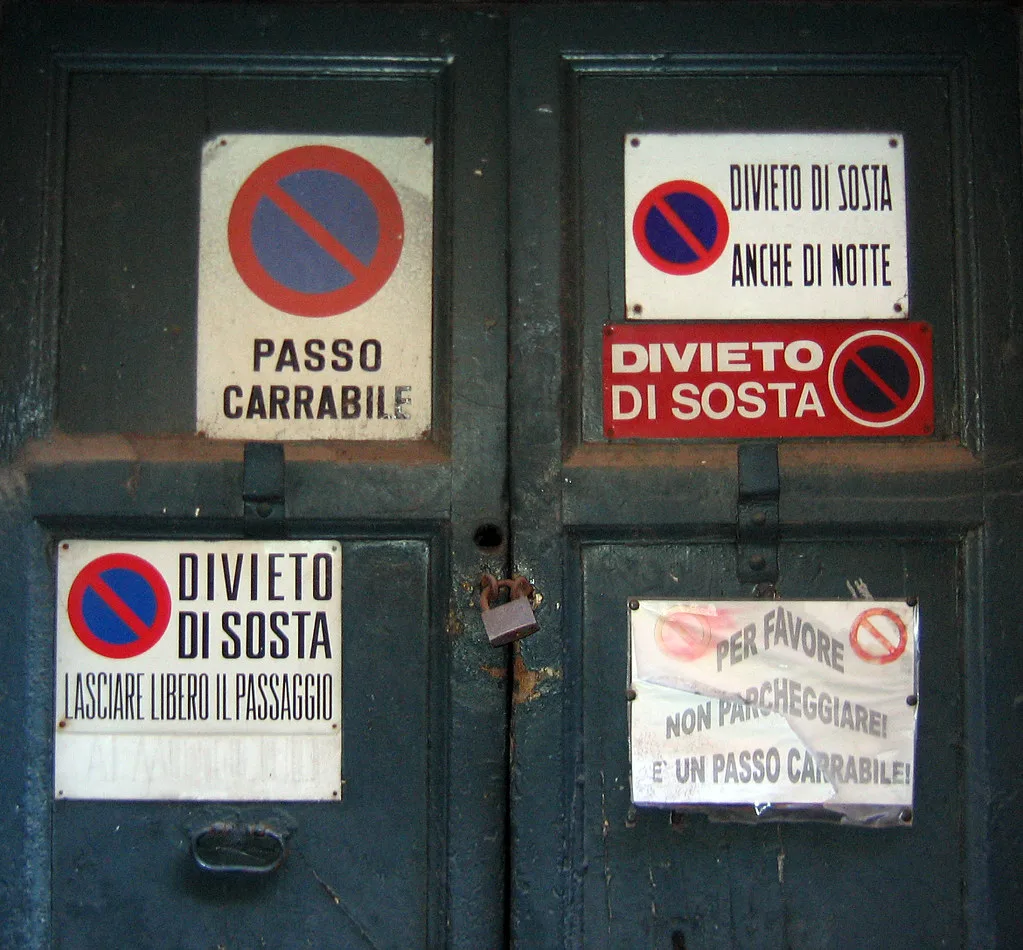
Yellow markings serve as a universal warning to keep moving or expect a quick tow. These lines generally denote restricted areas such as bus stops, loading zones, or emergency access points. In some regions, you might even encounter pink lines specifically designated for expectant mothers or families. Misinterpreting these colors is one of the most common mistakes travelers make when visiting dense urban areas.
- Common European Pavement Markings
- Blue: Paid metered parking
- White: Free or resident parking
- Yellow: Strictly no parking
- Pink: Family-priority spaces
Navigating Limited Traffic Zones (ZTL) and Low Emission Zones
Italy is famous for its Zona Traffico Limitato, or ZTL, which can be a nightmare for unsuspecting tourists. These zones use automated cameras to scan license plates and issue fines to unauthorized vehicles. Entering a ZTL without a permit often results in a penalty exceeding €100 per violation. If your hotel is located inside a ZTL, ensure they register your rental car plate upon arrival.
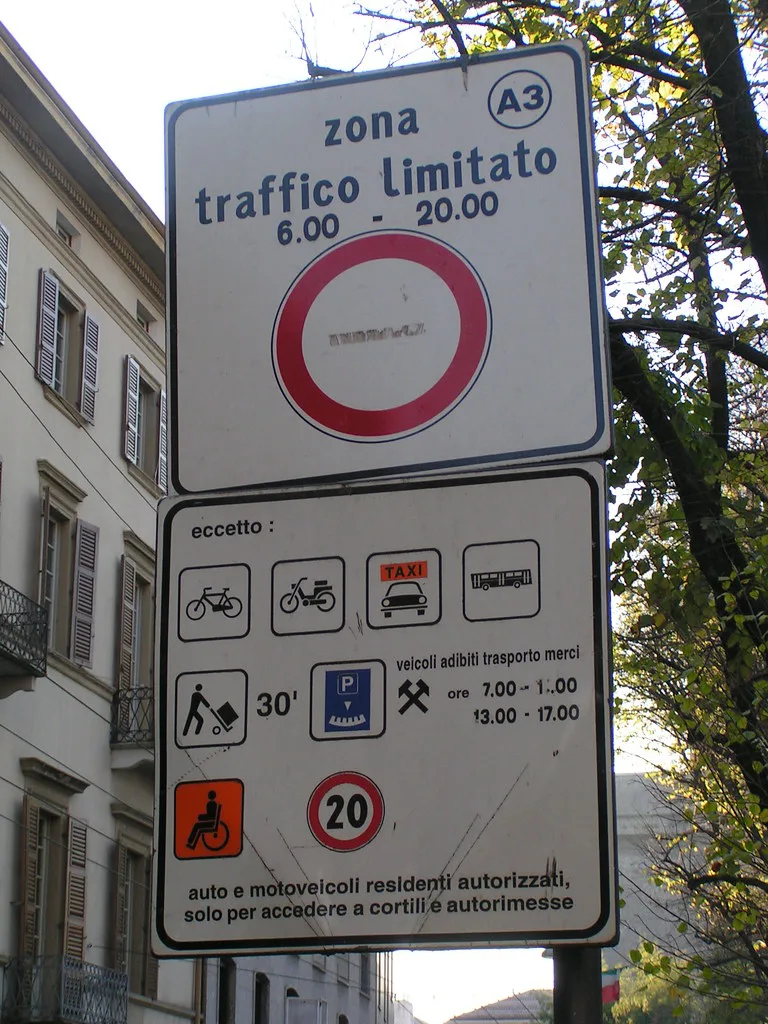
France and Germany utilize environmental zones to manage air quality in cities like Paris and Munich. Drivers in France must often display a Crit’Air sticker to prove their vehicle meets emission standards. Failure to have the correct sticker during high-pollution days can lead to immediate fines and vehicle bans. Check the Rick Steves Driving in Europe Tips for current advice on navigating these environmental restrictions.
- Steps to Avoid ZTL and LEZ Fines
- Research: Check city maps online
- Stickers: Buy Crit’Air early
- Apps: Use Waze for alerts
- Hotels: Confirm ZTL access
Country-Specific Parking Rules: Italy, France, and Germany
Italy requires the use of a 'disco orario' or parking disc in many blue and white zones. This small cardboard clock allows you to set your arrival time for time-limited free spots. You can find these discs at petrol stations or tobacco shops for a few Euros. Specific rules for Catania parking often involve these discs in coastal areas.
German cities are remarkably organized but have strict 'Umweltzone' or green zone requirements. You cannot park or drive in central Berlin or Cologne without a valid green emission sticker. Parking on the sidewalk is strictly forbidden unless specific signs explicitly permit the practice. Local authorities are very efficient at ticketing vehicles that overlap onto pedestrian walkways.
French parking rules often change based on the date of the month in smaller towns. Some streets alternate parking sides to allow for street cleaning or better traffic flow. Look for signs indicating 'Côté du Stationnement' to see which side is legal that day. In Paris, underground garages are usually a safer bet than trying to decipher street signs.
How to Pay for Parking in Major European Cities
Modern travelers should download parking apps like EasyPark or Parclick before starting their engines. These digital tools allow you to pay by the minute and extend your session remotely. Using an app removes the need for local coins or struggling with foreign-language kiosks. Many apps also provide a map of available garages with real-time pricing updates.
Physical parking meters still exist but often require a 'pay and display' ticket. Most machines now accept contactless credit cards, though some older models in small villages still need coins. Always place your ticket clearly on the dashboard to avoid a technician's error. In places like Noto parking lots, attendants might still collect cash during peak hours.
- Hourly Parking Cost Comparison (2025)
- Paris: €4.00 - €6.00
- Milan: €2.00 - €4.50
- Barcelona: €3.00 - €5.50
- Berlin: €1.00 - €3.00
| City | Central street parking (per hour, 2026) | Park & Ride (per day) | Pay-by-app |
|---|---|---|---|
| Paris | €4.00 – €6.00 | under €10 (Parc Relais) | EasyPark / PaybyPhone |
| Milan | €2.00 – €4.50 | ~€5 (ATM P+R) | EasyPark / MyCicero |
| Barcelona | €3.00 – €5.50 | ~€8 (B:SM P+R) | Parclick / ApparkB |
| Rome | €1.20 – €2.00 | ~€2 / 12h (ATAC P+R) | EasyPark / MyCicero |
| Berlin | €1.00 – €3.00 | ~€5 (BVG P+R) | EasyPark / ParkNow |
Park & Ride: The Smart Way to Skip City-Center Parking
For most travelers the best parking decision is to avoid the historic core entirely. Nearly every major European city runs official Park & Ride lots (called Parc Relais in France, P+R in Spain and Germany) on the outer ring, where a flat daily rate plus a metro ticket costs a fraction of a central garage and keeps your car well clear of ZTL cameras and low-emission bans. Combined with public transport, this is consistently the cheapest and least stressful option for a day of sightseeing.
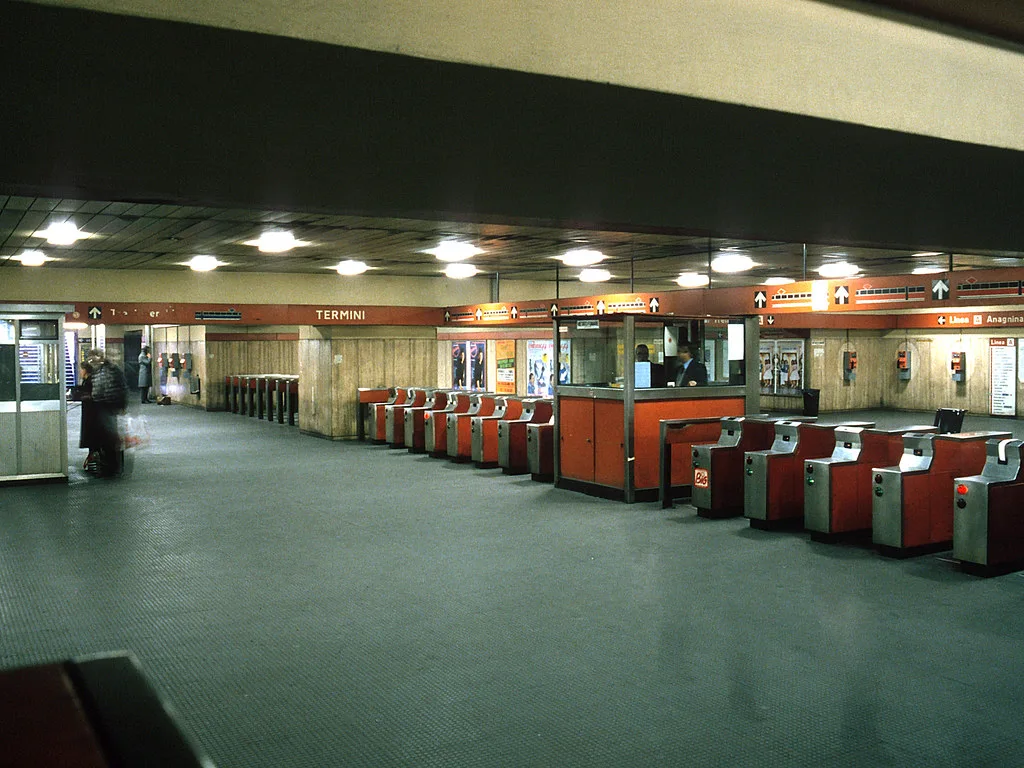
In Rome, ATAC-run P+R lots beside Metro Line A (red) and Line B (blue) charge roughly €2 for 12 hours: Anagnina (Line A terminus), Battistini (Line A western terminus), and Ponte Mammolo or Rebibbia (Line B) all feed directly into the center in 20–30 minutes. In Paris, the RATP Parc Relais network at terminus stations such as Porte d’Orléans, Château de Vincennes, and La Défense runs under €10 per day; the SNCF lot at Chantilly is as low as €1.30/hour on the RER. In Barcelona, the city’s Aparcaments B:SM P+R sites are around €8 per day (a ~€39.90 flat rate covers 5 days) and connect to the Metro within minutes.
- Where to leave the car and ride in (2026)
- Rome: Anagnina / Battistini lot, ~€2 / 12h, Metro Line A
- Paris: Parc Relais Vincennes or La Défense, under €10/day
- Barcelona: B:SM P+R, ~€8/day or €39.90 / 5 days
- Munich: P+R near U-Bahn ring, ~€5/day with valid ticket
Essential Parking Etiquette and Safety Tips
European parking spots are notoriously tight compared to North American or Australian standards. It is standard practice to fold in your side mirrors to prevent them from being clipped by passing traffic. Parking within the lines is vital as local drivers often park with very little clearance. Avoiding friction with locals means respecting residential zones and not blocking narrow alleyways.
Safety is a concern in large urban garages where car break-ins can occur. Never leave valuables, luggage, or electronics visible inside the vehicle when parked. Choose well-lit, multi-story car parks over secluded street spots whenever possible. Small villages like Valldemossa parking areas are generally safer but still require basic caution.
What to Do if You Get a Parking Ticket in Europe
Finding a slip of paper on your windshield can be a frustrating end to a day of touring. Most European municipalities offer a significant discount if you pay the fine within five days. Instructions for online payment are usually printed on the back of the ticket in several languages. Ignore a ticket at your peril, as the debt often follows you back across the border.
Rental car companies will charge an administrative fee for every fine they process on your behalf. This fee is separate from the actual fine and is usually charged directly to your credit card. Expect to pay between €30 and €50 just for the agency to provide your details to the police. Keep all receipts if you pay a fine locally to prevent double-billing by the rental company.
Managing Car Hire Insurance and Parking Claims
Scrapes and dents are common when navigating tight European parking garages. Check your rental agreement to see if your Collision Damage Waiver covers minor parking lot incidents. Many basic policies have high excesses that might exceed the cost of a small scratch. Taking photos of your car in the parking spot can help prove you weren't responsible for new damage.
If you discover damage while the car is parked, contact the rental agency immediately. Filing a police report may be necessary for the insurance company to process a claim. Private insurance providers often offer better coverage for 'hit and run' parking incidents than rental desks. Reviewing Ravello parking tips can help you find wider spots to minimize risk.
Frequently Asked Questions
What should I do if I get a parking ticket in Europe?
Pay the fine as soon as possible to take advantage of early payment discounts. Most cities provide a website for credit card payments. If you are in a rental car, notify the agency and expect a separate administrative fee for processing the ticket. Check our blog for more rental tips.
How do I know if I am entering a Limited Traffic Zone (ZTL)?
Look for white circular signs with a red border, often accompanied by a camera icon. These signs usually list the hours of restriction. GPS apps like Waze are helpful, but you must always watch the physical signage to avoid automated fines.
What do the different colored parking lines mean in Italy and France?
Blue lines signify paid parking where you must use a meter or app. White lines usually mean free parking, but check for resident-only signs. Yellow lines indicate no parking at any time. In Italy, you may also see pink lines for families.
Do I need a special sticker to park in Paris or Berlin?
Yes, Paris requires a Crit’Air sticker and Berlin requires an Umweltplakette (Environmental Badge). These stickers certify your vehicle's emission level. You can order them online in advance to avoid fines when entering the city centers.
Navigating the parking landscape of Europe requires a mix of digital tools and old-fashioned observation. By understanding the color-coded lines and respecting ZTL zones, you can avoid the most common travel pitfalls. Always prioritize secure garages over street parking when carrying luggage or exploring high-traffic areas. A little research into Assisi parking or other specific towns ensures a smooth journey.
Remember that rules can change between 2025 and 2026 as more cities adopt green energy policies. Stay flexible and keep a small amount of local currency for those rare coin-only meters. Safe parking is the foundation of a successful European road trip adventure. Enjoy the historic sights knowing your vehicle is legally and safely tucked away.
Explore Every Guide
All 40 guides in this collection, kept current for 2026.
France
Germany
- Fussen castle parking
- Garmisch parking
- Regensburg parking
- Rothenburg ob der Tauber parking
- Ulm parking
Greece
Italy
- Agrigento Valley of the Temples parking
- Assisi parking
- Bosa parking
- Catania parking
- Enna parking
- Lucca parking
- Montepulciano parking
- Noto parking
- Ortigia parking
- Orvieto parking
- Ragusa Ibla parking
- Ravello parking
- San Gimignano parking
- Sirmione parking
- Spoleto parking
- Udine parking
- Vicenza parking
- Viterbo parking
- Volterra parking
Portugal
Spain
Free: The European City Transport Cheat Sheet
Airport-to-centre, the best ticket to buy, and the one local gotcha — for 5 European cities, plus the universal rules for trams, ferries, and parking.
You might also like

Continue reading
More guides you'll find useful