Comprehensive Guide to Burgos Public Transport
Master Burgos public transport with our guide to the Rosa Manzano station, city bus routes, fares, and expert tips for getting to the city center.
 By Marco Bellini
On this page
Comprehensive Guide to Burgos Public Transport
Quick answer: Burgos city center is small and walkable, so you rarely need a bus once you arrive. The catch is the train station — Burgos-Rosa Manzano sits about 5 km north of the Cathedral. To bridge that gap, take a city bus (Line 2 or 25 toward Plaza de España, ~20 min, €1.20 cash) or a taxi from the rank outside (~10 min, €10–15). Single bus fares are €1.20; a rechargeable Bonobús card (about €5 to acquire, then ~€0.45–0.70 per trip) pays off after a few rides. This guide covers the station, the bus and taxi options, fares, and the central Estación de Autobuses — so you arrive without confusion.
Free: The European City Transport Cheat Sheet
Airport-to-centre, the best ticket to buy, and the one local gotcha — for 5 European cities, plus the universal rules for trams, ferries, and parking.
Overview of Burgos Public Transport
The transport system in Burgos is designed around efficiency and connectivity for both locals and visitors. Most travelers arrive via the modern railway station or the central bus terminal located near the Arlanzón River. City buses serve as the primary mode of transit for reaching outlying neighborhoods and the university district. For those exploring other Spanish cities, you might find similarities with dijon public transport in terms of regional hub layouts.
Burgos has invested heavily in modernizing its infrastructure to accommodate high-speed rail services. The city bus network is extensive, with over 30 lines connecting the historic core to residential areas. Taxis provide a reliable alternative, especially for those arriving late at night or carrying heavy luggage. Walking remains the best way to see the UNESCO-listed Cathedral and the surrounding medieval streets.
Travelers should note that the train station and the regional bus station are in completely different parts of the city. Confusing these two hubs is a common mistake that can lead to missed connections or long walks. Always verify your departure point on your ticket before heading out for the day. Local signage is generally clear, but knowing the specific bus numbers beforehand is a major advantage.
Burgos-Rosa Manzano Railway Station Guide
The Burgos-Rosa Manzano station is a sleek, minimalist facility located on Avenida Príncipes de Asturias. It serves as a vital stop for Renfe high-speed AVE trains connecting Madrid to the northern coast. The station features a spacious waiting area, a small cafeteria, and digital information boards for real-time updates. Travelers can find official station details and schedules through the Visitaburgosciudad.es portal.
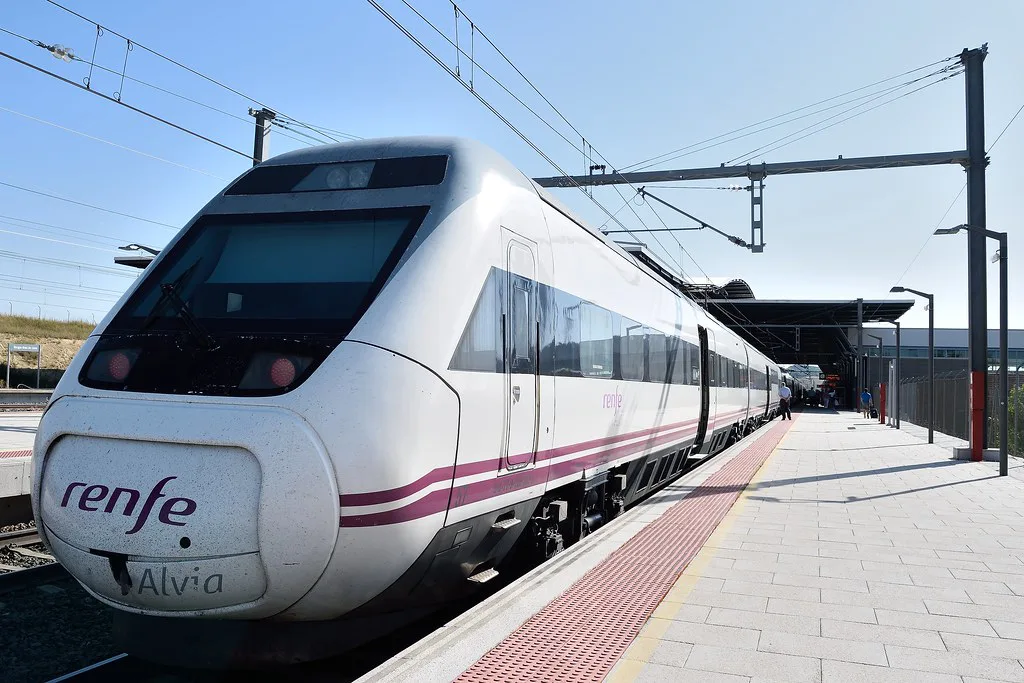
Accessibility is a priority at this hub, with the Atendo service available for passengers with reduced mobility. Ramps, elevators, and tactile paving ensure that all travelers can navigate the platforms with ease. Staff members are usually available near the ticket windows to assist with booking or route inquiries. If you are coming from other regional hubs like reims public transport, you will appreciate the modern, clean layout here.
The station is situated roughly 5 kilometers north of the city center, making a transit plan necessary upon arrival. While it feels remote, the connection to the center is frequent during daylight hours. Rental car desks are located within the terminal for those planning to explore the wider province. Most high-speed services from Madrid Chamartín arrive here in under two hours, making it a popular day-trip route.
Navigating the Burgos City Bus Network
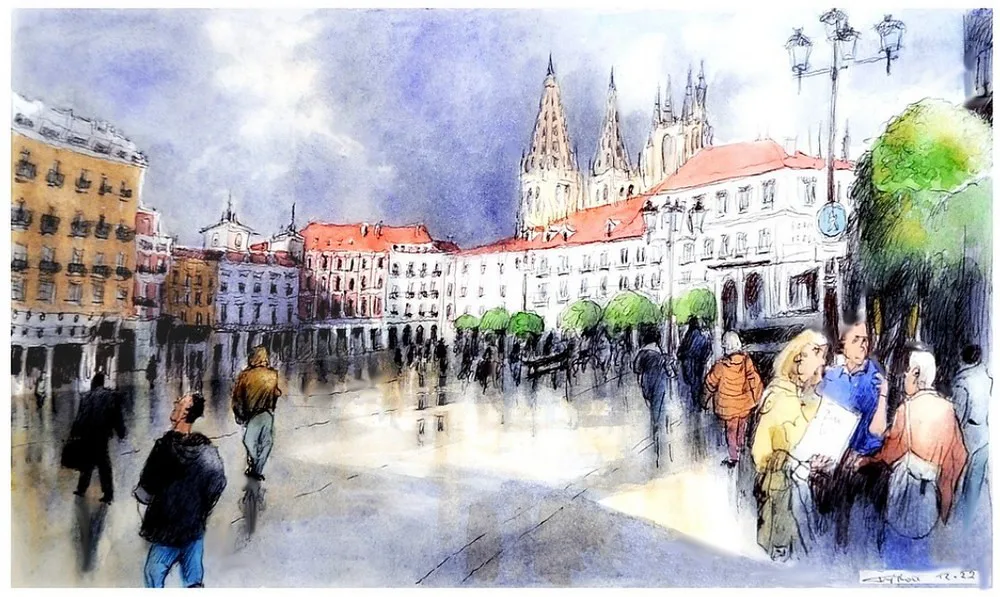
The local bus system, known as Autobuses Urbanos, is the backbone of Burgos public transport. Plaza de España serves as the main transfer point where many different lines converge near the historic center. Buses are painted in a distinctive red and white livery, making them easy to spot from a distance. For real-time tracking and route planning, many visitors rely on the Moovitapp.com platform.
Service frequency varies by line, but major routes typically run every 10 to 20 minutes on weekdays. Schedules are slightly reduced on Sundays and public holidays, so plan accordingly for weekend visits. The 'Búho' or night bus service operates on Friday and Saturday nights for late-night travelers. This late-night option is particularly useful if you are returning from a long dinner in the city's famous tapas bars.
Route 2 and Route 5 are the most critical lines for tourists arriving by rail. These buses specifically link the Rosa Manzano station with the central Plaza de España. Digital displays inside the buses announce the next stops, which helps travelers avoid missing their destination. If you have used bari public transport, you will find the Burgos system similarly straightforward but much more punctual.
- Route 2: Station to Plaza de España
- Frequency: Every 20 mins
- Key Stop: Plaza de España
- Travel Time: 15-20 mins
- Best for: Historic center
- Route 5: Station to Barrio del Pilar
- Frequency: Every 30 mins
- Key Stop: Avenida de la Paz
- Travel Time: 18 mins
- Best for: Northern hotels
- Route 7: Station to El Parral
- Frequency: Limited schedule
- Key Stop: University area
- Travel Time: 22 mins
- Best for: Student housing
Fares, Tickets, and Payment Methods
Understanding the fare structure can save you significant money during your stay in Burgos. A single bus ticket currently costs approximately €1.20 and can be purchased directly from the driver. Drivers generally prefer small change, so try to avoid using large bills like €20 or €50. Detailed practical information about living and moving in the city can be found on the Ubu.es website.
The Bonobús card is the best option for anyone planning more than three or four trips. This rechargeable card reduces the cost per journey to roughly €0.45, offering massive savings. You can purchase and top up these cards at local tobacco shops (estancos) and designated kiosks. Using a Bonobús also allows for free transfers between different lines within a 45-minute window.
Tourists should look for the 'Estanco' sign, which is a maroon T-shape, to find card vendors. The initial card requires a small deposit, but it can be shared among multiple people traveling together. Simply tap the card against the reader once for each passenger boarding the bus. This system is much simpler than the multi-zone tickets found in zaragoza public transport networks.
Getting from the Train Station to the City Centre
The 5-kilometer distance between the Rosa Manzano station and the center is a major consideration for arrivals. Walking this route is not recommended for most travelers, as it follows busy roads with limited scenery. A taxi is the fastest method, typically costing between €10 and €15 depending on the time of day. Taxis are always waiting at the rank directly outside the main station exit.
Buses are the most economical choice and depart from the stop just a few meters from the terminal. Look for the Route 2 bus, which provides the most direct path to the heart of the city. The journey takes about 20 minutes and drops you off near the statue of El Cid. Checking the community.Ricksteves.com forums can provide updated traveler experiences regarding these connections.
During peak morning and evening hours, buses can become crowded with commuters and students. If you have a lot of luggage, consider waiting for the next bus or opting for a taxi. The bus stop at the station has a digital screen showing the exact minutes until the next arrival. This level of predictability makes the Burgos public transport system very reliable for tight schedules.
Taxis and Private Transport Options
Taxis in Burgos are white with a diagonal stripe and run on the regulated municipal meter, so you should never agree a flat price off the books. A ride from the Rosa Manzano station to the Cathedral typically runs €10–€15 and takes about 10 minutes; expect the higher end at night, on Sundays, and on public holidays, when the Tarifa 2 night-and-holiday rate applies. There is a small minimum fare plus a per-kilometre charge, and luggage is generally included, so a metered fare is the safest bet for two or more people splitting the cost. A taxi rank sits directly outside the station exit, and another 24-hour rank serves the central Estación de Autobuses on Calle Miranda. To call ahead, Radio Taxi Burgos (+34 947 481 010) is the main dispatcher.
For the 5 km station-to-centre gap, the choice comes down to budget versus speed and luggage. Use the quick comparison below to decide before you walk out of the terminal.
| Option | Time | Cost (solo) | Effort / luggage | Best for |
|---|---|---|---|---|
| City bus (Line 2 or 25) | ~20 min | €1.20 cash (€0.45–0.70 with Bonobús) | Low — but crowded at rush hour | Budget travelers, light bags |
| Taxi | ~10 min | €10–15 (split among up to 4) | Lowest — door to door | Late arrivals, heavy luggage, groups |
| Walking | ~55–60 min | Free | High — busy roads, little scenery | Not recommended |
Ride-hailing apps such as Uber and Bolt have limited or no coverage in Burgos, so do not count on them for your arrival — the metered taxi rank is the reliable equivalent. Private airport-style transfers can be pre-booked for groups but cost more than a metered taxi for the short station run.
Regional Bus Connections (Estación de Autobuses)
The Estación de Autobuses de Burgos is located centrally on Calle Miranda, near the Cathedral. This terminal handles regional and long-distance coaches, including those operated by ALSA. It is the primary hub for travelers coming from smaller villages in Castile and León or from France. You can check long-distance schedules and book tickets via the Alsa.com website.
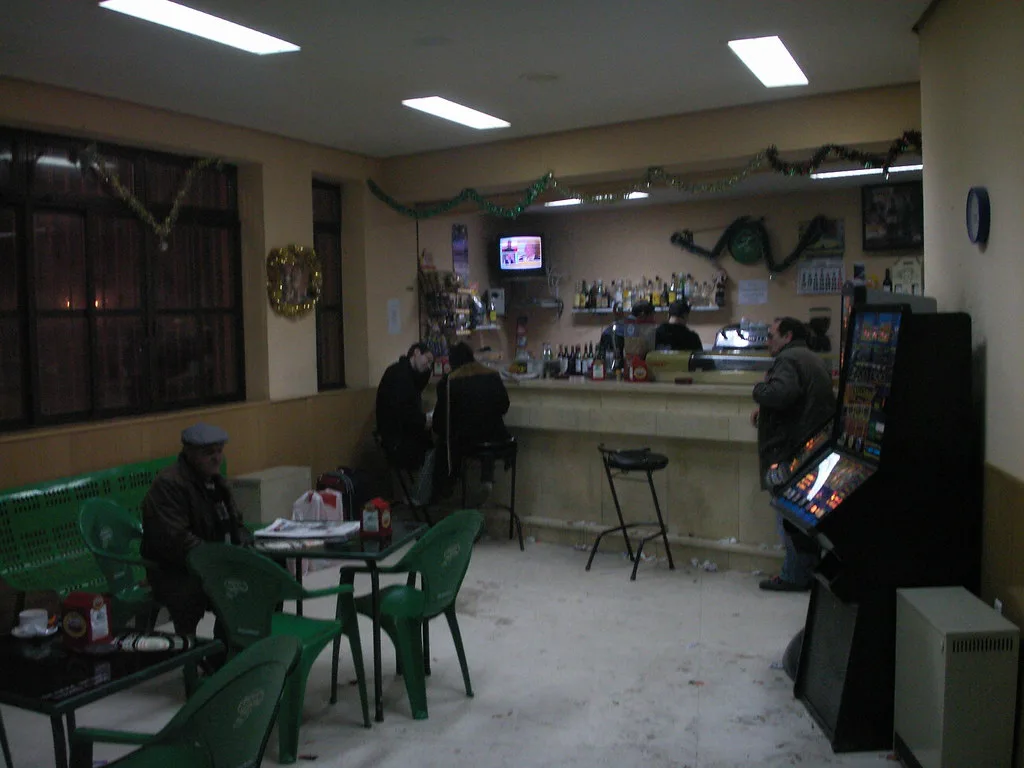
The bus station is within easy walking distance of most major hotels and the historic district. It offers amenities like a small cafe, newsstands, and basic restroom facilities. Unlike the train station, you won't need a local bus to reach the main tourist attractions from here. This central location makes it a preferred choice for many budget-conscious travelers.
Lockers for luggage storage are available inside the bus terminal for a small daily fee. This is perfect for those who want to explore the city for a few hours before catching a late bus. Staff at the information desk can help with local maps and general directions. For further inspiration on regional travel, the hopwander.com/blog offers excellent tips for exploring northern Spain.
Essential Passenger Tips and Accessibility
Traveling through Burgos is generally smooth, but a few local tips can enhance your experience. Always keep your ticket or Bonobús card until you have exited the bus or station. Ticket inspectors do perform random checks, and fines for traveling without a valid fare are strictly enforced. For more background on the city's layout, the en.Wikivoyage.org page is a great resource.
Luggage storage (consignas) at the train station is limited, so the bus station is often a better bet. If you require the Atendo accessibility service, it is best to book it at least 48 hours in advance. This ensures that staff are ready to assist you with boarding and disembarking from the high-speed trains. The station layout is flat and easy to navigate for those using wheelchairs or strollers.
Most bus drivers in Burgos do not speak fluent English, so have your destination written down. Knowing a few basic Spanish phrases for 'ticket' (billete) and 'stop' (parada) is very helpful. The city is very safe, but keep an eye on your belongings in crowded transfer areas like Plaza de España. Similar safety precautions are advised when using catania public transport or other busy Mediterranean hubs.
Frequently Asked Questions
How do I get from Burgos train station to the city centre?
The best way is to take the Route 2 bus, which leaves from outside the station and goes to Plaza de España. The trip takes 20 minutes and costs €1.20. Alternatively, a taxi takes 10 minutes and costs around €12. For more tips, check our blog.
What is the best way to pay for buses in Burgos?
Using a Bonobús card is the most cost-effective method, reducing fares to about €0.45 per trip. You can buy these at local tobacco shops. Single tickets are also available from the driver for €1.20 in cash.
Are there high-speed trains to Burgos?
Yes, Burgos is served by high-speed AVE and Alvia trains operated by Renfe. These connect the city to Madrid in approximately 1 hour and 45 minutes. All high-speed services arrive at the Rosa Manzano station.
Where is the main bus station in Burgos located?
The Estación de Autobuses is located on Calle Miranda, right in the city center. It is just a short walk from the Burgos Cathedral and the Museum of Human Evolution. This is different from the train station.
Is there luggage storage at Burgos railway station?
Luggage storage at the Rosa Manzano train station is very limited or sometimes unavailable. It is recommended to use the lockers at the central bus station on Calle Miranda. This central location is more convenient for sightseeing.
Burgos public transport offers a reliable and affordable way to explore this stunning Spanish city. By mastering the connection between the Rosa Manzano station and the city center, you save both time and money. Whether you choose the budget-friendly Bonobús or a quick taxi, the city's infrastructure supports a seamless visit. Enjoy your time exploring the Gothic wonders and culinary delights of Burgos with confidence.
Free: The European City Transport Cheat Sheet
Airport-to-centre, the best ticket to buy, and the one local gotcha — for 5 European cities, plus the universal rules for trams, ferries, and parking.
You might also like


Continue reading
More guides you'll find useful