Trapani Public Transport: 10 Ways to Navigate the City
Master Trapani public transport with our 2026 guide. Learn about ATM urban buses, AST regional coaches, Egadi ferries, airport transfers, and ticket tips.
 By Marco Bellini
On this page
Trapani Public Transport: 10 Ways to Navigate the City and Beyond
Quick answer: Trapani's historic center is compact and best explored on foot. For everything else: take the AST shuttle from Birgi Airport (TPS) — every hour 06:30–23:30, about 40 minutes, €4.90. Reach the Egadi Islands by Liberty Lines hydrofoil from the port (Favignana in ~30 min, ~€12–13 one-way). Use AST regional buses for Erice, San Vito Lo Capo, and Segesta, and regional trains for Marsala. Always buy tickets in advance at a Tabaccheria (blue "T" sign) and validate on board. Driving? The old town is a ZTL (no cars) — park at the port lots first.
Below we break down each option with 2026 fares, operators, and the tickets-and-validation rules that catch out first-time visitors. You will encounter local urban buses for short trips, AST coaches for regional adventures, and hydrofoils for the islands — different operators with different ticket offices. Get ready to navigate the Sicilian transit network like a seasoned local.
Free: The European City Transport Cheat Sheet
Airport-to-centre, the best ticket to buy, and the one local gotcha — for 5 European cities, plus the universal rules for trams, ferries, and parking.
Urban Bus Routes (ATM Trapani)
The city relies on the ATM network for connections between the harbor, the railway station, and the outskirts. Most urban lines run frequently during the day, though service tends to taper off in the late evening. Check the ATM Trapani Official Site for real-time updates on route changes. Visitors usually find the circular routes most helpful for reaching the main tourist attractions.
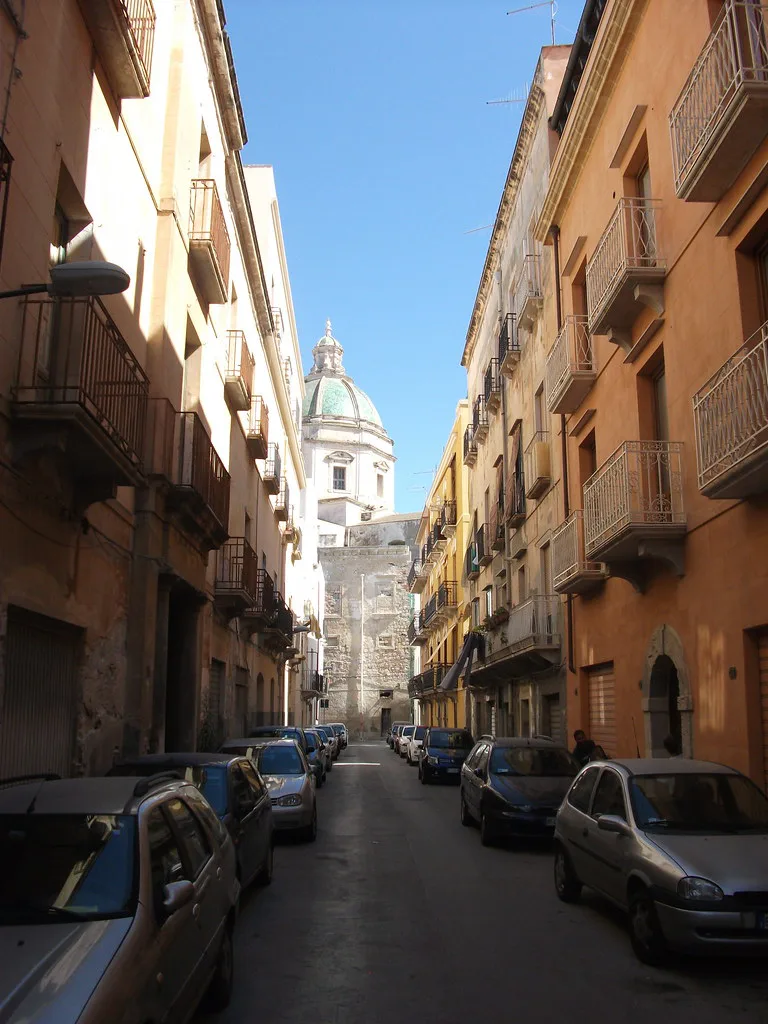
Tickets for these buses are rarely sold by the driver and must be purchased in advance. A standard single journey ticket typically costs around €1.20 and is valid for 90 minutes. Day passes are also available for those planning multiple trips across the city. Always look for the blue ATM stickers on shop windows to identify authorized ticket sellers.
The bus stops are marked with yellow or white signs listing the line numbers and destinations. Be aware that schedules posted at the stops are often just estimates rather than strict timings. Patience is key when waiting for transport during the busy midday siesta hours. Using a public transport guide can help you decipher the local map more efficiently.
- Single Ticket (90 Minutes)
- Cost: €1.20
- Valid: All ATM lines
- Where: Tabaccheria shops
- Best for: Quick city trips
- Daily Urban Pass
- Cost: €3.50 approx
- Valid: 24 hours
- Where: ATM kiosks
- Best for: Active sightseeing
| Mode | Operator | Best for | Approx. fare (2026) | Buy / validate |
|---|---|---|---|---|
| Urban bus | ATM Trapani | Port, station, outskirts | €1.20 single / €3.50 day | Tabaccheria → stamp on board |
| Regional coach | AST / Segesta | Erice, San Vito, Segesta, Palermo | €5–15 | Terminal kiosk → stamp on board |
| Airport shuttle | AST | Birgi (TPS) to centre | €4.90 one-way | Airport desk / app |
| Hydrofoil | Liberty Lines | Egadi Islands (Favignana etc.) | €12–25 one-way | Online / port office |
| Regional train | Trenitalia | Marsala, Mazara, Castelvetrano | ~€5 | Station → stamp paper ticket |
| Taxi | White cabs (no Uber) | Late nights, luggage | €8–12 city / €35–45 airport | Rank or phone; cash handy |
Regional Coaches (AST and Segesta)
Leaving the city limits requires switching from urban buses to regional operators like AST and Segesta. AST buses connect Trapani to popular spots like San Vito Lo Capo and the medieval village of Erice. You can find detailed route maps on the AST (Regional Buses) portal. These coaches are generally comfortable and equipped with air conditioning for the hot Sicilian summers.
Segesta Autolinee is the primary choice for travelers heading toward Palermo or the famous Segesta temple. The journey to Palermo takes roughly two hours and offers a scenic view of the coastline. Booking your seat online during the peak summer months is highly recommended to avoid full buses. Most regional departures leave from the main hub located near the Trapani railway station.
Distinguishing between these companies is vital because they use different ticket offices. While ATM handles the city, AST focuses on the wider province and longer distances. Fares vary significantly based on the destination, with most regional tickets costing between €5 and €15. Refer to our Bari public transport guide if you plan to explore other Italian regions later.
Trapani Airport Transfers (Birgi and Palermo)
Arriving at Vincenzo Florio Airport, also known as Birgi (airport code TPS), places you about 15 kilometers from the city. The most economical way to reach the center is via the dedicated AST shuttle bus. It departs roughly every hour between 06:30 and 23:30, takes about 40 minutes, and costs €4.90 one-way. Travelers should consult the Airgest (Trapani Airport) site for the latest shuttle timings, as departures are scheduled to sync with flight arrivals. The bus drops passengers near the port and railway station.
If your flight lands at Palermo Airport, you will need a different transfer strategy. Direct buses run between Palermo Airport and Trapani several times a day, taking about 70 minutes. Taxis are available but can be quite expensive for such a long distance between cities. Shared shuttles often provide a middle ground for those seeking comfort at a lower price point.
The cost for a one-way bus ticket from Birgi to Trapani is approximately €4.90. Tickets can be bought directly at the airport terminal or through the operator's mobile app. Ensure you check the flight arrival times as buses are scheduled to sync with major landings. Late-night arrivals may find limited bus options and might need to pre-book a private transfer.
| From airport | Option | Time | Approx. cost |
|---|---|---|---|
| Birgi (TPS) | AST shuttle bus | ~40 min | €4.90 |
| Birgi (TPS) | Taxi | ~20 min | €35–45 |
| Palermo (PMO) | Direct coach (Salemi/Segesta) | ~1h 20m | €11–12 |
| Palermo (PMO) | Taxi / private transfer | ~1h 20m | €140–180 |
Ferry and Hydrofoil Services to the Egadi Islands
The port of Trapani serves as the gateway to the stunning islands of Favignana, Levanzo, and Marettimo. Liberty Lines operates high-speed hydrofoils that reach Favignana in as little as 30 minutes. Visit the Liberty Lines (Ferries) website to secure tickets during the busy holiday season. Siremar offers slower, larger ferries that are better suited for travelers with cars or heavy luggage.
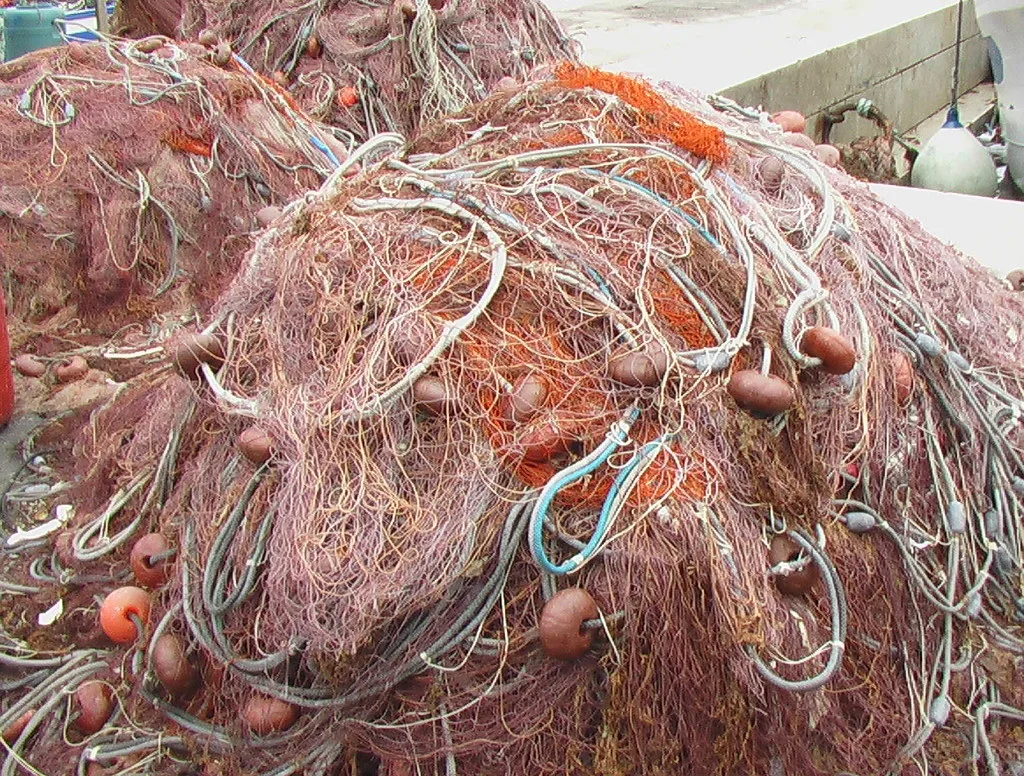
Booking windows are critical for summer travelers who want to visit the islands on weekends. Popular morning departures often sell out days in advance during July and August. The hydrofoil terminal is located at the end of Via Ammiraglio Staiti, near the city center. Always arrive at least 20 minutes before departure to navigate the boarding queues and security.
Ticket prices for the hydrofoils usually range from €12 to €25 depending on the destination. Small luggage items are typically included, but larger suitcases may require an extra fee. Rough sea conditions can occasionally lead to cancellations, so check the weather forecast before heading out. Exploring the islands is a highlight for anyone visiting Italy's western coast.
Train Travel from Trapani Central Station
The Trapani railway station connects the city to Marsala, Mazara del Vallo, and Castelvetrano. While trains are often slower than buses in Sicily, they offer a very relaxed way to travel. Regional trains run on a fairly consistent schedule throughout the week with reduced Sunday service. Check the Trenitalia app for the most accurate platform information and departure times.
One major advantage of the train is the direct access to the center of nearby coastal towns. The route to Marsala is particularly scenic as it passes by the famous salt pans. Expect to pay around €5 for a regional ticket to most nearby destinations. If you enjoyed the rail system here, you might like the Colmar public transport network in France.
Always remember to validate your paper ticket at the green or yellow machines before boarding. Failure to stamp your ticket can result in a heavy fine from the onboard conductors. Digital tickets purchased on a smartphone do not require physical validation but must be shown on screen. The station itself is located within walking distance of the main shopping district and port.
Taxis and Private Transfers
Trapani is small enough that taxis are mainly useful for late-night arrivals, heavy luggage, or trips outside bus hours. There is no Uber here, so you take official white taxis from the ranks at the railway station, the port, and Birgi Airport, or book one by phone. A short hop across the city center usually runs €8–12, while the ride from Birgi Airport to the center costs roughly €35–45 and takes about 20 minutes.
Fares are metered within the city, but for longer or out-of-town journeys it is normal — and smart — to agree on a fixed price before you set off. Expect surcharges in the evening, on Sundays, and for luggage. For the long haul from Palermo Airport, a private transfer (around €140–180 per car) is far pricier than the €11–12 coach, but it makes sense for groups, families, or late landings when the last direct buses have gone.
If you are reaching a hotel inside the historic center, tell the driver the address in advance: parts of the old town are a restricted ZTL zone (see below), so taxis may drop you at the nearest permitted point rather than the door. Carry a little cash, as not every driver accepts cards for small fares.
Car Rentals, Parking, and the ZTL
A rental car is the most flexible way to reach the Trapani–Erice salt pans, San Vito Lo Capo, or the Segesta temple at your own pace. The major agencies (Hertz, Avis, Europcar, Sicily by Car) all have desks at Birgi Airport, which is the cheapest place to pick up a vehicle. You do not, however, want a car for the city itself — Trapani's historic center is a ZTL (Zona Traffico Limitato), closed to non-resident traffic, with camera-enforced fines of roughly €80+ for unauthorized entry.
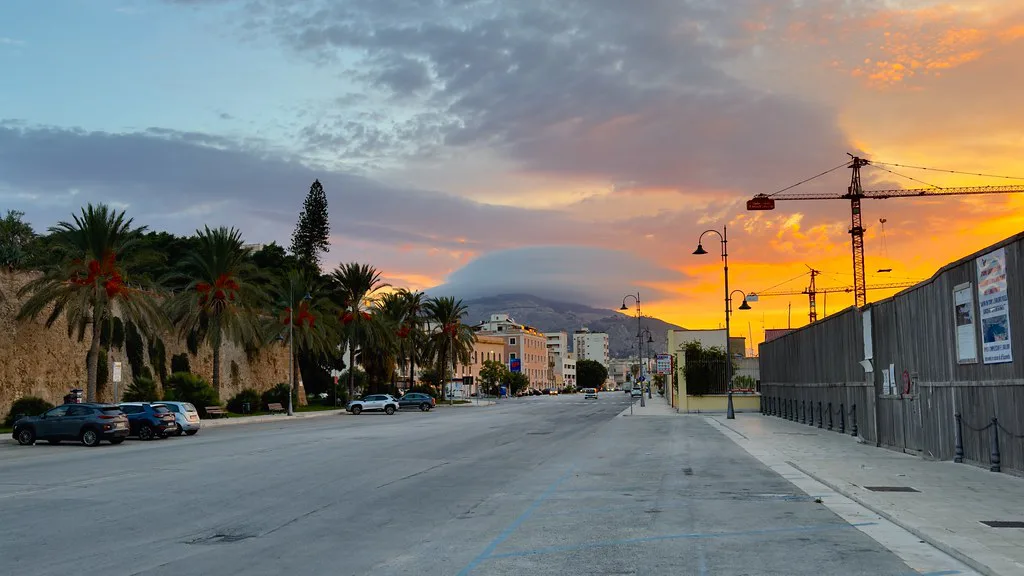
Leave the car outside the ZTL and walk in. The most convenient lots are by the port near the Egadi ferry terminal: the multi-storey Parcheggio Tránsiti and nearby port car parks charge around €12 per day (cheaper if you book online in advance). A second lot sits about a 10-minute walk east, and a third lies along the northern coast a similar distance out. For cheap on-street parking, blue-line bays on Via dei Grandi Eventi and Via Ilio cost as little as €0.10 per hour — pay at the machine and display the ticket on your dashboard.
If your hotel is inside the ZTL, ask it to register your number plate before you arrive so the cameras whitelist you; many properties handle this and can advise on guest parking. Outside the marked blue and ZTL zones, street parking is generally free, but always read the signs for cleaning-day restrictions.
- Port lots (Parcheggio Tránsiti): ~€12/day, closest to ferries and the old town
- Blue-line street bays (Via dei Grandi Eventi / Via Ilio): from €0.10/hour, pay-and-display
- ZTL old town: no cars without a permit — camera-enforced fine ~€80+
Practical Tips for Tickets and Validation
The most important rule for Trapani public transport is the 'Tabaccheria' ticket culture. Most bus tickets are sold in small tobacco shops marked with a large blue 'T' sign. Drivers rarely carry change or sell tickets, so buying in advance is mandatory for smooth travel. Stock up on a few extra tickets if you plan to travel during the evening or on Sundays.
Validation is the second most critical step for any traveler using Sicilian buses or trains. Insert your ticket into the small machine near the bus door as soon as you board. The machine will print a time stamp that proves your ticket is active and valid. Inspectors frequently board buses to check for validated tickets and will not accept excuses from tourists.
For regional buses like AST, you can often buy tickets at the small kiosks near the bus terminal. Some modern lines now allow for contactless payment via credit card or mobile phone apps. Always keep your ticket until you have fully exited the transport vehicle or station. Learning these small nuances helps you avoid the common pitfalls of Catania public transport and other Sicilian hubs.
Frequently Asked Questions
Is public transport easy to use in Trapani for tourists?
Yes, public transport is manageable once you understand the different operators. The city center is walkable, while ATM buses cover the outskirts. For regional trips, AST and Segesta coaches are reliable. Always remember to buy tickets at a Tabaccheria before boarding to avoid issues. Learn more about European transit.
How do I get from Trapani airport to the city center?
The most popular option is the shuttle bus operated by AST or Salemi. It takes about 30 minutes and costs roughly €4.90. Taxis are available outside the terminal but cost significantly more. The bus stop in the city is conveniently located near the port and railway station.
Where can I buy bus tickets in Trapani?
You should buy tickets at tobacco shops (Tabaccheria) or newsstands throughout the city. Look for the blue 'T' sign outside the shop. Some major hubs also have dedicated ticket kiosks or automated machines. Onboard ticket sales are very rare and should not be relied upon by travelers.
Can I use public transport to reach all Trapani attractions?
Most major sites in the city are accessible via the ATM urban bus network. For attractions like the Erice cable car or the salt pans, specific bus lines are available. Some remote beaches might require a regional AST bus or a rental car. Planning your routes in advance helps maximize your sightseeing time.
Mastering Trapani public transport allows you to explore the beauty of western Sicily with ease and confidence. From the urban ATM lines to the hydrofoils heading for the Egadi Islands, the options are plentiful. Remember to always validate your tickets and buy them in advance from local shops. With these tips, your 2026 journey through Trapani will be both efficient and memorable.
Free: The European City Transport Cheat Sheet
Airport-to-centre, the best ticket to buy, and the one local gotcha — for 5 European cities, plus the universal rules for trams, ferries, and parking.
You might also like

Continue reading
More guides you'll find useful