Livorno Public Transport Guide: 6 Ways to Navigate the City
Master Livorno public transport with our guide to buses, the Montenero funicular, regional trains, and cruise shuttles. Includes ticket tips and app advice.
 By Marco Bellini
On this page
Livorno Public Transport Guide: 6 Ways to Navigate the City
Short on time? Here's the quick verdict for getting around Livorno in 2026:
- City buses (Autolinee Toscane): a single urban ticket is €1.70 and valid for 70 minutes. Buy it on the "at-bus" app, at any Tabacchi (the "T" sign), or onboard from the driver. Always validate it or you risk a fine.
- Cruise arrivals: you cannot walk straight out of the port — take the cruise shuttle to Piazza Grande (about €5, ~15 min), then bus or train onward.
- To Pisa: regional train from Livorno Centrale, ~16 min, from about €3.
- To Florence: regional train, ~80 min, around €8–11 (no booking needed).
- Montenero Sanctuary: Lam Rossa bus + the historic funicular, both covered by one 70-minute ticket.
This port city is the gateway to coastal Tuscany and a launchpad for Florence and Pisa, and the modern Autolinee Toscane bus network connects the waterfront to Livorno Centrale station. Below we break down every mode in detail — buses, the Montenero funicular, regional rail, intercity coaches, cruise logistics, and exactly how to buy and validate tickets. You can find more comprehensive transit advice in our public transport guides for other European destinations.
Free: The European City Transport Cheat Sheet
Airport-to-centre, the best ticket to buy, and the one local gotcha — for 5 European cities, plus the universal rules for trams, ferries, and parking.
The Autolinee Toscane Urban Bus System
The backbone of Livorno public transport is the urban bus network operated by Autolinee Toscane. High-frequency lines, known as "Lam" routes, provide the most reliable service for tourists moving between major hubs. **Lam Blu** is particularly useful, as it connects the Livorno Centrale train station directly to the city center and the waterfront.
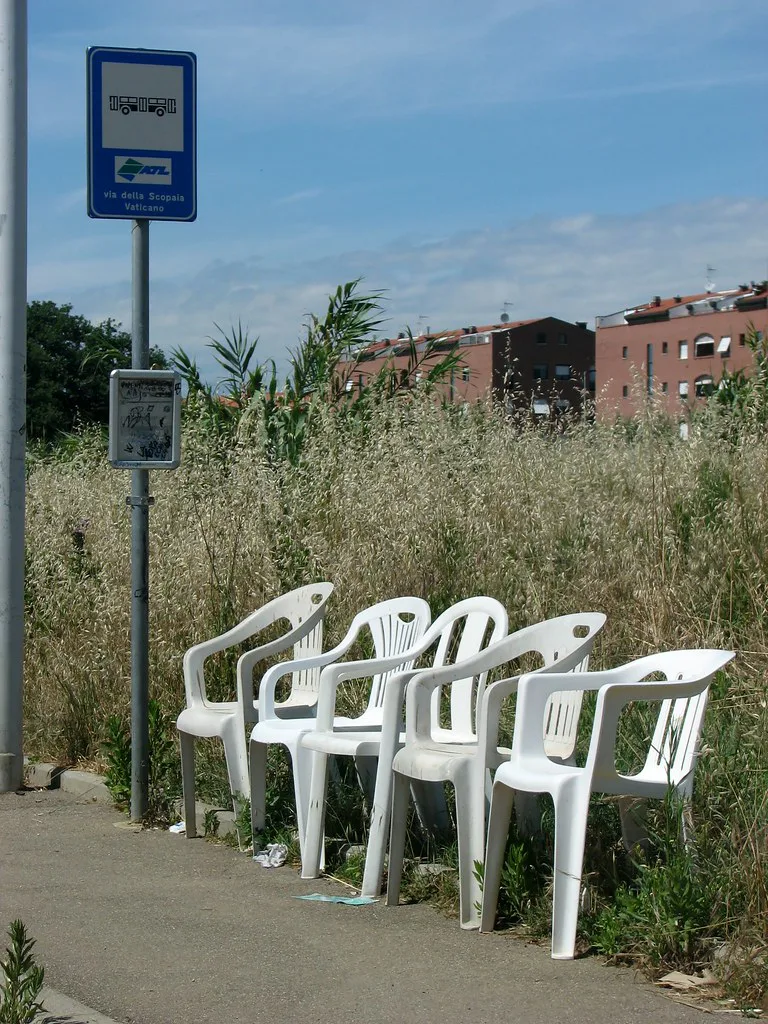
Travelers should also look for the **Lam Rossa** line, which services the southern districts and residential areas. Most urban buses run frequently during the day, typically every 10 to 15 minutes on major routes. You can view the most current route maps and schedule updates on the Official Autolinee Toscane Livorno Page.
While daytime service is robust, night service in Livorno is significantly more limited after 9:00 PM. Many secondary lines stop running entirely, leaving only a few core routes active until around midnight. Always verify the last bus time if you plan on dining late in the Venezia Nuova district.
Pro Tip: If the **Lam Blu** is crowded, check for **Line 1**, which follows a similar path toward the port area. This alternative often has more seating and follows the same ticketing rules as the high-mobility lines. Using these local buses is much cheaper than taking a private taxi from the station.
The Historic Montenero Funicular
A trip to the Sanctuary of Montenero is a highlight for many visitors, and the funicular offers the most scenic way to arrive. This historic cable railway has been transporting locals and pilgrims up the hillside since the early 20th century. It provides a refreshing break from the urban bustle and offers panoramic views of the Tyrrhenian Sea.
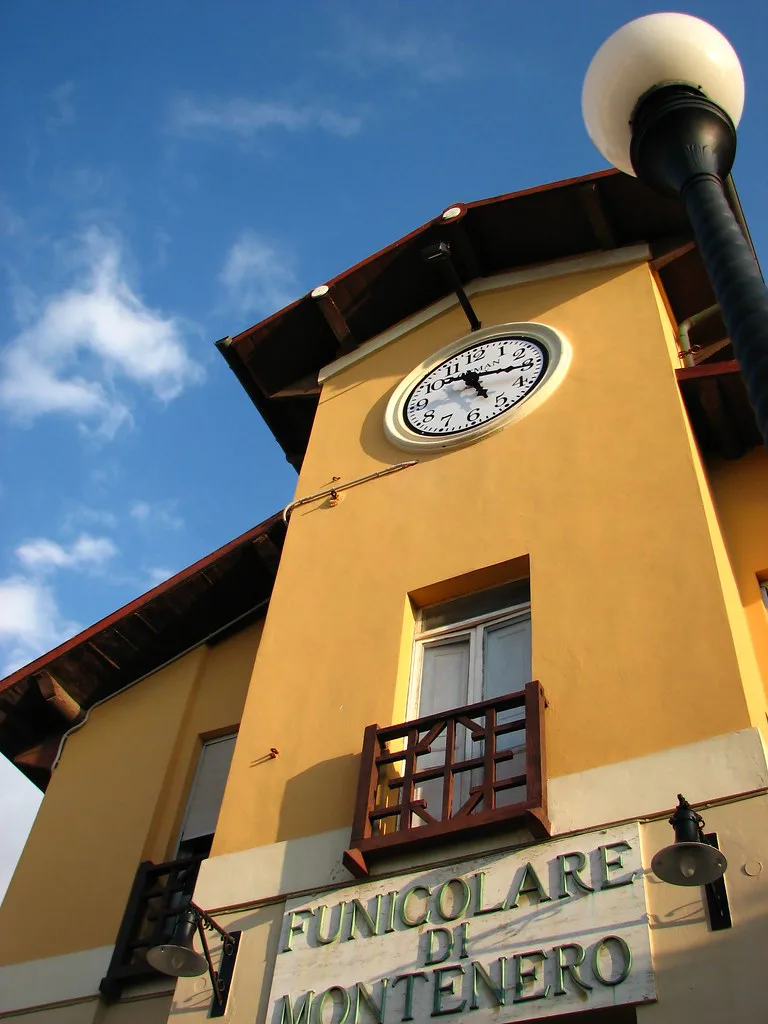
To reach the base station, take the **Lam Rossa** bus from the city center to the Montenero stop. The funicular departs every 15 minutes and the ride itself lasts only a few minutes. It is a seamless transition that uses the same ticketing system as the standard urban buses.
The sanctuary at the top is a peaceful retreat filled with religious art and maritime offerings. Most visitors spend about an hour exploring the grounds before taking the return funicular down. Check the Visit Livorno Official Tourism Portal for any seasonal maintenance closures affecting the service.
Pro Tip: Your standard €1.70 urban ticket, valid for 70 minutes, covers both the Lam Rossa bus ride to the hill and the funicular ascent. Ensure your ticket is still valid when you board the cable car to avoid potential fines. This makes the excursion one of the most cost-effective viewpoints in the entire region.
Cruise Port Shuttles and Tourist Buses
Cruise passengers arriving at the Porto Mediceo or the industrial berths face unique logistics. Most cruise lines provide an official shuttle bus that drops passengers at Piazza Municipio in the heart of the city. This service usually carries a fee, but it is the fastest way to bypass the restricted port security zones.
For those who prefer a guided experience, the Livorno hop-on hop-off bus also stops near the shuttle drop-off point. This red double-decker bus follows a circular route that includes the aquarium and the central market. It is an excellent choice for travelers with limited time who want to see the main sights without navigating local lines.
If you are feeling adventurous, you can walk from the Porto Mediceo to the nearest public bus stop for **Line 1**. This route connects the waterfront area to the train station for just a fraction of the shuttle price. However, be aware that walking from the larger industrial piers is often prohibited for safety reasons.
Pro Tip: Always check if your cruise line offers a free shuttle before purchasing a separate transfer ticket. Some premium lines include this as a courtesy, while others charge upwards of 15 Euros per person. If you are heading to the station, the public **Line 1** or **Lam Blu** are your best value options.
Cruise Passenger Quick-Start: Which Dock, and Getting Out
The single most important thing for cruise guests to know: you cannot walk straight out of the Port of Livorno. The piers sit inside an active commercial-port security zone, so every passenger must first board the cruise shuttle to clear the gate, even if you intend to walk afterward. Where your ship berths determines how easy the rest of the day is.
If you dock at Porto Mediceo (the smaller, central terminal used by mid-size ships), you are roughly a flat 10–15 minute walk from the city center and Piazza Grande once you clear the gate. If you dock at the larger Porto Industriale berths (where most big ships tie up), it is about 3 km / 30–40 minutes on foot along an industrial, shadeless stretch of Viale Italia — most people take the shuttle instead.
The standard cruise shuttle runs to Piazza Grande in roughly 15 minutes and costs about €5 per person (cash), though some lines fold it into the disembarkation package — check your ship's daily program first. From Piazza Grande you are a short walk to bus stops for Lam Blu and Line 1 toward Livorno Centrale, or a ~10-minute taxi to the station to catch a Florence or Pisa train.
Pro Tip: If your day plan is Florence or Pisa, factor the shuttle ride into your timing — the €5 shuttle plus a €1.70 city bus to the station is far cheaper than a port taxi, but allow a buffer so you make your return shuttle before the gangway closes. Build in at least 90 minutes for the round trip back to the ship.
Regional Rail Connections via Livorno Centrale
Livorno Centrale is a major rail hub that connects the coast to the rest of Tuscany and beyond. The station is located about two kilometers from the city center, making a bus or taxi transfer necessary for most. Frequent Trenitalia Regionale trains run to Pisa Centrale — around 50 departures a day, taking roughly 16 minutes for a fare from about €3.
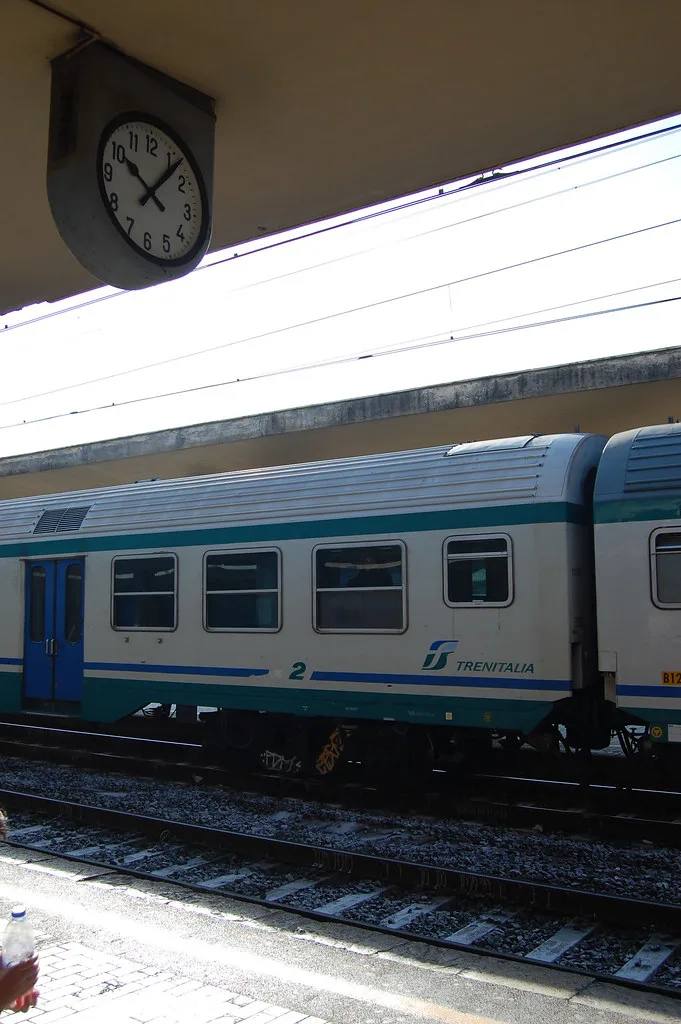
Travelers heading to Florence can find direct Regionale trains that reach the Santa Maria Novella station in approximately 80 minutes for around €8–11. These regional fares are fixed, do not require advance reservations, and offer great flexibility for day trips. Similar rail efficiency can be found in our guide to Bari public transport for those exploring the Adriatic coast.
The station features a helpful luggage storage office, which is perfect for cruise guests who have a late flight from Pisa. You can safely leave your bags and explore the city center unencumbered before catching your train. The facility is usually open from early morning until the evening hours.
Pro Tip: If you are flying out of Pisa, use the Pisa Mover shuttle after arriving at Pisa Centrale. This high-speed automated train connects the rail station to the Galileo Galilei Airport in just five minutes. It is much more reliable than taking a bus through potential city traffic.
Intercity Coaches: Getting from Livorno to Florence
While trains are the standard choice, intercity coaches like FlixBus offer a comfortable alternative for longer journeys. These buses often feature free Wi-Fi, power outlets, and guaranteed seating, which can be a relief during peak summer months. The bus stop for long-distance coaches is typically located near the train station or the port.
Comparing the bus to the train reveals distinct trade-offs in terms of time and cost. Buses may take longer due to highway traffic but often provide a more direct route to specific hubs without transfers. Many travelers find the coach experience more relaxing when carrying heavy suitcases, as the luggage is stored in the hold.
Private tour operators also run dedicated "Livorno to Florence" express shuttles specifically for cruise passengers. These are timed to match ship arrival and departure schedules, ensuring you return to the port before the gangway closes. These services are more expensive than public transit but offer significant peace of mind.
Pro Tip: Book your intercity coach tickets online at least a week in advance to secure the lowest fares. Prices for these services fluctuate based on demand, unlike the fixed-price regional trains. For more tips on navigating French hubs, see our Reims public transport guide.
| Option to Florence | Duration | Cost (2026) | Booking / Flexibility |
|---|---|---|---|
| Regional train (Trenitalia Regionale) | ~80 min | €8–11 (fixed) | No booking — turn up and go |
| Intercity coach (FlixBus) | 90–110 min | €5–15 (varies by demand) | Fixed departure — book ~1 week ahead for lowest fare |
| Private cruise express shuttle | ~90 min | Premium (per operator) | Timed to ship schedule — guaranteed return before gangway closes |
Ticket Prices, Validation, and the "at-bus" App
Buying tickets for Livorno public transport has become much simpler with the introduction of digital tools. The "at-bus" app allows you to purchase single tickets or multi-trip passes directly on your smartphone. You can also use the app to track bus locations in real-time, which is incredibly helpful at stops without electronic displays.
A single urban ticket costs €1.70 and is valid for 70 minutes from the moment you validate it. Traditional paper tickets are widely available at local newsstands and tobacco shops (Tabacchi), marked with a large "T" sign and found throughout the city center and inside the train station. You can also buy onboard directly from the driver, though it is slightly cheaper and faster to buy ahead.
Validation is the most critical step to avoid a heavy fine from transit inspectors. If you have a paper ticket, insert it into the small machine near the bus doors to get a timestamp. For digital tickets, you must activate the pass within the app as soon as you step onto the vehicle.
Pro Tip: If you find yourself at a stop without a ticket shop, you can use the Autolinee Toscane SMS ticketing service to receive a valid urban fare instantly on your phone. The €1.70 ticket is simply charged to your line, plus a small operator surcharge (about €0.29 on TIM, Vodafone and WINDTRE). It is the easiest backup when the app is acting up and no Tabacchi is in sight.
Frequently Asked Questions
How do I buy a bus ticket in Livorno?
You can purchase tickets via the "at-bus" smartphone app or at local tobacco shops (Tabacchi) marked with a "T". Digital tickets must be activated upon boarding, while paper tickets require physical validation in the onboard machines. For more on regional transit, visit our Catania public transport guide.
Is there a shuttle from Livorno port to the train station?
There is no direct free shuttle to the station, but you can take the official port shuttle to Piazza Municipio. From there, transfer to the **Lam Blu** or **Line 1** bus to reach Livorno Centrale. This journey typically takes about 15 to 20 minutes depending on traffic.
How much is the funicular in Livorno?
The Montenero funicular costs the same as a standard Autolinee Toscane urban bus ticket: €1.70 in 2026. This ticket is valid for 70 minutes across the entire network, so a single ticket covers both your Lam Rossa bus ride to the base station and the funicular ride up.
Can I use a credit card on Livorno buses?
Contactless payment is being rolled out across the Autolinee Toscane network, but it is not yet available on every single bus. It is safer to use the "at-bus" app with a linked card or buy a paper ticket beforehand. This ensures you are never stuck without a valid fare.
How long is the train from Livorno to Florence?
The direct regional train from Livorno Centrale to Florence Santa Maria Novella takes about 1 hour and 20 minutes. Trains run frequently throughout the day, usually every hour. You do not need to book these regional tickets in advance as the price remains constant.
Mastering the Livorno public transport system is the key to an affordable and authentic Tuscan experience. From the high-frequency Lam buses to the historic funicular, the city offers diverse ways to get around without a car. By using the "at-bus" app and understanding validation rules, you can navigate like a local expert.
Remember to plan for the limited night service and check for port shuttle details if you are arriving by cruise ship. The connections to Pisa and Florence make Livorno an ideal base for broader exploration of the region. For more travel inspiration, check out our latest posts on the Hopwander blog.
Safe travels as you explore the canals of Venezia Nuova and the heights of Montenero. With a little preparation, the transit network will serve as your reliable guide through this vibrant coastal city. Enjoy the unique blend of maritime history and Tuscan culture that Livorno provides.
Free: The European City Transport Cheat Sheet
Airport-to-centre, the best ticket to buy, and the one local gotcha — for 5 European cities, plus the universal rules for trams, ferries, and parking.
You might also like

Continue reading
More guides you'll find useful