Heidelberg Public Transport Guide: How to Get Around Like a Local
Master Heidelberg public transport with our guide to trams, buses, and S-Bahn trains. Learn about VRN tickets, Hbf navigation, and the best routes to the Altstadt.
 By Marco Bellini
On this page
Heidelberg Public Transport Guide
Quick answer: Heidelberg's trams and buses are run by RNV within the VRN fare network. A single city ride costs about €2.10, a single-person day ticket about €8.30, and the short-hop ticket (up to 3 stops) about €1.40. To reach the castle from the main station, take Bus 33 (or Bus 20) to the Bergbahn / Rathaus stop, then the funicular up. Buy tickets in the RNV app or at stop machines, and validate paper tickets before boarding regional/S-Bahn trains. If you'll ride a lot plus visit the castle, compare the HeidelbergCARD (€25 for 1 day) and the nationwide Deutschlandticket (€63/month) below.
Navigating a historic city like Heidelberg is a seamless experience once you understand the local transit network. The city relies on a robust system of trams and buses that connect the modern rail hub with the charming cobblestone streets of the Old Town.
Travelers often arrive at the main station and wonder how to reach the iconic castle or the University square efficiently. This guide simplifies the process by breaking down routes, ticket prices, and the best ways to explore the Neckar valley. Whether you are visiting for a weekend or staying longer, mastering the local rhythm saves both time and money — the integrated network makes it easy to skip expensive taxis and travel like a resident.
Free: The European City Transport Cheat Sheet
Airport-to-centre, the best ticket to buy, and the one local gotcha — for 5 European cities, plus the universal rules for trams, ferries, and parking.
Overview of Heidelberg’s Public Transport Network (RNV)
The backbone of Heidelberg public transport is managed by the Rhein-Neckar-Verkehr (RNV), which operates within the larger VRN network. This integrated system ensures that one ticket works across trams, buses, and regional trains throughout the metropolitan area. You can check the VRN Official Site for the most accurate maps and real-time updates.
Coverage extends far beyond the city limits, reaching neighboring towns and scenic spots along the Neckar River. Most visitors spend their time within the central zone, where service is frequent and reliable during daylight hours. Familiarizing yourself with the blue and white RNV branding helps you spot stops quickly.
Efficiency is a hallmark of the German transit experience, and Heidelberg is no exception to this rule. Trams usually arrive every 10 to 20 minutes, while buses fill the gaps for steeper residential areas and specific tourist landmarks. Planning your route is simple if you use the official RNV app or Google Maps.
Trams: The Most Efficient Way to Move
Trams serve as the primary arteries of the city, moving large volumes of people between the Hauptbahnhof and the city center. **Tram 22** is particularly useful for students and visitors heading toward the University campus areas. These vehicles run on dedicated tracks, allowing them to bypass traffic congestion during peak morning and afternoon hours.
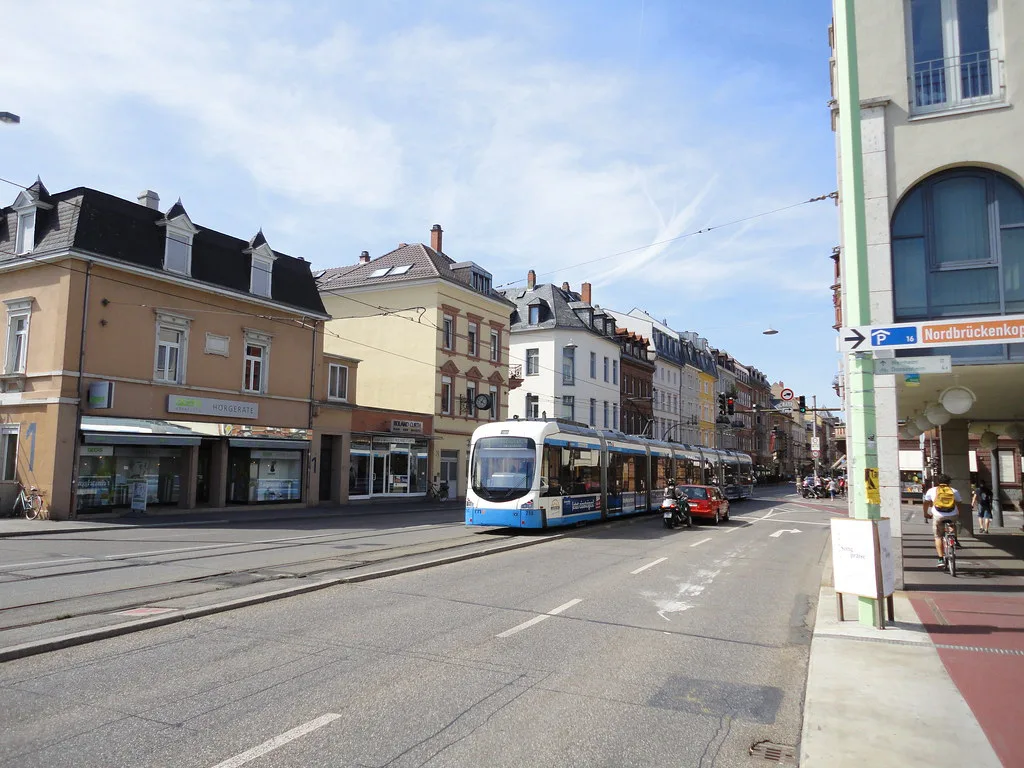
Bismarckplatz acts as the central hub where almost all major tram lines converge before entering the pedestrian zones. If you are coming from the main station, look for lines 5, 21, or 24 to reach this bustling intersection. From there, the city's famous shopping street, the Hauptstrasse, is just a short walk away.
Late-night travelers can rely on the 'Moonliner' service which operates after the standard schedule ends. While frequency drops significantly after midnight, these lines ensure you can return to your hotel safely. Always check the digital displays at the platforms for the next scheduled departure time.
Buses: Connecting the Hbf to the Altstadt
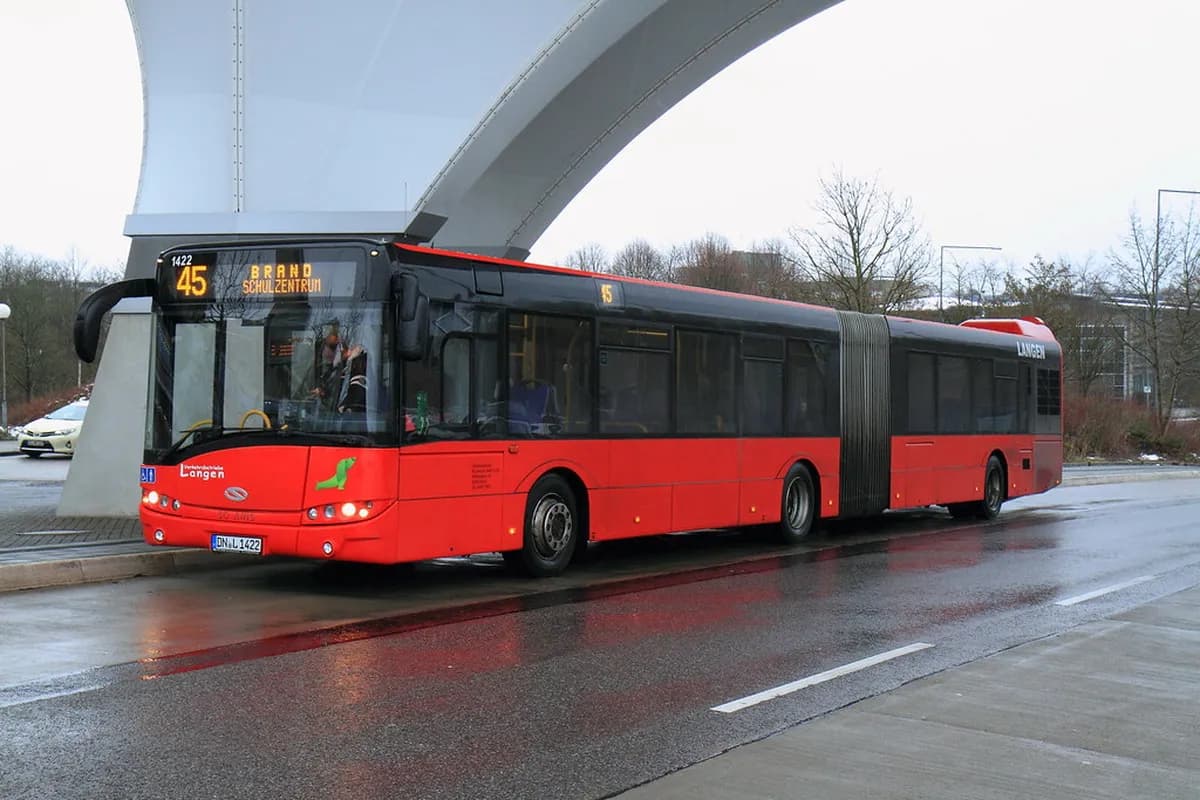
While trams handle the heavy lifting, buses are essential for reaching the hilly terrain of the Heidelberg Altstadt. **Bus 33** is the most popular route for tourists as it connects the main station directly to the Rathaus-Bergbahn stop. This is the primary gateway for those looking to ride the funicular up to the world-famous Heidelberg Castle.
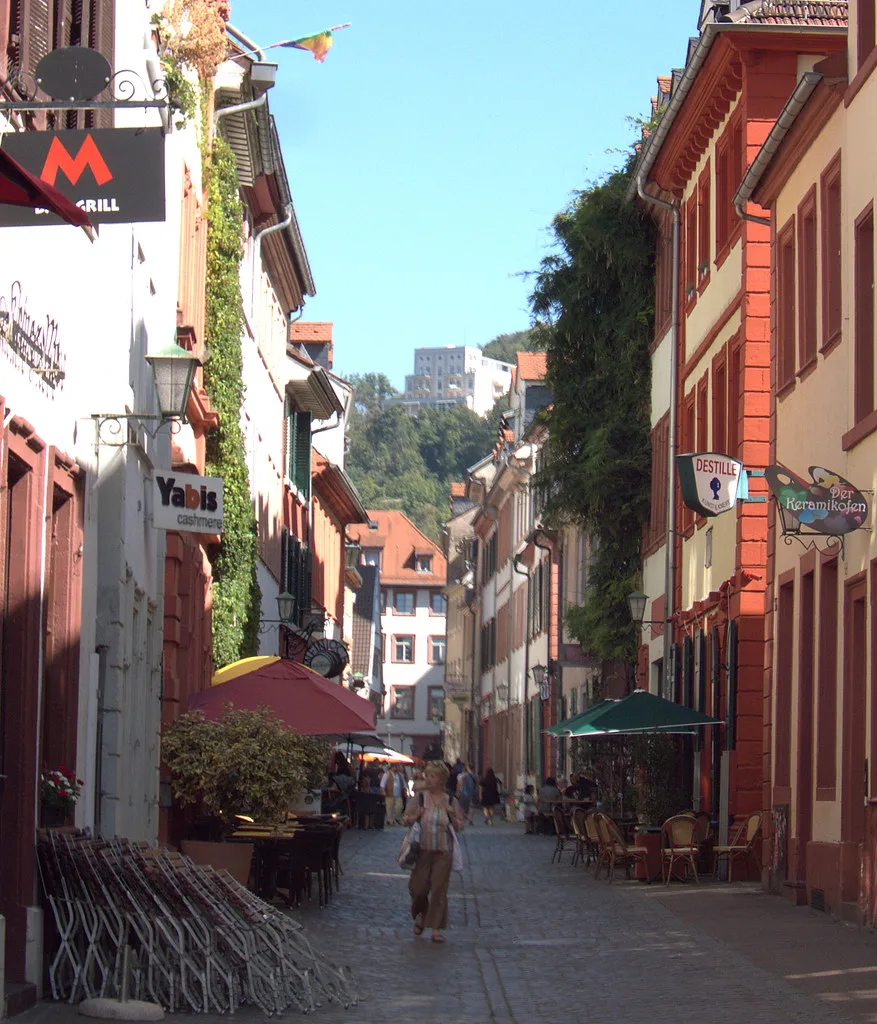
**Bus 20** offers another strategic alternative for reaching the historic center and the University square. **Bus 33** runs roughly every 20 minutes Monday to Saturday and every 30 minutes on Sundays, so check the next departure rather than assuming a fixed cadence. Similar to public transport in Reims, the bus network is designed to complement the rail lines perfectly.
Passengers should note that the bus stops near the Altstadt can be quite crowded during the summer months. It is often faster to board at the Hauptbahnhof to secure a seat before the bus fills up at later stops. The journey to the Old Town usually takes about 10 to 15 minutes depending on traffic.
- Quick Route Guide for Top Landmarks
- Heidelberg Castle: Take **Bus 33** to Rathaus
- University Square: Use **Bus 20** or **Bus 31**
- Philosopher's Walk: Use **Bus 31** or **32**
- Old Bridge: Take **Bus 33** to Rathaus
Regional Trains and S-Bahn Connections
The S-Bahn Rhein-Neckar provides a fast link between Heidelberg and nearby cities like Mannheim or Speyer. These trains are ideal for day trips or for travelers staying in the outskirts where tram lines do not reach. You can use the same VRN tickets on these trains as long as you stay within the correct price zones.
Regional Express (RE) and Regionalbahn (RB) trains offer even faster connections for longer distances. If you are planning to explore further, consider checking our guide on Colmar public transport for cross-border travel inspiration. These trains depart from the lower-level platforms at the Hauptbahnhof and run on strict schedules.
Validating your ticket is crucial before boarding any S-Bahn or regional train to avoid heavy fines. Look for the small orange or green machines on the platforms or near the station entrances. Once stamped, your ticket is valid for a set duration based on the number of zones you are crossing.
Navigating Heidelberg Hauptbahnhof (Hbf)
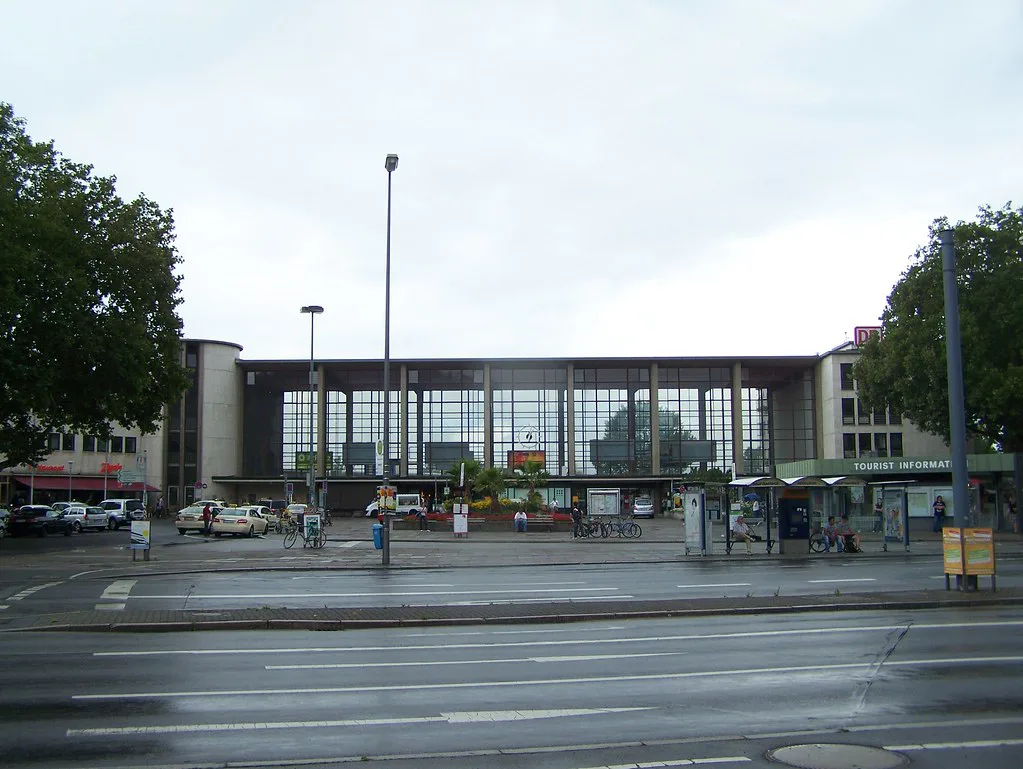
Heidelberg Hbf is a modern facility that serves as the gateway for thousands of international travelers daily. The station features a unique bridge connection that links the main entrance hall to the various platforms. You can find a detailed Heidelberg Hbf Station Map online to help visualize the layout.
Accessibility is a priority, but travelers with heavy luggage should plan their path carefully. Platforms 4 through 8 are equipped with escalators, while other tracks may only offer elevator access. If you have a tight connection, knowing which platform has an escalator can save you several minutes of walking.
The station hall includes several bakeries, a pharmacy, and a small supermarket for last-minute supplies. Willy-Brandt-Platz sits directly outside the main exit, serving as the departure point for most trams and buses. Look for the large electronic boards outside to find your specific bus bay or tram platform.
Tickets, Pricing, and the VRN System
The VRN pricing system is based on honeycomb-shaped zones that determine the cost of your journey. For most travel within the city center, a 'Price Level 2' ticket is sufficient for a single trip. If you plan to make more than two trips in a single day, a Day Ticket (Tages-Ticket) offers much better value.
Tickets can be purchased from automated machines located at almost every tram stop and inside the main station hall. These machines usually accept cash and credit cards, and many offer instructions in English. For a more modern approach, use the RNV or VRN mobile apps to buy digital tickets on your phone.
Group travel is particularly affordable in this region thanks to the 'Ticket 24 Plus' option. This allows up to five people to travel together for 24 hours at a significantly reduced rate per person. It is a smart choice for families or friends exploring the Neckar valley together.
- Common Ticket Types and 2026 Prices (VRN city tariff)
- Single Trip (Einzelfahrkarte): approx. €2.10
- Short Distance (Kurzstrecke): approx. €1.40, valid up to 3 stops
- Day Ticket (Tagesticket), 1 person: approx. €8.30 (a Saturday day ticket also covers Sunday)
- Day Ticket Plus / Ticket 24 Plus: up to 5 people, approx. €11–13 for the wider zone
Is the Heidelberg Card Worth It for Transport?
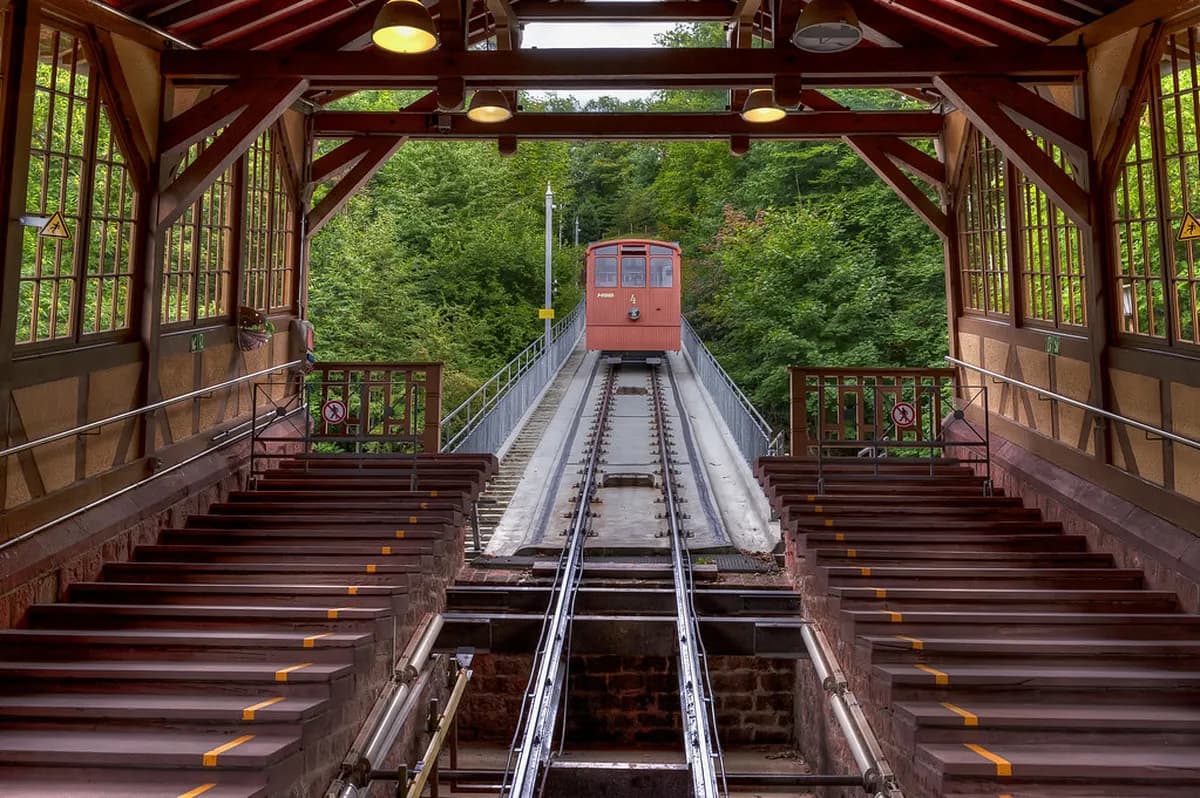
The Heidelberg Card is a popular choice for tourists as it combines public transport with museum discounts. It includes unlimited travel on all RNV buses and trams within the city limits for the duration of the card. You also get a round-trip ticket for the lower section of the Bergbahn funicular to the castle.
To decide if it is worth the cost, perform some simple break-even math. The 1-day HeidelbergCARD costs about €25 (around €21 for students and travelers with disabilities), and a 2-day card runs roughly €27. Since the card already bundles a round-trip on the lower funicular (which alone is about €8) plus unlimited RNV rides (€2.10 each), you reach break-even after the castle trip and just three or four bus/tram rides — easy to hit on a typical sightseeing day.
Keep in mind that the card does not cover regional trains going far outside the city center. However, for a standard sightseeing itinerary, it provides a hassle-free experience without worrying about individual tickets. You can purchase the card at the tourist information office right outside the Hauptbahnhof.
Deutschlandticket: The Nationwide Flat-Fare Option
The Deutschlandticket is Germany's nationwide monthly subscription, and as of January 2026 it costs €63 per month. It covers every RNV tram and bus in Heidelberg, the entire VRN network, plus all regional and S-Bahn trains (RB, RE, and S-Bahn Rhein-Neckar) across the whole country — though it does not cover long-distance ICE, IC, or EC trains.
For most weekend visitors it is overkill: a single HeidelbergCARD or a couple of day tickets will cost less. But if you are staying a month or more, working in the region, or planning frequent day trips to Mannheim, Speyer, or further afield, it is the best value by a wide margin. It is sold only as a monthly subscription you can cancel for the following month, so set a reminder to cancel if you only need it for a few weeks.
You can buy and manage the Deutschlandticket digitally through the RNV, VRN, or Deutsche Bahn apps; it loads as a QR code you show on board. Keep in mind it is strictly personal and non-transferable, and you may be asked to show photo ID alongside it during a ticket check.
| Option | 2026 Price | Covers | Best for |
|---|---|---|---|
| Single trip (Einzelfahrkarte) | ~€2.10 | One city ride, any RNV tram/bus | 1–2 rides only |
| Day Ticket (Tagesticket), 1 person | ~€8.30 | Unlimited city rides for the day | 3+ rides, no castle |
| HeidelbergCARD (1 day) | ~€25 | Unlimited RNV + lower funicular round-trip + museum discounts | Castle-day sightseeing |
| Deutschlandticket | €63/month | All RNV, full VRN, plus nationwide regional/S-Bahn (no ICE/IC/EC) | Staying a month+ or frequent day trips |
Bicycle Rentals and VRN NextBike
Heidelberg is a very bike-friendly city with extensive cycling paths along the river and through the parks. The RNV NextBike system is the official bike-sharing program integrated with the transit network. You can find these silver bikes at dozens of stations scattered throughout the city and near the University.
Registration is required through the NextBike app, which allows you to unlock a bicycle in seconds using a QR code. The first 30 minutes are often discounted for VRN ticket holders or students, making it an ideal 'last mile' solution. It is a great way to reach the Philosopher's Walk without waiting for a specific bus line.
Safety is paramount, so always stick to the marked bike lanes and avoid cycling on the narrow sidewalks of the Altstadt. During the spring and summer, cycling along the Neckarwiese park is a favorite local pastime. Always ensure you lock the bike correctly at an official station to avoid extra return fees.
Getting to Heidelberg from Frankfurt Airport
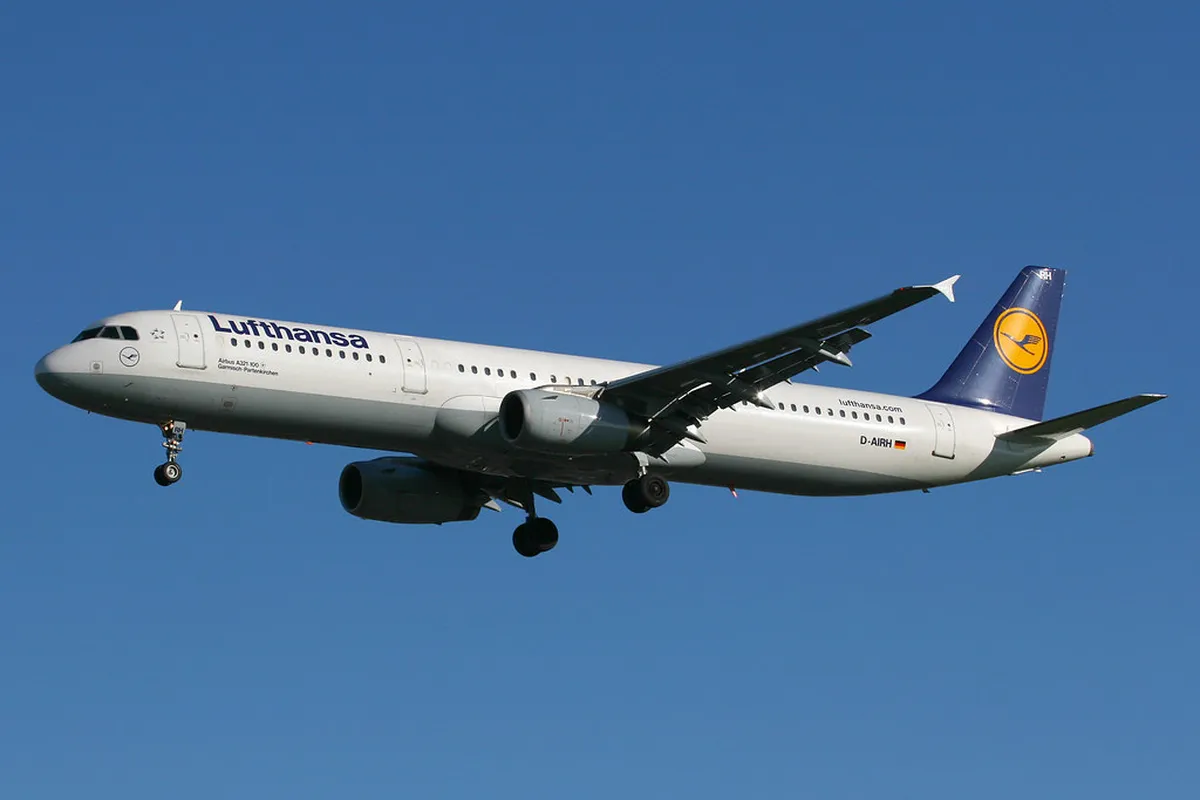
Frankfurt Airport (FRA) is the most common arrival point for international visitors heading to Heidelberg. The Lufthansa Express Shuttle is a convenient bus service that drops passengers off right next to the Heidelberg Crowne Plaza hotel. This service runs frequently and can be booked in advance through the Lufthansa website.
Alternatively, Deutsche Bahn operates high-speed ICE trains and regional S-Bahn services from the airport's long-distance station. While the train is often faster, it usually requires a quick transfer at Mannheim Hauptbahnhof. This route is similar to the connections found in Bari public transport guides where regional hubs are key.
Travel times for both the shuttle and the train typically range between 60 and 90 minutes. If you are traveling with a group, a pre-booked private transfer might be comparable in price to individual shuttle tickets. Always check for track maintenance schedules if you choose the train option for your arrival.
Essential Tips for Using Public Transit
One of the best ways to save money is to use the 'eTarif' feature in the VRN app. This system uses GPS to track your journey and charges you based on the linear distance between your start and end points. It often results in lower fares than traditional zone-based tickets for short cross-city hops.
Avoid traveling during the morning rush hour between 7:30 AM and 9:00 AM if possible. Trams heading toward the University and the Altstadt can become extremely packed with commuters and students. Planning your museum visits for mid-morning ensures a much more comfortable ride on **Bus 33**.
If you plan to visit the castle, remember that the Heidelberger Bergbahnen has its own specific ticketing rules. While the HeidelbergCARD includes the lower section, standard VRN tickets do not cover the funicular ride. The lower funicular is about €8 round-trip (or €4.50 one-way if you walk one direction through the castle gardens), and a combined funicular round-trip plus castle entry ticket runs around €12. Always double-check your ticket validity before passing through the turnstiles at the station.
Frequently Asked Questions
How do I get from Heidelberg Hbf to the Old Town?
The most direct way is to take **Bus 33** or **Bus 20** from the station forecourt. These buses run every 10-15 minutes and reach the Altstadt in about 10 minutes. Alternatively, you can take Trams 5 or 21 to Bismarckplatz and walk into the pedestrian zone. For more tips, check our travel blog.
Where can I buy bus and tram tickets in Heidelberg?
You can purchase tickets at automated machines located at most major stops and inside the Hauptbahnhof. Many travelers prefer using the VRN or RNV mobile apps for convenience and digital validation. Tickets are generally not sold by drivers on trams, though some bus drivers still offer them.
Is there an Uber or Lyft in Heidelberg?
Uber operates in Heidelberg but availability can be limited compared to larger German cities. Lyft is currently not available in Germany. Most locals and visitors find the public transport network or traditional taxi services like Taxi-Zentrale Heidelberg to be more reliable for quick trips across town.
Does the Heidelberg Card include public transport?
Yes, the Heidelberg Card provides unlimited travel on all RNV buses, trams, and authorized trains within the city's fare zone. It also includes a round-trip on the lower funicular railway to the castle. This makes it an excellent all-in-one option for sightseeing without buying separate tickets.
Heidelberg public transport is designed to make your visit stress-free and efficient. By utilizing the combination of **Bus 33** for the castle and the S-Bahn for regional trips, you can explore the entire area with ease. Remember to validate your tickets and consider the Heidelberg Card if you plan on heavy sightseeing.
The city's commitment to integrated transit means you are never far from a tram or a NextBike station. Whether you are arriving from Frankfurt or exploring the narrow alleys of the Altstadt, the RNV network has you covered. Enjoy the scenic views of the Neckar valley as you travel through this historic German gem.
With a little planning, you will navigate the Hauptbahnhof and the city's hubs like a seasoned local. For more transit insights across Europe, feel free to explore our public transport guides for other top destinations. Safe travels on your journey through the beautiful streets of Heidelberg.
Free: The European City Transport Cheat Sheet
Airport-to-centre, the best ticket to buy, and the one local gotcha — for 5 European cities, plus the universal rules for trams, ferries, and parking.
You might also like


Continue reading
More guides you'll find useful