Regensburg Public Transport Guide: Navigating the City
Master Regensburg public transport with our guide to the RVV network, Altstadt buses, cycling routes, and airport transfers for a seamless Bavarian trip.
 By Marco Bellini
On this page
Regensburg Public Transport Guide
Short on time? Here is the quick verdict for 2026. Regensburg's compact, UNESCO-listed Altstadt is best walked or cycled — most sights sit within a 15-minute walk of each other. For longer hops, the integrated RVV bus network covers the city on one ticket: a single Zone 1 ride is €3.70 (about 10% cheaper in the RVV app), and the €58 Deutschlandticket covers every RVV bus and regional train. Arriving from Munich Airport? Take the door-to-door airportLiner shuttle (from €35, ~75–90 min) if you want zero changes, or a DB regional train (~€38–41, ~1h20) via Freising or Munich Hbf if you are watching the budget.
Whether you are here for a weekend or a longer stay, this guide covers fares, routes, the 1-euro yellow Altstadtbus, cycling, regional day-trip connections, and the best ways to reach the university or the airport. Explore more public transport guides to prepare for your next European adventure.
Free: The European City Transport Cheat Sheet
Airport-to-centre, the best ticket to buy, and the one local gotcha — for 5 European cities, plus the universal rules for trams, ferries, and parking.
Getting to Regensburg: Arrival by Plane, Train, and Car
Most international travelers reach the city via Munich Airport, located about 110 kilometers to the south. You can choose between the convenience of a direct shuttle or the cost-effectiveness of the regional train. The airportLiner service offers door-to-door shuttle transfers from approximately €35 per person for a single trip, with free cancellation until noon the day before. Alternatively, a DB regional train from the airport usually requires one change at Freising or Munich Hauptbahnhof.
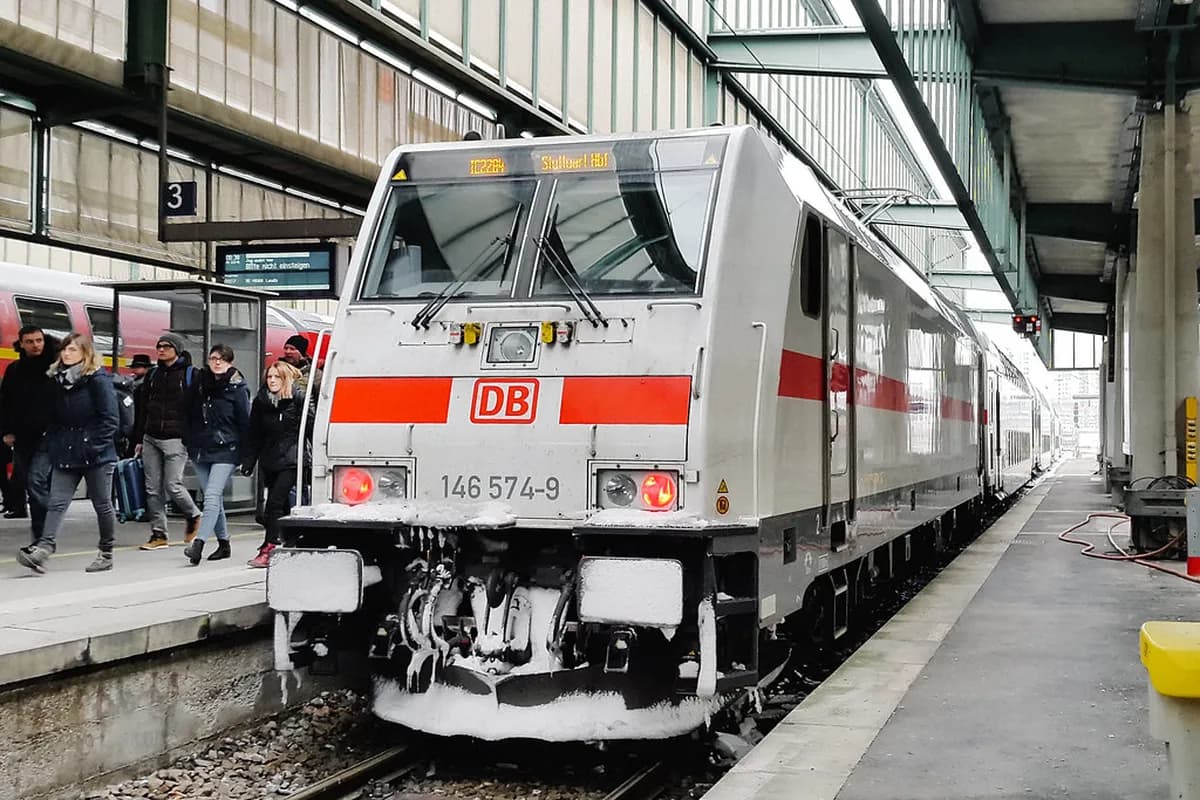
Regensburg Hauptbahnhof serves as the central hub for all rail arrivals from Nuremberg, Passau, and beyond. High-speed ICE trains connect the city to major German hubs, making rail travel a fast and efficient choice. The station is located just a short ten-minute walk from the southern edge of the historic Old Town. Check Rvv.de for real-time updates on local platform arrivals and departures.
Drivers will find the city well-connected by the A3 and A93 motorways, though the city center is mostly pedestrianized. Parking in the Altstadt can be expensive and difficult to find during peak tourist seasons. Utilizing Park and Ride (P+R) lots on the outskirts is often the most stress-free way to visit by car. These lots offer affordable daily rates and frequent bus connections directly into the heart of the city.
| Option | Time | Cost (one-way) | Changes | Best for |
|---|---|---|---|---|
| airportLiner shuttle | ~75–90 min | from €35 | None (door-to-door) | Luggage, late flights, zero transfers |
| DB regional train (RE/RB) | ~1h20–1h30 | ~€38–41 (or free on the Deutschlandticket) | 1 change at Freising or Munich Hbf | Budget travelers, Deutschlandticket holders |
| FlixBus / long-distance coach | ~1h15–1h30 | from ~€10–18 | Usually direct | Cheapest fares booked in advance |
The airportLiner offers free cancellation until noon the day before travel, and runs as a small shared van — book ahead at airportliner.com. If you already hold a Deutschlandticket, the DB regional train is effectively free, making it the clear budget winner.
The RVV Network: Regensburg’s Integrated Transport System
The Regensburger Verkehrsverbund (RVV) manages the complex web of buses and regional trains in the area. This integrated system means your bus ticket is often valid for regional train segments within the city limits. The network is divided into concentric zones, with Zone 1 covering the primary urban area and tourist sites. Consulting the Integreat.app can help newcomers understand basic mobility rules.
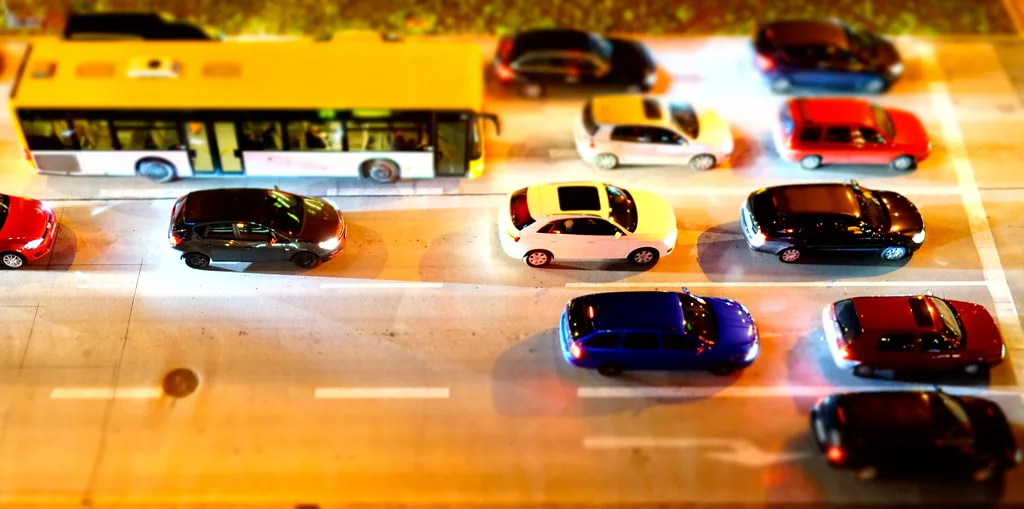
Buses are the backbone of the city's movement, with lines radiating from the central bus station near the train station. Most lines run every 10 to 20 minutes during peak hours, ensuring minimal wait times for passengers. Digital displays at major stops provide live countdowns for the next arriving vehicle. Late-night travelers can rely on the 'Nachtbus' lines that operate after midnight on weekends.
The RVV app is an essential tool for any traveler looking to master Regensburg public transport. It allows for easy route planning and digital ticket purchases directly on your smartphone. You can also find information on other cities like Reims public transport to compare different European systems. Using the app often provides access to slightly cheaper digital fares compared to buying from a driver.
Navigating the Altstadt: Walking and the Yellow Altstadtbus
The Altstadt is a maze of narrow alleys and historic squares best explored on your own two feet. Many of the most famous landmarks, like the Stone Bridge and the Cathedral, are located in car-free zones. Walking allows you to appreciate the intricate details of the medieval architecture at a leisurely pace. Most major sights are within a 15-minute walking radius of each other.
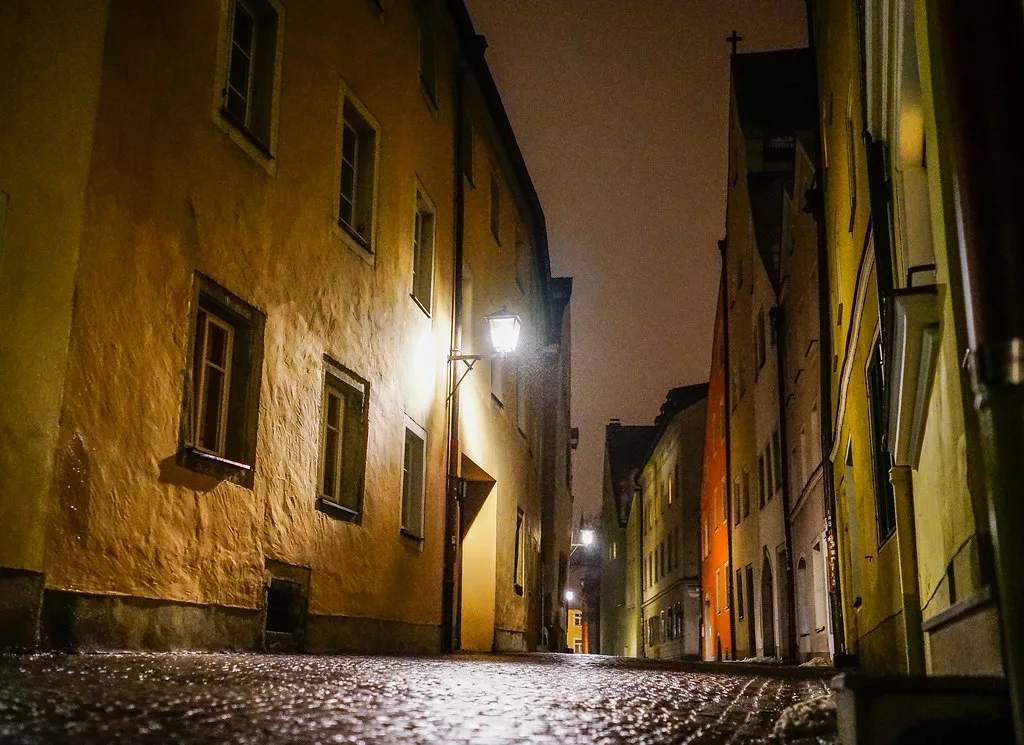
For those who prefer not to walk, the bright yellow Altstadtbus (Line A) is a unique local service. This small electric bus is designed specifically to navigate the tight corners of the historic district. It connects the Hauptbahnhof with key points like the Cathedral and the Danube riverfront. The fare is a flat €1 per ride, making it one of the most affordable ways to see the center.
It is crucial to note that the Altstadtbus does not operate on Sundays or public holidays. On Saturdays, service typically ends earlier in the afternoon compared to standard weekday schedules. Travelers visiting during the weekend should plan to walk or use standard bus lines on the periphery. Verify the latest weekend schedules on Europeforvisitors.com before your trip.
Cycling in Regensburg: The City’s Favorite Way to Move
Regensburg is consistently ranked as one of the most bike-friendly cities in Germany. The flat terrain along the Danube makes cycling an accessible option for people of all fitness levels. Dedicated bike lanes are clearly marked and often separated from motorized traffic for safety. Locals use bicycles year-round for commuting, shopping, and social outings.
Visitors can easily rent bicycles from various shops located near the train station or the river. Daily rental rates usually range from €12 to €20 depending on the type of bike you choose. E-bikes are also becoming increasingly popular for those looking to explore the hilly areas outside the center. Check Uni-Regensburg.de for tips on cycling routes that lead toward the campus.
Parking your bike is simple thanks to the thousands of racks distributed throughout the city. Always ensure you use a sturdy lock, as bike theft can occur in busy public areas. Be mindful of pedestrian zones where cycling may be restricted during certain hours of the day. Following local traffic rules for cyclists will ensure a safe and pleasant experience for everyone.
Tickets and Fares: From Single Rides to the Deutschlandticket
Understanding the fare structure is key to saving money while using Regensburg public transport. A 'Kurzstrecke' or short-trip ticket is ideal for traveling just a few stops within the city. For longer journeys, a single ticket (Einzeltticket) allows for 90 minutes of travel in one direction. You can purchase these from machines at major stops or directly from the bus driver.
Day tickets (Tages-Ticket) offer much better value if you plan to take more than two trips. The 'Tages-Ticket 2' is a popular option that allows two adults to travel together for a reduced price. Families can benefit from group tickets that cover up to five people for the entire day. Similar value-based systems can be found in our guide to Bari public transport for southern Italian travel.
The Deutschlandticket is fully valid on all RVV buses and regional trains in the Regensburg area. Following the 2026 price adjustment, this €58 monthly pass offers unlimited travel across all local and regional transit networks in Germany. It is a fantastic option for long-term visitors or those using Regensburg as a base for day trips. Remember that this ticket is a digital subscription and must be cancelled if you only need it for one month.
| Ticket | Cost | Validity | Best for |
|---|---|---|---|
| Kurzstrecke (short trip) | ~€1.70 | Max 4 stops, no return | Quick hops |
| Einzel-Ticket (single) | €3.70 (~€3.30 in the RVV app) | 90 minutes, one direction | One-way trips |
| Tages-Ticket Solo (day) | ~€7.20 | Full day, one person | Solo explorers |
| Tages-Ticket 2 (day, 2 adults) | €7.00 | From 9:00 weekdays, all day | Couples and pairs |
| Deutschlandticket | €58 / month | Unlimited, all of Germany | Long stays, day trips |
Regional Connections: Trains and Long-Distance Buses
Regensburg makes an excellent base for exploring eastern Bavaria, and the Hauptbahnhof puts the region within easy reach. Frequent Regionalbahn (RB) and Regional-Express (RE) services run to Nuremberg in about an hour, Munich in roughly 1h30, and Passau in around 75 minutes. Direct regional trains also reach Landshut, Schwandorf, and the Bavarian Forest gateway towns, with most departures roughly every 30 to 60 minutes.
If you hold a Deutschlandticket, every one of these RB and RE journeys is included at no extra cost — making day trips to the Walhalla monument, Weltenburg Abbey, or the Bavarian Forest National Park genuinely free. Faster ICE/EC trains also call at Regensburg for longer hops to Frankfurt and Berlin, but these long-distance services are not covered by the Deutschlandticket and require a separate DB ticket booked via bahn.com.
For the lowest cross-country fares, long-distance coaches such as FlixBus depart from the central bus station beside the Hauptbahnhof, with advance tickets to Munich, Prague, or Vienna often starting around €10–18. Coaches are slower than the train but unbeatable on price when booked early. Whichever you choose, a regional connection from Regensburg opens up the whole of southeast Bavaria as easy day trips.
Mobility for Students: Reaching the University of Regensburg
The University of Regensburg (UR) and the OTH campus are located on a hill south of the city center. Lines 6 and 11 provide the most frequent service from the Hauptbahnhof directly to the campus. During the semester, these buses run every few minutes to accommodate the large student population. The ride takes approximately 10 to 15 minutes depending on traffic conditions.
Students enrolled at the university receive a semester ticket included in their registration fees. This ticket provides unlimited travel on all RVV lines for the duration of the academic term. Visitors attending conferences or events at the university should buy a standard day pass for convenience. Walking to the campus from the city center is possible but involves a steady uphill climb.
Parking on campus is strictly regulated and often fills up very early in the morning. Taking the bus is highly recommended to avoid the frustration of searching for a parking spot. Bicycle paths also lead directly to the university, providing a healthy alternative to the bus. Refer to the campus site plans on official university pages to find specific building locations.
Practical Tips for Stress-Free Travel in Regensburg
The 'elma' service is an innovative on-demand ride option for areas with less frequent bus service. You can book a ride via the app, and a small shuttle will pick you up at a designated spot. This service is particularly useful for reaching residential neighborhoods or late-night destinations. Check the play.Google.com store for the latest version of the companion app.
If you are arriving by car, the P+R West and P+R Unterisling offer excellent connectivity. Parking at these sites is often free or very cheap when combined with a bus ticket purchase. It saves you from navigating the narrow streets and limited parking garages of the historic core. Many locals prefer this method when heading into the center for major events or festivals.
Always validate your paper ticket in the orange machines if it does not have a timestamp. Random ticket inspections are common, and the fine for traveling without a valid ticket is €60. Keep your digital ticket or Deutschlandticket ready on your phone to show the inspector quickly. For more tips on navigating European cities, see our guide to Colmar public transport.
Frequently Asked Questions
How do I get from Munich Airport to Regensburg?
You can take the direct Airportliner shuttle for door-to-door service or use the DB regional train. The train usually requires a quick transfer at Freising. Both options take roughly 90 minutes. Check our blog for more Bavarian travel tips.
How much is the bus in Regensburg?
A single Zone 1 ticket costs €3.70 in 2026 (around €3.30 if bought in the RVV app), valid for 90 minutes. The specialized yellow Altstadtbus is only €1 per ride. Frequent travelers should consider the Tages-Ticket Solo day pass for better value at around €7.20.
Can you use the Deutschlandticket in Regensburg?
Yes, the Deutschlandticket is valid on all RVV buses and regional trains within the city and surrounding district. It offers a convenient way to explore the entire region without buying separate tickets. Simply show your digital barcode when boarding.
Regensburg public transport is a reliable and efficient way to experience this historic German city. From the tiny Altstadtbus to the expansive regional train network, getting around is simple for every visitor. The integration of digital apps and clear zone pricing removes much of the stress from urban travel.
By choosing the right ticket and utilizing the P+R facilities, you can focus on the city's beauty. Whether you are visiting the university or exploring the Stone Bridge, the RVV has you covered. Plan your routes ahead of time to make the most of your stay in this stunning corner of Bavaria.
Free: The European City Transport Cheat Sheet
Airport-to-centre, the best ticket to buy, and the one local gotcha — for 5 European cities, plus the universal rules for trams, ferries, and parking.
You might also like

Continue reading
More guides you'll find useful