Getting Around Dresden: 9 Essential Transport Tips
Master Dresden's public transport with our guide to trams, buses, S-Bahn, and the Deutschlandticket. Includes airport transfers and cycling tips.
 By Marco Bellini
On this page
Getting Around Dresden: 9 Essential Transport Tips
Short on time? Here's the decision in one line: for most visitors, Dresden's compact centre is walkable, and a single DVB day ticket (~€9.40, Tarifzone Dresden) covers all trams, buses, S-Bahn and the three Elbe ferries for 24 hours — buy it from the touchscreen inside any tram or the VVO Mobil app. From the airport, take the S2 S-Bahn (~20 min, ~€3.40). Staying a month or more? The nationwide Deutschlandticket (€63/month in 2026) is the cheapest option and covers everything except the two historic Loschwitz funiculars. Everything sits in one fare zone, so you almost never need to think about zones inside the city.
Dresden combines Baroque grandeur with a remarkably modern transit network that makes exploring easy for every visitor. The city's yellow trams and sleek buses form the backbone of a system designed for punctuality and comfort. The Elbe River flows through the heart of the city, and public transport here extends beyond wheels and rails to include scenic ferries and historic hillside funiculars. This guide gives you the essential fares, lines, and rules to navigate the Saxon capital like a seasoned resident.
Free: The European City Transport Cheat Sheet
Airport-to-centre, the best ticket to buy, and the one local gotcha — for 5 European cities, plus the universal rules for trams, ferries, and parking.
Key Takeaways
- Use the S2 S-Bahn for the fastest 20-minute transfer from the airport to the city center.
- Always validate paper tickets in the yellow 'Entwerter' machines to avoid heavy fines.
- The Deutschlandticket covers most local transit but requires a supplement for historic funiculars.
- Download the VVO Mobil app for the most accurate real-time schedules and ferry data.
Introduction to Dresden's Public Transit System
The Dresdner Verkehrsbetriebe (DVB) manages the extensive network of trams and buses that crisscross the city. Most major attractions sit within the central fare zone, allowing for straightforward planning without complex zone calculations. Efficiency is a hallmark of the German transit experience, and Dresden is no exception to this high standard. Check the DVB Official Site for the most current service alerts and route maps.
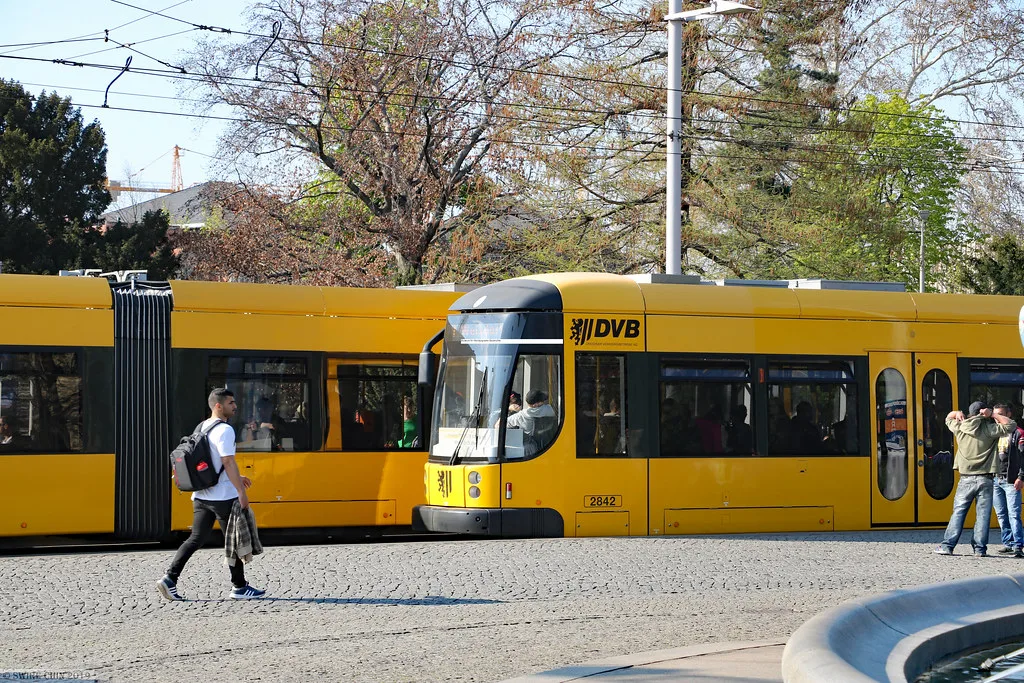
Visitors will notice the iconic bright yellow vehicles that characterize the city's streets and boulevards. These trams often have their own dedicated lanes, ensuring they bypass heavy traffic during peak morning and afternoon hours. Buses complement the rail lines by reaching quieter residential neighborhoods and specific suburban outskirts. Integration between different modes of transport is seamless, requiring only a single ticket for your entire journey.
Learning the layout of the city helps in choosing the right getting around europe strategy for your trip. The main transport hubs are Postplatz, Pirnaischer Platz, and the Hauptbahnhof, where many lines converge. Digital displays at most stops provide real-time countdowns for the next arriving vehicle. Late-night travelers can rely on the 'Postplatz-Treffen' system, where night lines meet at scheduled intervals for easy transfers.
Navigating the City by Tram and Bus (DVB)
Trams are the most popular way to traverse the city center due to their high frequency and accessibility. Low-floor entries make boarding easy for travelers with heavy luggage or those using strollers and wheelchairs. A particularly famous route is the Line 4 tram, often referred to as the 'Culture Tram' by locals. This line passes the Zwinger and Theaterplatz before heading toward the scenic vineyards of Radebeul.
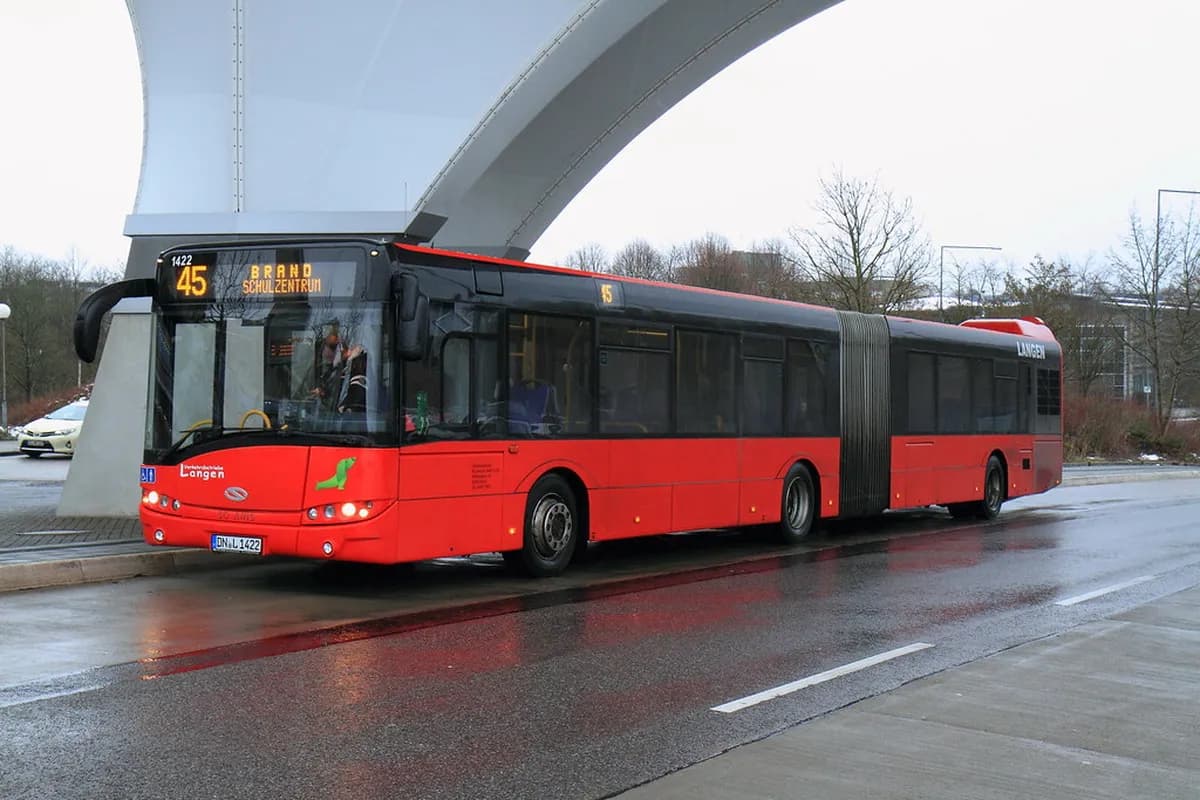
Buses serve as vital links where tram tracks do not reach, such as the hilly areas of the Elbe slopes. Standard bus routes operate with the same ticketing system as the dresden tram network for maximum convenience. Electronic signs inside the vehicles announce upcoming stops in both German and English for clarity. You will find that bus drivers generally stick to strict schedules, rarely departing earlier than the posted time.
Using the VVO Mobil app is highly recommended for real-time navigation and digital ticket purchases. The app often provides more accurate ferry and funicular data than general mapping services like Google Maps. Switching between a bus and a tram is included in your fare as long as you stay within your time limit. Keep an eye out for the yellow and black 'H' signs that mark every official transit stop.
S-Bahn and Regional Rail Connections
The S-Bahn Dresden provides fast rail links between the city center and the surrounding metropolitan region. Three main lines, S1, S2, and S3, serve as the primary arteries for longer-distance urban travel. The S1 line is especially valuable for tourists, as it connects Dresden to the stunning Saxon Switzerland National Park. Trains on this route run every 30 minutes, stopping at major stations like Dresden-Neustadt and the Hauptbahnhof.
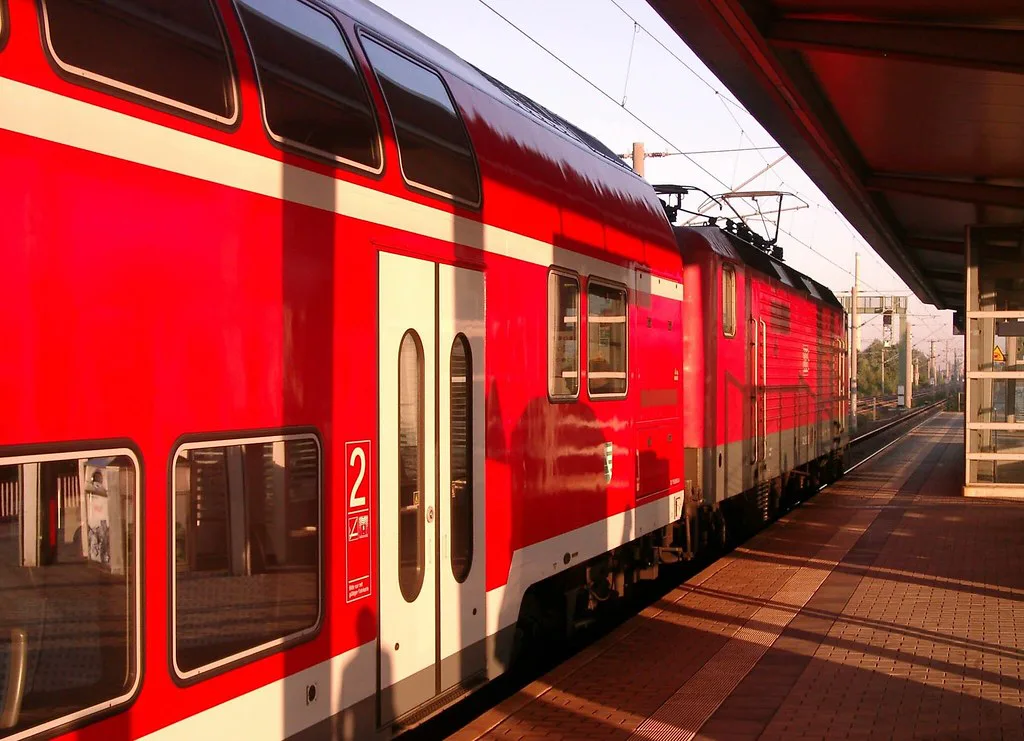
Regional trains, often marked as RE or RB, provide even faster connections to cities like Meissen or Leipzig — and once you arrive, our guide to getting around Leipzig by public transport covers its trams and S-Bahn the same way this one does Dresden. These trains are part of the VVO Transport Network, meaning local tickets are often valid for short distances. Double-decker cars are common on these routes, offering great views of the Elbe valley from the upper level. Always check the platform monitors for any last-minute track changes, which can happen at larger stations.
Carrying a bicycle on the S-Bahn is permitted but usually requires a separate bike ticket. Dedicated cars with bike symbols on the doors offer extra space for cyclists and their gear. Most S-Bahn stations are equipped with elevators, making them accessible for all types of travelers. Late-night S-Bahn services are less frequent, so plan your return journey carefully if staying out late.
Ticketing Guide: Prices, Zones, and the Deutschlandticket
The entire city sits in a single fare zone (Tarifzone Dresden, price level 1), so for trips inside Dresden you never count zones. Following the VVO-wide fare adjustment on 1 April 2026 (an average +3.3% rise), an adult single trip (Einzelfahrt) costs around €3.40 and is valid for one hour of travel in one direction. A new short-distance ticket (Kurzstrecke) costs €2.10 but is only sold through the FAIRTIQ check-in app — handy for a few stops if you have it set up. Day tickets offer much better value once you make more than two trips in 24 hours, and a family day ticket covers two adults plus up to four children under 15.
The Deutschlandticket has revolutionized travel by offering a single nationwide pass — €63 per month in 2026 (up from €58 in 2025) — for all regional and local transit across Germany. This pass covers every Dresden tram, bus, S-Bahn train, and the three Elbe ferries, and the same ticket works in any other German city you visit — it covers the network in our guide to getting around Nuremberg by public transport too, for example. However, the historic Loschwitz funiculars (Schwebebahn and Standseilbahn) require a small supplement even with this national ticket. Travelers on a lengthy stay in Germany will find this the most economical option available.
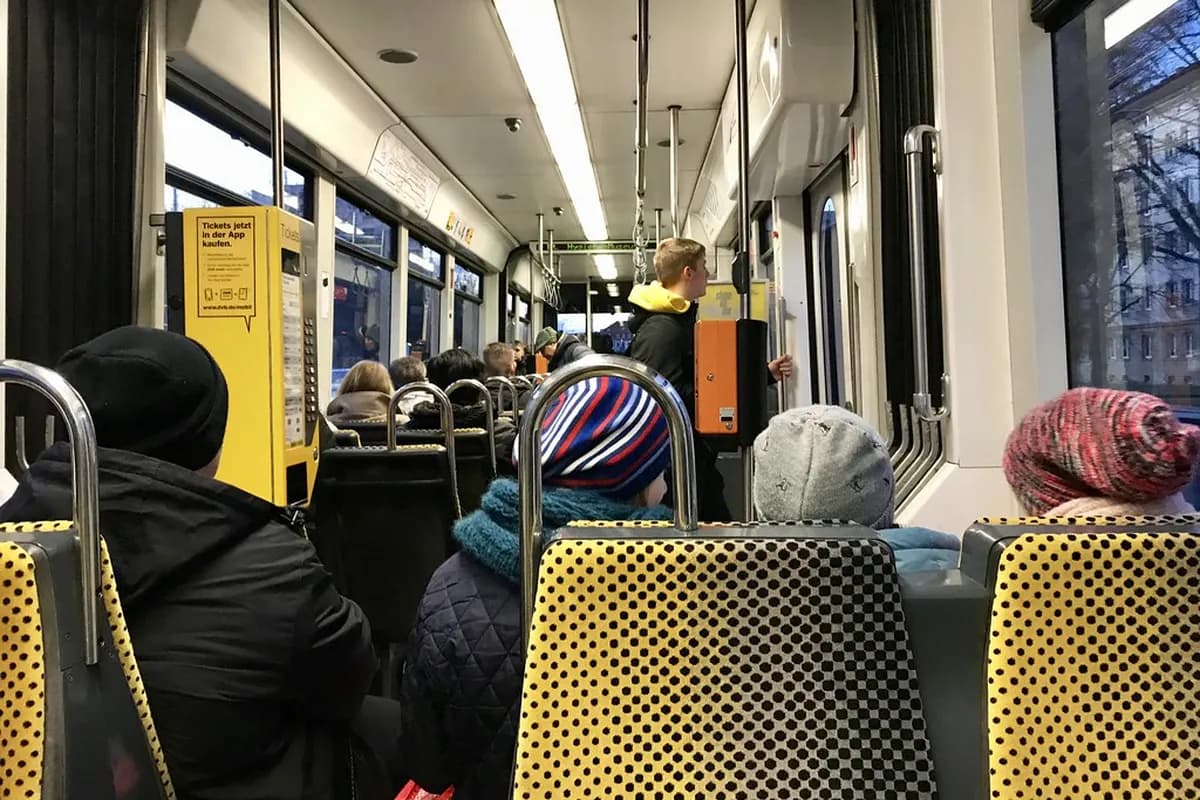
Validating your ticket is a crucial step that many first-time visitors accidentally overlook. Look for the small yellow or orange machines called 'Entwerter' on platforms or inside buses and trams. Insert your paper ticket until you hear a punch sound to mark the start of your journey. Failure to validate can result in a heavy fine if a transport inspector checks your ticket.
- Single Trip Ticket (Einzelfahrt)
- Type: One-way travel, valid 1 hour
- Best for: One or two occasional trips
- Where: All transit modes
- Cost: ~€3.40 (Tarifzone Dresden, from 1 Apr 2026)
- Short-Distance Ticket (Kurzstrecke)
- Type: A few stops only
- Best for: Short hops via the FAIRTIQ app
- Where: App check-in only (no machine sale)
- Cost: €2.10
- Day Ticket (Einzeltageskarte)
- Type: 24-hour access
- Best for: Active sightseeing (3+ trips)
- Where: Full city network + Elbe ferries
- Cost: ~€9.40 (Tarifzone Dresden)
- Deutschlandticket (Monthly Pass)
- Type: Subscription-based
- Best for: Stays of a month or more
- Where: All local + regional German transit
- Cost: €63.00 per month (2026)
| Ticket | 2026 price | Valid for | Best for | Where to buy |
|---|---|---|---|---|
| Short-Distance (Kurzstrecke) | €2.10 | A few stops, one direction | Quick hops if you use the app | FAIRTIQ check-in app only |
| Single Trip (Einzelfahrt) | ~€3.40 | 1 hour, one direction | One or two occasional rides | Tram machine, VVO Mobil app |
| Day Ticket (Einzeltageskarte) | ~€9.40 | 24 hours, all modes + ferries | 3+ trips of sightseeing in a day | Tram machine, VVO Mobil app |
| Deutschlandticket | €63 / month | All local + regional German transit | Stays of a month or more | Subscription (app/online) |
Airport to City Center Transfer Options
Dresden International Airport (DRS) is conveniently located just nine kilometers north of the city center. The S2 S-Bahn line is the most efficient way to reach the heart of the city from the terminal. The train station is located underground and can be reached directly from the arrivals hall via elevators. Details on schedules are found on the Dresden International Airport Transport page.
Trains depart every 30 minutes and take approximately 20 minutes to reach Dresden Hauptbahnhof. A standard single Tarifzone Dresden ticket (~€3.40) is all you need for this convenient rail journey — the airport lies inside the same city fare zone, so there is no airport surcharge. Bus lines 77 and 80 also serve the airport, connecting passengers to the northern tram lines. These buses are useful if your accommodation is located in the northern districts like Klotzsche.
Taxis are readily available outside the terminal for those who prefer a direct door-to-door service. A ride to the city center typically costs between €25 and €35 depending on your final destination. Major ride-hailing apps like Uber operate in the city but often use licensed taxi drivers for their services. Pre-booking a shuttle is also an option for larger groups with significant amounts of luggage.
Cycling and Bike-Sharing in Dresden
Dresden is a very bike-friendly city with a flat landscape that encourages two-wheeled exploration. The Mobi bike-sharing system allows users to rent bicycles from numerous stations using a simple smartphone app. Rental rates are very affordable, with the first 30 minutes often being free for certain pass holders. Dedicated bike lanes are common on major roads, providing a safe environment for cyclists of all levels.
The Elbe Cycle Path is one of the most famous cycling routes in Europe and passes right through the city. Cycling along the river offers spectacular views of the skyline and the surrounding meadows. Many hotels provide secure bike storage for guests who choose to bring their own equipment. Be sure to lock your bike securely when parking in public areas, especially near busy transit hubs.
Respecting local traffic rules is essential, such as staying off sidewalks unless they are specifically marked for bikes. Hand signals are expected when turning, and lights are mandatory when cycling after sunset. You can find many local shops that offer daily or weekly rentals for specialized touring bikes. Biking is often the fastest way to travel between the Altstadt and the vibrant Neustadt district.
Taxis, Ride-Hailing, and Driving Regulations
Taxis in Dresden are reliable and strictly regulated, ensuring fair pricing based on metered rates. You can find taxi ranks at all major train stations, the airport, and near large shopping centers. Most drivers accept credit cards, but it is always wise to confirm this before starting your journey. Booking via phone or a local app is the most efficient way to secure a ride during peak hours.
Driving a car in the city center can be challenging due to limited parking and pedestrian-only zones. Dresden operates an environmental zone that requires a green sticker for most vehicles to enter. Information on dresden parking options can help you find affordable garages near the historic center. Parking fees vary significantly, with underground garages being the most expensive but secure option.
Traffic during rush hour can be heavy on the bridges crossing the Elbe river. Using a car for short trips within the city is generally discouraged due to the excellent public transport. If you must drive, pay close attention to the tram tracks to avoid blocking the path of public vehicles. Car-sharing services like TeilAuto are popular among locals for occasional trips that require a vehicle.
Unique Local Transit: Ferries and Funiculars
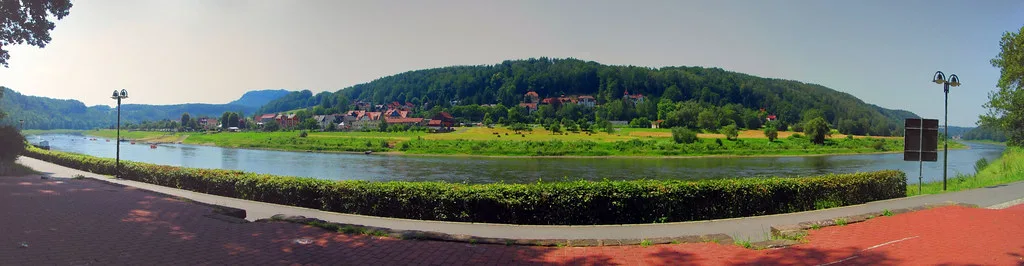
Dresden features several unique transport modes that offer more than just a way to get from A to B. Three Elbe ferries operate within the city network — at Pillnitz, Laubegast, and Kleinzschachwitz — providing scenic crossings between the riverbanks. The Pillnitz ferry is particularly popular for visitors heading to the famous Pillnitz Castle and Gardens. All three are fully integrated into the VVO fare system, so a standard day ticket or the Deutschlandticket covers the crossing at no extra cost.
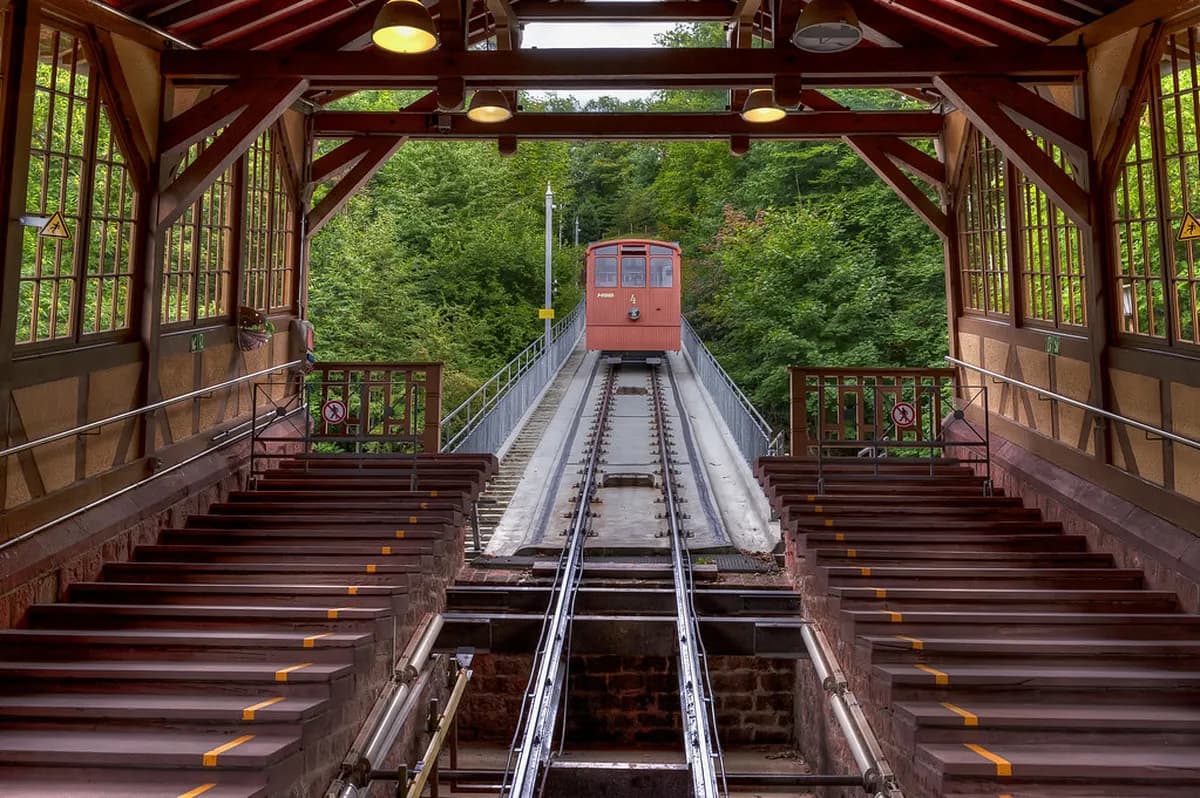
In the district of Loschwitz, you can find two historic hillside lifts that are over a century old. The Schwebebahn is a unique suspension railway, while the Standseilbahn is a traditional funicular. Both offer breathtaking panoramic views of the Elbe valley and the city skyline from their top stations. Note that these historic lifts require a small extra fee as they are considered special tourist attractions.
Taking a ferry at sunset is a local favorite activity that provides a unique perspective of the city. Bicycles are usually allowed on the ferries for a small additional charge or a valid bike ticket. The ferry schedules can change based on the river's water levels, so check the VVO app for updates. These traditional modes of transport preserve a charming piece of Dresden's long engineering history.
Practical Tips for a Smooth Transit Day
The Dresden Welcome Card Official is a great investment for culture-focused travelers. It combines unlimited public transport with free or discounted entry to many of the city's top museums, and is sold in one-, two-, and three-day versions. Here is the quick decision rule: if you will mostly walk the compact Altstadt and only ride transit a few times, a plain ~€9.40 day ticket is cheaper. But if you plan two or more paid museums per day (the Zwinger, Albertinum, or Green Vault), the City Card version — which bundles transport with discounts — usually pays for itself, so buy it instead of separate day tickets.
Accessibility is a priority for the DVB, with most stations featuring elevators or ramp access. Low-floor trams and buses are the standard, making the city very friendly for those with limited mobility. If you encounter an out-of-service elevator, the VVO app often lists alternative routes in real-time. Local staff at the main stations are generally very helpful if you need assistance with directions.
Avoid the common mistake of boarding a train without a pre-purchased or validated ticket. Ticket inspectors often wear plain clothes and will ask to see your proof of payment at any time. Keep your ticket until you have fully exited the station or vehicle at your final destination. Traveling during the 'Blue Hour' just before sunset offers the best light for photos from the tram windows.
Frequently Asked Questions
Does the Deutschlandticket cover all transport in Dresden?
Yes, the Deutschlandticket covers all standard trams, buses, and S-Bahn trains within Dresden. However, it does not cover the full cost of the historic funiculars in Loschwitz. You will need to pay a small supplement to ride the Schwebebahn or Standseilbahn with this pass.
How do I validate a paper ticket in Dresden?
You must validate your paper ticket by inserting it into the yellow or orange 'Entwerter' machines. These are located on train platforms or inside the trams and buses. Look for the punch sound to ensure your ticket is correctly marked before your journey begins.
Is public transport in Dresden accessible for wheelchairs?
Dresden's transit system is highly accessible, featuring low-floor trams and buses on almost every route. Most S-Bahn stations are equipped with elevators for easy platform access. The DVB Official Site provides detailed accessibility maps for all major stops.
Can I buy tickets directly from the tram or bus driver?
You can buy tickets from machines located inside most trams, but bus drivers generally do not sell tickets. It is better to use the VVO Mobil app or machines at major stops. These machines usually accept both cash and contactless card payments for your convenience.
Mastering the transit system in Dresden allows you to focus on the city's incredible art and history. The combination of trams, ferries, and trains provides a reliable way to see every corner of the Saxon capital. By following these tips, you can navigate the streets with confidence and avoid common tourist pitfalls. Dresden is a city that rewards those who take the time to explore its diverse neighborhoods via public transport.
Whether you are here for the Christmas markets or the summer festivals, the DVB network is your best friend. Remember to validate your tickets and consider the Deutschlandticket for longer stays in the region. The efficiency of the local transport ensures that your time in this beautiful city is spent making memories. Safe travels as you embark on your journey through the stunning streets and riverbanks of Dresden.
Explore Every Guide
All 2 guides in this collection, kept current for 2026.
Free: The European City Transport Cheat Sheet
Airport-to-centre, the best ticket to buy, and the one local gotcha — for 5 European cities, plus the universal rules for trams, ferries, and parking.
You might also like
Continue reading
More guides you'll find useful