Catania Public Transport: 7 Essential Guides for Getting Around
Master Catania public transport with our guide to Alibus airport transfers, AMTS bus lines, the FCE metro, and real-time tracking apps for a stress-free trip.
 By Marco Bellini
On this page
Catania Public Transport: 7 Essential Guides for Getting Around
Quick answer: For most visitors, Catania public transport comes down to three tools. From the airport, take the Alibus (Line 457) — €4.00, every 25 minutes, 20–30 minutes to the Central Station and Via Etnea. Inside the city, a single AMTS bus or metro ticket is €1.00 for 90 minutes (€1.20 for the integrated bus + metro version, valid 120 minutes); a full-day urban pass is €2.50. The single FCE metro line (M1) is fastest for cutting across town between Nesima and Stesicoro, and the AST bus from Piazza Giovanni XXIII is the only public route to Mount Etna. Buy tickets at any tabacchi shop or in the AMTS Smart Ticketing app before boarding, and always validate.
Below we break down each option in detail — airport transfers, AMTS bus lines, the FCE metro, regional Etna buses, driving and the historic-center ZTL, plus the validation rules and Sunday schedule cuts that trip up most tourists. Planning routes in advance is essential in Catania, especially if you intend to explore other regions like those covered in our Trapani public transport guide. Let's dive into the specifics of mastering the transit lines of Sicily's vibrant second city.
Free: The European City Transport Cheat Sheet
Airport-to-centre, the best ticket to buy, and the one local gotcha — for 5 European cities, plus the universal rules for trams, ferries, and parking.
Overview of Catania’s Public Transport Network
The backbone of the city is managed by AMTS, which operates nearly 50 different bus lines across the metropolitan area.
Complementing the buses is a single metro line that connects the central station with the northern residential districts.
For those heading further afield, regional hubs provide vital links to the rest of the island's famous landmarks, and our wider library of city public transport guides covers the onward connections to mainland Italy and beyond.
Knowing which company operates each route is the first step toward a successful journey.
| Option | Fare | Validity / Frequency | Best for |
|---|---|---|---|
| Alibus (Line 457) | €4.00 | Every 25 mins | Airport ↔ city center |
| Metro (FCE M1) | €1.00 | Every 10–15 mins | Crossing the center east–west |
| AMTS bus (single) | €1.00 | 90 minutes | Local beaches & suburbs |
| Integrated bus + metro | €1.20 | 120 minutes | Mixed bus + metro journeys |
| Day pass (urban) | €2.50 | Unlimited, 1 day | 3+ trips per day |
| AST bus (Etna) | ~€6.60 round trip | 1 departure daily, 8:15 AM | Mount Etna / Rifugio Sapienza |
How to Get from Catania Airport (CTA) to the City Center
The Alibus is the most popular choice for travelers landing at Catania-Fontanarossa Airport.
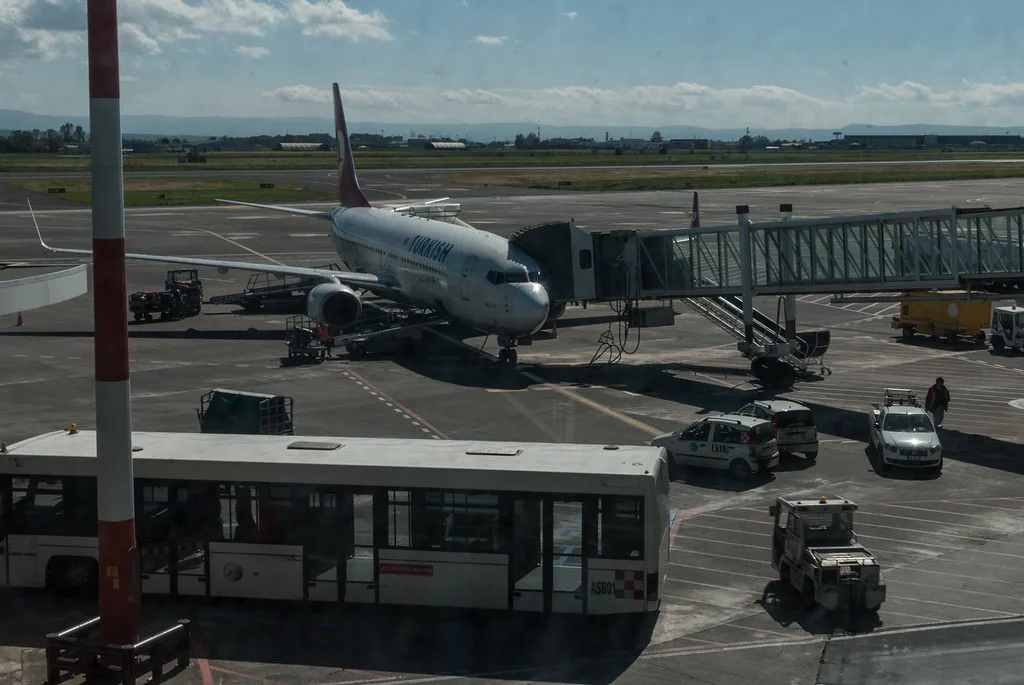
This dedicated shuttle runs frequently and stops at major points including the Central Train Station and Piazza Stesicoro.
Tickets cost approximately €4.00 and remain valid for 90 minutes across the entire urban network.
You can purchase your fare directly from the driver or at the automated kiosks near the terminal exits.
- Understanding the Airport Terminal Layout
- Terminal A: Main hub for most international flights
- Terminal C: Specifically for EasyJet and select low-cost
- Terminal B: Currently closed or used for offices only
- Walking Distance: Terminals A and C are 5 minutes apart
Navigating Catania by Bus: AMTS Routes and Tickets
City buses are essential for reaching areas not served by the metro, such as the famous Plaia beaches.
Look for the **Line D** bus during summer months if you want a direct route to the sandy shores.
In the historic center, the **Line 504M** is a compact shuttle designed to navigate the narrow, ancient streets.
Always remember that bus frequency can drop significantly on Sundays and public holidays.
Using the Catania Metro (FCE): Lines and Schedules
The Catania Metro, the single **Line M1** operated by FCE (Ferrovia Circumetnea), is a clean and efficient way to bypass the city's notorious traffic.
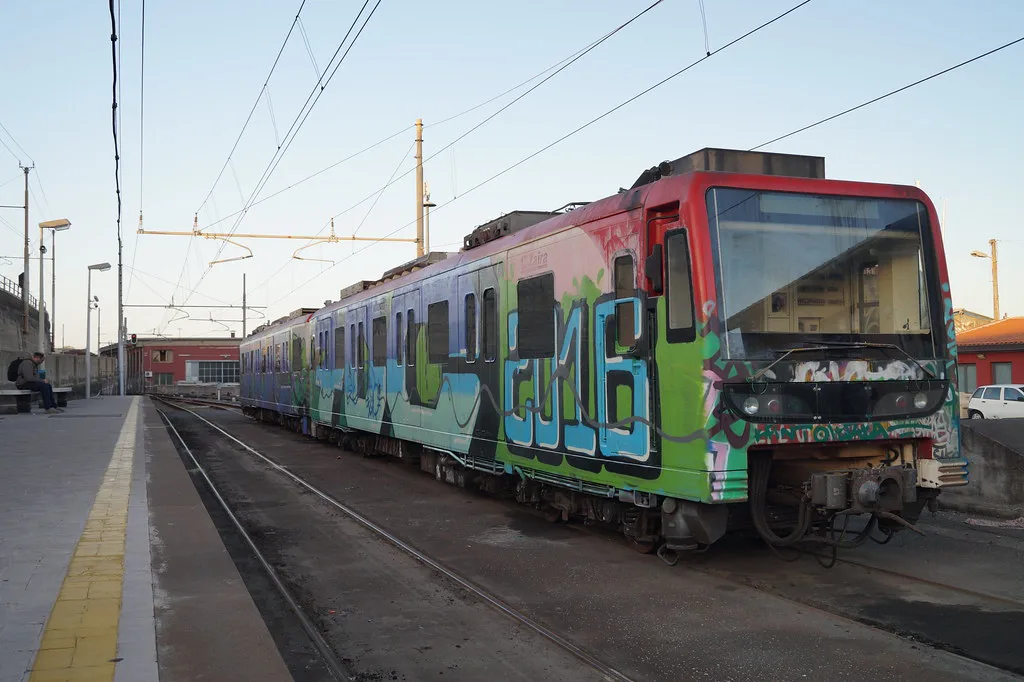
It currently runs along 10 stations from Nesima in the west to Stesicoro in the heart of the shopping district, with Giovanni XXIII the interchange for the railway station.
A single ticket costs €1.00 (valid 90 minutes), while the integrated bus + metro ticket is €1.20 and lasts 120 minutes.
Trains run roughly every 10–15 minutes, making the metro the fastest way to move east–west across the historic core.
- Key Metro Station Information
- Stesicoro: Closest to the Roman Amphitheatre and Via Etnea
- Giovanni XXIII: Interchange for Trenitalia trains and the Etna AST bus
- Weekday hours: First train ~06:40, last ~21:10
- Sunday/holiday: Reduced service, roughly 08:30 to 20:30
Regional Travel: Reaching Mount Etna and Beyond by Bus
Reaching the slopes of Mount Etna by public transport requires a bit of early morning planning.

The **AST bus** departs once daily from **Piazza Giovanni XXIII**, in front of the Central Train Station, at 8:15 AM, taking about two hours to climb the mountain.
This service takes you directly to Rifugio Sapienza (1,900 m), the main base for the Funivia dell'Etna cable car and hiking trails.
The single return bus leaves Rifugio Sapienza at 16:30, so do not miss it. A round-trip ticket is roughly €6.60, bought from the driver in cash, and the line runs daily except major holidays.
Driving, Parking, and the Historic-Center ZTL
If you arrive with a rental car, the single most important rule is the **ZTL (Zona a Traffico Limitato)**, the limited-traffic zone covering much of the historic center around Via Etnea, Piazza Duomo, and the Castello Ursino quarter.
Entering the ZTL without a permit is caught by automated cameras and triggers fines of roughly €80 or more, billed to the rental company weeks later, so leave the car outside the zone.
The ZTL is generally active on weekday evenings and full days on weekends, but enforcement windows shift with events and summer pedestrian schemes, so check the signs at every entry point.
- Where to Park Outside the ZTL
- Parcheggio Sanzio (Piazza Sanzio): large central lot, paid, a short walk from Via Etnea
- Parcheggio Borsellino (near the port): handy for the fish market and Piazza Duomo
- Parcheggio Fontanarossa (by the airport): park-and-ride, then take the Alibus into town
- Blue lines (strisce blu): metered street parking, pay at the kiosk or via the EasyPark app
White-lined spaces are free but rare and almost never available in the center, so budget for a garage or a blue-line meter — our Catania parking guide maps out the lots and blue-line zones in more detail. Given the congestion and ZTL risk, most visitors find the metro, Alibus, and AMTS buses far less stressful than driving inside the city.
Essential Apps and Real-Time Tools for Travelers
Static paper schedules at bus stops are frequently outdated or ignored due to local traffic conditions.
Using a real-time tracking app is the best way to see exactly where your bus is located.
The official **AMTS Smart Ticketing** app lets you buy and validate tickets from your phone, while the **Moovle** app pulls live GPS data to show where your bus actually is.
Together they let you plan routes dynamically based on current delays or service changes — a Pro Tip that makes the difference in Sicily, where buses rarely match the printed timetable.
Practical Tips for a Smooth Journey in Catania
Ticket validation is the most critical step for any passenger using Catania public transport.
Locate the small yellow or green machines on the bus and insert your ticket until it stamps.
Failure to validate can result in immediate fines exceeding €50.00, even if you have a valid ticket.
Inspectors frequently board buses in plain clothes to check for compliance among tourists and locals.
- Common Traveler Mistakes to Avoid
- Buying on-board: Drivers rarely sell tickets now
- Ignoring Sundays: Service levels drop by 50%
- Missing the stamp: Unstamped tickets are considered void
- Wrong Bus: Check the destination sign carefully
Frequently Asked Questions
How do I get from Catania airport to the city center?
The Alibus is the most efficient method, departing every 25 minutes from outside the arrival terminal. It costs €4.00 and reaches the city center in about 20 minutes. You can also take a train from the Fontanarossa station for a slightly cheaper but less frequent alternative.
Is there a metro in Catania?
Yes, Catania has a single metro line operated by FCE that connects the suburbs to the historic center. It is fast and clean but has limited operating hours, usually closing by 9:00 PM. It does not typically run on Sundays or major public holidays.
Where can I buy bus tickets in Catania?
You should purchase tickets at Tabacchi shops, newsstands, or through the official AMTS app. Buying on the bus is often impossible as many drivers do not carry change or sell fares. For more on regional travel, see our Assisi public transport guide.
How do I get to Mount Etna from Catania by public transport?
Take the AST bus that leaves from the Central Train Station at 8:15 AM daily. This is the only direct public bus to the Rifugio Sapienza base area. Ensure you arrive early to secure a seat as it is a popular route for hikers.
Is public transport in Catania reliable for tourists?
The system is generally reliable if you use real-time apps like Moovle to track vehicle locations. Traffic in Catania is heavy, so buses may not always follow the printed schedule exactly. The metro and Alibus are the most consistent options for visitors.
Mastering the transit system in Catania opens up the entire eastern coast of Sicily for exploration. By using the Alibus and the FCE metro, you can avoid the stress of driving in congested city streets. Always keep a validated ticket handy and use digital tools to stay updated on any schedule changes. Your journey through this volcanic city will be much more enjoyable with these practical transport tips.
Whether you are heading to the beach or the mountains, Catania offers a route for every traveler. Take the time to learn the local quirks, like the Sunday service pauses and the Tabacchi ticket system. Safe travels as you explore the rich history and stunning landscapes of this Mediterranean gem. For more Italian transit advice, consider reading our guide on Reims public transport for your next European stop.
Free: The European City Transport Cheat Sheet
Airport-to-centre, the best ticket to buy, and the one local gotcha — for 5 European cities, plus the universal rules for trams, ferries, and parking.
You might also like


Continue reading
More guides you'll find useful