Coimbra Public Transport: 12 Essential Ways to Get Around
Master Coimbra public transport with our guide to SMTUC buses, Coimbra-B trains, the Move-me app, and tips for navigating the city's historic hills.
 By Marco Bellini
On this page
Coimbra Public Transport: 12 Essential Ways to Get Around
Short on time? Here is the quick verdict: Coimbra is a compact, hilly university city, and the smartest combination is walk the flat Baixa, ride an SMTUC bus uphill to the Alta (line 103 is the tourist workhorse), and arrive long-distance at Coimbra-B, where a free shuttle bus runs into the centre every few minutes. Buy a rechargeable SMTUC card (€0.50) rather than paying €1.60 onboard, and skip the car — central parking runs €1.40–€1.80 per hour, so leave it at the free Coimbra-B park-and-ride.
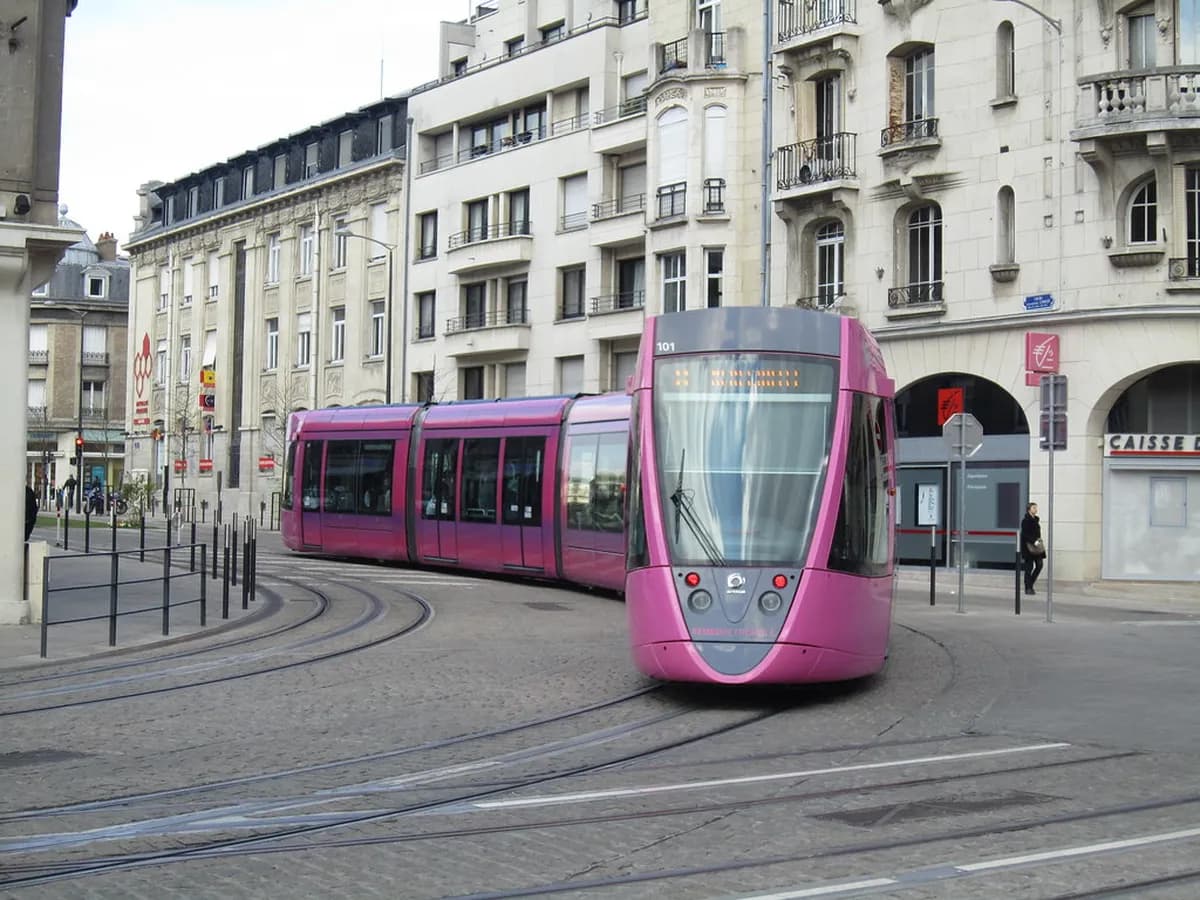
Coimbra sits along the Mondego River and serves as the historic heart of Portuguese academia. The network combines a dense SMTUC bus system with regional rail links to Lisbon and Porto, and the new Metrobus (Metro Mondego) is reshaping how the city moves in 2026. A hybrid approach of walking and riding almost always beats driving here.
This guide covers every aspect of Coimbra public transport — the two train stations, ticket prices, the Move-me app, parking, and how to tackle the steep climb to the Alta district without breaking a sweat.
Free: The European City Transport Cheat Sheet
Airport-to-centre, the best ticket to buy, and the one local gotcha — for 5 European cities, plus the universal rules for trams, ferries, and parking.
Overview of Coimbra’s Public Transport System
The city's transit landscape is dominated by the SMTUC Official Site network of buses and trolleybuses. These vehicles navigate everything from wide riverside boulevards to the narrow, winding alleys of the historic center. Most routes converge near the Baixa district, making it a central hub for commuters.
Topography plays a massive role in how people choose to move through the city. The lower town is relatively flat and easy to traverse on foot or by bike. However, the upper town, known as Alta, demands either a steep hike or a reliable bus connection.
Planning your journey often involves checking schedules that align with the academic calendar. During university terms, certain routes see higher frequency to accommodate the large student population. For those coming from other regions like Zaragoza or French cities, the layout may feel more intimate yet challenging. Compared with breezier coastal resorts such as getting around Cascais on the Lisbon line, Coimbra trades flat seafront promenades for steep, history-laden hills.
SMTUC: Navigating the Local Bus Network
The SMTUC bus system is the backbone of daily life for most residents in Coimbra. You will see bright yellow and white buses crisscrossing the city from early morning until late at night. Lines like the 103 are particularly useful for tourists heading toward the University's historic campus.
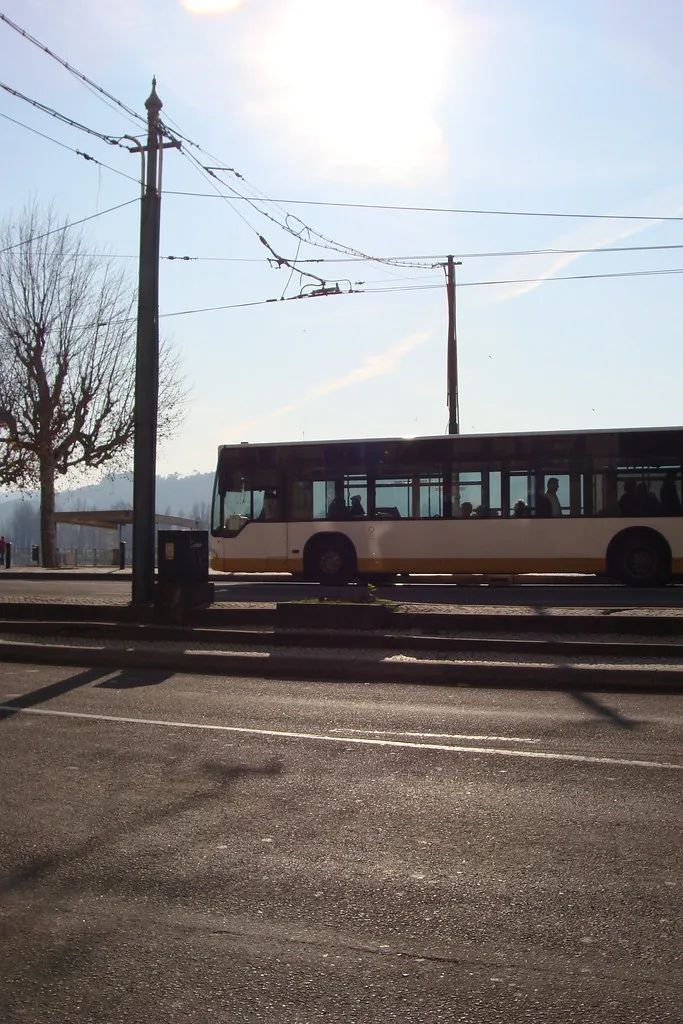
Ticketing can be handled in several ways, but buying in advance is always the most economical choice. You can purchase pre-paid tickets at SMTUC kiosks or authorized agents throughout the city. Onboard fares are significantly higher and require exact change from the driver whenever possible.
To track your ride in real-time, download the Google Play - Move-me App for your smartphone. This tool shows exactly when the next bus will arrive at your specific stop. It eliminates the guesswork often associated with older paper schedules found at bus shelters.
Look for the blue 'Eco' buses if you prefer more sustainable travel options within the center. These smaller electric vehicles are designed to navigate the tightest corners of the old town. They offer a quiet and emission-free way to see the sights while supporting the city's green initiatives.
- SMTUC Fare Options
- Single Ticket: €1.60 onboard
- Pre-paid 10-trip: €0.75 per trip
- 24-hour Pass: €3.50 total
- Purchase: Kiosks or Agente SMTUC
Rail Transportation: Coimbra-A vs. Coimbra-B Stations
A common mistake for travelers is confusing the city's two primary railway stations. Coimbra-B is the main intercity hub located on the outskirts, serving high-speed Alfa Pendular trains. If you are arriving from Lisbon or Porto, this is likely where your journey begins.
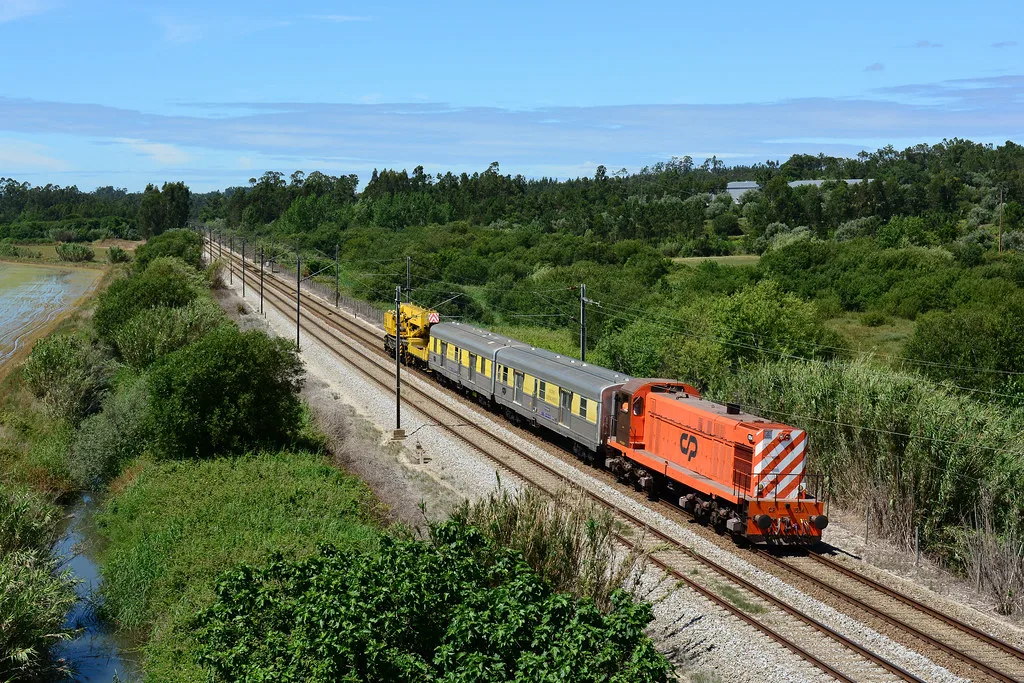
Coimbra-A (officially Coimbra-Cidade) is the central station in the heart of the downtown Baixa, a short walk from hotels and the riverfront. Note an important 2026 change: the rail line between Coimbra-B and the centre closed to trains on 12 January 2025 and is being converted into the Metrobus busway. Until the Metrobus link fully opens, the A–B connection runs as a free SMTUC shuttle bus rather than a train.
You do not need a separate ticket to reach the centre from Coimbra-B. Show your long-distance CP - Comboios de Portugal ticket to board the free transfer service, which departs roughly every 5–8 minutes at peak times (up to 12 departures per hour) and takes about 6 minutes into town.
Booking your rail travel in advance can lead to substantial discounts on the Alfa Pendular and Intercidades lines. Check the official website for 'Promo' fares which are often available several weeks before departure. This is a great strategy for those exploring multiple cities, similar to visiting Bari or other European hubs. If your itinerary continues to the capital, our guide to riding Lisbon's iconic Tram 28 pairs naturally with an Alfa Pendular hop down from Coimbra-B.
Metrobus (BRT): The Future of Coimbra Transit
The city is currently undergoing a massive transformation with the implementation of the Metrobus system. This Bus Rapid Transit (BRT) project aims to replace old rail lines with high-capacity electric buses. It will provide a dedicated corridor for faster travel across the metropolitan area.
By 2026, many of the central routes will be fully operational, connecting the hospital district with the suburbs. These vehicles run on rubber tires but follow a fixed path similar to a tram. This hybrid approach offers the flexibility of a bus with the speed of a light rail system.
Expect modern stations with digital displays and level boarding for improved accessibility. This system is a key part of the city's strategy to reduce private car usage in the center. It will significantly cut down travel times for those commuting from the southern banks of the Mondego.
Sustainable Mobility: Electric Bikes and Scooters
Shared mobility has become a popular way to navigate the flatter parts of Coimbra recently. Several private companies offer electric scooters and bikes that can be unlocked via mobile apps. These are perfect for quick trips along the riverside or between the train stations.
Users must park these vehicles in designated 'hotspots' to avoid fines and keep sidewalks clear. The city has implemented strict rules to ensure that pedestrian flow remains unobstructed in historic areas. Always check the app's map to find the nearest legal parking zone before ending your ride.
Biking is particularly enjoyable along the dedicated paths in Parque Verde do Mondego. These flat trails offer beautiful views of the skyline and the Santa Clara bridge. It is a refreshing alternative to the crowded buses during the peak summer tourist season.
Navigating Roads and Parking in Coimbra
Driving into the historic centre is the single biggest mistake most visitors make. The Baixa is largely pedestrianised, the Alta is a maze of one-way lanes, and on-street meters around the University run roughly €1.40–€1.80 per hour. SMTUC manages the city's meters and lots, and paid street parking applies on weekdays and Saturday mornings (typically 09:00–19:00 Monday–Friday and 09:00–13:00 Saturday); evenings and Sundays are usually free.
If you must bring a car, head for a covered garage rather than circling for a meter. Reliable central options include the Parque Dom Dinis (under the riverside, walkable to the Baixa), the ARNADO covered car park near the city hall, and the Parque da Casa do Sal just across the Mondego. Garage rates sit around €1–€1.50 per hour with day caps of roughly €8–€12.
The smartest play is to skip central parking entirely: leave the car at the free Coimbra-B park-and-ride (12-hour limit) and take the free shuttle into town. Parking west of the Mondego, around Santa Clara, is also far cheaper and often free if you do not mind a short walk across the bridge.
- Coimbra Parking Cheat Sheet
- On-street meters (centre): ~€1.40–€1.80/hour, paid Mon–Fri 09:00–19:00 & Sat 09:00–13:00
- Covered garages (Dom Dinis, ARNADO, Casa do Sal): ~€1–€1.50/hour, day cap ~€8–€12
- Coimbra-B park-and-ride: free, 12-hour limit, free shuttle to centre
- West bank (Santa Clara): cheapest, frequently free
| Parking option | Hourly rate | Day cap / limit | Walk to Baixa | Best for |
|---|---|---|---|---|
| On-street meters (centre) | €1.40–€1.80 | No cap; free evenings & Sun | 0–5 min | Quick errands, free off-peak stops |
| Parque Dom Dinis (garage) | €1–€1.50 | ~€8–€12 | 3–8 min | All-day visits near the riverside |
| ARNADO / Casa do Sal (garage) | €1–€1.50 | ~€8–€12 | 5–12 min | Covered, secure all-day parking |
| Coimbra-B park-and-ride | Free | 12-hour limit | Free shuttle (~6 min) | Day-trippers avoiding the centre |
| West bank (Santa Clara) | Free–low | Mostly unmetered | 10–15 min over the bridge | Cheapest option, longer walk |
Walking and Cycling in the 15-Minute City
Coimbra is embracing the '15-minute city' concept, where essential services are within a short walk. The Baixa district is almost entirely pedestrianized, making it a dream for those who enjoy exploring on foot. You can easily walk from the river to the main shopping streets in minutes.

The climb to the University is the only major obstacle for most pedestrians in the center. While the 'Quebra Costas' stairs are scenic, they are also incredibly steep and challenging. Many visitors choose to walk down from the Alta and take the bus up to save energy.
Cycling infrastructure is expanding, though it remains most practical near the river. The Mondego's banks feature wide, paved paths that are safe for riders of all ages. For more tips on navigating historic European streets, you might find our guide on Colmar helpful for comparison.
Frequently Asked Questions
What is the difference between Coimbra-A and Coimbra-B stations?
Coimbra-B is the main hub for high-speed intercity trains like the Alfa Pendular. Coimbra-A (Coimbra-Cidade) is the central station in the downtown Baixa area. Since the central rail link closed in January 2025 for the Metrobus conversion, a free SMTUC shuttle bus now connects Coimbra-B to the centre for passengers with a valid CP ticket.
How do I buy bus tickets in Coimbra?
You can buy tickets directly from the driver for €1.60, but it is cheaper to use pre-paid options. Visit an SMTUC kiosk or an authorized agent to buy 10-trip packs or a 24-hour pass. These pre-paid options significantly lower the cost per journey.
Is there a metro system in Coimbra?
There is no traditional underground metro, but the city is launching the Metrobus (BRT) system. This network uses dedicated lanes and electric buses to provide rapid transit across the city. It functions similarly to a tram system but with more flexibility. Check the travel blog for more transit updates.
Can I walk to the University of Coimbra from the train station?
Yes, you can walk from Coimbra-A, but be prepared for a very steep uphill climb. The walk takes about 15-20 minutes through the historic center. If you have heavy luggage, taking bus line 103 or a taxi is highly recommended.
Mastering the Coimbra public transport system allows you to experience the city's rich history without the stress of driving. Whether you choose the SMTUC buses or the new Metrobus, the city is becoming more accessible every year. Remember to use the Move-me app to stay updated on real-time arrivals.
By choosing sustainable options like walking or electric bikes, you contribute to the preservation of this UNESCO World Heritage site. Always keep a pre-paid ticket handy to save money on your daily commutes. Enjoy the unique blend of ancient tradition and modern mobility that this vibrant university town offers.
For further planning, consult the Visit Coimbra Practical Guide for the latest local updates. Safe travels as you explore the winding streets and grand libraries of central Portugal.
Free: The European City Transport Cheat Sheet
Airport-to-centre, the best ticket to buy, and the one local gotcha — for 5 European cities, plus the universal rules for trams, ferries, and parking.
You might also like


Continue reading
More guides you'll find useful