
Cascais Public Transport Guide: Trains, Buses & Getting Around
Master Cascais public transport with our guide to the Lisbon train, buses to Sintra (1623/1624), Navegante fares, and local MobiCascais tips for a smooth trip.
 By Marco Bellini
On this page
Cascais Public Transport Guide
Short on time? Here's the decision in one line: arrive from Lisbon on the CP train from Cais do Sodré (≈40 min, €2.55 single via Navegante, or just €2.00 with Zapping credit); reach Sintra on Carris Metropolitana bus 1623 (direct) or the scenic 1624 (€2.60 cash / €1.55 with Navegante); and get one €0.50 Navegante card per person to pay for everything. You don't need a car to enjoy Cascais.
Cascais is a coastal town in the Lisbon District that works best as a car-free base for the Atlantic shoreline and nearby Sintra. Trains and the yellow Carris Metropolitana bus network are frequent and cheap, but a recent change of bus operator (Scotturb → Carris Metropolitana in 2023) trips up visitors relying on older guides — this 2026 guide gives you the current routes, fares, and ticketing.
Below we cover the Lisbon–Cascais railway, the buses to Sintra and Cabo da Roca, the Navegante card and Zapping, taxis and MobiCascais bikes, and — if you do drive — where to park. Plan one route ahead and the rest of your trip stays relaxed.
Free: The European City Transport Cheat Sheet
Airport-to-centre, the best ticket to buy, and the one local gotcha — for 5 European cities, plus the universal rules for trams, ferries, and parking.
The Lisbon to Cascais Train Line
The railway is the primary artery connecting Lisbon's Cais do Sodré station to the heart of Cascais. Trains typically depart every 20 minutes during peak hours, offering a stunning 40-minute journey along the Tejo estuary. Sit on the left side when heading toward the coast to enjoy the best views of the Atlantic beaches.
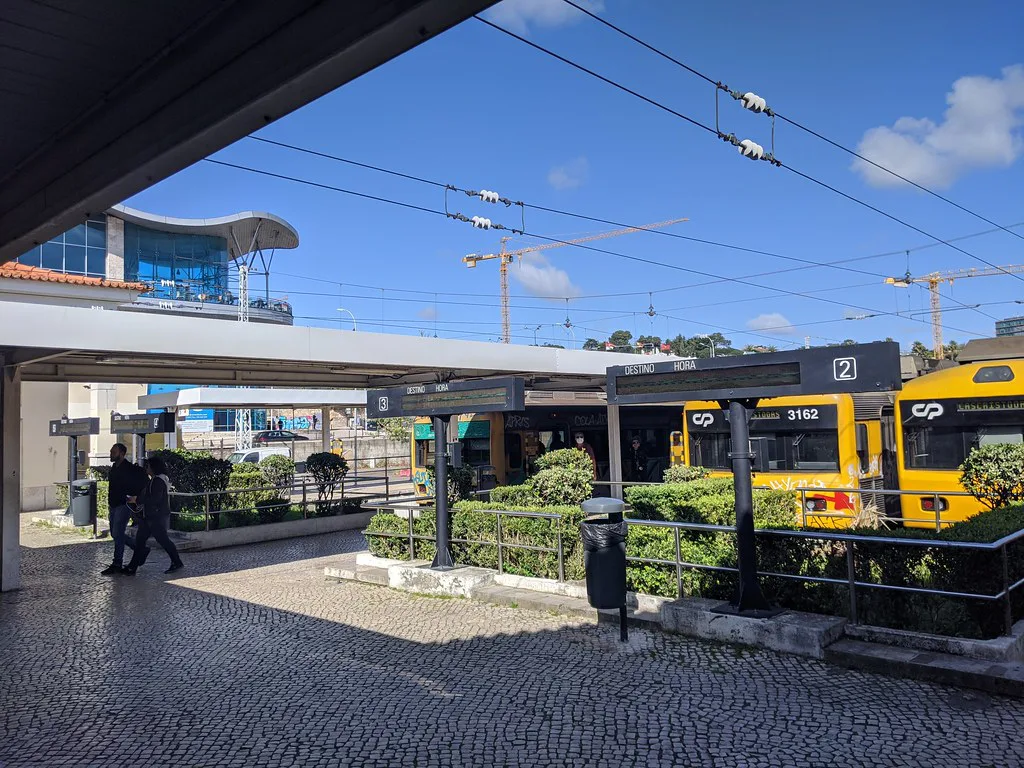
Travelers should be aware of ongoing modernization efforts that may affect weekend schedules throughout 2026. During these periods, the Cascais Line - replacement bus service | CP ensures passengers can still reach their destinations. These buses stop near the main train stations, though travel times may increase slightly depending on traffic.
The Cascais train station is located right in the town center, making it easy to walk to the beach or shops. Elevators and ramps are available for those with heavy luggage or limited mobility. Always check the digital display boards at the station for the latest platform assignments and departure times before you board.
This line is also a helpful resource for those comparing Cascais or Sintra? as your primary base. While Sintra is reached via a different line from Rossio, Cascais offers a much more scenic rail approach. The proximity of the station to the historic center makes it one of the most accessible coastal towns in Portugal.
On fares: a single from Cais do Sodré to Cascais is €2.55, loaded onto a reusable Navegante card (€0.50 to buy). If you instead top the card with Zapping pay-as-you-go credit at any vending machine, the same ride drops to roughly €2.00 — the cheapest way to do it. Seats and tickets cannot be pre-booked, so just tap in at the barriers.
- Train Travel Essentials
- Departure: Cais do Sodré
- Frequency: Every 20 minutes
- Duration: 33-40 minutes
- Cost: €2.55 single (≈€2.00 with Zapping)
Cascais to Sintra by Bus (Routes 1623 and 1624)
Connecting the coast to the mountains is simple thanks to dedicated bus routes managed by Carris Metropolitana. The Cascais to Sintra journey is a popular route for tourists wanting to see the Pena Palace and the Moorish Castle. Most buses depart from the Cascais Terminal, which is located underneath the Cascais Villa shopping mall.
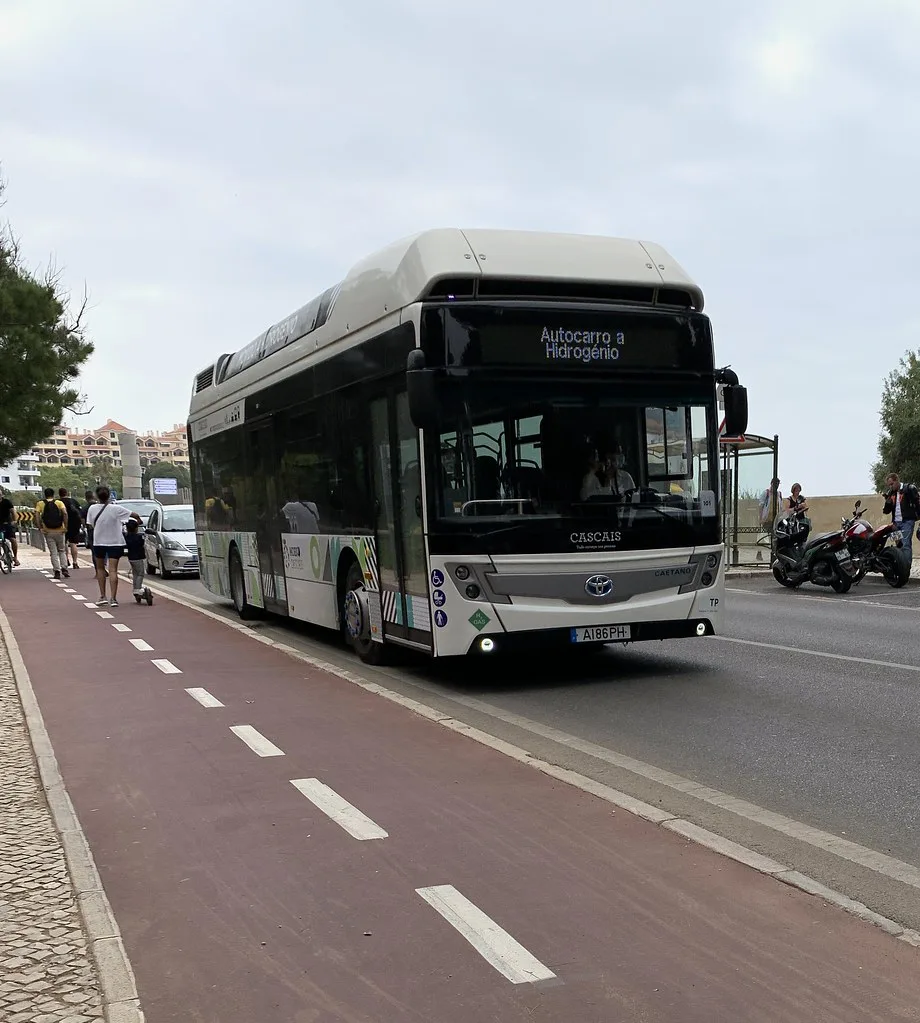
Route 1623 is the faster option, taking a more direct path via the local highway system. It is ideal for visitors who want to reach the Sintra train station quickly to begin their sightseeing. Expect a travel time of approximately 30 to 45 minutes depending on the time of day and road conditions.
Route 1624 offers a more scenic experience as it winds through the coastal roads and the Sintra-Cascais Natural Park. This bus stops at Cabo da Roca, the westernmost point of mainland Europe, making it perfect for photographers. While the journey takes longer, the views of the rugged cliffs and wild beaches are truly spectacular.
Tickets can be purchased directly from the driver using cash, though using a pre-loaded card is much cheaper. During the summer months, these buses can get quite crowded, so arriving at the terminal 15 minutes early is recommended. Both routes end at the Sintra train station, where you can connect to local shuttles for the hilltop palaces.
- Bus Route Comparison
- Route 1623: Direct highway path (≈30-45 min)
- Route 1624: Scenic coastal path, ≈27 min to Cabo da Roca
- Cabo da Roca: Stop on 1624 (departs from Av. Eng. Adelino Amaro da Costa)
- Fare: €2.60 cash / €1.55 with Navegante
- Frequency: Hourly, every ~30 min from 11:00-18:00
Local Bus Network: Carris Metropolitana
The local bus landscape changed significantly in 2023 when Carris Metropolitana took over the routes previously operated by Scotturb. This transition brought newer vehicles and a more unified ticketing system to the entire Lisbon metropolitan area. You will recognize these buses by their distinctive yellow branding and modern digital displays.
Cascais serves as a major hub for these yellow buses, with routes reaching deep into the surrounding residential and coastal areas. If you are exploring other regions, you might find similar systems like public transport guides for different European cities helpful. The network here is designed to link the train station with local beaches like Guincho.
Onboard fares are generally more expensive than using a pre-paid Navegante card. Drivers usually accept cash, but they may not always have change for large banknotes like €20 or €50. To ensure a smooth boarding process, try to have small coins or a validated ticket ready before the bus arrives.
Night bus services are available but operate on a much more limited schedule compared to daytime routes. These are particularly useful if you are dining in the historic center and staying in the outskirts of town. Always verify the latest schedules on the Carris Metropolitana website as seasonal changes are common.
Fares, Tickets, and the Navegante Card
The Navegante card is the most important tool for anyone using Cascais public transport regularly. This reusable card costs €0.50 and can be loaded with balance or specific journey tickets. You can purchase these cards at the ticket offices in the Cascais train station or at automated vending machines.
Zapping is a popular payment method where you load a cash balance onto your card. This credit can be used across trains, buses, and even the metro in Lisbon at a discounted rate — the same card pays for the city's iconic Tram 28 heritage line if you tack a day in the capital onto your Cascais trip. It removes the need to worry about specific zones, as the correct fare is automatically deducted when you tap in.
If you plan several rides in one day, compare two passes loaded onto the same card: the 24-hour Navegante day ticket is €6.80 for unlimited metro, bus, tram, and funicular, while the version that also includes the CP trains out to Cascais and Sintra is €11.00. For a heavy day of trains plus three or more bus hops, the day ticket usually beats paying per ride; for a single out-and-back, Zapping is cheaper.
| Option | Route / Use | Fare (single) | With Navegante / Zapping |
|---|---|---|---|
| CP train | Cais do Sodré ↔ Cascais (≈40 min) | €2.55 | ≈€2.00 (Zapping) |
| Bus 1623 / 1624 | Cascais ↔ Sintra / Cabo da Roca | €2.60 cash | €1.55 (Navegante) |
| Navegante card | One-time card purchase (per person) | €0.50 | Reusable, loadable |
| 24h day ticket | Unlimited metro / bus / tram / funicular | €6.80 | Loaded on card |
| 24h + trains | Adds CP trains to Cascais & Sintra | €11.00 | Loaded on card |
Validation is mandatory every time you board a vehicle or enter a train station. For buses, the yellow card readers are located near the driver's cabin at the front entrance. Failure to validate your card can result in heavy fines, even if you have a valid balance or pass on the card.
If you are planning an extensive trip starting in the capital, you might also look at the Lisbon to Sintra rail options which use the same ticketing system. Having one card for the entire region simplifies your travel logistics immensely. Remember that each traveler must have their own individual Navegante card.
Taxis, Ride-Hailing, and Bike Rentals
For those who prefer a more direct route, ride-hailing apps like Uber and Bolt are very active in the Cascais area. These services are often more affordable than traditional taxis, especially for groups of three or four people. You can easily request a ride to remote beaches or inland restaurants using your smartphone.

MobiCascais is a unique local initiative that promotes sustainable movement through bike-sharing and electric shuttles. You can rent "Bicas" (local bicycles) at various points around the town for a very low daily fee. This is a fantastic way to enjoy the dedicated bike path that runs along the coast toward Guincho Beach.
Traditional taxis are still available at designated ranks near the train station and major hotels. They are a reliable option for short hops within the town center or for late-night transfers when buses are infrequent. Most modern taxis in Cascais now accept credit cards, but it is wise to ask the driver before starting the trip.
Walking remains one of the best ways to explore the compact historic center of Cascais. Many of the most beautiful viewpoints and hidden alleys are only accessible on foot. Combine walking with the occasional bus or bike rental to see the very best of what this coastal gem has to offer.
Driving and Parking in Cascais
You really don't need a car here, but if you arrive with one, parking is managed by MobiCascais (run by the municipal company Cascais Próxima). The town has roughly 6,000 paid on-street spaces split across 25 zones plus three historic-centre areas, and nine enclosed car parks with about 1,500 spaces between them. The historic centre and seafront fill fast on summer weekends, so head straight for a closed park rather than circling for a kerbside spot.
Pay for on-street parking through the MobiCascais app (free to download), which also shows live availability in the closed car parks, locates bus stops with live schedules, and lets you unlock the shared "Bicas" bikes — one app for parking, buses, and bikes. The generous 100 free daily minutes of street parking applies only to residents with an active Viver Cascais card, so visitors should expect to pay the standard hourly rate.
Note that the compact historic core around the old town and the marina is largely pedestrianised, with restricted vehicle access — another reason to leave the car in a park on the edge of the centre and walk in. The same goes if you day-trip up to Sintra by car: our guide to parking in Sintra explains why the hilltop palaces are far easier reached by bus 1623/1624 than by driving. From the Cascais train station it is a flat five-minute walk south to the seafront and the old town, so basing yourself near the station keeps you car-free for the whole stay.
Planning Your Trip: Timetables and Apps
Staying updated with real-time information is the best way to avoid long waits at bus stops. The Carris Metropolitana app provides live tracking for buses, showing exactly how many minutes remain until the next arrival. This is particularly helpful during the busy summer season when traffic can cause minor delays.
For train schedules, the CP (Comboios de Portugal) app is the official source for the Lisbon-Cascais line. It allows you to check for any service alerts or planned maintenance that might require using a replacement bus. You can also see the facilities available at each station, such as luggage lockers or cafes.
Google Maps is generally reliable for transit directions in Cascais, but it may not always reflect the very latest timetable changes. Cross-referencing with the official operator apps ensures you have the most accurate data for your journey. Many local bus stops also feature QR codes that link directly to live arrival boards.
If you have traveled elsewhere in Europe, you might notice similarities with systems like zaragoza public transport in terms of hub-based layouts. Cascais is designed to be user-friendly for international visitors, with most signage available in both Portuguese and English. Planning your routes a day in advance helps ensure a relaxed and enjoyable Portuguese adventure.
Frequently Asked Questions
How do I get from Cascais to Sintra by bus?
You can take bus routes 1623 or 1624 from the Cascais Terminal located under the Cascais Villa mall. Route 1623 is faster, while 1624 is more scenic and stops at Cabo da Roca. Both routes end at the Sintra train station for easy access to palaces.
Does the Navegante card work in Cascais?
Yes, the Navegante card is the standard payment method for Cascais public transport, including trains and Carris Metropolitana buses. You can use the 'Zapping' credit feature for discounted fares. Each passenger needs their own card to travel legally on the network.
Are there replacement buses for the Cascais train?
Replacement buses operate during periods of track maintenance or modernization works on the Cascais Line. These buses typically run on weekends or late at night when trains are suspended. Check the official CP website for the latest 2026 service updates and bus stop locations.
What is the best way to get from Lisbon to Cascais?
The train from Cais do Sodré station in Lisbon is the most efficient and scenic way to reach Cascais. It runs frequently throughout the day and takes about 40 minutes. For more tips on regional travel, see our travel blog for updated guides.
Mastering the Cascais public transport system opens up a world of coastal beauty and historic charm. From the scenic train ride along the Tejo to the rugged bus routes toward Sintra, the options are both affordable and efficient. By using a Navegante card and local apps, you can navigate the region like a seasoned local.
Remember to stay updated on the latest modernization works to avoid any unexpected travel delays during your stay. Whether you choose a yellow bus, a shared bike, or the coastal railway, your journey will be filled with stunning Atlantic views. Enjoy the freedom of exploring one of Portugal's most iconic destinations with ease and confidence.
Free: The European City Transport Cheat Sheet
Airport-to-centre, the best ticket to buy, and the one local gotcha — for 5 European cities, plus the universal rules for trams, ferries, and parking.
You might also like



Continue reading
More guides you'll find useful