6 Best Ways to Get Around Tenerife Without a Car (2026)
Discover how to navigate Tenerife without a car. Our guide covers TITSA buses, the Ten+ card, taxi rules, biking, and the best car-free bases for your trip.
 By Marco Bellini
On this page
6 Best Ways to Get Around Tenerife Without a Car
Short answer: Yes, you can do Tenerife without a car. Buy a Ten+ card (€2) at the airport, load €20–30, and rely on the green TITSA "guagua" buses plus the Santa Cruz–La Laguna tram. From Tenerife South (TFS) take line 111 to Costa Adeje/Los Cristianos (~€3.20) or line 711/111 to Santa Cruz (~€9.35); from Tenerife North (TFN) take line 20/30/107. Base yourself in Los Cristianos/Costa Adeje (south, flat and walkable) or Puerto de la Cruz (north, hiking hub). Note: the 2026 "free bus" scheme is residents-only — tourists pay normal Ten+ fares. Skip a rental for the cost and the nightmare of mountain switchbacks and Santa Cruz parking.
After navigating the winding volcanic ridges of this island for over five years, I have learned that a rental vehicle is far from mandatory. Many visitors fear that getting around Tenerife without a car will limit their access to the majestic Teide National Park or remote villages like Masca. However, the island boasts one of the most efficient and affordable bus networks in the Canary Islands, making it entirely feasible for adventurous travelers. This guide was last refreshed in June 2026 to reflect the latest fare changes and route updates for your 2026 journey.
Free: The European City Transport Cheat Sheet
Airport-to-centre, the best ticket to buy, and the one local gotcha — for 5 European cities, plus the universal rules for trams, ferries, and parking.
Key Takeaways
- Best Overall: The TITSA 'guagua' bus network using a Ten+ card for 30% discounts.
- Best for Families: The Santa Cruz to La Laguna tram for its space and frequent service.
- Best for Nature: Organized day tours to Masca and Anaga to avoid complex bus transfers.
- Best Free Option: The extensive coastal pedestrian promenades in the south and north.
- Pro Tip: Always check the 'Ten+ Mobile' app for real-time bus locations and balance top-ups.
Is Tenerife Worth Visiting Without a Car?
Tenerife is surprisingly accessible for those who prefer to explore on foot or via public transport, provided you choose your base wisely. The southern coast offers flat, sun-drenched promenades, while the northern hubs connect you to lush forests via the extensive green bus network. I once spent an entire month based in Puerto de la Cruz without ever needing a steering wheel, reaching even the most remote trailheads easily.

Relying on TITSA Official Site services often costs a fraction of a daily car rental and insurance package. Most major attractions, from the Loro Parque to the beaches of El Médano, are served by frequent lines that run well into the evening. Planning your trip around these hubs ensures you spend less time navigating and more time enjoying the local Malvasía wine.
If you are looking for a broader perspective on continental transit, you might also find our guide on getting around Europe helpful for your next leg. Understanding the local rhythm is key, as bus frequencies can change significantly during the siesta hours or on local feast days. Always check the latest schedules on the official app before heading to a rural stop, as digital displays are rare outside the main stations.
6 Best Ways to Get Around Tenerife Without a Car
The infrastructure for non-drivers has improved drastically over the last decade, centering on the iconic bright green buses known locally as 'guaguas'. This list prioritizes reliability, cost-effectiveness, and the ability to reach the island's most famous volcanic landscapes without a private vehicle. Whether you are heading to the capital or the cloud forests of Anaga, these six methods provide a comprehensive toolkit for every traveler.
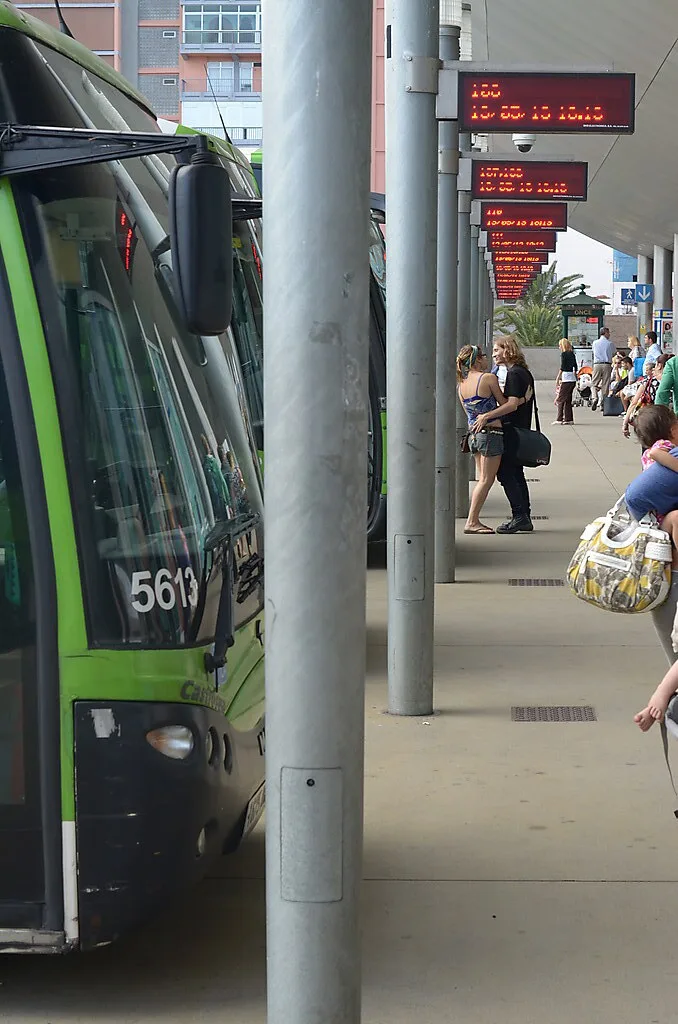
Navigating the island requires a mix of high-tech apps and old-school patience, especially when dealing with mountain routes. I recommend downloading the Ten+ mobile app immediately upon arrival to avoid the hassle of finding physical ticket kiosks in smaller villages. Below are the specific modes of transport that make a car-free itinerary not just possible, but genuinely enjoyable.
Keep in mind that while the south is built for tourism, the north requires a bit more logistical planning for public transit. The metropolitan area around La Laguna and Santa Cruz even features a modern tram that rivals any major European city for efficiency, much like the mainland system covered in our Alicante tram guide. For those staying in the north, our specific guide to Puerto de la Cruz public transport offers deeper neighborhood insights.
| Transport option | Typical cost | Best for | Watch out for |
|---|---|---|---|
| TITSA "guagua" bus | €1.45–€9.70 per ride (Ten+ card) | Reaching anywhere, incl. Teide | Tap on AND off, or pay max fare |
| Metrotenerife tram | ~€1.45 per journey | Santa Cruz ↔ La Laguna | Only serves the metro area |
| White metered taxi | ~€4 minimum; €25–30 airport→Los Cristianos | Short gaps, late nights | Drivers can't pick up outside their zone |
| E-scooter / bike rental | €15–€25 per day | Flat southern promenades | Fines for leaving the bike lanes |
| Coastal walkways | Free | Resort-to-resort strolls | No shade 1–4pm; carry water |
| Organized day tour | €40–€80 per person | Masca, Anaga, hard-to-reach spots | Includes hotel pickup; book ahead |
- The TITSA Green Bus Network
- This extensive bus system covers almost every corner of the island from the coast to the peaks of Teide.
- Fares typically range from $1.50 to $10.00 depending on the distance, and the main stations operate from 6am until midnight.
- Use the 348 or 342 lines for Teide National Park, but remember to book your return seat early as these high-altitude routes fill up fast.
- The Metrotenerife Tram System
- This sleek light rail connects the capital of Santa Cruz with the historic streets of San Cristóbal de La Laguna.
- A single journey costs roughly $1.45, with trams running every 5 to 10 minutes during peak weekday hours.
- It is the fastest way to travel between the two cities, and you can find more details in our Tenerife tram overview.
- Licensed White Taxis
- Taxis are a reliable way to bridge the gaps between bus stops, especially for short trips within a single municipality.
- Expect a minimum fare of around $4.00, with rates increasing slightly at night or on Sundays according to official city scales.
- Never try to hail a taxi from a different town for a return trip, as local laws often prevent drivers from picking up outside their home zone.
- Electric Scooter and Bike Rentals
- Coastal towns like Los Cristianos and Las Américas are perfect for exploring via rented e-scooters or bicycles.
- Daily bike rentals average $15 to $25, while scooter apps charge by the minute for quick hops along the flat promenades.
- Stick to the designated bike lanes on the seafront to avoid heavy traffic and potential fines from the local police.
- Pedestrian Coastal Walkways
- Tenerife features incredible coastal paths that allow you to walk between major resorts without ever seeing a car.
- Walking is entirely free and accessible 24/7, though the midday sun between 1pm and 4pm can be punishingly hot.
- The path from Los Cristianos to Costa Adeje is a highlight, offering constant ocean views and plenty of spots for a refreshing swim.
- Organized Guided Day Tours
- For difficult-to-reach spots like the Masca Gorge or Anaga, booking a professional tour is often the most logical choice.
- Full-day excursions usually cost between $40 and $80 per person and include hotel pickup from major tourist hubs.
- These tours provide expert commentary and take the stress out of timing the infrequent rural bus schedules.
From the Airport Without a Car: Buses and Fares
Most visitors land at Tenerife South (TFS), and you can reach every major resort straight from the terminal by TITSA bus without ever touching a rental counter. Buy a Ten+ card (€2) from the vending machine or the TITSA desk in arrivals, top it up with at least €5, and validate it on board — tap when you board and again when you step off, or the system charges you the full island-wide fare.
From TFS, the workhorse lines are:
- Line 111 → Costa Adeje, Playa de las Américas and Los Cristianos: roughly every 30–40 minutes, ~25–35 min, around €3.20 to Los Cristianos with a Ten+ card.
- Line 711 (express) and Line 111 → Santa Cruz de Tenerife: the express runs roughly hourly from ~07:30 to 22:30 and costs about €9.35.
- Line 343 → links TFS with Tenerife North (TFN) and Puerto de la Cruz in about 50 minutes for ~€9.70 — handy if you are staying in the north.
If you fly into Tenerife North (TFN), take Line 20 or 30 into Santa Cruz (every ~30 min, ~€2.30) or Line 107/108 toward Puerto de la Cruz. Official metered white taxis wait outside both terminals; a TFS-to-Los Cristianos run is roughly €25–30 and TFS-to-Santa Cruz around €60–70, so the bus is far cheaper for solo travellers. If you are continuing your trip on the mainland, the same airport-to-centre logic plays out in cities like Almería, where our Almería public transport guide breaks down the equivalent bus fares. Avoid touts offering "fixed-rate" rides inside the terminal — they lack passenger insurance.
The Ten+ Card: Your Secret to Cheap Fares
The Ten+ card is an essential tool for anyone using the bus or tram, as it offers significant discounts over cash fares. You can purchase a physical card for $2.15 at kiosks, tram stations, or 'Estancos' (tobacco shops) across the island. Recharging the card with credit allows you to pay for multiple people at once, making it ideal for families or groups.
Using the Ten+ card or the mobile app can save you up to 30% compared to buying individual paper tickets from the driver. According to the official TITSA fare guide, these savings apply to both short city hops and long-distance intercity journeys. I always keep the digital app version as a backup, though the physical card is often more reliable in areas with poor mobile reception.
For those planning to use the bus daily, TITSA's tourist TravelCards are excellent value: a 1-day unlimited card is around €10 and the 7-day unlimited card about €50, both covering every TITSA line across the island including the routes up to Teide. Check the Fins First Surf School Guide for a detailed breakdown of current seasonal pass prices.
One important 2026 clarification: you will see headlines about "free" buses and trams in Tenerife. That subsidised scheme runs through 2026 but is residents-only — it requires Canary Islands registration (empadronamiento) plus a minimum of 10 trips per month to keep the pass active. Tourists are not eligible and simply pay the normal discounted Ten+ fares above, so don't expect a free ride at the airport.
Where to Stay for a Car-Free Holiday
Selecting the right base is the most critical decision for a successful car-free trip to Tenerife. Puerto de la Cruz is my top recommendation for those who enjoy culture, lush gardens, and easy access to the northern hiking trails. The central bus station here is a major hub, offering direct lines to the capital, the airport, and the southern beaches.
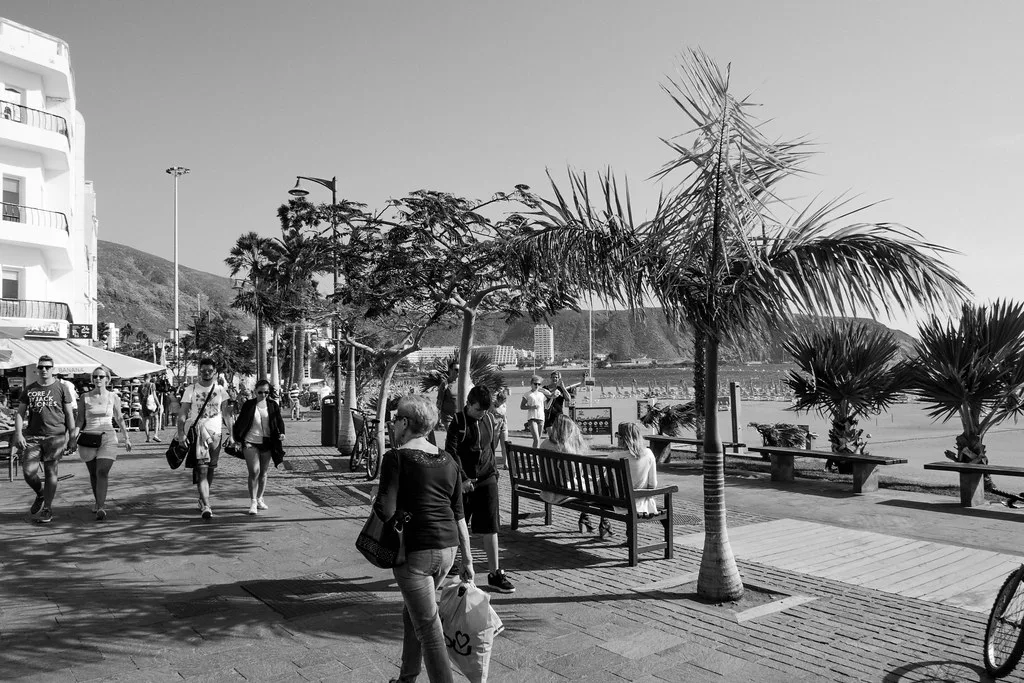
If you prefer sunshine and swimming, the southern duo of Los Cristianos and Playa de las Américas is hard to beat. These areas are highly walkable and feature a flat coastline that makes getting around on foot a pleasure rather than a chore. You can easily catch the 110 or 111 express buses from here to reach Santa Cruz in just over an hour.
Santa Cruz de Tenerife is the best choice for travelers who want a metropolitan feel with the highest frequency of transport. Living in the capital gives you access to the tram and the largest bus interchange on the island for maximum flexibility. Parking in the capital is notoriously difficult, so staying here without a car actually saves you from the Santa Cruz parking nightmare.
What to Skip: Overrated Transport Options
While the hop-on hop-off buses in Santa Cruz seem convenient, they are often overpriced for the limited ground they cover. The local tram and public buses follow almost the same route for a fraction of the cost, usually under $2.00 per trip. I recommend skipping these tourist-focused loops in favor of the more authentic and efficient public transit system.
Avoid trying to walk between the southern resorts during the peak heat of the afternoon, as the lack of shade can be dangerous. Many tourists underestimate the distance between Costa Adeje and Los Cristianos, which can take over an hour in direct sun. Use the cheap local buses for these short stretches to save your energy for the more scenic hiking trails in the mountains.
Finally, be wary of 'unmarked' taxis that may offer flat rates at the airport or near major nightclubs. Always insist on using the official white taxis with meters to ensure you are charged the legal rate for your journey. Illegal transport lacks insurance for passengers and often ends up costing more than a standard metered fare.
Frequently Asked Questions
Can I use Google Maps for Tenerife bus schedules?
Yes, Google Maps is highly reliable for TITSA bus routes and live tracking on the island. It accurately reflects most stop locations and estimated arrival times, which is essential since many rural stops lack digital displays.
Do I need to buy bus tickets in advance?
You do not need to book in advance for most routes, as you can pay with a Ten+ card or credit card on board. The only exception is the Teide National Park lines, which can reach capacity during the peak winter season.
Is there Uber or Cabify in Tenerife?
Uber does operate in certain parts of Tenerife, but availability is much lower than in mainland Spain. Most locals and visitors still rely on the official white taxi fleet, which is regulated and generally very reliable for short trips.
Getting around Tenerife without a car is not only possible but offers a more relaxed way to experience the island's diverse landscapes. By mastering the TITSA bus network and using the Ten+ card, you can save money while reaching the most iconic volcanic peaks and coastal villages. Whether you choose the metropolitan energy of Santa Cruz or the botanical charm of Puerto de la Cruz, your car-free adventure awaits.
Remember to check the latest schedules on the official app and always carry a physical Ten+ card as a backup for rural areas. For more travel inspiration and planning tips, feel free to explore our latest articles at Hopwander blog. Safe travels as you explore the stunning terrain of Tenerife on your own terms.
Explore Every Guide
All 3 guides in this collection, kept current for 2026.
Free: The European City Transport Cheat Sheet
Airport-to-centre, the best ticket to buy, and the one local gotcha — for 5 European cities, plus the universal rules for trams, ferries, and parking.
You might also like

Continue reading
More guides you'll find useful