Lubeck Public Transport Guide: Tickets, Routes, and Airport Transfers
Master Lubeck public transport with our guide to bus routes, Priwall ferries, ticket prices, and seamless transfers from Hamburg and Lübeck airports.
 By Marco Bellini
On this page
Lubeck Public Transport Guide
Short on time? Here is the bottom line for 2026:
- One ride in the Old Town: a single ticket (Einzelfahrkarte) costs €3.60 within the city of Lübeck; the short-hop Kurzstrecke (up to the 4th stop) is just €2.00.
- Multiple trips in a day: buy the day ticket (Tageskarte) from €6.40 — it pays for itself after roughly two single rides.
- Easiest way to pay: the Fairtiq check-in app auto-caps your fare; no zone maps needed.
- From Lübeck Airport (LBC): bus line 6 or the train from Lübeck-Flughafen station, both into the Hauptbahnhof (see the comparison table below).
- From Hamburg Airport (HAM): S-Bahn S1 to Hamburg Hbf, then a regional express to Lübeck — about 90 minutes total.
Navigating the historic streets of the Hanseatic City of Lübeck is remarkably simple thanks to a well-organized transit network. Most visitors find that the city's compact nature and efficient bus system make renting a car unnecessary. Whether you are exploring the medieval Old Town or heading to the Baltic coast, understanding the local logistics is key.
The system relies heavily on a fleet of modern buses and unique ferry crossings in the Travemünde district. Local operators ensure that even late-night travelers can find a way back to their accommodation safely. This guide provides everything you need to master Lubeck public transport during your next visit.
Free: The European City Transport Cheat Sheet
Airport-to-centre, the best ticket to buy, and the one local gotcha — for 5 European cities, plus the universal rules for trams, ferries, and parking.
Overview of Lübeck’s Public Transport Network
The backbone of transit in this historic city is the bus network, which reaches almost every corner of the metropolitan area. Most routes converge near the central station or the Kohlmarkt, making transfers between lines straightforward for newcomers. You will find that the system is punctual and highly integrated with regional train services.
Water transport also plays a vital role, especially for those venturing toward the seaside. The public transport guides for the region emphasize the importance of the Trave river crossings. These ferries are not just for tourists; they are essential daily links for locals living on the Priwall Peninsula. This blend of road and water travel defines the unique character of the city's infrastructure.
Sustainability is a major focus for the local government and transport authorities. Many buses are being transitioned to electric models to reduce noise and emissions in the sensitive Old Town area. Travelers can enjoy a cleaner environment while moving between the famous brick gothic landmarks. Planning your route is easy using digital maps or physical schedules posted at every major stop.
Stadtverkehr Lübeck: Bus Lines and Key Routes
The main operator, Stadtverkehr Lübeck, manages over 20 different lines that crisscross the city. For tourists, lines 1, 2, 5, and 11 are particularly useful as they serve the central train station and the historic island. Most buses run every 10 to 15 minutes during peak daytime hours, ensuring minimal wait times. You can check the Stadtverkehr Lübeck Official Site for the most accurate live departure data.
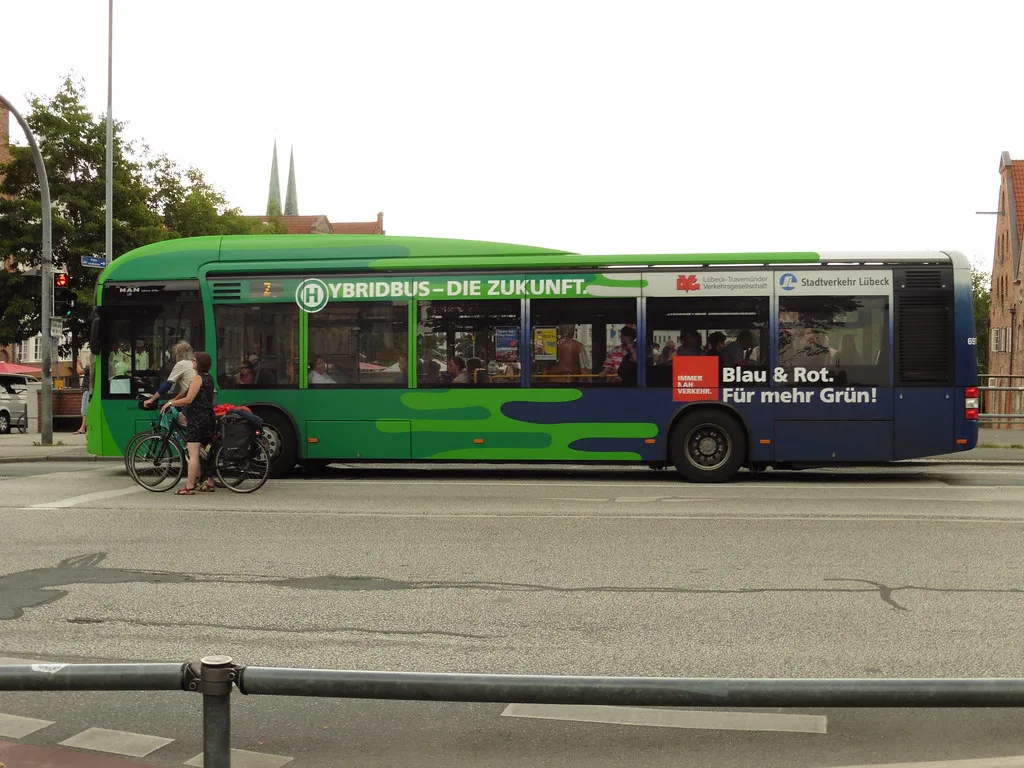
Low-floor buses are standard across the fleet, making the system accessible for everyone. These vehicles include dedicated spaces for wheelchairs and strollers, often located near the middle doors. If you are traveling with heavy luggage, these spacious interiors provide plenty of room to stand comfortably. Digital displays inside the bus announce the next stop in both German and English.
During the weekends, the city operates a special Nachtbus (Night Bus) network to assist late-night explorers. Lines N1, N2, and N3 run after midnight to connect the city center with outlying residential districts. This service is a great alternative to taxis for those enjoying the local nightlife or late dinners. Always check the specific weekend schedule, as these lines do not run on weekday nights.
The Priwall Ferries: Travemünde Water Crossings
Travemünde is a seaside district that requires a ferry to reach the scenic Priwall Peninsula. There are two distinct ferry types: the large car ferry and the passenger-only "Wellenkamp" ferry. The car ferry runs 24 hours a day, providing a constant link across the mouth of the Trave. Pedestrians can use either service, but the passenger ferry is often faster for those on foot.
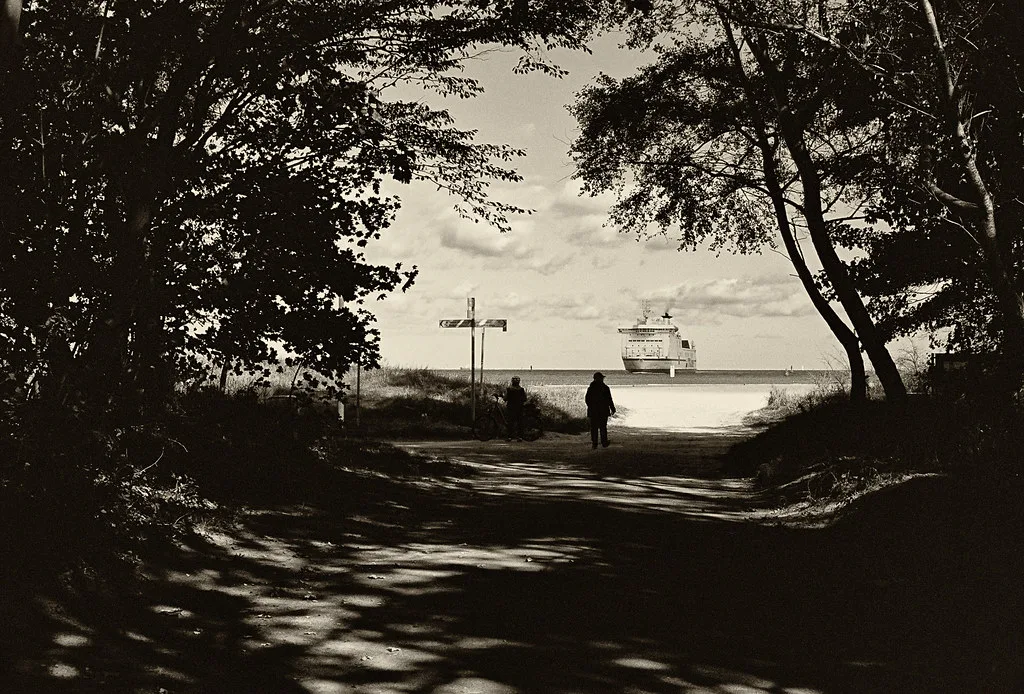
Your standard bus tickets often integrate with these water crossings depending on your fare zone. If you have a day pass for the Lübeck urban area, it typically covers the pedestrian fare for the Priwall ferries. Always confirm your ticket's validity with the ferry staff before boarding to avoid fines. Similar water-based transit can be found in other port cities, much like the systems detailed in our Bari public transport guide.
The crossing itself only takes a few minutes but offers a wonderful view of the passing Baltic ferries. During the summer, these boats can become quite crowded with cyclists and beachgoers. It is best to have your ticket or small change ready if you are paying on the spot. The ferries are a charming and essential part of the local Lubeck public transport experience.
Ticket Options: Single, Day, and Weekly Passes
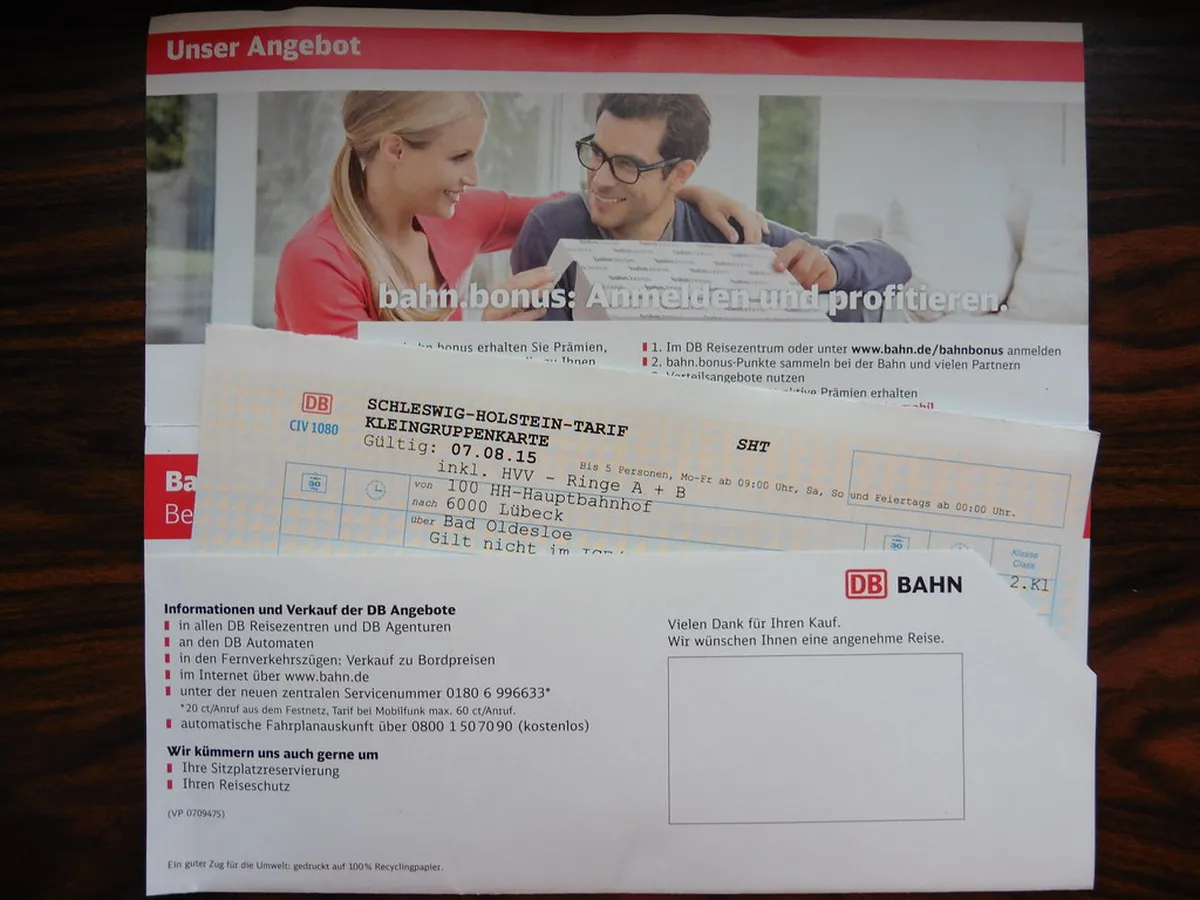
Choosing the right ticket can save you a significant amount of money during your stay. As of the SH-Tarif update on 1 April 2026, an Einzelfahrkarte (single ticket) within the city of Lübeck costs €3.60, and the Kurzstreckentarif (short-distance fare, valid up to the fourth stop after boarding) is just €2.00. The Tageskarte (day ticket) starts at €6.40 and offers unlimited travel until 6:00 AM the following day, so it pays off after about two single rides. For families, the Kleingruppenkarte (small group ticket) covers up to five people on one ticket. These options make navigating the city as affordable as using Colmar public transport for short hops.
The Lübeck Card is another popular choice for tourists visiting for several days. This card combines unlimited transit with discounts at various museums and local attractions. You should calculate your planned museum visits to see if this card outperforms a standard 24-hour pass. Often, the convenience of having both transit and entry fees covered in one price is worth the small premium.
Weekly passes are available for those staying longer, providing the lowest cost per journey. These passes are usually valid for seven consecutive days from the time of first use. You must remember to validate your paper ticket in the small machines found on buses if they aren't pre-stamped. Failing to validate a ticket is considered traveling without a fare and can lead to heavy penalties.
Understanding the SH-Tarif and Fare Zones
Lübeck operates within the Schleswig-Holstein regional tariff system, known as the SH-Tarif. This system divides the entire state into zones, and your fare depends on how many zones you cross. The Lübeck region covers zones 6000–6008 plus 5510, 5515, and 5520; for travel strictly within the city center you will typically stay inside zone 6000 and pay the €3.60 single fare. Crossing into the wider "Region Lübeck" (towards towns like Eutin) raises the single ticket to €4.40 as of 1 April 2026. For more detailed zone maps and regional pricing, visit the NAH.SH website.
If you plan to visit nearby towns like Eutin or the state capital, Kiel, the SH-Tarif makes it easy to use one ticket for both bus and train. You can purchase a single ticket that covers your entire journey from a Lübeck bus stop to your final destination. This seamless integration is a hallmark of German transit efficiency. It mirrors the regional connectivity seen in our guide to Reims public transport and its surrounding areas.
The Deutschlandticket is also fully valid on all local buses and regional trains in the Lübeck area. This 49-Euro monthly pass is a fantastic option for travelers spending a few weeks in Germany. It covers all local transit nationwide, including the Priwall ferries and regional RE trains. Just ensure you have a valid digital or chip card version, as paper versions are rarely issued now.
How to Buy Tickets: Apps, Machines, and Drivers
The most modern way to pay for Lubeck public transport is through the Fairtiq app. This "check-in/be-out" system tracks your journey via GPS and automatically charges you the lowest possible fare. You simply swipe to start when you board and swipe again when you exit. This eliminates the need to understand complex zone maps or carry physical change.
Ticket machines are located at the Lübeck Hauptbahnhof and other major transit hubs throughout the city. These machines usually offer multiple language options, including English, French, and Spanish. You can pay with cash or most major debit and credit cards at these terminals. Ensure you take your printed receipt if you need it for travel expense reporting later.
While you can still buy tickets directly from the bus driver, it is generally discouraged during busy times. Drivers can only accept cash, and they may not always have change for large bills. Buying in advance via an app or machine is much faster and helps keep the buses on schedule. If you must buy on board, try to have the exact change ready for the driver.
Lübeck Airport (LBC) to City Center Transfers
Lübeck Airport (LBC), officially Lübeck-Blankensee, is a smaller regional hub located about 8 kilometers south of the city center. Bus line 6 runs between the airport and the main train station (Hauptbahnhof/ZOB), departing roughly hourly every day. This journey takes approximately 31 minutes and costs the standard €3.60 city single fare. For official flight and shuttle updates, check the Lübeck Airport (LBC) website.
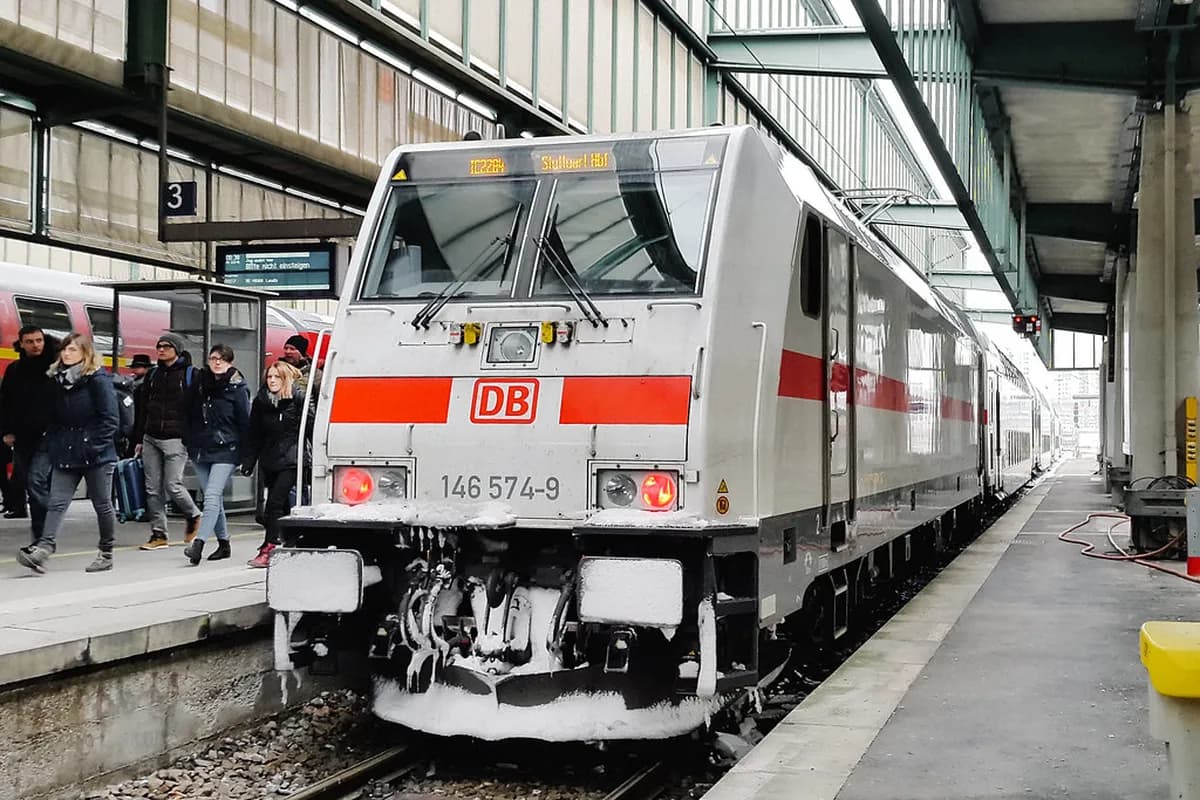
Alternatively, the Lübeck-Flughafen train station sits just a short walk from the terminal building. Regional trains (operated by Erixx) connect this stop to the Hauptbahnhof in about 12 minutes, roughly every 30 minutes. This is usually the fastest way to reach the city. Check the DB Navigator app for live train times before you leave the baggage claim.
| Option | Travel time | Frequency | Cost (2026) | Best for |
|---|---|---|---|---|
| Train (Lübeck-Flughafen → Hbf) | ~12 min | Every ~30 min | €3.60 single | Speed |
| Bus line 6 → Hbf/ZOB | ~31 min | Roughly hourly | €3.60 single | Direct, no transfer |
| Taxi → Old Town | ~15 min | On demand | €20–30 | Groups, heavy luggage |
If you are traveling with a large group, a taxi from the airport to the Old Town is a viable option. The fare typically ranges between 20 and 30 Euros depending on your exact destination. Taxis are usually waiting outside the arrivals area after every scheduled flight landing. This can be more convenient than Lubeck public transport if you have several large suitcases.
- Bus Line 6 Service
- Type: Local bus
- Best for: Budget travelers
- Where: Outside terminal
- Cost: €3.60 single
- Regional Train (RB82)
- Type: Regional rail
- Best for: Speed
- Where: Lübeck-Flughafen station
- Cost: Standard SH-Tarif
- Airport Shuttle Bus
- Type: Direct shuttle
- Best for: Flight sync
- Where: Main entrance
- Cost: Varies by flight
Traveling from Hamburg Airport (HAM) to Lübeck
Many international visitors arrive via Hamburg Airport (HAM), which is about 70 kilometers away. The most common route involves taking the S-Bahn S1 from the airport to Hamburg Hauptbahnhof. From there, you can catch a regional express (RE) train directly to Lübeck every 30 minutes. This entire journey typically takes around 90 minutes to complete.
There are also specialized shuttle services like the VHH bus that occasionally run between the two cities. These are often timed with specific flight schedules or seasonal demand. It is worth checking the Zaragoza public transport style of regional planning to see if a direct bus fits your timing. Most travelers find the train to be the most reliable and comfortable method.
When buying your ticket at Hamburg Airport, look for the "Schleswig-Holstein-Ticket" if you are traveling after 9:00 AM. This ticket offers incredible value for groups of up to five people traveling together. It covers all regional trains and Lubeck public transport for the entire day. This is often cheaper than buying individual tickets for each leg of the trip.
Facilities at Lübeck Central Station (Hauptbahnhof)
Lübeck Hauptbahnhof serves as the central node for all Lubeck public transport and regional rail. The station features several luggage locker banks located near the side entrance and main hall. These are perfect for travelers who want to explore the city for a few hours before a late departure. Prices for lockers vary based on size, typically starting around 3 to 5 Euros for 24 hours.
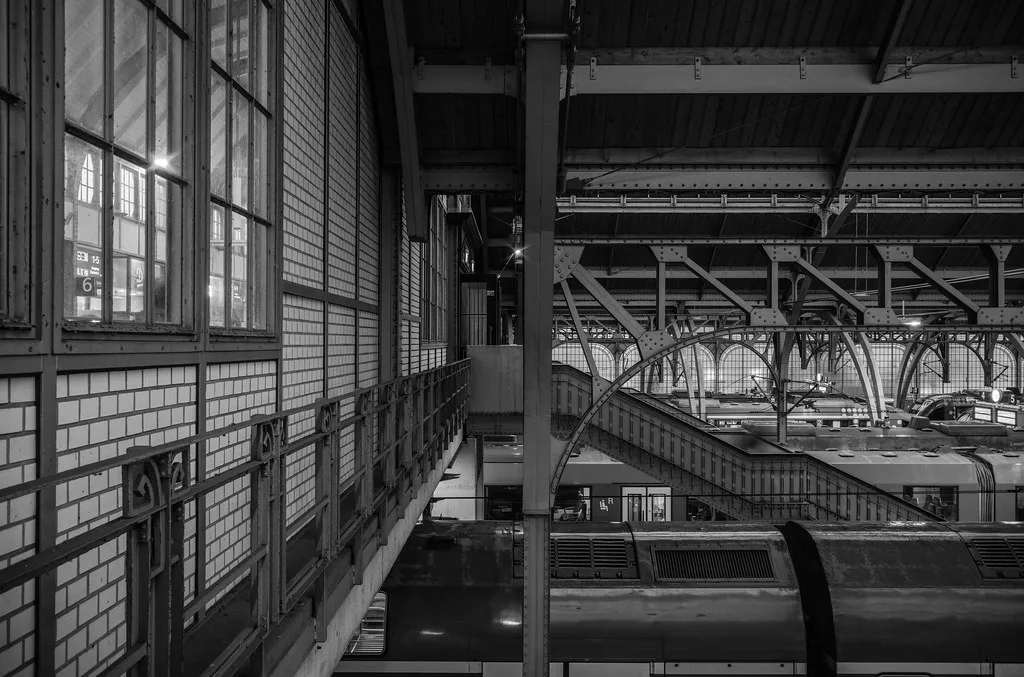
Inside the station, you will find a variety of bakeries, cafes, and small convenience stores. These are ideal for grabbing a quick snack or a coffee before boarding your next bus or train. There is also a DB Travel Center where you can get personalized help with complex itineraries. Staff here generally speak excellent English and can assist with international bookings.
The bus station (ZOB) is located immediately outside the main entrance of the train station. Clear signage directs you to the specific platforms for different city and regional bus lines. Real-time arrival boards keep you updated on any delays or platform changes. This layout makes transitioning from a long-distance train to local transit very efficient.
Practical Rules for Bicycles, Dogs, and Strollers
Taking a bicycle on Lubeck public transport is possible but requires an additional "Fahrradkarte" (bicycle ticket). During peak morning and afternoon commute hours, space for bikes may be limited or restricted on certain lines. Always use the middle doors and stay with your bike to ensure it doesn't block the aisle. If the bus is too crowded, the driver has the final say on whether you can board.
Dogs are generally allowed on buses and trains but must be kept on a short leash. Larger dogs that do not fit in a carrier may require a discounted child's ticket for travel. For more on traveling with pets in Europe, you might find our Trapani public transport guide helpful. Muzzles are often required for certain breeds, so check local regulations if you are unsure.
Strollers and wheelchairs always have priority in the designated multi-purpose areas of the bus. If you are traveling with a stroller, try to board through the middle doors for easier access. Other passengers are expected to make room, but a polite request always helps in a crowded bus. The city's commitment to accessibility ensures that most stops have raised curbs for level boarding.
Frequently Asked Questions
How do I pay for the bus in Lübeck?
You can pay using the Fairtiq app for a digital check-in experience. Alternatively, buy tickets from machines at major stops or use cash with the bus driver. For more tips on European transit apps, visit our blog for the latest updates.
Is there a direct train from Hamburg Airport to Lübeck?
No, there is no direct train from the airport. You must take the S1 S-Bahn to Hamburg Hauptbahnhof and then transfer to a regional express train. The total journey takes about 90 minutes including the transfer time.
How much is a day ticket for Lübeck public transport?
A standard day ticket (Tageskarte) for the Lübeck urban area starts at €6.40 as of 2026. This ticket is valid for unlimited travel until 6:00 AM the following morning. Since a single ride is €3.60, the day ticket pays for itself after about two trips.
Does Lübeck public transport run 24 hours?
The standard bus network stops around midnight on weekdays. On Friday and Saturday nights, the Nachtbus (Night Bus) lines N1-N3 provide service until the early morning hours. The Priwall car ferry is the only service that runs 24/7.
Can I use the 49-Euro Deutschlandticket in Lübeck?
Yes, the Deutschlandticket is fully valid on all Stadtverkehr Lübeck buses and regional trains. It also covers the pedestrian fare on the Priwall ferries. This makes it an excellent value for long-term travelers in the region.
Mastering Lubeck public transport is the best way to experience the city's rich history and coastal beauty. From the efficient bus network to the scenic Priwall ferries, the system is designed for ease of use. By choosing the right ticket and using modern apps, you can navigate like a local expert.
Whether you are arriving from the local airport or taking the train from Hamburg, the connections are reliable and frequent. Remember to check for weekend night buses if you plan to enjoy the city's evening atmosphere. Safe travels as you explore the winding streets and Baltic shores of this Hanseatic gem.
Always keep your validated ticket or digital app ready for inspection during your journey. For more detailed guides on other European cities, feel free to explore our regional transit articles. Lübeck's charm is best discovered when you leave the car behind and embrace the local transit culture.
Free: The European City Transport Cheat Sheet
Airport-to-centre, the best ticket to buy, and the one local gotcha — for 5 European cities, plus the universal rules for trams, ferries, and parking.
You might also like


Continue reading
More guides you'll find useful