Grenoble Public Transport: 10 Ways to Navigate the City
Master Grenoble public transport with our guide to M RÉSO trams, buses, and M vélo+. Includes G-PASS tips, ticket prices, and regional travel advice for a smooth trip.
 By Marco Bellini
On this page
Grenoble Public Transport: 10 Ways to Navigate the City
Short on time? Here is the decision in one paragraph. Grenoble's transport is run under the unified M RÉSO brand (formerly TAG): 5 tram lines (A–E) plus a dense bus network. A single 1-hour ticket costs €2.60; a 10-trip carnet is €16.70 (about €1.67 a ride). The smartest move for most visitors is to tap a contactless bank card straight on the validator — fares are auto-capped at the day-pass price, so you never overpay. Staying 2–3 days and sightseeing? The G-PASS bundles unlimited transport with attraction entry. Always validate before you board, and remember trams run roughly every 3–5 minutes until past midnight.
Navigating the 'Capital of the Alps' is otherwise remarkably simple thanks to a modern, integrated infrastructure. Whether you are here for the mountain views or heading to the Scientific Peninsula for business, the network offers efficiency and reliability, with almost every vehicle low-floor and wheelchair-accessible. The city has long been a pioneer in urban mobility, prioritizing pedestrians and cyclists alongside its iconic tram lines.
The network is unified under M RÉSO, making it easier than ever to switch between different modes of travel. You can seamlessly transition from a high-speed tram to a suburban bus or a rental bicycle using a single ticketing logic. This guide explores everything from the five main tramway lines to specialized on-demand services for the surrounding Isère region.
Travelers can also benefit from unique local initiatives, such as free weekend travel during the festive season or the comprehensive G-PASS for tourists. Understanding these nuances will help you save money while exploring the diverse neighborhoods of this vibrant French city. Let us dive into the specifics of how to master the local transit landscape during your stay.
Free: The European City Transport Cheat Sheet
Airport-to-centre, the best ticket to buy, and the one local gotcha — for 5 European cities, plus the universal rules for trams, ferries, and parking.
The M RÉSO Network: An Overview
The mobility landscape in Grenoble is managed by SMMAG, an organization dedicated to creating a cohesive transit experience across the metropolitan area. Recently rebranded as M RÉSO, the network combines trams, buses, and even local rail links into one user-friendly system. This unification ensures that visitors do not need separate apps or tickets for different parts of the city center.
Accessibility remains a core pillar of the network's design, with almost all vehicles featuring low-floor entries for wheelchairs and strollers. Clear signage and digital displays provide real-time updates at nearly every major stop. For those planning extensive travel, checking the M RÉSO (TAG) Official Site is the best way to find the latest route maps and service alerts.
Reliability is a hallmark of the local system, with trams running frequently from early morning until past midnight. You will find that the city center is mostly pedestrianized, which allows the transit lines to move without the interference of heavy car traffic. This layout makes the public transport network the fastest way to traverse the city during peak hours.
Navigating the Five Tramway Lines
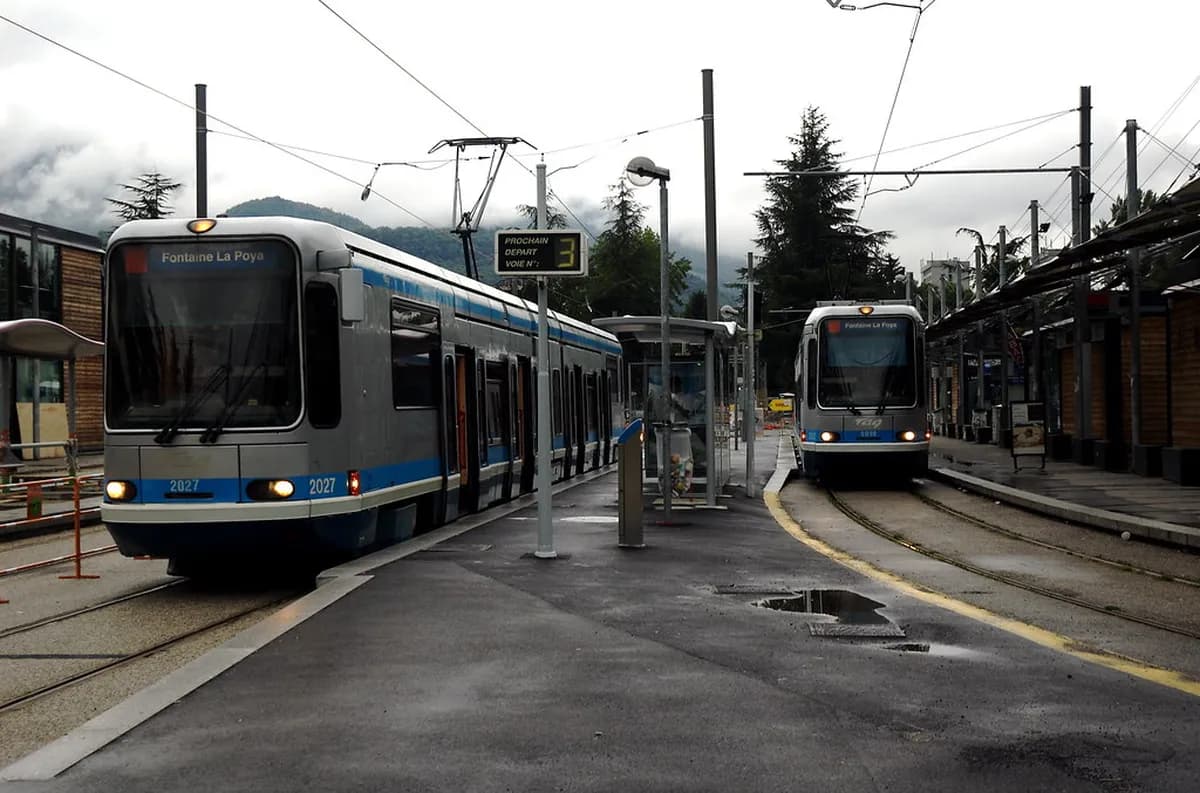
The backbone of the city is its five tramway lines, labeled A through E, which cover the most significant residential and commercial districts. Line A serves as a vital north-south link, connecting the suburban areas to the heart of the shopping district at Place Victor Hugo. If you are arriving by train, Line B is your primary connection from the main station to the university campus.
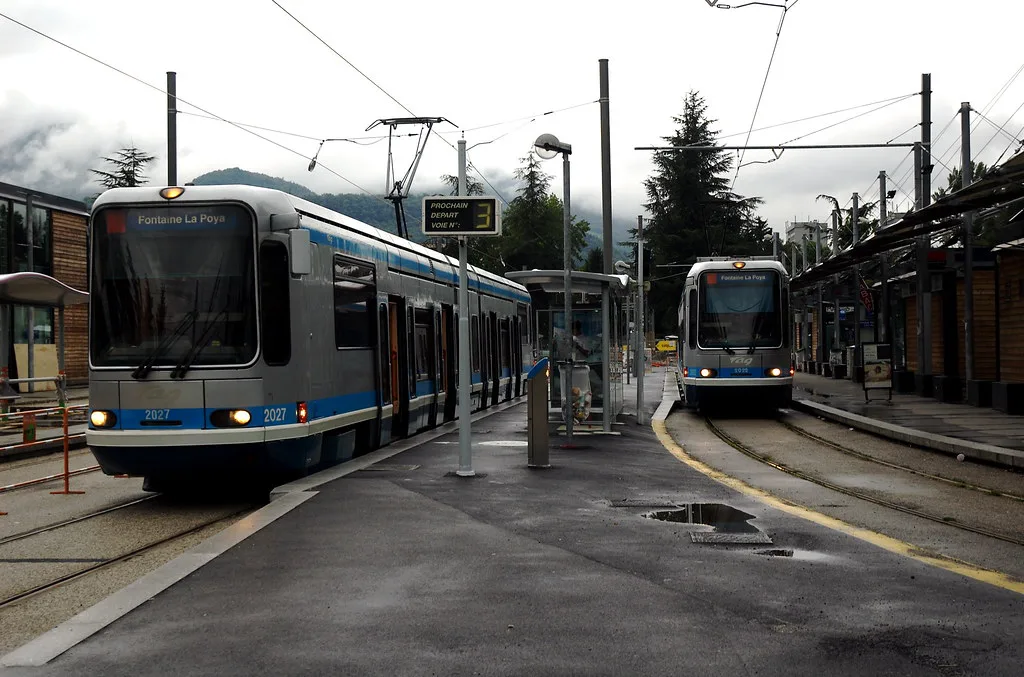
Line C cuts across the city from east to west, providing access to the Stade des Alpes and the beautiful Parc Paul Mistral. Meanwhile, Line D offers a shorter route that is particularly useful for those staying in the southern neighborhoods near Saint-Martin-d'Hères. Line E is the newest addition, extending the reach of the network toward the northwestern suburbs.
Trams typically arrive every 3 to 5 minutes during the day, ensuring you never have to wait long on the platform. During the evening and on Sundays, the frequency drops slightly but remains consistent enough for easy planning. You should always remember to validate your ticket on the platform before boarding any tram carriage.
The Bus Network and Flexo Services
While the trams handle the heavy lifting, an extensive bus network reaches the corners of the city where rails do not go. The 'Chrono' lines function like a bus-rapid-transit system, offering high frequency and dedicated lanes for faster travel. These are complemented by 'Proximo' and 'Flexo' lines, which serve quieter residential zones and suburban hillsides.
Flexo services are particularly innovative, as they often operate on an on-demand basis during off-peak hours or in less populated areas. You can book these trips in advance to ensure a pickup that connects you back to the main tram arteries. For students and researchers, the UGA Campus App provides specific insights into bus routes serving the university grounds.
Late-night travelers can rely on the 'Luciole' bus service, which operates when the standard lines have finished their runs for the day. This service is a safe and affordable way to return to your accommodation after enjoying the city's nightlife. Most bus stops feature QR codes that you can scan to see exactly when the next vehicle will arrive.
Free Transport on Christmas Saturdays
A unique feature of the Grenoble public transport strategy is the provision of free travel on the Saturdays leading up to Christmas. This initiative aims to reduce carbon emissions and traffic congestion while encouraging locals to shop at city center boutiques. During these days, you do not need to validate a ticket or carry a pass to use the trams and buses.
Visitors can take advantage of this policy to visit the various Christmas markets scattered across the historic squares. It is a festive time when the city feels particularly alive, though vehicles can become quite crowded during the afternoon. Planning your trips for the morning hours can help you avoid the largest groups of holiday shoppers.
Even though travel is free, the standard schedules remain in place to ensure a high level of service. This is an excellent opportunity to explore further afield, perhaps taking a bus to the base of the mountains without worrying about ticket costs. Always check the local news or the official transit website to confirm the specific dates for this annual offer.
Regional Travel: Coaches and Train Stations
The Gare de Grenoble serves as the central hub for regional travel, connecting the city to Lyon, Paris, and the wider Auvergne-Rhône-Alpes region. For those looking to explore the nearby mountains, the La Région Vous Transporte (Isère Coaches) network offers reliable bus links. These coaches depart from the bus station located immediately adjacent to the train tracks.
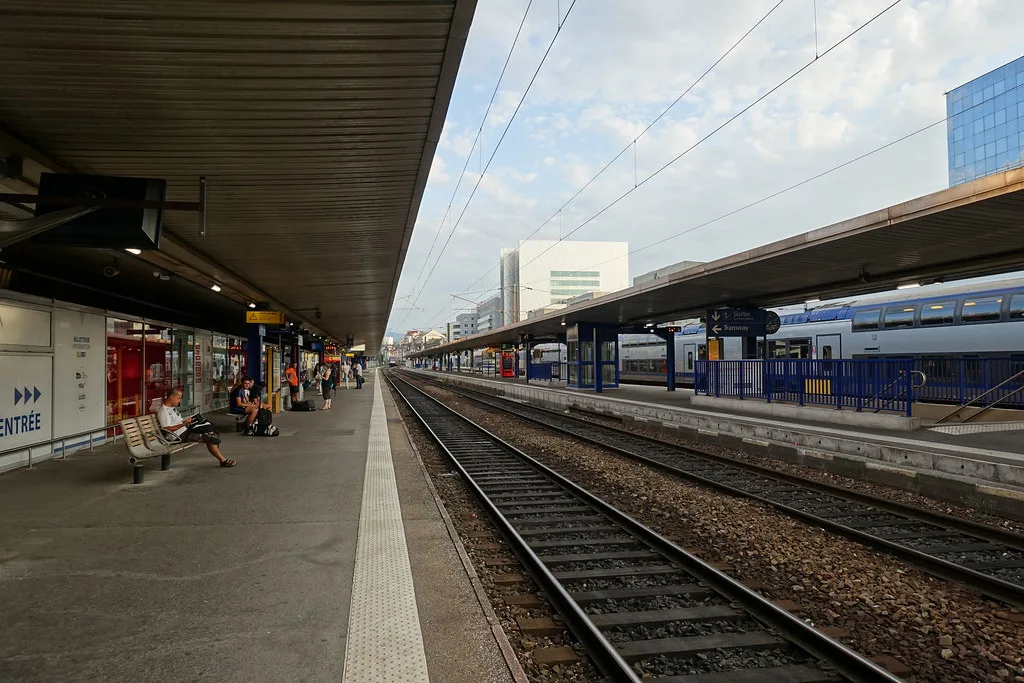
Regional trains are ideal for day trips to charming towns like Chambéry or the lakeside beauty of Annecy. You can find detailed schedules and purchase tickets through the SNCF TER Auvergne-Rhône-Alpes portal. Frequent departures make it possible to enjoy a full day of alpine hiking and return to the city by dinner time.
If you are planning to visit other French cities, similar guides like our look at Dijon public transport can help you prepare for your next stop. Many regional coaches also offer space for bicycles, allowing you to combine bus travel with mountain biking adventures. Be sure to book your coach seats in advance during the ski season, as these routes fill up quickly.
Park-and-Ride (P+R) Facilities
Travelers arriving by car should consider using the Park-and-Ride (P+R) facilities located on the outskirts of the city. These parking lots are strategically placed near tram terminals to discourage driving into the congested and narrow streets of the old town. A single P+R ticket usually covers the cost of parking and provides a round-trip tram journey for all passengers in the vehicle.
This strategy is not only environmentally friendly but also significantly cheaper than paying for hourly parking in the city center. The lots are monitored and offer a secure place to leave your car while you spend the day exploring. Most P+R locations are open from early morning until late at night, accommodating both day-trippers and business commuters.
Using these facilities helps maintain the air quality in the valley, which is a major priority for the local government. You will find clear signage on the major highways leading into the city pointing toward the nearest available lot. It is a stress-free way to transition from a long drive to the smooth, quiet ride of a modern tram.
Tickets, Travel Passes, and the G-PASS
Choosing the right ticket can save you a significant amount of money depending on the length of your stay. A single ticket costs €2.60 (as of the September 2025 fare update) and is valid for one hour of travel across the entire M RÉSO network — Métropole Grenobloise, Grésivaudan, and Voironnais — including transfers between any lines. For those staying a few days, a 10-trip carnet at €16.70 drops the cost to roughly €1.67 per ride, far cheaper than buying singles each time.
The G-PASS is a specialized option designed for tourists that includes unlimited transport and access to various cultural attractions. You can choose between different durations, such as 24, 48, or 72 hours, to suit your specific itinerary. This pass is particularly valuable if you plan to visit the Bastille cable car or the city's numerous museums.
Students under the age of 26 can access heavily discounted monthly or annual passes by providing proof of enrollment. For more general advice on navigating European cities, you might find our guide to Reims public transport useful for comparison. Always ensure your ticket is validated at the yellow machines before you step onto the tram or bus.
- Single 1-Hour Ticket
- Type: Standard fare
- Best for: Occasional trips (1–3 rides)
- Where: Stop machines, M RÉSO app, bus driver
- Cost: €2.60
- 10-Trip Carnet
- Type: Discounted bundle (each trip valid 1 hour)
- Best for: Multi-day visitors or small groups sharing
- Where: Stations, Relais M kiosks, app
- Cost: €16.70 (~€1.67/ride)
- Contactless Bank Card (tap-and-cap)
- Type: Open-loop, no ticket needed
- Best for: Spontaneous trips — no math required
- Where: Tap your card on any tram/bus validator
- Cost: €2.60/hour, auto-capped at the 1-day price
- G-PASS Grenoble
- Type: All-inclusive tourist pass
- Best for: Sightseeing tourists (Bastille, museums)
- Where: Online or Tourism Office
- Cost: 24h / 48h / 72h durations
| Ticket option | Price (2026) | Per-ride cost | Best for |
|---|---|---|---|
| Single 1-hour ticket | €2.60 | €2.60 | 1–3 occasional rides |
| 10-trip carnet | €16.70 | ~€1.67 | Multi-day visitors or sharing |
| Contactless tap-and-cap | €2.60/hour | Auto-capped at 1-day price | Spontaneous, no-math trips |
| G-PASS (24/48/72h) | Bundled with attractions | Unlimited | Sightseeing tourists |
Paying and Validating: Contactless, the App, and Fines
The single biggest update for 2026 visitors is open-loop contactless payment. You no longer need a paper ticket at all: simply tap a contactless bank card (or phone wallet) on the validator each time you board, and M RÉSO charges €2.60 per hour. The clever part is the daily cap — once you make four or more separate journeys in a day, the system stops charging and your fares are automatically capped at the 1-day ticket price. Use the same card for every tap so the cap registers correctly.
If you prefer ticketing, the M RÉSO app lets you buy and validate a 1-hour ticket or carnet straight from your phone, so you can skip the machines entirely. Paper and reloadable OùRA cards remain available at stop machines, Relais M kiosks (tobacconists and newsagents), and the M RÉSO agencies; bus drivers sell single tickets only.
Whatever you carry, validation is mandatory. Tap your card, scan your phone ticket, or stamp a paper ticket at the yellow validators on the tram platform or just inside the bus doors — every single time, even when transferring. Trams use a barrier-free, proof-of-payment system: inspectors board at random, and an unvalidated ride is treated as fare evasion with on-the-spot fines that dwarf the €2.60 fare. The one exception is the free-travel Saturdays before Christmas, when no validation is required.
Cycling with M vélo+ and Local Paths
Grenoble is frequently ranked as one of the most bike-friendly cities in France due to its exceptionally flat terrain. The M vélo+ service provides those iconic yellow bicycles that you will see parked throughout the metropolitan area. You can rent these bikes for a day, a month, or even a full year at very reasonable rates.
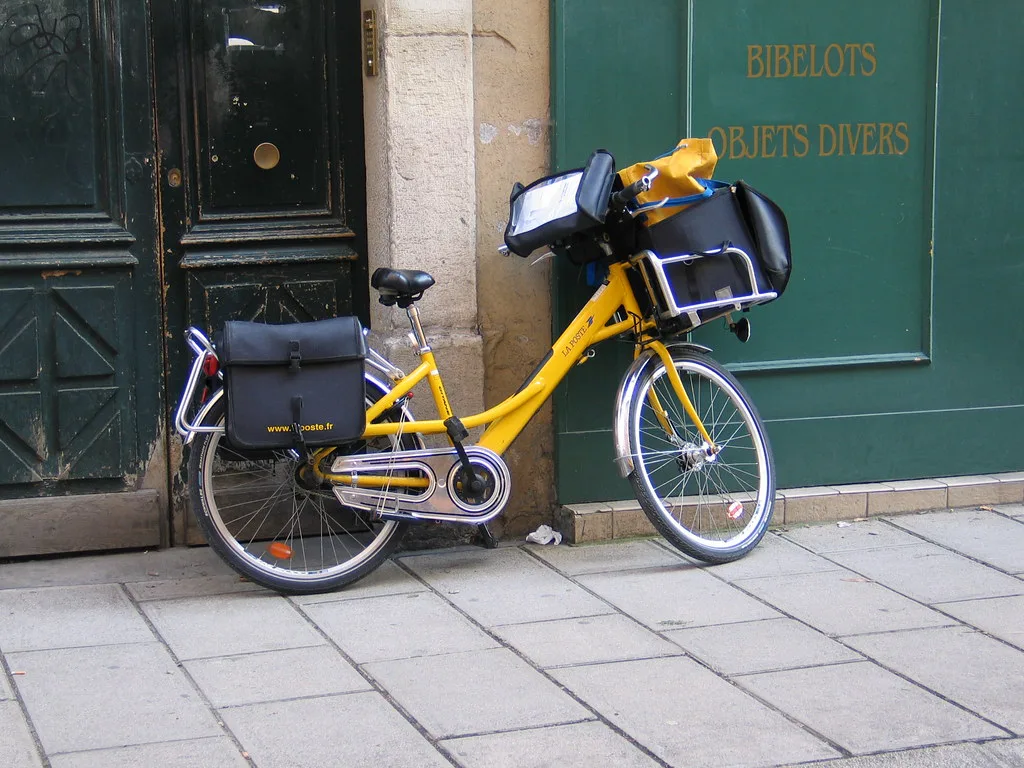
The city boasts over 450 kilometers of dedicated cycle paths, including the high-speed 'Chronovélo' routes that facilitate fast commuting. These paths are separated from car traffic, making cycling a safe and pleasant option for families and solo travelers alike. For more details on routes, consult the Grenoble Alpes Métropole Cycling Info page.
Bicycles are a great way to reach the 'Presqu'île' scientific district or to enjoy a leisurely ride along the Isère river. Many hotels in the area offer secure bike storage, reflecting the local culture of two-wheeled transport. If you prefer cycling over buses, you might enjoy similar setups found in our guide to Colmar public transport.
A Brief History of Grenoble’s Tramway
The history of the tram in this city is a fascinating tale of urban renewal and technological innovation. While the original tram network was dismantled in the mid-20th century, it was triumphantly reintroduced in 1987. This move made Grenoble the second French city to bring back trams, following in the footsteps of Nantes.
The reintroduction was groundbreaking because it featured the world's first low-floor tramcars, designed to be accessible to everyone. This commitment to inclusivity set a new global standard for public transport design that many other cities have since followed. The tram system is now a symbol of the city's transition toward a more sustainable and human-centric urban environment.
Over the decades, the network has expanded from a single line to the comprehensive five-line system seen today. Each expansion has been paired with urban beautification projects, turning transit corridors into green spaces and pedestrian zones. Understanding this history helps visitors appreciate the thoughtful layout of the modern city they see today.
Frequently Asked Questions
How do I buy a tram ticket in Grenoble?
You can purchase tickets at automated machines located at every tram stop using cash or a credit card. Additionally, many local newsstands and the M RÉSO agencies sell 10-trip packs and longer-term passes. For a digital option, use the official mobile app to buy and validate tickets directly on your smartphone.
Is public transport free in Grenoble?
Standard travel requires a paid ticket, but the network is free on the four Saturdays preceding Christmas each year. This initiative encourages sustainable shopping and reduces holiday traffic in the city center. Outside of these specific dates, you must always have a validated ticket to avoid heavy fines from inspectors.
What is the G-PASS and is it worth it?
The G-PASS is an all-in-one tourist card that offers unlimited access to Grenoble public transport and entry to major attractions. It is highly worth it for visitors planning to use the Bastille cable car and visit multiple museums within a short period. You can find more details on our travel blog about maximizing city passes.
Are Grenoble trams accessible for wheelchairs?
Yes, the entire tram network was designed with accessibility as a top priority, featuring low-floor entries and level boarding at all stations. Buses are also equipped with ramps and dedicated spaces for passengers with reduced mobility. Visual and audio announcements help all passengers navigate the system with confidence and ease.
Mastering the Grenoble public transport system is the key to a successful and stress-free visit to this alpine gem. From the efficient tram lines to the extensive network of cycle paths, the city offers a mode of travel for every preference. By choosing the right tickets and utilizing the Park-and-Ride facilities, you can explore both the historic center and the surrounding mountains with ease.
The commitment to sustainability and accessibility makes this network a model for cities around the world. Whether you are here for a quick business trip or a long mountain holiday, the M RÉSO system will reliably get you where you need to go. We hope this guide helps you navigate the streets of Grenoble like a local during your next adventure.
For more information on navigating other French destinations, feel free to explore our comprehensive public transport guides. Safe travels as you discover the unique blend of urban innovation and natural beauty that defines this remarkable city. Enjoy your time in the heart of the French Alps!
Free: The European City Transport Cheat Sheet
Airport-to-centre, the best ticket to buy, and the one local gotcha — for 5 European cities, plus the universal rules for trams, ferries, and parking.
You might also like


Continue reading
More guides you'll find useful