10 Ways to Master Murcia Public Transport: A Complete Guide
Master Murcia's public transport with our guide to trams, buses, and regional trains. Learn about tickets, the Tranvía app, and local tips for a smooth journey.
 By Marco Bellini
On this page
10 Ways to Master Murcia Public Transport
Quick answer: Murcia's centre is walkable, so most visitors only need the tram and an occasional bus. A single tram or urban-bus trip is a flat €0.50 (rural buses €0.85), paid contactless onboard or with a rechargeable card. Take the tram line L1 for the university and northern malls, the red "Coloraos" city buses for everything inside the ring, and the Renfe Cercanías C-2 for day trips to Lorca, Águilas or Alicante. From Corvera Airport, the public bus to the centre costs about €1.85 and takes ~30 minutes. Skip a rental car unless you are heading to Sierra Espuña or remote Mar Menor beaches.
Below we break down each mode — fares, line numbers, frequencies and the August schedule quirk — plus payment tech, accessibility and airport transfers, so you can plan a no-stress trip whether you are here for a weekend or a full Erasmus semester.
Free: The European City Transport Cheat Sheet
Airport-to-centre, the best ticket to buy, and the one local gotcha — for 5 European cities, plus the universal rules for trams, ferries, and parking.
Overview of Murcia's Public Transport System
Murcia's transit network is designed to cater to a diverse population of locals, students, and international visitors. The system is primarily divided into the urban bus fleet, a single efficient tram line, and the Renfe Cercanías train network. Most travelers find that the city center is highly walkable, but public transit becomes essential for reaching the outskirts.
Strategic planning often starts at the Murcia del Carmen station, which acts as the main gateway for those arriving from other Spanish cities. Living or staying near this hub provides immediate access to regional trains and several major bus lines. Many residents prefer this area because it simplifies the daily commute to nearby destinations like Cartagena or Alicante, and it is a handy base if you plan to continue south and rely on Almería's public transport on a wider Andalusian coastal trip.
The integration between different modes of transport is steadily improving, though separate tickets are still common for different operators. You should expect high punctuality from the tram, while bus timings can vary based on the narrow streets of the old town. Understanding these nuances helps you plan a more reliable itinerary during your stay in the region.
| Mode | Single fare | Peak frequency | Best for |
|---|---|---|---|
| Tram (L1) | €0.50 | Every 8–10 min | University, northern malls, stadium |
| City bus ("Coloraos") | €0.50 | Every 10–20 min | Old town, interior neighbourhoods |
| Rural / intercity bus | €0.85 | Hourly+ (varies) | Pedanías, Mar Menor, suburbs |
| Cercanías C-2 train | From ~€2 | Several daily | Lorca, Águilas, day trips |
Navigating the Murcia Tram (Tranvía de Murcia)
The Tranvía de Murcia (Official Tram) is arguably the most modern and reliable way to move through the northern part of the city. There is a single line, L1, running roughly 24 km across 43 stops — it connects the central Plaza Circular interchange with the University of Murcia (Campus de Espinardo), the UCAM campus and the Estadio Nueva Condomina / Thader shopping area. Trams run from about 6:30 AM until just after midnight (last departures near 12:03 AM at Plaza Circular), every 8 to 10 minutes during peak hours.

Digital tools make using the tram incredibly straightforward for tech-savvy travelers. You should download the Tranvía de Murcia app to track live arrivals and check for any service disruptions. The app provides a clear map of all stops, which is vital for finding the closest station in unfamiliar neighborhoods like Juan Carlos I.
Summer travelers must be aware of the specific schedule changes that occur during the hottest month of the year. In August, the tram frequency often drops to 15-minute intervals as the city slows down for the holidays. Planning for these longer gaps prevents frustration when trying to reach the northern shopping malls or university grounds.
Tickets must be purchased and validated at the machines located on the platforms before you board the vehicle. Inspectors frequently patrol the lines, and fines for traveling without a validated ticket are strictly enforced. Keep your paper ticket or rechargeable card handy until you have fully exited the tram station area.
City and Intercity Bus Networks
The urban bus system in Murcia is easily recognizable by the bright red color of the vehicles, often called 'Rayos' or 'Coloraos'. These buses cover the interior of the city and provide access to spots the tram cannot reach. You can check the latest routes and times on the Transportes de Murcia (Official Bus) website to ensure your stop is active.

Intercity travel is handled by a different set of buses, often operated by companies like LatBus or Interbus. These lines connect the city center to the surrounding 'pedanías' or suburban villages and the coastal areas. If you are planning a trip to the nearby mountains or the Mar Menor, these regional coaches are your primary option.
Bus stops are well-marked throughout the city, but real-time digital displays are mostly found at the larger interchanges. It is helpful to have small change or a contactless card ready, as drivers may not always be able to break large bills. During peak commute times, the buses can become crowded, so allowing extra time for your journey is a wise move.
Regional Train Services (Cercanías)
For those looking to explore beyond the city limits, the Renfe Cercanías network offers a reliable and affordable solution. The C-2 line is the longest in the núcleo — running from Murcia del Carmen south through Lorca to Águilas (over 100 km, ~77 minutes end to end), while the C-1 / Murcia–Alicante corridor links you north toward Alicante. Many 'Auxiliares' or language assistants rely on these lines for consistent timing and comfortable seating during their daily commute.

Important for 2026: parts of the Murcia–Águilas stretch are currently served by a Renfe bus-replacement service while track-modernisation works continue, so always check renfe.com before you travel. These coaches wait right outside the station, follow the train's scheduled stops and keep the same ticket — a smooth fallback that minimises delays during the upgrade.
The journey to Alicante is another common route for travelers using public transport guides to navigate the Spanish coast, and once you arrive it is worth knowing how the Alicante tram network works to reach the beaches and old town. Trains run frequently throughout the day, offering scenic views of the lemon groves and rugged landscapes of southeastern Spain. Booking your tickets via the Renfe app can save you time at the station kiosks during busy weekend periods.
Taxis and Ride-Sharing in Murcia
Taxis remain a vital part of Murcia public transport, especially for late-night trips after the tram and buses stop running. You can easily find official taxi ranks at major points like Plaza Circular, the bus station, and the main train station. These vehicles are metered, and drivers are generally professional, though few may speak fluent English.
Ride-sharing apps have a presence in the city, providing a convenient alternative for those who prefer digital booking. Prices are often competitive with traditional taxis, especially for longer trips to the outskirts or the airport. Using an app allows you to see the fare upfront, which helps with budgeting for your daily travel expenses.
If you need a taxi during a busy festival like the Bando de la Huerta, it is best to book in advance by phone. Demand spikes significantly during local holidays, and waiting at a rank can take much longer than usual. Always ensure the meter is started at the beginning of your journey to ensure you are charged the correct local rate.
Renting a Car vs. Public Transport
Choosing between a rental car and public transit depends heavily on your specific travel goals within the Murcia region. If you plan to stay mostly within the city center, a car is often more of a burden than a benefit. The historic streets are narrow, and finding affordable parking near the cathedral can be a difficult and expensive task.
Public transport is the superior choice for students and solo travelers who want to avoid the high costs of fuel and insurance. The tram and bus networks provide comprehensive coverage for a fraction of the price of a daily car rental. You can also look at other cities like Zaragoza public transport to see how Spanish cities prioritize pedestrian-friendly transit over cars.
However, a car becomes useful if you intend to visit remote beaches or hidden hiking trails in the Sierra Espuña. Public buses to these rural areas can be infrequent, sometimes running only once or twice a day. For most urban explorers, the combination of the tram and the occasional taxi provides the best balance of convenience and cost.
Tickets, Vouchers, and Payment Methods
Modern payment methods have made it much easier for international travelers to use the local transit system. You can use a Wise card or other contactless travel cards to pay for fares without worrying about high currency exchange fees. This is particularly useful for the tram, where machines accept most major international debit and credit cards.
Discounts are widely available for specific groups, including students, large families, and senior citizens. If you are an Erasmus student, you should visit the tram office at Plaza Circular to apply for a personalized monthly pass. These vouchers offer significant savings for those who use the system multiple times every day for their classes.
Always remember to validate your card every time you enter a bus or a tram station. Failure to tap your card can result in a fine, even if you have a valid balance or a monthly pass. The validation machines are usually located near the doors of the bus or at the entrance to the tram platforms. One handy local rule: transfers between Transportes de Murcia bus lines are free within 60 minutes of your first validation, so a single fare often covers a connecting hop.
- Standard Single Ticket
- Type: One-way fare (tram or urban bus)
- Best for: Occasional riders
- Where: Contactless onboard / platform machines
- Cost: €0.50 (rural buses €0.85)
- Bono Campus (student tram pass)
- Type: 32-trip rechargeable card
- Best for: Students using the tram
- Where: Tram office, Plaza Circular
- Cost: €15 (≈€0.47/trip)
- Bono Murcia (Intermodal)
- Type: Combined tram + bus pass
- Best for: Mixed daily commuting
- Where: Official offices / app
- Cost: €0.50/trip with free 60-min transfers
Accessibility and Disability Support
Murcia has made significant strides in ensuring its public transport is accessible to everyone, regardless of mobility levels. All trams are designed with low floors, allowing wheelchair users and parents with strollers to board easily without assistance. The stations are also equipped with tactile paving and ramps to assist those with visual or physical impairments.
The city's bus fleet is also modernizing, with most vehicles featuring hydraulic ramps at the middle doors. Drivers are trained to assist passengers who need extra time or help getting onto the vehicle. You can find more details on legal standards through the Spanish Disability Access Legislation resources.
At the Murcia del Carmen train station, Renfe provides a specialized service called 'Atendo' for passengers with reduced mobility. You should request this assistance at least 30 minutes before your train's departure to ensure staff are ready to help. This service includes help with boarding the train and navigating the station platforms safely.
Practical Tips for International Travelers
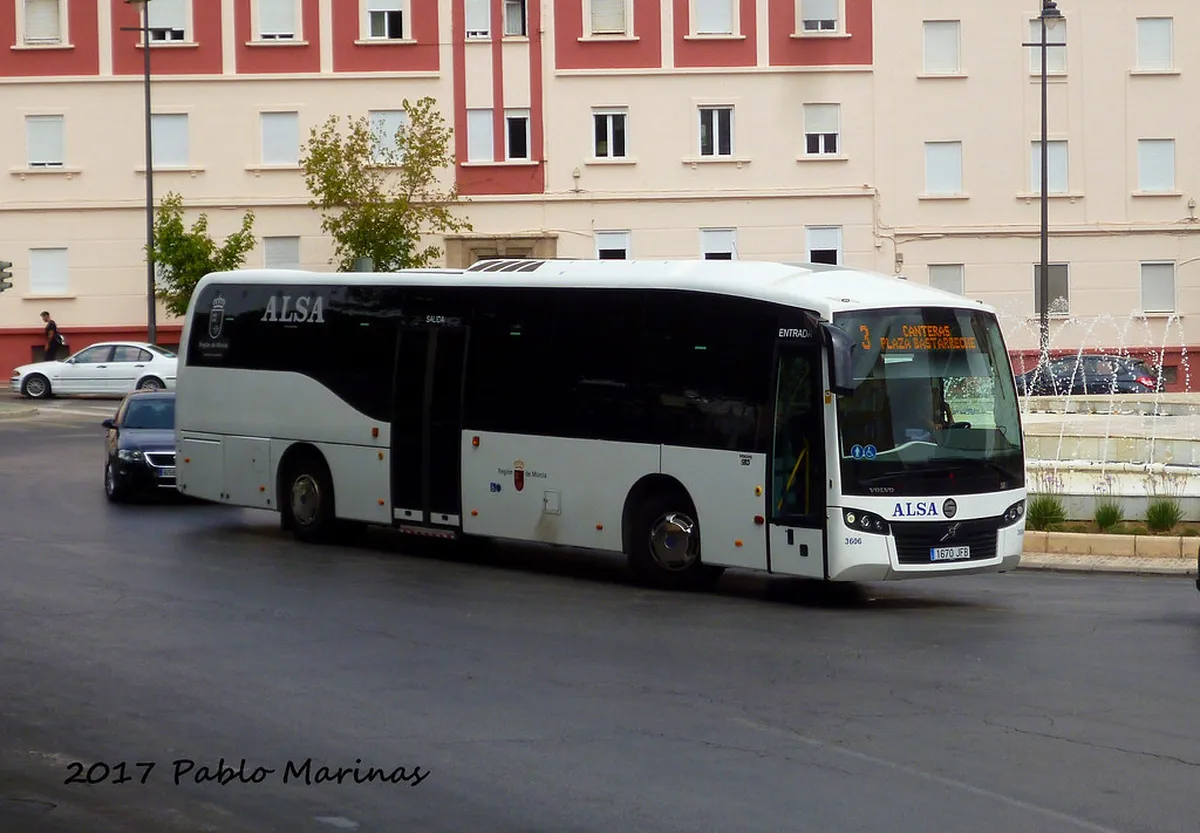
Arriving at the airport requires some forward planning to reach the city center efficiently. The public bus from Región de Murcia International Airport (Corvera, RMU) to the San Andrés bus station in central Murcia costs roughly €1.85 and takes about 30 minutes; you board on the Arrivals sidewalk at terminal level 0. Check the Aena Murcia-Corvera Airport Transport page or airportbus.es for departure times, as services are timed to major flight arrivals. Taxis are always available outside the terminal for a flat fare if your flight lands outside bus hours.
For short hops within the city center, consider using the 'MuyBici' public bike-sharing system. It serves as an excellent supplement to the tram, allowing you to reach narrow alleys in the old town quickly. You can sign up for a short-term subscription using the terminals located at major bike stations throughout the city.
Navigating the Barrio del Carmen hub is essential for anyone planning day trips to nearby regions. This neighborhood is home to the main train station and is well-connected to the rest of the city by several bus lines. Staying in this area can save you a lot of transit time if you plan to visit Bari public transport or other Mediterranean hubs later in your trip.
Making Complaints and Useful Resources
If you encounter issues like a lost item or a service delay, knowing where to turn is important. Each transport operator has its own customer service office, with the main tram office located conveniently at Plaza Circular. You can file a formal complaint or 'hoja de reclamaciones' if you feel a service did not meet the advertised standards.
Official websites remain the best source for the most current timetables and fare updates. Prices for transit can change annually, so checking the official portals before a long trip is always a smart move. Most operators also maintain active social media accounts where they post real-time updates about strikes or weather-related delays.
Keep a digital copy of your transport maps on your phone to avoid getting lost when data signals are weak. While the city center has good coverage, some regional train routes pass through tunnels or rural areas where GPS might flicker. Having a downloaded map ensures you always know which stop is coming up next on your journey.
Frequently Asked Questions
What is the best app for Murcia public transport?
The Tranvía de Murcia app is the best tool for tram users, offering real-time tracking and maps. For buses, Google Maps is generally reliable, but checking the official Transportes de Murcia website provides the most accurate local updates for city routes.
Can I use contactless payment on Murcia buses?
Yes, most urban buses in Murcia now accept contactless payments via credit cards or mobile wallets. This is a convenient option for tourists who do not want to purchase a multi-trip Bonobús card for a short stay in the city.
How do I get from Murcia to the Corvera Airport?
The most common way is the Interbus airport shuttle, which connects the city center directly to the terminal. Taxis are also available for a fixed fare, providing a faster but more expensive alternative for early morning or late-night flights.
Is the Murcia tram student-friendly?
Absolutely, the tram was designed specifically to connect the city center with the major university campuses. Students can apply for a 'Bono Campus' or other discounted vouchers at the main office to significantly reduce their monthly travel costs. Explore travel tips for more student advice.
Mastering the Murcia public transport system is a straightforward process once you understand the different operators and payment methods. From the efficient tram lines to the regional Cercanías trains, the city offers plenty of ways to explore without a car. By using digital tools and local vouchers, you can navigate the region like a local professional.
Whether you are heading to a lecture at the university or catching a flight at Corvera, these transit options provide a reliable backbone for your travels. Remember to check for seasonal schedule changes and keep your tickets validated at all times. Enjoy your time exploring the beautiful streets and vibrant culture of this unique Spanish city.
Free: The European City Transport Cheat Sheet
Airport-to-centre, the best ticket to buy, and the one local gotcha — for 5 European cities, plus the universal rules for trams, ferries, and parking.
You might also like


Continue reading
More guides you'll find useful