European Ferry Port And Schedule Guides Travel Guide
Plan european ferry port and schedule guides with top picks, neighborhood context, timing tips, and practical booking advice for a smoother trip.
 By Marco Bellini
On this page
European Ferry Port And Schedule Guides
Quick answer: For the fastest, cheapest European ferry, compare every operator on one route through an aggregator (Direct Ferries, Ferryhopper, or Omio) rather than booking on a single carrier's site. The three decisions that matter: (1) which route — Dover–Calais (1h 30m, ~24 sailings/day) for the UK–France channel, or Piraeus/Rafina for the Greek islands; (2) foot passenger vs. car — going on foot is roughly half the price and skips most check-in queues; and (3) when to arrive — 60 minutes early with a car, 90 minutes on foot, longer for the overnight Bay of Biscay and Baltic crossings.
This guide gives the real 2026 fares, sailing frequencies, operators, and terminal/gate rules for the routes searchers actually book, then covers the regional networks — the English Channel, the Greek Cyclades, the Baltic and North Sea, and the freshwater lake crossings.
Free: The European City Transport Cheat Sheet
Airport-to-centre, the best ticket to buy, and the one local gotcha — for 5 European cities, plus the universal rules for trams, ferries, and parking.
Key Takeaways
- Book overnight ferries to save on accommodation costs and maximize sightseeing time.
- Arrive at the terminal 90 minutes early to ensure a smooth check-in process.
- Use foot passenger options to significantly reduce travel expenses in expensive regions.
Must-See European Attractions
Many iconic landmarks sit just a short distance from major maritime terminals across the continent. In the south, the historic port of Cadiz offers immediate access to ancient watchtowers and sun-drenched plazas. Travelers often use these hubs as gateways to deeper cultural exploration within the Andalusian region.
Northern ports like Amsterdam provide a different atmosphere with easy links to historic canal districts. If you are getting around Europe, starting your journey at a major ferry terminal can save significant transit time. These locations often serve as the primary pulse of coastal city life.
Island destinations like the Azores or the Greek Isles rely heavily on these scheduled services for tourism and trade. Planning your arrival around peak ferry times ensures you have access to local transport upon docking. Always check the seasonal frequency of these routes as they can change significantly in winter.
Museums, Art, and Culture in European
Coastal cities frequently house impressive maritime museums that chronicle centuries of seafaring history. These institutions often sit within walking distance of the modern ferry terminals, making them perfect for layovers. You can explore restored vessels and interactive exhibits that detail the evolution of European trade.
Art lovers will find that many port districts have undergone significant urban renewal in recent years. In places like Marseille or Genoa, former warehouses now host contemporary galleries and creative workshops. These spaces provide a gritty yet vibrant look at the intersection of industry and art.
Local festivals often take place near the water, celebrating the deep connection between the people and the sea. If your schedule allows, look for events that coincide with your arrival to experience authentic local traditions. Many of these cultural hubs offer discounted entry for travelers holding valid ferry tickets.
Parks, Gardens, and Outdoor Spots in European
Ferry travel frequently places you near some of the most beautiful natural landscapes in the world. Lake destinations offer unique ferry experiences, such as the Lake Como ferry which connects picturesque villas and botanical gardens. These routes provide a tranquil alternative to the bustling ocean crossings found elsewhere.
Inland waterways also offer spectacular views, particularly on the Konstanz ferry across Lake Constance. These freshwater routes are ideal for cyclists and hikers looking to reach trailhead locations quickly. The surrounding parks often feature well-maintained paths that follow the shoreline for miles.
Coastal nature reserves are often accessible only by boat, preserving their pristine environment from heavy vehicle traffic. Many islands, like those served by the Berlenga ferry, limit the number of daily visitors to protect local wildlife. Booking these specific outdoor excursions in advance is highly recommended during the summer months.
Family-Friendly and Budget-Friendly Options in European
Traveling with a family on a ferry can be far more relaxing than navigating a crowded airport terminal. Most large vessels include dedicated play areas, cinemas, and family-friendly dining halls to keep children entertained. Choosing an overnight crossing can also save you the cost of a hotel room for one night.
Budget-conscious travelers should look for 'foot passenger' fares, which are significantly cheaper than bringing a vehicle onboard. Many ports offer excellent public transport links, so a car is often unnecessary for city-to-city travel. Look for regional passes that combine ferry and train travel for maximum savings.
Short-distance routes often provide the best value for those looking to experience the water without a large investment. The Troia ferry in Portugal, for instance, offers a quick and affordable way to reach stunning beaches. Always check for mid-week discounts which are common across many European ferry port and schedule guides.
- Top Budget Ferry Tips
- Booking: 3-6 months early
- Best Days: Tuesday or Wednesday
- Passenger Type: Foot passenger only
- Savings: Up to 40% off
How to Plan a Smooth European Attractions Day
Timing is everything when coordinating a day of sightseeing with a strict ferry schedule. Arrive at the terminal at least 60 to 90 minutes before departure to handle check-in and security. Missing a boat can be a costly mistake, as some routes only operate once or twice daily.
Luggage storage is a common pain point for travelers who want to explore a port city before their departure. Most major terminals offer lockers or staffed left-luggage offices for a small fee. This allows you to walk freely through the city without the burden of heavy bags.
Research the distance between the ferry pier and the city center before you arrive. While some ports are centrally located, others require a shuttle bus or taxi ride to reach the main attractions. Having a local map downloaded on your phone can prevent confusion during these short transitions.
Brittany Ferries Routes
Brittany Ferries remains a primary choice for travelers moving between the UK, France, and Spain. Their fleet includes high-speed craft and luxury cruise ferries equipped with comfortable sleeping quarters. Popular departure points include Portsmouth, Plymouth, and Poole, offering direct links to the heart of Normandy and Brittany.
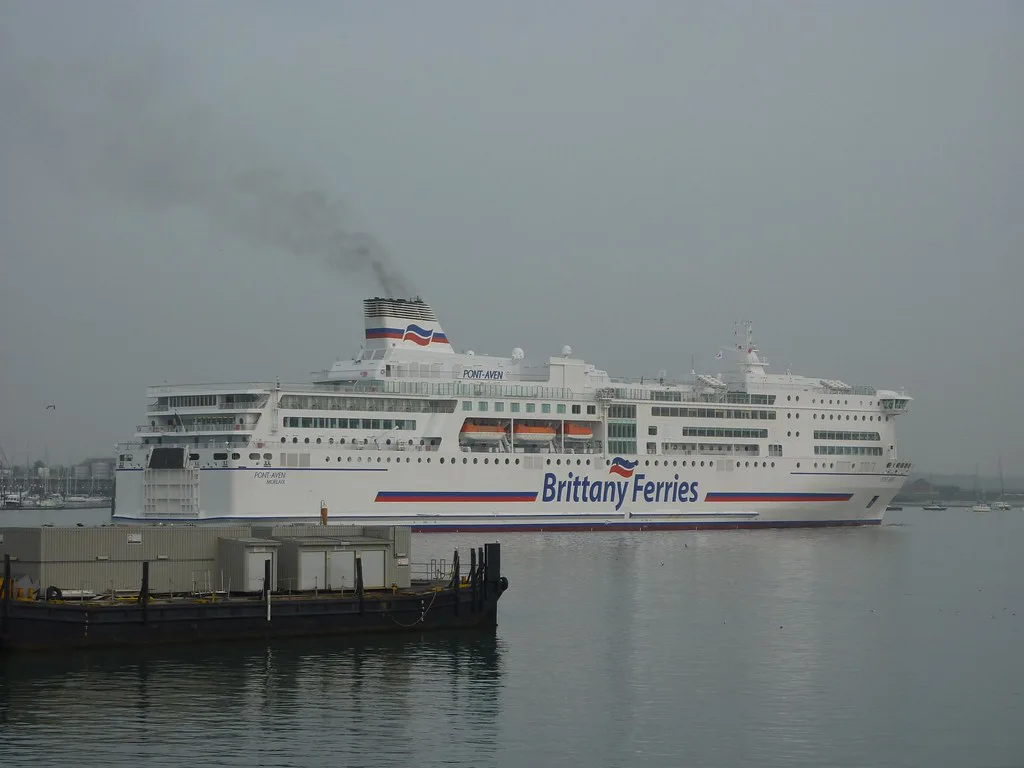
The crossing to Spain is particularly popular for those looking to avoid a long drive through France. These voyages typically take 20 to 30 hours, turning a transit day into a relaxing mini-cruise. Onboard, you can enjoy French-inspired cuisine and live entertainment while crossing the Bay of Biscay.
For those traveling with equipment, the company offers excellent facilities for vehicles and bicycles. You can Travel with your bike to France with DFDS or other major operators to explore the French countryside. Always verify the specific check-in requirements for non-standard vehicles to ensure a smooth boarding process.
Dover to Calais: The Busiest Channel Crossing
Dover–Calais is the most-booked ferry route in Europe and the one most first-timers start with. Three operators run it seven days a week: P&O Ferries, DFDS, and Irish Ferries. Between them there are roughly 24 sailings a day — about 180 weekly in summer and 125 in the off-season — with the first crossing around 00:20 and the last near 23:55. The crossing itself takes about 1 hour 30 minutes.
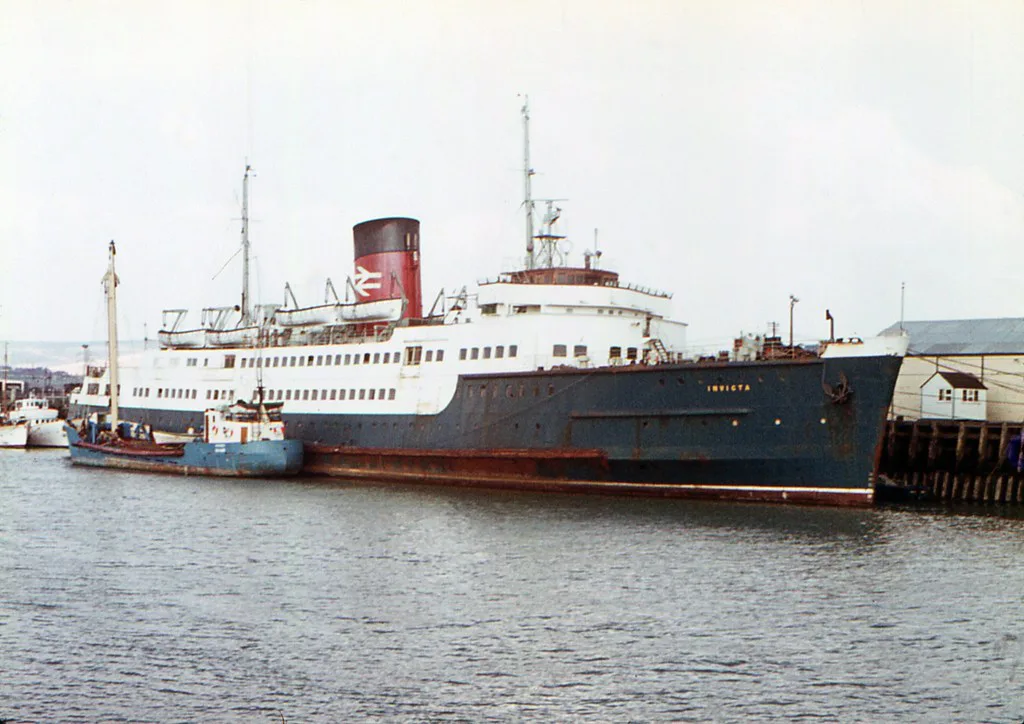
For 2026, foot-passenger fares typically start around €30 each way and average close to €80, while a car plus driver ranges from roughly €60 up to €280 depending on season and how early you book. Booking a few weeks ahead and travelling mid-week (Tuesday or Wednesday) lands the lowest prices; July and August fares can double and the cheapest cabins sell out. One important caveat: DFDS does not normally carry foot passengers on Dover–Calais, so book P&O if you are walking on.
| Dover–Calais (2026) | Foot passenger | Car + driver |
|---|---|---|
| Typical fare each way | ~€30 (avg ~€80) | ~€60–€280 |
| Check-in closes before departure | 90 minutes | 60 minutes |
| Operators that carry you | P&O, Irish Ferries (not DFDS) | P&O, DFDS, Irish Ferries |
| Crossing time | ~1h 30m | ~1h 30m |
| Best for | City-to-city on public transport | Road-tripping with luggage/gear |
- Check-in (with a car): P&O and Irish Ferries close check-in 60 minutes before departure.
- Check-in (foot passenger): P&O closes 90 minutes before departure.
- Coaches: 2 hours before; motorcycles: 1 hour before.
- Documents: a valid passport is required at both the Port of Dover and Calais, plus post-Brexit EES biometric registration on your first 2026 crossing — allow extra time.
Greek Island Hopping: Piraeus, Rafina, and E-Tickets
The Greek islands run on ferries, and choosing the right port and boat type is the whole game. Piraeus is the huge main hub serving the Saronic Islands, Crete, the Cyclades, the Dodecanese, and the North Aegean. Rafina is the smaller, calmer alternative for Mykonos, Andros, Tinos, and Paros — it sits closer to Athens Airport, tickets are often slightly cheaper, and it is far easier to navigate. At Piraeus, head to Gate E1 for high-speed catamarans to the Cyclades and Gate E2 for the larger conventional ferries.
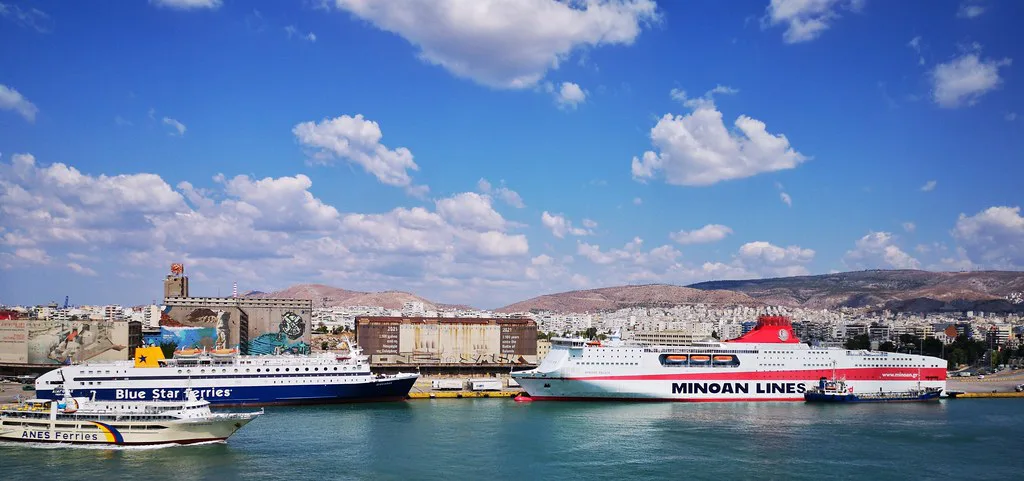
The 2026 network is operated by Blue Star Ferries, SeaJets, Golden Star Ferries, Fast Ferries, and Hellenic Seaways, with SeaJets running the most peak-season departures. High-speed boats are faster but pricier, fully enclosed (no deck access), and bounce harder in the July–August Meltemi winds. Conventional ferries — Blue Star's especially — are cheaper, have open decks, and use stabilisers, so prioritise them if you get seasick. Schedules are released gradually from November through May (mainland-to-island routes first, then inter-island), so confirm dates before locking in a hopping itinerary.
Greek ferries are now e-ticketed: book through an aggregator like Ferryhopper, check in online, and save the QR code to your phone before you reach the port — paper-ticket collection kiosks still exist but cause most of the missed-boat panic. The classic Athens-to-Santorini conventional run takes about 8 hours (often overnight), versus roughly 5 hours by high-speed.
How to Book and Compare European Ferries
Aggregator sites let you compare every operator on a route in one search instead of opening five carrier websites. Direct Ferries is the broadest (4,000+ routes worldwide), Ferryhopper is strongest for Greece and the Mediterranean, and Omio bundles ferries with trains and buses across 700+ routes — useful for the train-to-ferry connections common in Northern Europe. Book on the carrier's own site only when you want a specific loyalty fare or a flexible refundable ticket.
Three rules cut the most cost and stress. Travel as a foot passenger wherever a car is not essential — it is typically 40–50% cheaper and check-in is faster. Take overnight crossings on long routes (Bay of Biscay, Copenhagen–Oslo, Baltic capitals) to fold a hotel night into the fare. And book 3–6 months ahead for summer; mid-week sailings and combined ferry-plus-rail regional passes shave another chunk off the total.
Navigating the Baltic and North Sea: A Guide to Ferries North Europe
The waters of Northern Europe present a different set of challenges and rewards for the maritime traveler. Baltic Sea routes often involve massive cruise-style ferries that run between major capitals like Helsinki and Stockholm. These ships are designed to navigate through thin ice during the colder months, ensuring year-round connectivity.
North Sea crossings can be more turbulent, so checking weather forecasts is advisable for those prone to sea sickness. Routes like the Amsterdam to Newcastle crossing are vital links for both freight and tourism. These ships often feature extensive shopping and wellness facilities to occupy passengers during the 15-hour journey.
Port logistics in the north are generally very efficient, with automated check-in kiosks becoming the standard. Many terminals are integrated directly into the local rail network, allowing for seamless 'train-to-ferry' transitions. Ensure you have your passport ready, as many of these routes cross the borders of the Schengen Area.
Countries in Region Ferries North Europe
Germany serves as a central hub for ferry travel in the northern region, with major ports like Kiel and Rostock. These cities provide direct access to Scandinavia and the Baltic States via high-capacity vessels. The German rail network makes reaching these ports from inland cities very straightforward.
Denmark acts as a bridge between mainland Europe and the Nordic countries, offering numerous short-range ferry hops. The connection between Copenhagen and Oslo is a particularly scenic overnight route that saves a full day of driving. Many of these vessels cater specifically to commuters and weekend travelers.
The Baltic States of Estonia, Latvia, and Lithuania have rapidly expanded their ferry connections to the west. Tallinn is a major destination for day-trippers from Finland, with dozens of daily crossings. These routes are essential for exploring the unique medieval architecture and modern digital culture of the region.
Ferry Operators in Ferries North Europe
Stena Line and DFDS are among the largest operators in the North Sea and Baltic regions. They provide a wide range of services, from basic freight-focused vessels to luxury passenger ships. Comparing these operators often comes down to their specific arrival times and terminal locations.
Tallink Silja and Viking Line dominate the routes in the northern Baltic, particularly between Finland and Sweden. These companies are known for their massive 'cruise ferries' which offer multiple restaurants and duty-free shopping. They are a popular choice for both families and business travelers looking for a comfortable transit.
Smaller regional operators handle the intricate routes between islands in the Norwegian fjords or the Danish archipelago. These services are often government-subsidized and run with high frequency to support local communities. While they lack the luxury of larger ships, they offer some of the most stunning coastal views in Europe.
Frequently Asked Questions
Which European ferry port and schedule guides options fit first-time visitors?
First-time visitors should focus on major routes like Dover to Calais or the Greek Island hoppers. These routes offer high frequency and modern terminals with clear signage. For more details on planning your trip, visit our travel blog for expert tips.
How much time should you plan for European ferry port and schedule guides?
Short crossings take about 90 minutes, while international overnight trips can last 15 to 30 hours. Always add two hours for check-in and boarding procedures. This ensures you have a buffer for any unexpected traffic or terminal delays.
What should travelers avoid when planning European ferry port and schedule guides?
Avoid booking last-minute during the peak summer months of July and August. Prices can double and cabins often sell out weeks in advance. Also, do not underestimate the size of major ports; some require long walks between the gate and the ship.
Mastering the various European ferry port and schedule guides opens up a world of travel possibilities beyond the typical tourist path. Whether you are crossing the English Channel or exploring the Baltic, these routes provide comfort and convenience.
Remember to book early and stay informed about seasonal schedule changes to ensure a stress-free journey. The sea offers a slower, more intentional way to see the continent's most beautiful coastal regions.
By following the tips in this guide, you can confidently navigate the complex maritime networks of Europe. Safe travels as you embark on your next nautical adventure across these historic waters.
Explore Every Guide
All 8 guides in this collection, kept current for 2026.
Free: The European City Transport Cheat Sheet
Airport-to-centre, the best ticket to buy, and the one local gotcha — for 5 European cities, plus the universal rules for trams, ferries, and parking.
You might also like


Continue reading
More guides you'll find useful