Getting Around Europe by Public Transport: 8 Essential Tips
Master European travel with our guide to trains, buses, and metros. Learn how to book tickets, use Eurail passes, and navigate stations like a local.
 By Marco Bellini
On this page
Getting Around Europe by Public Transport: 8 Essential Tips and Modes
Quick answer: For long distances between cities, book high-speed rail (TGV, ICE, Frecciarossa, AVE) 90–120 days out for the cheapest fares — or take a Flixbus coach when trains run over ~€60. For 2+ countries in 3+ weeks, a Eurail/Interrail pass usually wins. Within a city, just tap a contactless bank card or phone (Paris, London, Rome, and most Western hubs now support it in 2026); where you still get a paper ticket (Vienna, parts of Italy), validate it before boarding or risk a €50–€100 on-the-spot fine. Buy a 24-hour or city travelcard once you take 3+ rides in a day.
This guide breaks down each mode — rail, metro, tram, ferry, and coach — with real 2026 fares, the apps that actually work, and the ticketing rules that trip up first-timers. You might start your morning on a high-speed ICE train in Germany and end it on a scenic tram in Prague, and each operator has its own quirks. Check out our latest travel insights to stay updated on the best routes for your next trip.
Free: The European City Transport Cheat Sheet
Airport-to-centre, the best ticket to buy, and the one local gotcha — for 5 European cities, plus the universal rules for trams, ferries, and parking.
Key Takeaways
- Book high-speed trains 90-120 days in advance for the best prices.
- Always validate paper tickets in city metro and bus systems to avoid fines.
- Use apps like Citymapper and DB Navigator for real-time transit updates.
- Allow at least 45 minutes for connections at major hubs like Paris Nord.
Understanding the European Rail Network: High-Speed vs. Regional
The European rail network is the backbone of continental travel, offering a mix of lightning-fast connections and charming local routes. High-speed trains like the TGV in France or the Frecciarossa in Italy can reach speeds of 300 km/h. These services usually require seat reservations and are best booked weeks in advance to secure lower fares. Check the European Rail Timetable for the most accurate schedule data across different countries.
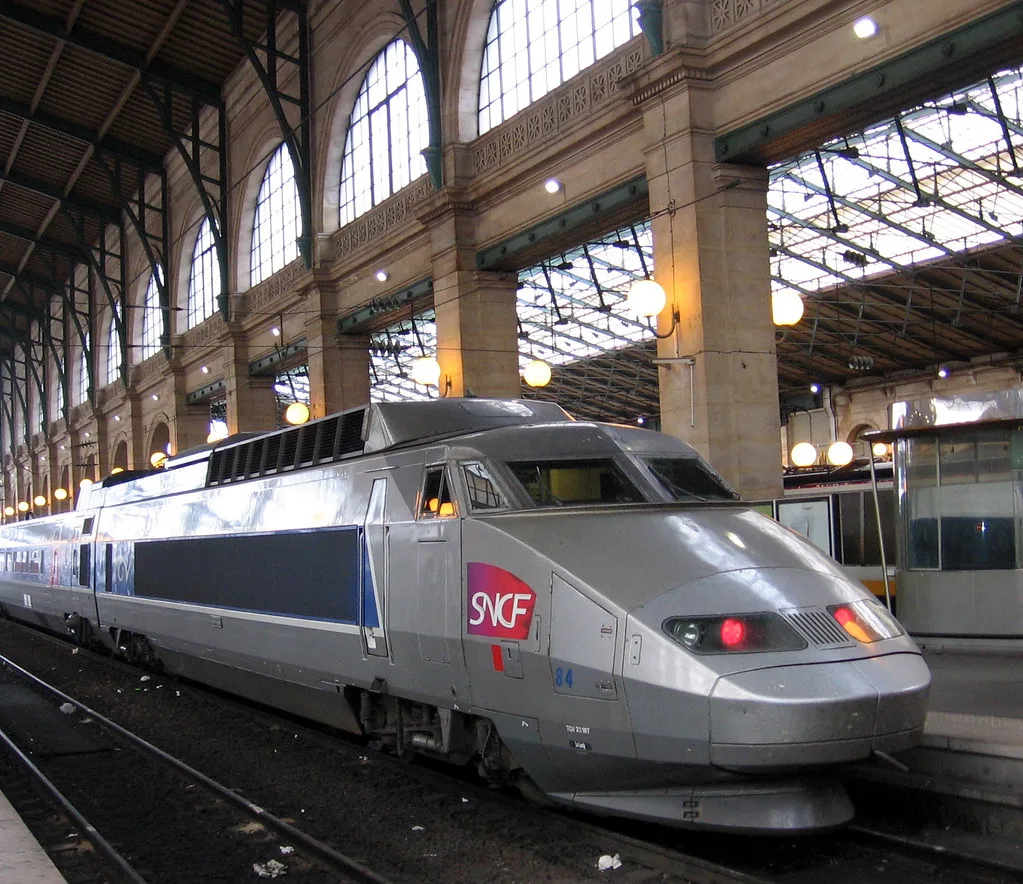
Regional trains offer a slower but more flexible way to see the countryside between major hubs. You typically do not need a reservation for these local services, allowing for spontaneous day trips. While they take longer, the ticket prices remain stable, making them ideal for last-minute travel plans. Operators like Deutsche Bahn (DB) Navigator provide excellent real-time updates for both fast and slow connections.
Choosing between speed and cost often depends on your specific itinerary and time constraints. High-speed rail is perfect for long distances like Paris to Barcelona, where flying might take just as long after security. Regional lines shine when you are exploring smaller regions like Tuscany or the Bavarian Alps. Always verify if your specific train requires a mandatory reservation before boarding to avoid being removed from the carriage.
Navigating Europe’s Metro and Subway Systems
Major cities like London, Paris, and Berlin rely on massive underground networks to move millions of people daily. The London Underground, or 'The Tube,' is famous for its color-coded lines and frequent service intervals. In Paris, the Metro is incredibly dense, meaning you are rarely more than a five-minute walk from a station. Using a contactless credit card or a mobile wallet is now the fastest way to pay in many Western European hubs.
Ticket validation is a critical step that many first-time visitors accidentally overlook. In cities like Rome or Vienna, you must stamp your paper ticket in a small machine before entering the platform. Failure to do so can result in immediate on-the-spot fines exceeding 50 Euros, even if you have a valid ticket. Look for yellow or orange boxes at the entrance of metro stations or inside buses to complete this process.
Digital tools have revolutionized how travelers handle complex city transit maps. Apps like Citymapper or Google Maps provide step-by-step instructions, including which platform to stand on. These apps also alert you to service delays or strikes, which can be common in certain regions. Always download offline maps if you do not have a consistent data plan while wandering through underground tunnels.
Contactless and Tap-and-Go: How City Ticketing Changed in 2026
The biggest shift for 2026 is that most major Western European networks now let you tap a contactless bank card or phone (Apple Pay / Google Pay) straight onto the reader — no paper ticket, no separate transit card, no validation machine. In London, tapping in and out caps your daily spend automatically at £8.90 for Zones 1–2 (cheaper than a paper Day Travelcard). Paris finished rolling contactless bank-card payment across the entire Metro and RER network in 2026; the paper Métro t+ ticket is being retired in favour of the Navigo Easy card and contactless taps, with a single Zone 1 fare at €2.15 (a carnet of 10 is €17.35). Rome's Tap&Go® now works on every bus, tram, and metro line — tap your card on the validator and you are charged the €1.50 BIT fare, capped at the €7 daily ticket price.
Where contactless has not arrived, the old rules still bite. In Vienna, Prague, and many smaller Italian and Eastern European cities you still buy a paper or app ticket first, then stamp it in the small box at the platform or inside the vehicle before you travel. Skipping that step is the single most common way tourists get fined: inspectors (often plain-clothed) charge €50–€105 on the spot regardless of whether you actually paid. When in doubt, tap if a contactless logo is on the gate; otherwise validate before you sit down.
- 2026 Contactless Status in Major Cities
- London: Tap in/out, daily cap ~£8.90 (Zones 1–2)
- Paris: Contactless on Metro/RER, single fare €2.15
- Rome: Tap&Go® all lines, €1.50 fare, €7 daily cap
- Vienna & Prague: Paper/app ticket — still validate manually
Trams: A Scenic Way to Explore European Cities
Trams offer a unique perspective of a city that underground subways simply cannot provide. In Lisbon, the historic Number 28 tram squeaks through narrow alleys and up steep hills in the Alfama district. Prague and Amsterdam also boast extensive tram networks that are often more convenient than their metro counterparts. These surface-level vehicles allow you to sightsee while moving between attractions, turning transit into a tour.
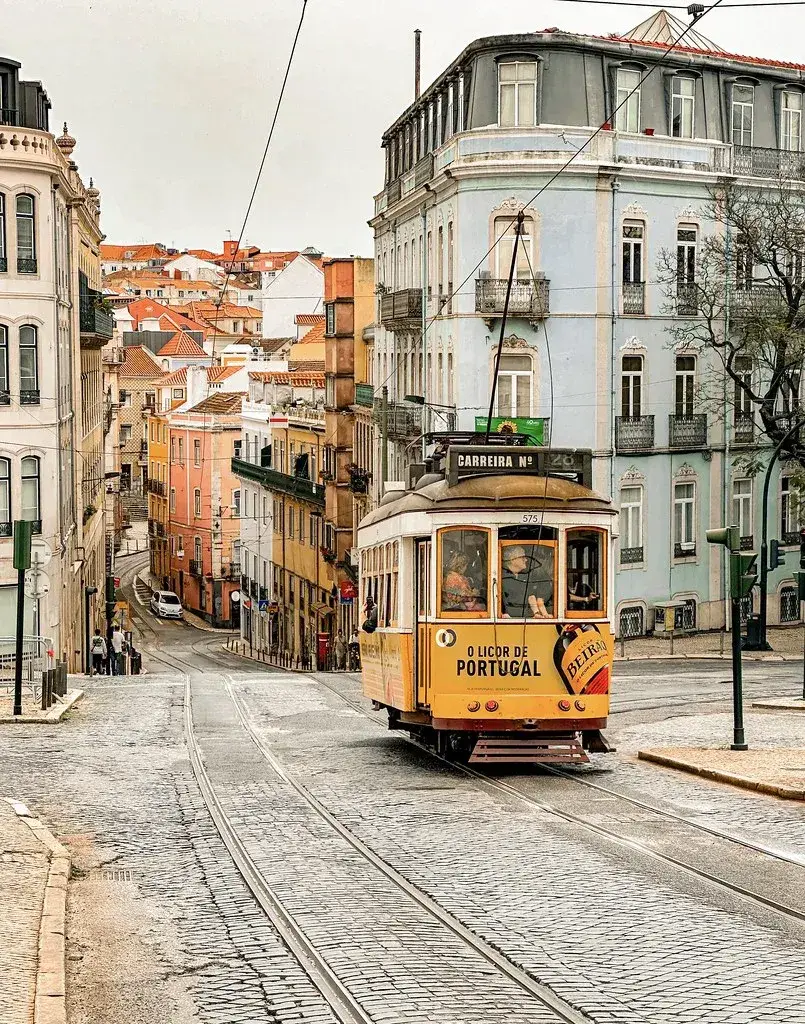
Boarding a tram usually requires a pre-purchased ticket or a tap-on, tap-off system with a mobile device. Some older systems still require you to validate your ticket inside the vehicle rather than at the stop. Pay close attention to the direction of the tram, as lines often loop through complex city centers. Trams are particularly useful in cities where the geography makes building underground tunnels difficult or expensive.
- Best European Cities for Scenic Tram Rides
- Lisbon: Route 28 is iconic
- Prague: Route 22 passes castles
- Amsterdam: Blue and white cars
- Vienna: The Ringstrasse loop
Long-Distance Travel via European Bus and Coach Networks
When the rail prices climb too high, long-distance buses provide a reliable and affordable alternative. Companies like Flixbus for coach travel have expanded to cover almost every corner of the continent. Buses are often equipped with free Wi-Fi, power outlets, and onboard toilets for longer journeys. While travel times are longer than trains, the cost savings can be significant for budget-conscious explorers.
Regional coaches often fill the gaps where the rail network does not reach. In countries like Spain or the Balkans, buses are frequently the primary mode of intercity transport. Booking your seat online in advance ensures you get a spot, especially during the busy summer months. Check local bus station locations carefully, as they are sometimes located on the outskirts of the city center.
Comparing bus and train travel is easy with modern booking aggregators. Services like Omio for point-to-point tickets allow you to see times and prices for both modes side-by-side. This helps you decide if a two-hour time saving is worth a 40 Euro price difference. Always factor in the time it takes to get to the station when making your final travel decision.
| Mode | Typical 2026 fare (Paris–Barcelona) | Journey time | Reservation needed? | Best for |
|---|---|---|---|---|
| High-speed rail (TGV / Renfe-SNCF) | €39–€120 | ~6.5 hrs | Yes — mandatory seat | Speed and comfort over long city-to-city hops |
| Regional / slow train | €25–€45 (multi-leg) | 9–11 hrs | No | Flexible, last-minute, scenic short hops |
| Long-distance coach (Flixbus) | €19–€45 | ~14 hrs (often overnight) | Yes — book seat online | Lowest cost; overnight saves a hotel night |
| Eurail / Interrail pass | From ~€53/travel day + reservation fees | Same as rail | Pass covers fare, reservation extra | 3+ weeks across multiple countries |
Booking Guide: Rail Passes, Online Tickets, and Apps
Deciding between a Eurail pass and point-to-point tickets is a common dilemma for travelers. A Eurail official site pass offers incredible flexibility if you plan to visit multiple countries over several weeks. However, if you only have two or three fixed dates, buying individual tickets early is usually cheaper. Reservations for high-speed trains are often an extra cost not included in the base price of a rail pass.
Booking windows for European trains typically open between 90 and 120 days before departure. Securing 'Sparpreis' or 'Prems' tickets early can save you up to 70% compared to walk-up fares. Most operators now offer digital tickets that you can simply show on your smartphone screen. Keep a PDF copy of your ticket saved offline in case you lose internet access at the station.
- Essential Apps for European Transit Booking
- Omio: Best for comparisons
- DB Navigator: Best for schedules
- SNCF Connect: French rail specialist
- Citymapper: Urban navigation expert
Luggage, Bikes, and Pets on Public Transit
Each European transport operator has its own set of rules regarding extra items like bikes and pets. Most trains allow you to bring large suitcases for free, provided you can lift them onto the racks yourself. Bicycles usually require a specific reservation and a small additional fee on high-speed services. Regional trains are often more relaxed, featuring dedicated carriages with space for multiple bikes and strollers.
Traveling with pets is widely accepted in Europe, though rules vary by country and company. Small dogs in carriers often travel for free, while larger dogs may require a half-price ticket and a muzzle. In the UK and many parts of Western Europe, dogs are even allowed on city buses and metros. Always check the specific pet policy of your operator before arriving at the platform to avoid delays.
- Luggage and Pet Fee Comparison Table
- SNCF: Free luggage; Pet fee applies
- Deutsche Bahn: Free luggage; Pet fee applies
- Flixbus: 1 bag free; Extra fee
- Eurostar: 2 bags free; No pets
Station Logistics: Lounges, Connections, and Changing Trains
Navigating massive transit hubs like Paris Nord or Frankfurt Hauptbahnhof requires a bit of strategy. First-class ticket holders and certain rail pass users can often access quiet lounges with free snacks and Wi-Fi. These lounges provide a peaceful retreat from the crowded main concourse during long layovers. Look for 'Salon Grand Voyageur' or 'DB Lounge' signs to find these exclusive waiting areas.
Connection times are a vital consideration when booking a journey with multiple legs. A 10-minute connection might be plenty in a small Swiss station but impossible in a sprawling Paris terminal. We recommend allowing at least 30 to 45 minutes when changing between different types of trains. If you miss a connection due to a delay, visit the station service desk to have your ticket validated for the next train.
- Recommended Connection Buffer Times by Station
- Paris Nord: 45-60 minutes
- Zurich HB: 15-20 minutes
- Brussels Midi: 30-40 minutes
- Berlin Hbf: 20-30 minutes
The Eurostar Experience: Connecting London to the Continent
The Eurostar is a unique high-speed service that links London directly to Paris, Brussels, and Amsterdam. Unlike other European trains, you must go through security and passport control before boarding. Arriving at the station at least 60 to 90 minutes early is essential to clear these checks. The journey through the Channel Tunnel takes about 20 minutes of the total trip time.
Onboard, you can choose between Standard, Standard Premier, and Business Premier classes. Business Premier offers the most flexibility and includes a hot meal served at your seat. Standard Premier provides more legroom and a light snack, making it a great middle-ground option. Remember that Eurostar has a strict no-pet policy, with the exception of certified assistance dogs.
Frequently Asked Questions
What’s the best way to travel around Europe on a budget?
The best way to travel on a budget is by using long-distance coaches like Flixbus or booking regional train tickets well in advance. Consider traveling during the shoulder season to find lower prices on transit and accommodation. You can find more budget tips on our blog.
Is it cheaper to buy train tickets in advance or at the station?
It is almost always cheaper to buy high-speed train tickets online several weeks in advance. Walk-up fares for fast trains can be triple the price of early-bird tickets. Regional train prices generally stay the same, so those can be bought at the station on the day of travel.
Should I buy a Eurail pass or point-to-point tickets?
Choose a Eurail pass if you want flexibility and plan to take many long-distance trips across several countries. If your itinerary is fixed with only a few stops, point-to-point tickets are usually more cost-effective. Calculate your total costs for both options before making a final purchase.
Can I take my dog on public transport in Europe?
Yes, most European trains and city transit systems allow dogs, though rules vary by operator. Small pets in carriers often travel for free, while larger dogs usually require a ticket and a muzzle. Always check the specific policy for high-speed lines like Eurostar, which generally prohibits pets.
Getting around Europe by public transport is an efficient and rewarding way to see the continent. By understanding the differences between rail, bus, and metro systems, you can plan a journey that fits your budget. Always remember to validate your tickets and leave plenty of time for station connections. With a little preparation and the right apps, you will be navigating European cities like a local in no time.
Browse the City Guides
Pick a mode or a city below — each links to a full, up-to-date 2026 guide.
Free: The European City Transport Cheat Sheet
Airport-to-centre, the best ticket to buy, and the one local gotcha — for 5 European cities, plus the universal rules for trams, ferries, and parking.
You might also like

Continue reading
More guides you'll find useful