Getting Around Marseille Travel Guide
Plan getting around marseille with top picks, neighborhood context, timing tips, and practical booking advice for a smoother trip.
 By Marco Bellini
On this page
Getting Around Marseille
Short on time? Here is how to get around Marseille in 2026. The fastest door-to-door option in the centre is the two-line RTM metro (M1 blue, M2 red), which shares a single ticket with the three tram lines and 90+ bus routes. A single journey is €1.80 (valid 1 hour, all transfers included); if you are sightseeing all day, buy the 24-hour XL pass for €5.20 or the 72-hour pass for €10.80. From Marseille Provence Airport, take the airport shuttle bus to Saint-Charles station (€10 one way, ~25 min). Skip a rental car for the city itself — the Old Port and Le Panier are pedestrianised and parking is scarce.
Visitors usually base themselves around the iconic Vieux-Port (Old Port), which sits on metro line M1 and serves as the central interchange. From here you can reach the basilica, the calanques, the beaches, and the Frioul ferries with a single €1.80 ticket. The sections below break down each mode — metro and tram, buses, the ferry-boat, rideshare and taxis, bikes, and driving — with real fares, line numbers, and the validation rules you need to avoid a fine.
Free: The European City Transport Cheat Sheet
Airport-to-centre, the best ticket to buy, and the one local gotcha — for 5 European cities, plus the universal rules for trams, ferries, and parking.
Key Takeaways
- Use the Marseille City Pass for unlimited transit and museum entries.
- The seasonal ferry bus is the most scenic way to travel the coastline.
- Download a rideshare app for reliable transport after the metro closes.
- Walking is the best way to explore the historic Panier Quarter.
RTM Tickets, Fares, and Passes (2026)
One RTM ticket covers the entire network — the two metro lines, three trams, and every city bus. A single journey costs €1.80 and stays valid for one hour, so you can change between metro, tram, and bus on the same fare. Buy from machines in any metro station or at tram stops; a ticket bought from the bus driver costs €2. Since 2025, travel is free for children under 11 and for visitors aged 65 and over.
For a full day of sightseeing, a pass almost always wins. Quick comparison of the most useful 2026 fares:
- Single ticket — €1.80 (1 hour, all transfers). Best for one or two short hops.
- 10-trip card — €13.40 (loaded onto a reusable card, +€0.10 first time). Best for a few days of light use.
- 24-hour XL pass — €5.20 (unlimited metro/tram/bus + the ferry-boat). Pays for itself after three rides.
- 72-hour pass — €10.80 (unlimited, ideal for a long weekend).
- 7-day pass — €15.50.
Validation matters: always tap or insert your ticket at the gate or on-board validator at the start of every ride, including transfers and trams. Inspectors do check, and an unvalidated ticket is treated as fare evasion. Keep the ticket until you exit.
| Fare option | 2026 price | Valid for | Best for |
|---|---|---|---|
| Single ticket | €1.80 | 1 hour, all transfers | One or two short hops |
| 10-trip card | €13.40 (+€0.10 card) | 10 journeys | A few days of light use |
| 24-hour XL pass | €5.20 | Unlimited + ferry-boat | A full sightseeing day |
| 72-hour pass | €10.80 | Unlimited 3 days | A long weekend |
| 7-day pass | €15.50 | Unlimited 7 days | A longer stay |
Metro, Tram, and Bus Network
The marseille-metro-tram system is the fastest way across the centre. Metro M1 (blue) runs La Rose to La Fourragere and stops at Vieux-Port; M2 (red) runs Geze to Sainte-Marguerite Dromel and serves Saint-Charles main station and the Longchamp museums. Trains run roughly every 5 minutes from 05:00 to about 22:30 (extended to 00:30 on Friday and Saturday).
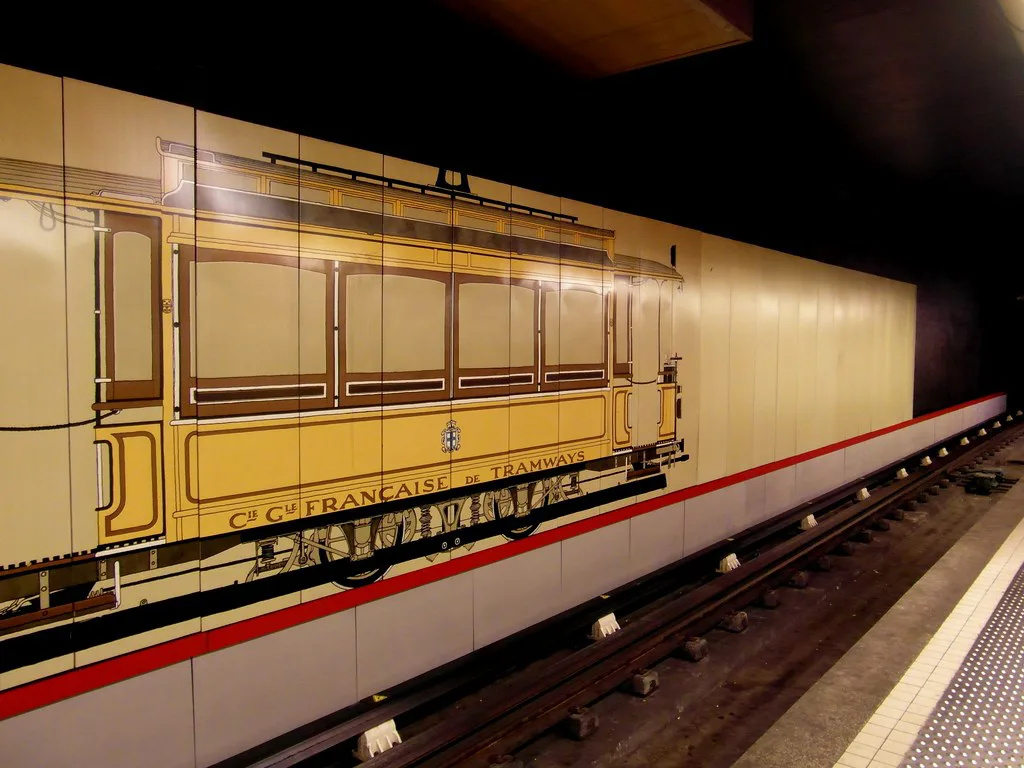
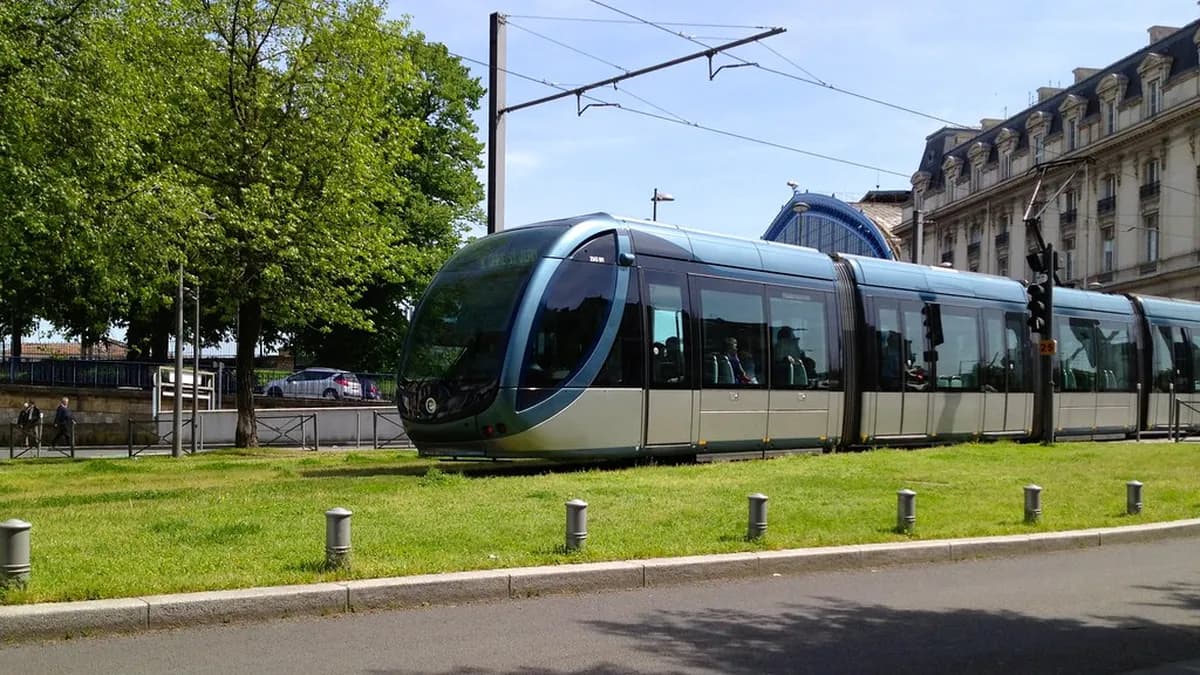
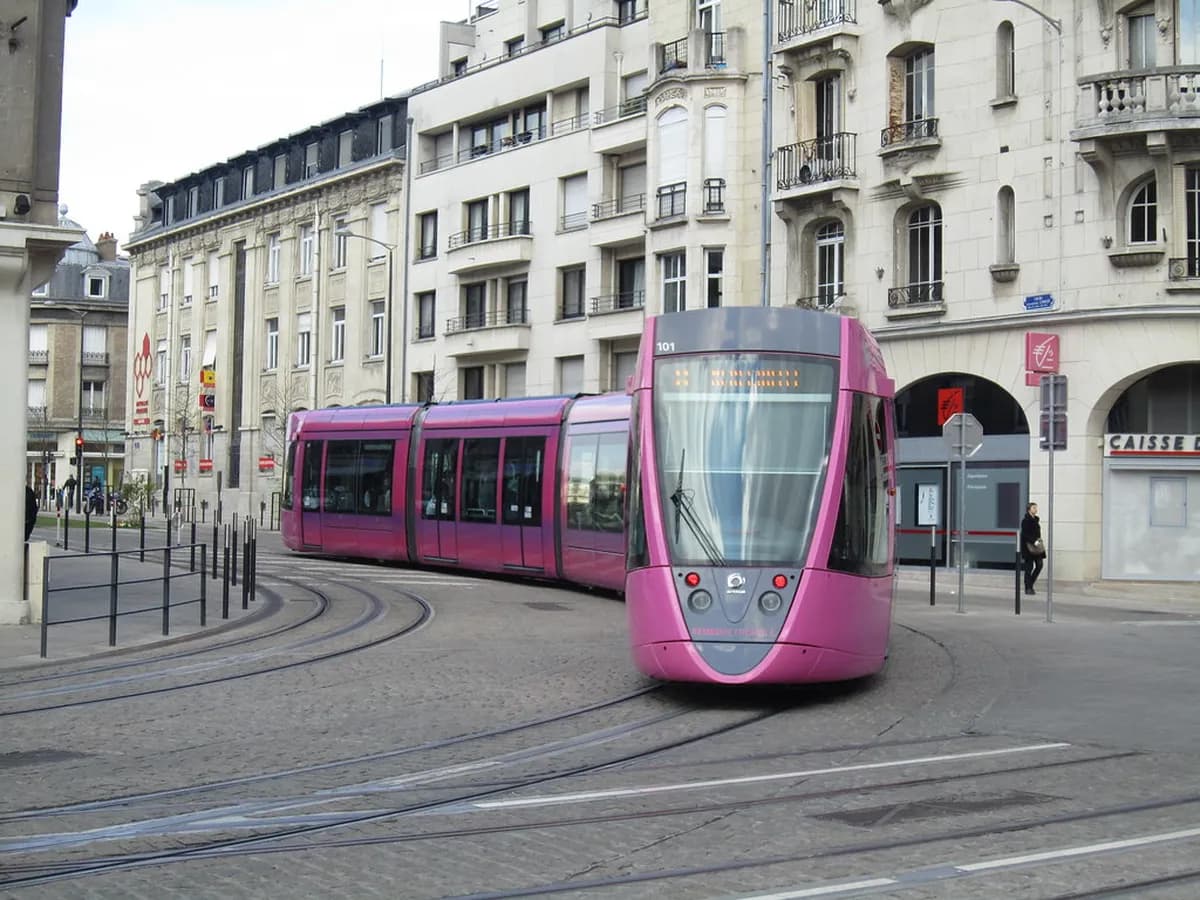
The three tram lines interchange with the metro at Noailles, Castellane, and Saint-Charles. T2 and T3 glide along the waterfront and stop a short walk from the MuCEM, while T1 heads east from Noailles to Les Caillols. Buses fill every gap the rails miss — Bus 60 climbs to Notre-Dame de la Garde, Bus 83 hugs the coast to the Prado beaches and Vallon des Auffes, and Bus 19 reaches Parc Borely.
After the metro closes, the Fluobus evening network keeps about a dozen lines running 21:00–01:00 every day, and two weekend Noctambus lines cover 01:00–04:00 on Friday and Saturday nights — useful to know before you default to a taxi.
Getting from the Airport to the City Centre
Marseille Provence Airport (MRS) sits about 27 km northwest of the centre. The simplest link is the airport shuttle bus to Saint-Charles station: it departs from the stop between Terminals 1 and 2 roughly every 10 minutes, takes 25–50 minutes depending on traffic, and costs about €10 one way (combined airport-plus-RTM tickets are sold for a little more). The last departure from the airport is around 01:50 (01:40 November–April).
A cheaper option is the free shuttle from the airport to Vitrolles Aeroport train station (a 5-minute ride from platform 5), then a regional TER train to Saint-Charles. Once at Saint-Charles you are on metro M1/M2 and a single €1.80 RTM ticket reaches the Old Port. A taxi to the centre runs roughly €50–60.
Must-See Getting Attractions
The Basilica of Notre-Dame de la Garde stands as the city's most famous landmark. Reaching this hilltop site requires taking Bus 60 from the Old Port area. The climb is steep, so the bus is a better choice than walking for most visitors. Check the Marseille Tourist Office. for the latest bus schedules and route maps.
The Panier Quarter offers a maze of colorful streets and local artisan shops. Stroll Around the Panier Quarter on foot to truly experience its historic charm. This area is mostly pedestrianized, making it a peaceful break from city traffic. Wear comfortable shoes as the limestone streets can be uneven and hilly.
The MuCEM museum is easily accessible via the modern tramway system. Line T2 and T3 stop nearby, providing a scenic ride along the waterfront. You can also walk from the Old Port in about ten minutes. Plan your visit for early morning to avoid the largest crowds at the entrance.
- Bus 60 to the Basilica
- Type: Public Bus
- Best for: Hillside access
- Where: Vieux Port stop
- Cost: €1.80 per ride
- Le Panier Walking Route
- Type: Pedestrian walk
- Best for: Photography
- Where: North of Vieux Port
- Cost: Free
Museums, Art, and Culture in Getting
Marseille boasts a rich array of museums scattered across its central districts. The Musée de l'Histoire de Marseille is located right next to the Bourse shopping center. You can reach it easily by taking the M1 metro line to the Vieux-Port station. This museum provides an excellent overview of the city's 2,600-year history.
Art lovers should head to the Palais Longchamp in the 4th arrondissement. The M2 metro line or the T2 tram will take you directly to the Longchamp stop. This stunning monument houses the Fine Arts Museum and the Natural History Museum. The surrounding gardens are perfect for a relaxing stroll after your gallery tour.
Cultural sites are often concentrated, allowing for easy walking between venues. Many visitors combine a trip to the MuCEM with the nearby Regards de Provence museum. Navigating between these spots is simple thanks to clear signage and wide sidewalks. Check for combined museum tickets to reduce your overall entry costs.
Parks, Gardens, and Outdoor Spots in Getting
Parc Borély is the most popular green space for locals and tourists alike. Take Bus 19 or 83 from the city center to reach this coastal garden. The park features a botanical garden, a lake, and several charming cafes. It is an ideal spot for a picnic before heading to the nearby Prado beaches.
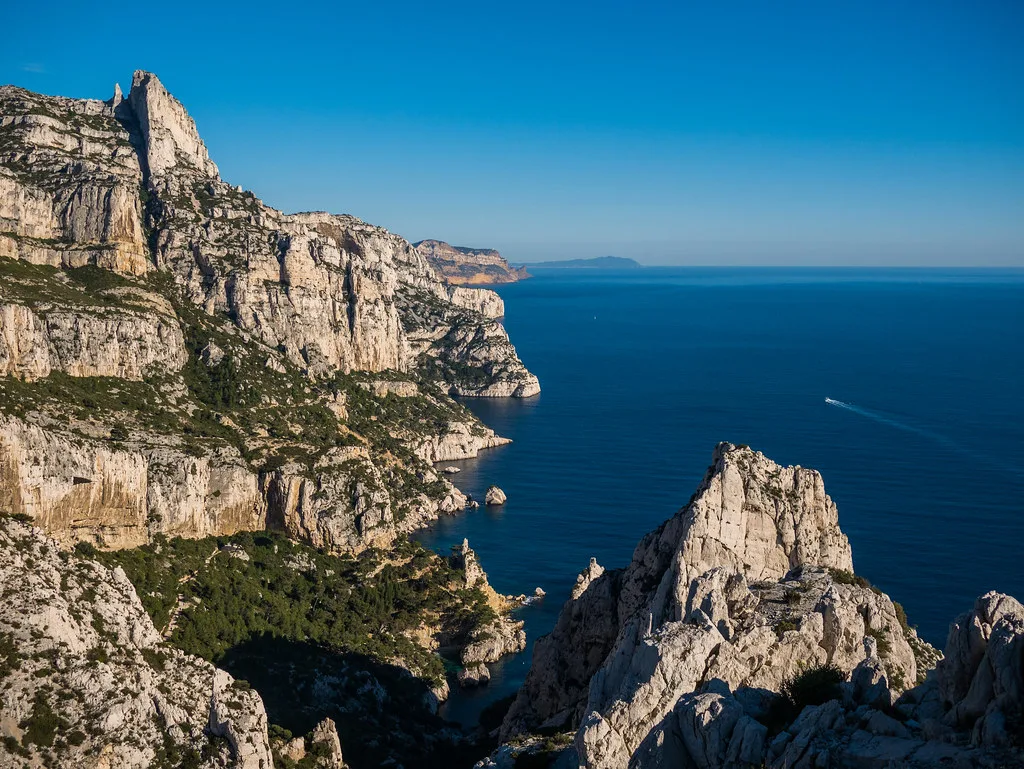
The Calanques National Park offers breathtaking limestone cliffs and turquoise waters. Accessing the main hiking trails usually requires a bus ride to the Luminy campus. Bus B1 runs frequently from the Castellane metro station to the park entrance. Be sure to bring plenty of water as there are few facilities inside the park.
For a unique outdoor experience, take a ferry to the Frioul Islands. The frioul-ferry departs regularly from the Quai des Belges. The islands offer pristine swimming spots and historic forts to explore. Boats run less frequently in winter, so verify the 2026 seasonal schedule online.
Rideshare and other services in Marseille
Rideshare apps are a convenient alternative to public transportation in Marseille. You can Request a ride in Marseille now using the Uber app. This service is particularly useful for late-night travel when the metro has closed. Prices are dynamic and may increase during peak hours or special events.
Traditional taxis are also widely available throughout the city center. You can find them at designated ranks near major train stations and hotels. Consult this map of taxi stations to locate the nearest pickup point. Most drivers accept credit cards, but it is wise to carry some cash.
For those who prefer to drive themselves, rental options are plentiful. You can Search for car rentals in Marseille with Uber for competitive rates. Driving in the city center can be challenging due to narrow streets and limited parking. A rental car is best reserved for day trips to the Provencal countryside.
Other ways of getting around Marseille
The marseille-metro-tram network is the backbone of local transit. Two metro lines and three tram lines cover the majority of the city. Trams are especially pleasant as they run above ground through scenic districts. The system is clean, efficient, and very affordable for daily use.
The seasonal ferry bus, or 'navette maritime', is a favorite for tourists. It connects the Old Port to the neighborhoods of Pointe Rouge and L'Estaque. This boat trip offers a beautiful view of the skyline for the price of a bus ticket. Service typically runs from late spring through the end of September.
Biking is becoming more popular thanks to the 'Le Vélo' share scheme. Hundreds of stations allow you to pick up and drop off bikes across the city. The first 30 minutes are often free for short trips between neighborhoods. Cycling along the Corniche Kennedy provides one of the best views in France.
Try Bouillabaisse - Marseille's Most Famous Dish
No trip to Marseille is complete without tasting its legendary fish stew. The best restaurants for this dish are often found near the water. You can find high-quality seafood at Homer Lobster near the port. Traditional bouillabaisse is a multi-course meal that requires fresh, local ingredients.
The Vallon des Auffes is a picturesque fishing harbor famous for its eateries. Take Bus 83 from the Vieux Port to reach this hidden gem in minutes. It feels like a small village tucked away from the busy city center. Make a reservation in advance as these seaside spots fill up quickly.
Authentic bouillabaisse should always be served in two distinct parts. The broth is served first with croutons and spicy rouille sauce. The cooked fish is then presented and filleted right at your table. Expect to pay a premium price for a truly traditional and fresh preparation.
Frequently Asked Questions
Which getting around Marseille options fit first-time visitors?
First-time visitors should rely on the marseille-metro-tram system for most trips. It is easy to navigate and connects all major tourist sites. For a more scenic experience, the seasonal ferry bus offers a great view of the coast for a low price.
How much time should you plan for getting around Marseille?
Plan for about 20 to 30 minutes for most cross-city trips using public transit. Walking between central attractions like the Old Port and the Panier takes about 10 minutes. Always allow extra time during the afternoon rush hour when buses can face traffic delays.
Is getting around Marseille worth including on a short itinerary?
Yes, the efficient transport system makes it easy to see many sites in a single day. You can quickly move from the historic center to the beach using the tram or bus. This efficiency allows even short-term travelers to experience the city's unique maritime culture.
Marseille offers a diverse range of transport options to suit every traveler. Whether you prefer the efficiency of the metro or the charm of a ferry, you can navigate with ease. Remember to validate your tickets and check the latest travel tips before you head out. Enjoy your exploration of this historic and sun-drenched Mediterranean port.
Explore Every Guide
All 3 guides in this collection, kept current for 2026.
- Chateau d'If ferry from Marseille
- Frioul Islands ferry from Marseille
- Marseille metro and tram tickets
Free: The European City Transport Cheat Sheet
Airport-to-centre, the best ticket to buy, and the one local gotcha — for 5 European cities, plus the universal rules for trams, ferries, and parking.
You might also like
Continue reading
More guides you'll find useful