Padua Tram Map And Tickets Travel Guide
Plan padua tram map and tickets with top picks, neighborhood context, timing tips, and practical booking advice for a smoother trip.
 By Marco Bellini
On this page
Padua Tram Map And Tickets
Quick answer for 2026: Padua runs one tram line, SIR1 "Sirio" (Busitalia Veneto), a 10.3 km rubber-tired route from Pontevigodarzere in the north to Guizza in the south, passing the train station and city centre. A single TU1 urban ticket costs €1.70, is valid 90 minutes, and works on both the tram and city buses — validate it on board. Trams run roughly 05:35–23:30 every 7–10 minutes at peak.
For the Scrovegni Chapel use the Eremitani stop; for the Basilica of Saint Anthony use Santo; for Prato della Valle use Prato. Driving in? Park €1 all day at the Pontevigodarzere terminus and ride in. The sections below cover fares, the full stop-by-stop map, the Urbs Picta Card, and night/onward connections.
Free: The European City Transport Cheat Sheet
Airport-to-centre, the best ticket to buy, and the one local gotcha — for 5 European cities, plus the universal rules for trams, ferries, and parking.
Must-See Padua Attractions
The tram line serves as a direct artery to the most significant cultural landmarks in the city. Most visitors start their journey at the Scrovegni Chapel to witness Giotto's revolutionary fresco cycle. This site requires advanced booking and is easily reached from the Eremitani stop.
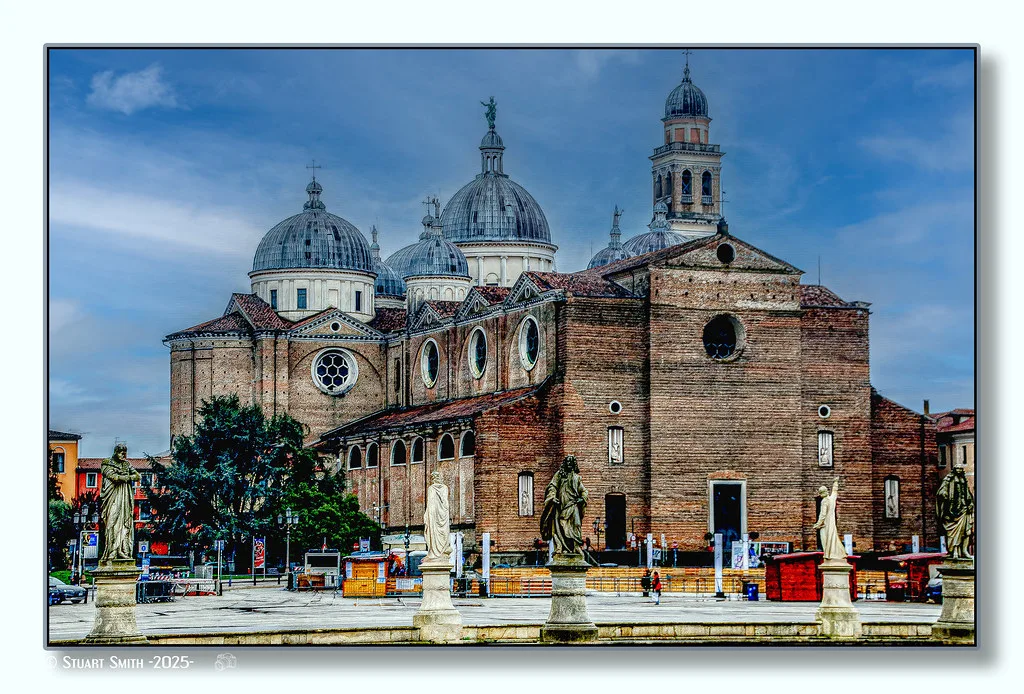
Further south, the tram glides past the Prato della Valle, which is one of the largest squares in Europe. This massive elliptical space features a central green island surrounded by a moat and 78 statues. It serves as a perfect hub for afternoon walks or visiting the nearby Basilica of Saint Anthony.
The historic University of Padua and the Palazzo della Ragione are also within walking distance of central tram platforms. These sites represent the intellectual and civic heart of the region. Exploring these areas on foot after a quick tram ride saves both time and energy during a busy day.
- Scrovegni Chapel
- Stop: Eremitani
- Highlight: Giotto frescoes
- Tip: Book 24h early
- Entry: Paid ticket
- Prato della Valle
- Stop: Prato
- Highlight: Massive square
- Best for: Photos
- Cost: Free access
Navigating the Tram Routes: Line 1 (Sirio) Explained
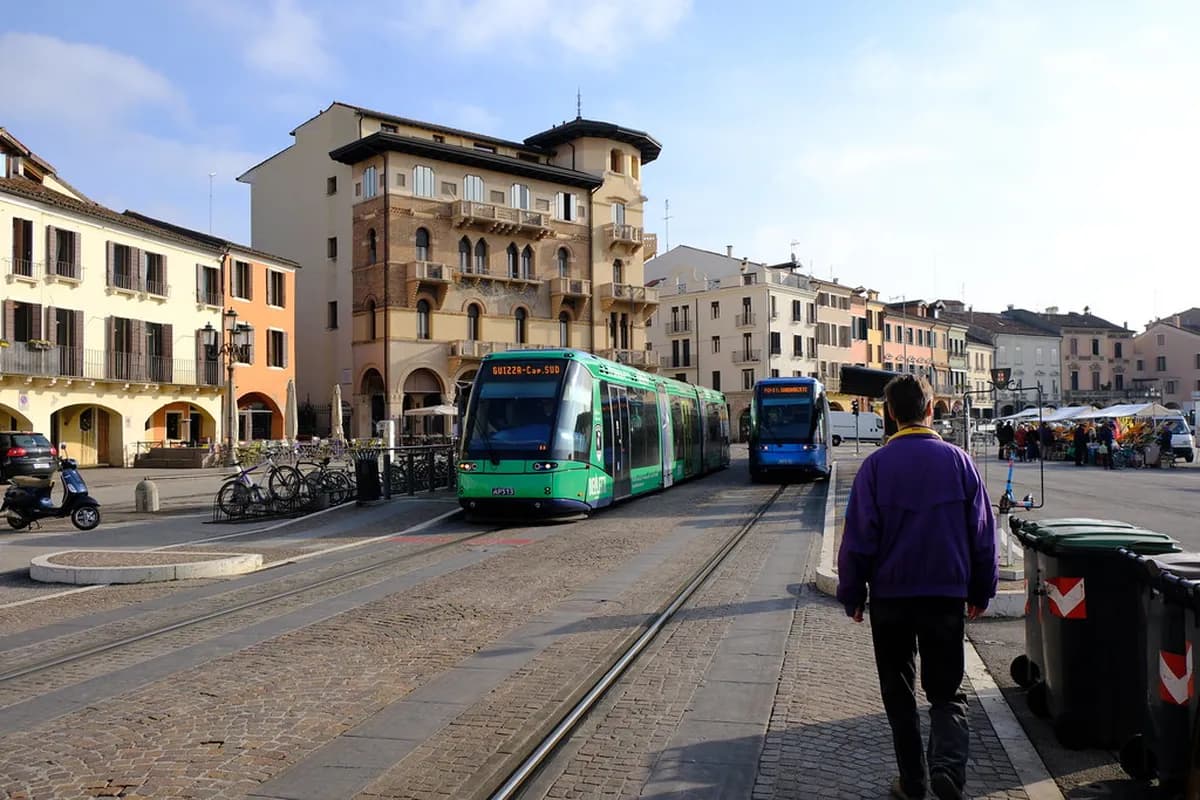
Padua utilizes a unique Translohr system, which is a tram that runs on rubber tires guided by a single central rail. This technology allows the vehicles to navigate tight corners and steep gradients more effectively than traditional rails. You will recognize the blue Sirio vehicles by their sleek, modern design.
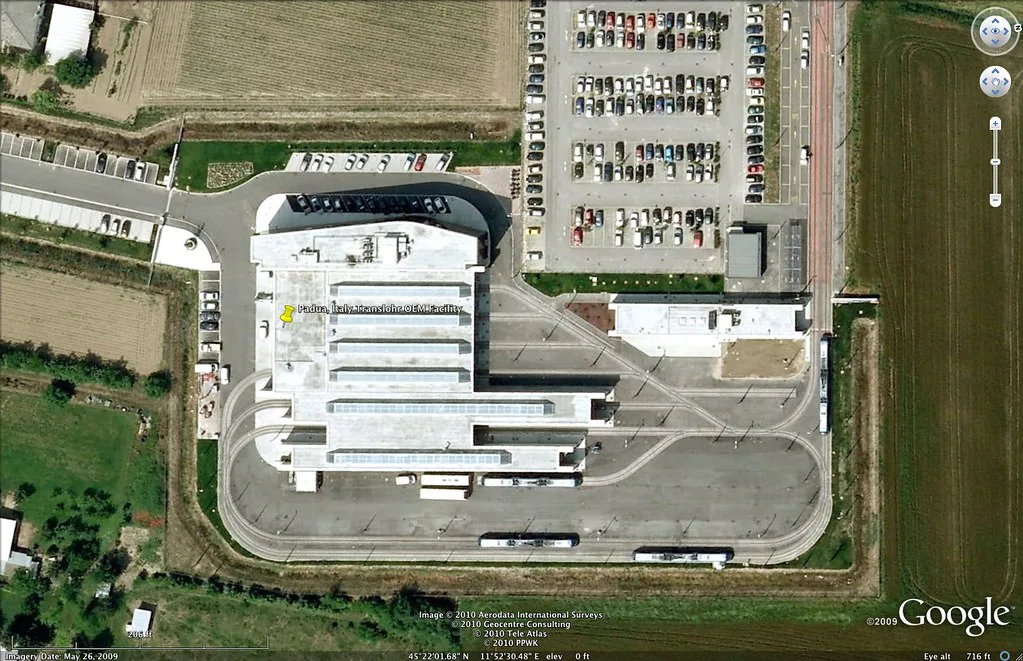
The system currently consists of a single primary line, often referred to as Line 1 or the SIR1. It stretches 10.3 km from the northern Pontevigodarzere terminus down to the southern Guizza terminus, calling at roughly 24 stops including the main railway station. End to end, the run takes about 42 minutes, so most tourist hops between the station and the historic centre are only 5 to 10 minutes. This linear layout makes it nearly impossible for first-time visitors to get lost while traveling.
Trams run from about 05:35 in the morning until 23:30 at night, every 7 to 10 minutes during peak daylight hours in 2026. This high frequency ensures that you never have to wait long at a platform. Check the electronic displays at each station for real-time arrival data and potential service alerts.
For those interested in how this compares to other European networks, you might look at the Clermont-Ferrand tram which uses similar technology. Both systems prioritize smooth rides and low-noise operation in historic urban cores. This makes the Padua tram a quiet and environmentally friendly way to see the sights.
Tickets, Fares, and How to Purchase
Securing the correct fare is essential to avoid heavy fines from local transit inspectors. The standard single-ride urban ticket (TU1, Orange Zone) costs €1.70 and is valid for 90 minutes across the entire urban network. This includes transfers between the tram and local orange buses within the time limit. If you tap on board with a contactless card, the system automatically caps your spending at the daily fare of €4.70 — so heavy riders never overpay.
You can purchase physical tickets at Tabacchi shops, newsstands, or automated machines at major stops. Always look for the 'T' sign outside shops to find authorized ticket sellers. Remember that you must validate your ticket immediately upon boarding the tram using the yellow or green machines.
| Ticket | Price (2026) | Valid for |
|---|---|---|
| Single urban (TU1) | €1.70 | 90 minutes, tram + bus transfers |
| Contactless daily cap | €4.70 | Unlimited rides that day |
| Pontevigodarzere car park | €1.00 | All-day parking at the north terminus |
Digital ticketing has become increasingly popular for travelers who prefer using their smartphones. The DropTicket app or the official FSBusitalia portal allow for quick purchases without searching for a physical shop. Ensure your phone remains charged, as you must show the digital QR code if requested by staff.
If you are planning a longer stay in Italy, you might compare these costs with the Strasbourg tram pricing models or the fares laid out in our Florence public transport guide. Padua offers multi-day passes that provide better value for those making more than three trips per day. Family passes are also available for groups traveling with children under a certain age.
Park and Ride: Driving Into Padua by Tram
Padua's historic centre sits inside a tight ZTL (Zona a Traffico Limitato) where non-resident cars face automatic-camera fines, so driving straight to the Scrovegni Chapel or Prato della Valle is a costly mistake. The smart play is to leave the car at a tram terminus and ride the last few kilometres in. The line was built with exactly this in mind.
At the northern Pontevigodarzere terminus there is a dedicated park-and-ride lot where you can leave the car all day for just €1, then board SIR1 and reach the train station or city centre in well under 15 minutes. It is the cheapest, lowest-stress option for visitors arriving by road from the A4 or A13 motorways. The southern Guizza terminus offers a similar street-parking-plus-tram approach for those coming from the Bologna direction.
- Avoid the ZTL: never drive a rental into the marked limited-traffic zone — fines arrive by post weeks later.
- Park at Pontevigodarzere: €1 all day, then ride SIR1 north-to-centre.
- Buy the tram ticket first: grab a €1.70 TU1 (or tap contactless) before you board so you are validated and fine-proof.
Book your URBS PICTA CARD now
The Urbs Picta Card is the ultimate tool for art lovers visiting Padua in 2026. This pass includes entry to the UNESCO-listed fresco cycles and unlimited use of public transport. It covers the tram and all urban bus lines for the duration of the card's validity.
Travelers can choose between 48-hour or 72-hour versions depending on their itinerary length. This card effectively eliminates the need to buy individual tram tickets for every journey. It provides a streamlined experience for those moving between the Eremitani, Santo, and Duomo stops.
Purchasing the card also grants access to the Musei Civici and the Palazzo della Ragione. Since the tram stops directly near these locations, the card pays for itself through convenience alone. You can pick up your physical card at the tourist information office near the train station.
For more transport insights, visit hopwander.com/blog for updated travel tips. Comparing the Urbs Picta Card to other city passes helps you determine if the transport inclusion fits your walking habits. Most visitors find the convenience of hopping on any tram highly valuable.
Key Tram Stops for Tourist Attractions
Strategic planning of your stops can save significant walking time across Padua's cobblestone streets. The 'Stazione' stop is the primary entry point for those arriving by train from Venice or Verona. From here, the tram heads south toward the historic center in just a few minutes.
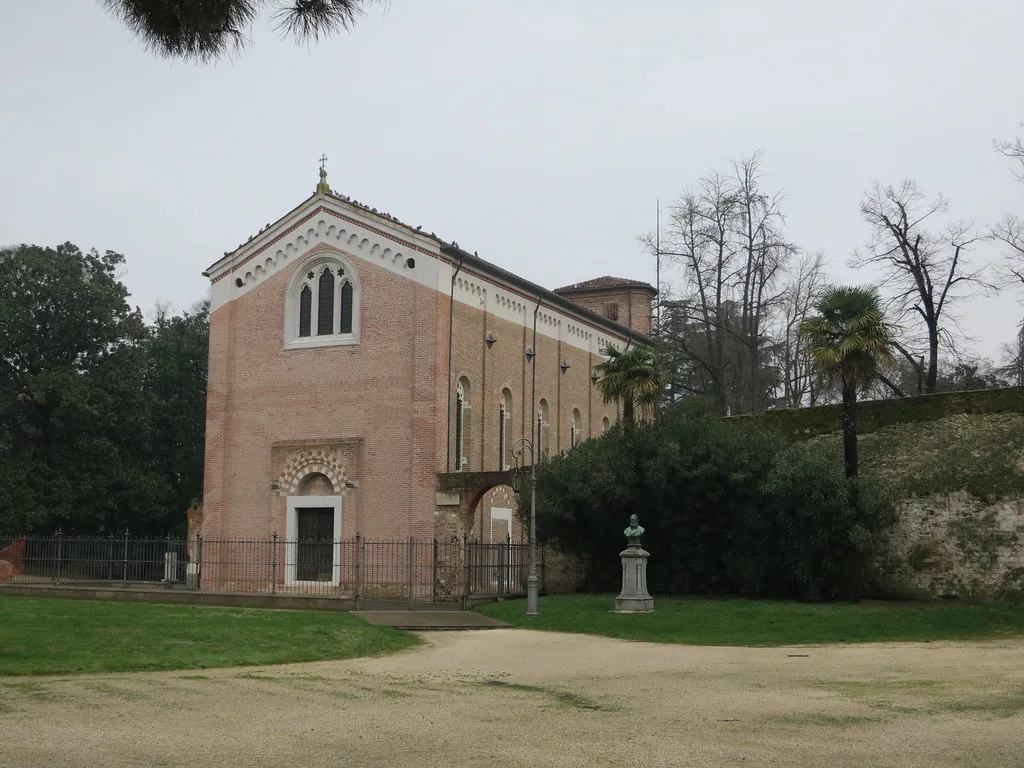
The 'Eremitani' stop is your gateway to the northern edge of the old town and the Scrovegni Chapel. It is also the closest point to the Musei Civici and the Piazza Eremitani. This area is perfect for starting a morning art tour before the midday crowds arrive.
For the heart of the city, alight at 'Ponticello' or 'Riviera Ponti Romani' to reach the famous cafes and markets. These stops place you within a five-minute walk of the University and the vibrant Piazza delle Erbe. This central zone is where you will find the best local dining and shopping options.
The 'Santo' stop is dedicated to the Basilica of Saint Anthony, a major pilgrimage site. It sits just north of the Prato della Valle, making it a double-purpose stop for sightseers. Use this location to transition from religious architecture to the open-air beauty of the botanical gardens.
Connecting with Other Public Transport
The tram is the backbone of the city, but it works in tandem with an extensive bus network. If your accommodation is further from the central rail, you may need to transfer to an orange urban bus. Your standard tram ticket covers these transfers as long as you stay within the 90-minute window.
Late-night travelers should be aware of the QuiBus service for on-demand transport after regular hours. The tram typically stops running around midnight, so nighttime plans require alternative arrangements. Taxis are also available through Serenissima Padova Taxi for direct door-to-door service.
For those heading out of the city, the tram connects directly to the main bus terminal. You can find The destinations reachable from Padova via long-distance coaches at this hub. This makes it easy to plan day trips to the surrounding Veneto countryside or neighboring cities such as Treviso, whose own Treviso public transport network connects seamlessly for onward exploration.
Alternative mobility is also growing, with many locals opting for shared electric scooters. You can find more information About Padovanet regarding rental zones and safety regulations. These scooters are excellent for the final mile of a journey when the tram stop is slightly too far from your destination.
Frequently Asked Questions
How do I get to the Scrovegni Chapel using the tram in Padua?
Take the tram to the Eremitani stop, which is located just a few minutes south of the main train station. From the platform, follow the signs toward the Musei Civici. The chapel entrance is within the museum complex and is less than a five-minute walk from the tram. Check our tram guides for more route details.
Are Padua tram tickets different from bus tickets?
No, the tickets are unified for the entire urban transport system managed by BusItalia. A single ticket works for both the tram and the orange city buses. You can transfer between them freely within the 90-minute validity period of your validated ticket.
Can I use the tram to reach Prato della Valle and the Basilica di Sant'Antonio?
Yes, the tram is the most convenient way to reach these sites. Use the Prato stop for the square and the Santo stop for the Basilica. Both stops are located on the main Line 1 and are served by trams every few minutes throughout the day.
Which Padua tram map and tickets options fit first-time visitors?
First-time visitors should consider the 24-hour ticket or the Urbs Picta Card for maximum flexibility. These options allow for unlimited rides without the hassle of buying new tickets for every short journey. Digital tickets via the DropTicket app are also highly recommended for convenience.
Mastering the Padua tram system allows you to experience the city like a local while saving precious vacation time. Whether you are visiting for the frescoes or the lively plazas, the Sirio line is your most reliable companion.
Remember to always validate your ticket and keep an eye on the schedule for the last evening departures. With a little planning, the tram makes exploring this historic Italian gem both affordable and enjoyable.
We hope this guide to the Padua tram map and tickets helps you navigate the city with confidence in 2026. Enjoy your journey through the art-filled streets of the Veneto region.
Free: The European City Transport Cheat Sheet
Airport-to-centre, the best ticket to buy, and the one local gotcha — for 5 European cities, plus the universal rules for trams, ferries, and parking.
You might also like


Continue reading
More guides you'll find useful