
New Orleans Public Transport: A Complete Guide to Getting Around
Master Orleans public transport with our guide to streetcars, buses, and ferries. Learn about the Le Pass app, Jazzy Pass fares, and airport transit tips.
 By Marco Bellini
On this page
New Orleans Public Transport Guide
Short on time? Here is the decision-first answer for 2026:
- One fare for everything: $1.25 per ride on any RTA streetcar, bus, or ferry. Pay with the Le Pass app (QR scan) or exact cash — drivers carry no change.
- Best value pass: the Jazzy Pass — $3 for 1 day, $9 for 3 days, $15 for 5 days (unlimited rides + transfers, all RTA modes). Worth it from your second ride onward.
- Airport to downtown: take the RTA 202 Airport Express ($1.25, ~45–60 min) to Elk Place / Union Passenger Terminal. A rideshare is $35–55+ but 25–30 min.
- One catch: the RTA and Jefferson Transit (JET) are separate systems — a Jazzy Pass does not work on JET's E-2 bus.
The Regional Transit Authority (RTA) runs the streetcars, buses, and the Algiers ferry as one fare network, so a reliable ride is usually a few blocks away whether you are in the French Quarter or the Garden District. The rest of this guide breaks down every route, fare, and local boarding rule in detail.
Free: The European City Transport Cheat Sheet
Airport-to-centre, the best ticket to buy, and the one local gotcha — for 5 European cities, plus the universal rules for trams, ferries, and parking.
The Iconic New Orleans Streetcar System
The streetcars are perhaps the most famous element of Orleans public transport, offering a nostalgic way to see the city. Four main lines operate daily, with the St. Charles line being the oldest continuously operating streetcar in the world. Riding these mahogany-seated cars provides a unique perspective on the historic mansions and oak-lined streets. For those heading to the cemeteries or City Park, the Canal Street line serves as a vital link.
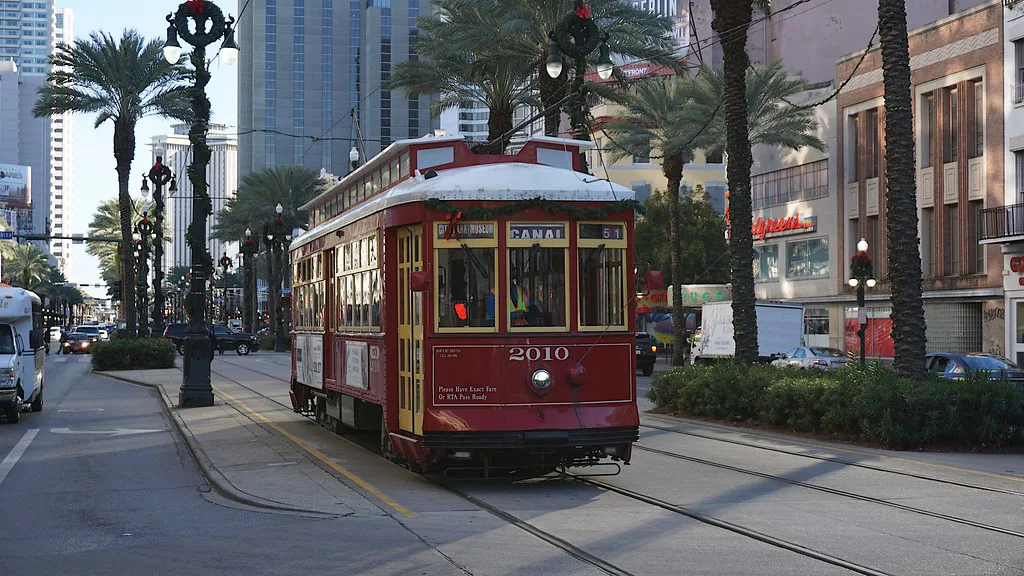
Boarding a streetcar requires either a digital pass or exact change in cash. Drivers do not provide change, so having the correct $1.25 fare ready is essential for a smooth boarding process. During peak festival seasons in 2026, expect these cars to fill up quickly near major tourist hubs. You should always board through the front doors and exit through the rear to keep the flow of passengers moving efficiently.
The Rampart-St. Claude line and the Loyola Avenue line offer additional connections to the French Quarter and the Union Passenger Terminal. These modern red cars provide air conditioning, which is a welcome relief during the humid summer months. While they lack the historic feel of the green cars, they are incredibly practical for reaching the Marigny neighborhood. Check the The New Orleans Regional Transit Authority provides Streetcar and Bus Schedules. for the most current route maps.
- St. Charles Streetcar Line
- Route: Downtown to Uptown
- Best for: Historic architecture
- Hours: 24-hour service
- Cost: $1.25 per ride
- Canal Streetcar Line
- Route: French Quarter to Mid-City
- Best for: Cemeteries and parks
- Hours: Early morning to late night
- Cost: $1.25 per ride
Navigating the RTA Bus Network
While streetcars get the most attention, the RTA bus network covers the vast majority of the city's residential and commercial zones. Over 30 routes connect neighborhoods that the rail system cannot reach, such as Gentilly and the Lower Ninth Ward. Buses are often the fastest way to travel long distances across town without multiple transfers. Many routes intersect at the Main Library or the Elk Place transit hub downtown.
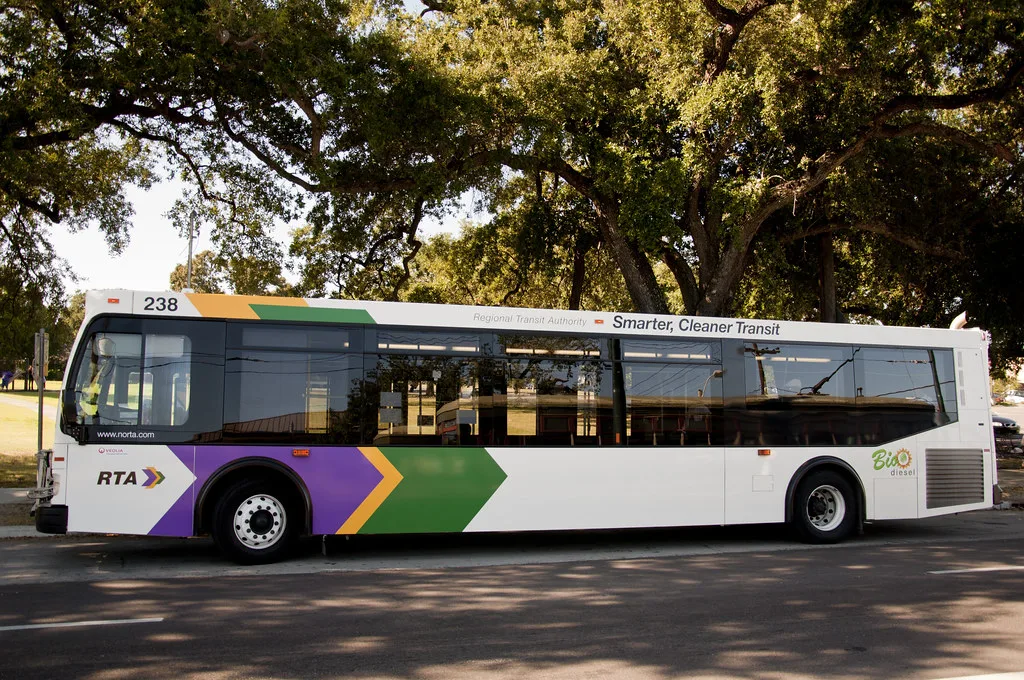
Modern buses in the city feature bike racks on the front, making it easy to combine cycling with public transit. This is particularly useful for travelers staying in Airbnbs outside the immediate downtown core. If you are planning a trip to a famous local eatery, check out these Popular Restaurant Recipes to get inspired before you ride. Most buses run on 20 to 30-minute intervals during daylight hours.
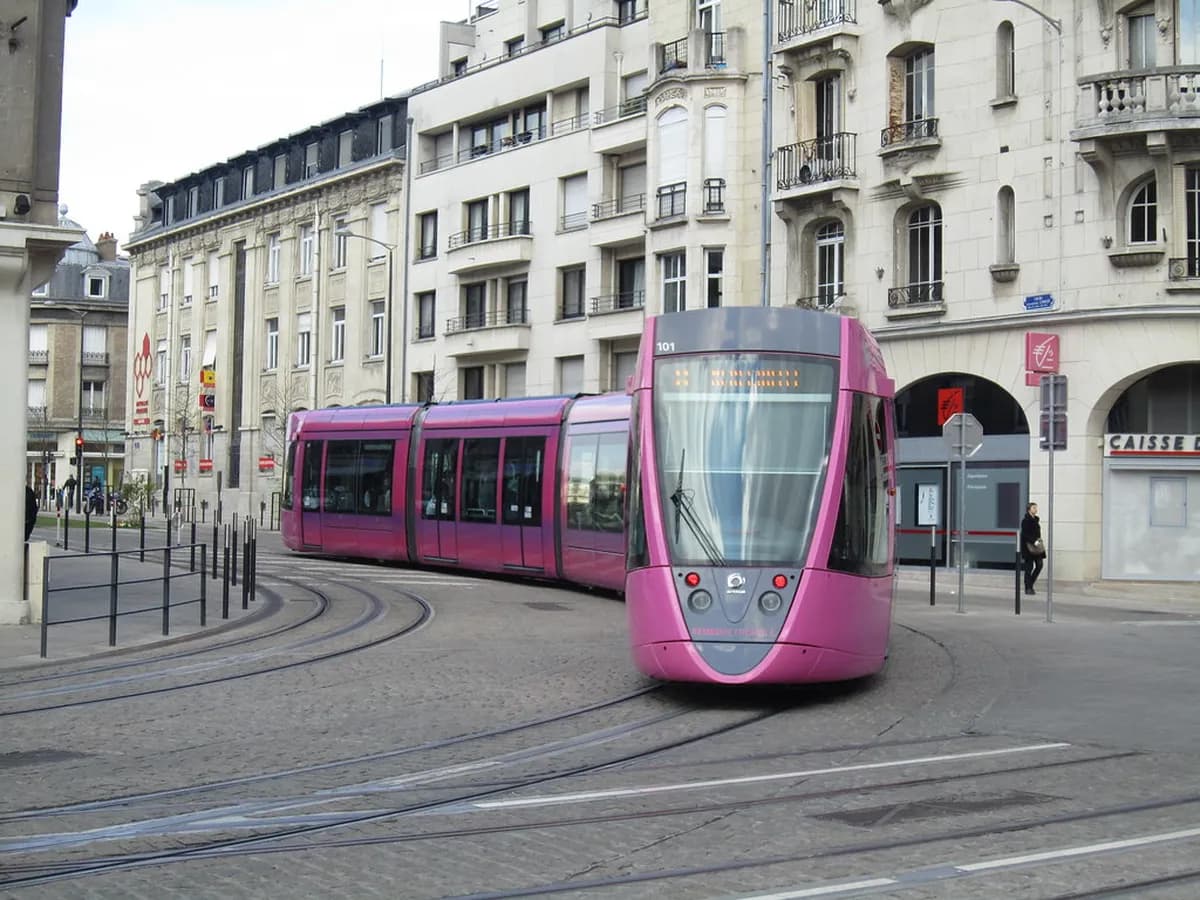
Wait times can vary significantly depending on traffic and local events. Using a mobile app to track your bus in real-time is highly recommended to avoid standing in the sun. If you have visited other French cities, you might find this system more localized than the Reims public transport network. Always look for the red and white RTA signs to locate the nearest bus stop.
Getting from MSY Airport to Downtown
Reaching the city center from Louis Armstrong New Orleans International Airport is straightforward with the 202 Airport Express. This RTA service picks up passengers at the outer curb of the Level 3 Departures area. The ride typically takes about 45 minutes to an hour depending on the time of day. It is a cost-effective alternative to expensive rideshares which can exceed fifty dollars during surge pricing.
The 202 bus drops passengers off near the Union Passenger Terminal and Elk Place. From these central points, you can easily transfer to a streetcar or a local bus to reach your hotel. If your destination is in Jefferson Parish, the JET E-2 bus might be a better choice. Be aware that these two systems require separate tickets, so plan your transfers accordingly.
For those arriving late at night, check the final departure times as service frequency drops after dark. The Airport Express is designed for travelers, so there is usually ample space for luggage. If you are used to the efficiency of Dijon public transport, you will find this express route quite reliable. Always verify the current schedule on the official RTA website before your flight lands.
To pick the right option from Louis Armstrong (MSY), weigh cost against speed. The table below compares the three most common ways to reach downtown New Orleans in 2026.
| Option | Fare (2026) | Travel time | Drops you at |
|---|---|---|---|
| RTA 202 Airport Express | $1.25 | 45–60 min | Elk Place / Union Passenger Terminal |
| JET E-2 (Jefferson Transit) | $2.00 (separate ticket) | 60–75 min | Carrollton & Tulane (transfer to RTA) |
| Rideshare (Uber/Lyft) or taxi | $35–55+ (flat ~$36 taxi for 1–2 riders) | 25–30 min | Door to door |
Fares, Passes, and Using the Le Pass App
The Le Pass app is the most convenient way to manage your Orleans public transport tickets. You can purchase single rides, day passes, or monthly Jazzy Passes directly on your smartphone. Simply scan the QR code on the mobile screen when boarding any RTA vehicle. This eliminates the need for carrying exact change or visiting a physical ticket kiosk.
A standard one-way fare costs $1.25, while a standard day pass is priced at $3.00. The Jazzy Pass is an excellent value for tourists planning to use the system multiple times in one day. These passes are valid for all RTA buses and streetcars but do not cover the Jefferson Transit (JET) lines. Purchasing a multi-day pass can save you significant money over a long weekend.
If you prefer physical media, Jazzy Passes are available at various retail locations and vending machines. Many grocery stores like Walgreens or Rouses sell these passes at their customer service desks. Remember that a pass must be activated upon its first use to be valid. For more general travel advice, visit the Hopwander blog for expert tips.
- One-Way Standard Fare
- Cost: $1.25
- Payment: Cash or App
- Transfer: Not included
- Valid: Single trip
- 1-Day Jazzy Pass
- Cost: $3.00
- Payment: Le Pass App
- Transfer: Unlimited
- Valid: 24 hours
Crossing the River: The Algiers Point Ferry
The Algiers Point Ferry offers a scenic and practical way to cross the Mississippi River. Departing from the foot of Canal Street, the ferry takes passengers to the historic Algiers Point neighborhood. This short trip provides some of the best views of the New Orleans skyline. It is a favorite for photographers and those looking for a quieter side of the city.
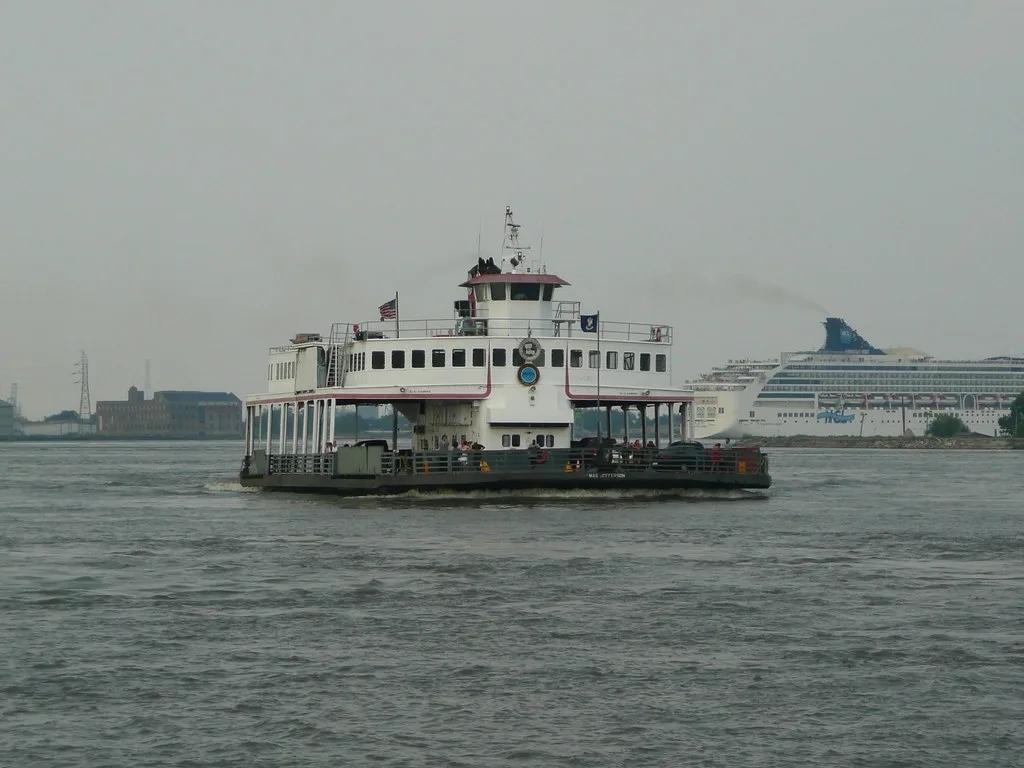
Pedestrians and cyclists can use the ferry for a small fee, which is separate from standard bus fares. As of 2026, the one-way fare for pedestrians remains very affordable for budget travelers. The ferry operates on a regular schedule, typically departing every 30 minutes. Check the terminal signage for any service interruptions caused by high river levels or fog.
Algiers Point itself is a charming area filled with colorful Victorian cottages and local pubs. It feels worlds away from the hustle of the French Quarter despite being just a few minutes across the water. If you enjoy riverfront transit, you might also like the coastal vibes of Bari public transport. Ensure you arrive at the terminal at least five minutes before the scheduled departure.
Connecting to Jefferson Parish (JET)
Travelers heading to the suburbs or specific shopping centers may need to use Jefferson Transit, known as JET. While it borders the city, JET operates as a completely independent entity from the RTA. This means your Jazzy Pass will not work on JET buses like the E-2 or the Veterans line. You must pay a separate fare when boarding these suburban routes.
Major transfer points between the two systems include the intersection of Canal Street and City Park Avenue. Understanding this boundary is crucial for avoiding confusion during your commute. The JET system is particularly useful for reaching the Lakeside Shopping Center or the airport via the E-2 bus. Always carry extra small bills if you plan to move between these two jurisdictions.
The E-2 bus provides a different route to the airport than the RTA 202, often serving more local stops in Metairie. This can be a slower option but might be closer to certain suburban hotels. If you are exploring various regions, you might find similarities with Colmar public transport in terms of regional connectivity. Clear signage usually indicates which system a bus belongs to at shared stops.
Neighborhood Transit Guide and Alternatives
The fastest way to move depends entirely on where you are headed. New Orleans is compact, so for many neighborhoods walking or a single streetcar line beats waiting for a bus. Use this quick decision guide to pick the right mode for the area you are visiting.
- French Quarter: Walk. It is flat, dense, and most blocks are quicker on foot than by transit.
- Garden District & Uptown: St. Charles streetcar — it runs the length of the district past the historic mansions.
- Mid-City, City Park & cemeteries: Canal Street streetcar (the City Park/Museum branch).
- Marigny & Bywater: Rampart–St. Claude (red) streetcar, then a short walk.
- Algiers Point: The Canal Street ferry ($2 each way for pedestrians and cyclists).
Beyond RTA, two alternatives fill the gaps. Blue Bikes is the city's bike-share — useful for the riverfront and the Lafitte Greenway, with stations across downtown. Rideshare (Uber and Lyft) is widely available and best after the streetcars wind down late at night, though prices surge during festivals like Mardi Gras and Jazz Fest. For real-time arrivals, the Le Pass app shows a live vehicle map, so you can stay in the shade until your streetcar is a stop or two away rather than waiting at an unsheltered stop in the heat.
Frequently Asked Questions
How do I pay for the streetcar in New Orleans?
You can pay for the streetcar using the Le Pass mobile app or with exact cash change of $1.25. Drivers cannot provide change, so digital payment is often the easiest method for visitors. For more info on transit guides, check our public transport guides.
Is there an app for New Orleans public transport?
Yes, the official app is called Le Pass. It allows you to buy tickets, plan your route, and see real-time vehicle locations. Using the app helps you avoid waiting at stops during the hot New Orleans afternoons.
Can I use the same pass for RTA and JET buses?
No, the RTA and Jefferson Transit (JET) are separate systems. A Jazzy Pass purchased through the RTA will not be accepted on JET buses. You must pay a separate fare for each system when transferring between them.
Mastering the Orleans public transport system allows you to experience the city like a local. Whether you are riding the historic streetcars or taking the ferry to Algiers, the options are both affordable and scenic. Always remember to download the Le Pass app for the most efficient travel experience in 2026.
By planning your routes and understanding the fare differences between RTA and JET, you can navigate the Big Easy with confidence. From the airport to the French Quarter, the city's transit network is ready to take you there. Enjoy the sights, sounds, and flavors of New Orleans while the RTA handles the driving.
Free: The European City Transport Cheat Sheet
Airport-to-centre, the best ticket to buy, and the one local gotcha — for 5 European cities, plus the universal rules for trams, ferries, and parking.
You might also like


Continue reading
More guides you'll find useful