Arles Public Transport Guide: 6 Ways to Get Around
Master Arles public transport with our guide to buses, trains, and bike rentals. Includes fares, app tips, and regional routes to the Camargue.
 By Marco Bellini
On this page
Arles Public Transport: 6 Ways to Get Around
Short answer: Arles is small enough to walk end-to-end in 20-30 minutes, so most visitors barely need transport inside the center. For everything else, the local Envia bus runs city and suburban routes at a flat €1 per ride (1-hour validity, transfers allowed). To reach the Camargue and Saintes-Maries-de-la-Mer, take Envia line A50 from Gare SNCF (~53 min, ~10 departures a day). For Nîmes, Avignon, or Marseille, use frequent SNCF TER trains (all under an hour). From the train station, the center is a flat 10-15 minute walk — you usually don't need a bus at all.
Below we break down each option — Envia buses and the MyBus app, regional trains and Rémi intercity buses, bike rentals, walking, taxis, and getting to the Camargue — with current 2026 fares and line numbers. You can also check our public transport guides for other French cities to compare your options.
Free: The European City Transport Cheat Sheet
Airport-to-centre, the best ticket to buy, and the one local gotcha — for 5 European cities, plus the universal rules for trams, ferries, and parking.
The Envia Bus Network: Local Routes and Fares
The Envia bus network operates as the primary urban transit system within the city limits and surrounding suburbs. Six main lines connect the historic center to residential areas and essential hubs like the train station. Buses typically run every 20 to 30 minutes during peak daytime hours on weekdays. Service frequency often decreases on Sundays and public holidays, so check the latest timetables before heading out.
Purchasing tickets is straightforward if you use Envia's MyBus mobile app for digital validation. The app lets you buy single trips, day passes, or 10-trip carnets directly on your smartphone to avoid carrying cash. Activate the ticket and show the screen (or scan the QR code) when you board. A single journey costs €1.00 and is valid for one hour with transfers allowed, though you cannot use it for a return on the same line.
Drivers still accept cash for single tickets, but having exact change is recommended for speed. Ten-trip carnets (€8) offer better value for visitors staying more than a couple of days. For paper tickets, passes, and route help, head to the Agence Mobilités ticket office at 24 Boulevard Clemenceau (Mon-Fri 8am-6pm, Sat 8am-12pm). Look for the 'Envia' signage to identify official sales points and information desks.
For those arriving by car, the city provides convenient Park and Ride locations on the outskirts. Parking at these lots is often free when you use the connecting shuttle bus into the center. This strategy helps you avoid the narrow, congested streets of the historic district. The 'Navia' shuttles are particularly useful for reaching the Roman monuments without the stress of parking.
- Single Journey Ticket
- Cost: €1.00
- Validity: 1 hour
- Purchase: App or Driver
- Best for: Occasional trips
- 10-Trip Carnet
- Cost: €8.00
- Savings: 20% discount
- Purchase: Envia Office
- Best for: Multi-day stays
- Daily Pass
- Cost: €2.50
- Validity: 24 hours
- Usage: Unlimited rides
- Best for: Sightseeing days
From Arles Train Station to the City Center
Gare d'Arles sits just north of the old town, and for most arrivals the simplest option is to walk. The route down Avenue Talabot and into the center is flat and well-signposted, taking about 10 to 15 minutes on foot — usually faster than waiting for a bus, especially if you only have a small bag. The Amphitheatre and Place de la République are both within this walking radius.
If you have heavy luggage or limited mobility, the Envia network connects the station to the center for the flat €1 fare; buses are timed to meet the main TER and TGV arrivals from Marseille and Paris, so waits are short. A taxi from the rank directly outside the station to a central hotel typically runs €10 to €15. Drivers arriving by car should note that the historic core has tight, partly restricted streets — use the Park and Ride lots on the edge of town and ride the shuttle in rather than circling for a space.
Here is a quick comparison for the most common Arles trips, with 2026 fares:
| Trip | Best option | Approx. time | Cost (one-way) |
|---|---|---|---|
| Train station → city center | Walk | 10-15 min | Free |
| Train station → city center (with bags) | Envia bus or taxi | 5-10 min | €1 / €10-15 |
| Arles → Nîmes or Avignon | SNCF TER train | 20-30 min | ~€6-9 |
| Arles → Marseille | SNCF TER train | ~55 min | ~€16 |
| Arles → Saintes-Maries-de-la-Mer (Camargue) | Envia line A50 | ~53 min | €1 |
| Around the historic center | Walk | — | Free |
Regional Travel: Trains and Intercity Buses
Arles is perfectly positioned for regional exploration via the extensive French rail network. The local train station, Gare d'Arles, sits just a short walk north of the city center. Frequent TER regional trains connect Arles to Nîmes, Avignon, and Marseille in under an hour. Consult SNCF Rail Information for real-time schedules and to book high-speed TGV connections.
Intercity buses provide a vital alternative for reaching destinations not served by the rail lines. The Rémi Bus Service handles many of these long-distance regional routes efficiently. Buses are generally cheaper than trains, though travel times can be longer due to traffic. Most regional buses depart from the stops located directly outside the main train station.
Planning a complex trip across the Provence-Alpes-Côte d'Azur region is easier with digital tools. The Le Pilote (Regional Transport) website offers an integrated journey planner for all modes of transport. It combines bus, train, and tram data to give you the most efficient route possible. This resource is invaluable for coordinating transfers between different transit operators in the south of France.
Travelers often use Arles as a base to visit the nearby city of Reims or the Burgundy region. While these are further away, the rail links make it possible to reach them within a few hours. Check our guides on Reims public transport or Dijon public transport for onward travel tips. Booking regional train tickets in advance can often secure lower fares during the summer season.
Cycling in Arles: Best Rental Shops and Paths
Cycling is one of the most rewarding ways to experience the flat landscapes surrounding Arles. The city sits on the Via Rhôna, a famous cycle route that follows the Rhône River to the sea. Many local shops offer high-quality hybrid and electric bikes for daily or weekly rental. Expect to pay between €15 and €25 per day for a standard touring bicycle.
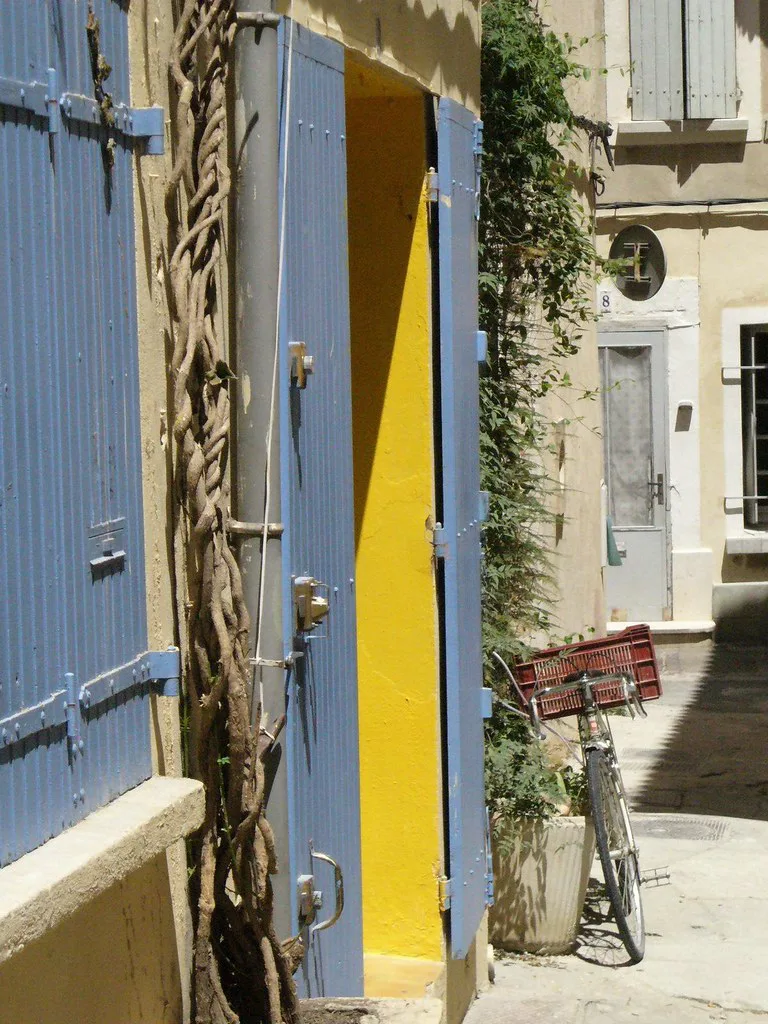
For expert advice and reliable gear, visit Provence Bike in the city center. They provide maps and suggested itineraries for exploring the nearby sunflower fields and vineyards. Electric bikes are a popular choice for those wanting to cover more ground without excessive effort. Always ensure your rental includes a lock, as bike theft can occur in busy tourist areas.
The paths leading out of Arles are generally well-marked and separated from heavy vehicle traffic. Riding south toward the Camargue offers stunning views of flamingos and wild white horses. The terrain is almost entirely flat, making it accessible for cyclists of all fitness levels. Be mindful of the Mistral wind, which can make pedaling significantly harder when blowing from the north.
- Standard Bike Rental
- Price: €15/day
- Includes: Helmet, Lock
- Terrain: Flat roads
- Best for: Local city trips
- Electric Bike Rental
- Price: €35/day
- Range: 60-80 km
- Effort: Low
- Best for: Camargue excursions
Walking Arles: Navigating the Historic Center
The historic heart of Arles is best explored on foot due to its compact nature. Most major Roman monuments are located within a fifteen-minute walk of each other. Narrow cobblestone streets often restrict car access, creating a peaceful environment for pedestrians. Comfortable walking shoes are essential for navigating the uneven surfaces of the old town.
Walking allows you to discover hidden squares and local boutiques that buses simply cannot reach. The path along the Rhône River provides a scenic route for a sunset stroll. Signage for tourists is excellent, with clear directions to the Amphitheatre and the Theater. You can easily cross the entire historic district in about twenty to thirty minutes.
Pedestrian zones are strictly enforced in the busiest areas during the summer months. This makes the city very safe for families traveling with small children. Be aware that some inclines near the Hauture district can be steep for those with mobility issues. Plan your route to include breaks at the many cafes lining the Place du Forum.
Taxis and Ride-Sharing Options
Taxis in Arles are a reliable but more expensive alternative to the Envia bus network. The main taxi stand is located directly in front of the Arles train station. You can also find drivers waiting near the Boulevard des Lices during the day. Booking in advance is highly recommended for early morning trips to the airport or station.
Ride-sharing services like Uber have a limited presence in smaller French cities like Arles. Availability can be inconsistent, especially during the late-night hours or off-season. Local taxi companies often provide their own booking apps or phone dispatch services. A typical ride within the city limits will cost between €10 and €15 depending on traffic.
For trips to the outskirts or nearby villages, agree on a price before starting the journey. Most taxis use meters, but fixed rates may apply for popular destinations like the Abbey of Montmajour. Credit cards are widely accepted, though carrying some cash is always a safe backup. If you are traveling from other regions, you might find similar setups in our guide to Bari public transport.
Transport to the Camargue: Buses and Boats
Reaching the rugged beauty of the Camargue is a highlight for many visitors to Arles. Envia line A50 (Agglo 50) runs from Gare SNCF d'Arles to Saintes-Maries-de-la-Mer (Les Massoucles), the capital of the Camargue. The journey takes roughly 53 minutes, with about ten departures a day running every day between approximately 7:50am and 6:10pm, and the standard €1 Envia fare applies. The route passes the salt pans and stops near the Musée de la Camargue, a must-visit for nature enthusiasts — always check the return times before you set off, as the last bus back to Arles leaves in the early evening.

Water-based transport offers a unique perspective on the Rhône delta and its wildlife. Companies like Croisières Camargue (Boat Transport) operate seasonal excursions from the Arles docks. These boat trips often include guided commentary on the local ecology and history. Booking online in advance is wise during the busy months of July and August.
Once you arrive in the coastal towns, cycling remains the best way to move around. You can use Le Vélo Saintois for rentals specifically in the Saintes-Maries-de-la-Mer area. This allows you to reach remote beaches and bird-watching towers far from the bus stops. Check the return bus times carefully, as the last service to Arles often departs in the early evening.
Frequently Asked Questions
How do I pay for the bus in Arles?
You can pay for the bus using the Envia mobile app for digital tickets or by purchasing a single ticket from the driver with cash. For the best value, buy a 10-trip carnet at the main bus station. More details are available in our public transport guides section.
Is there a train from Arles to the Camargue?
There is no direct train into the heart of the Camargue nature reserve. Travelers should take Envia bus line A50 from Gare SNCF d'Arles or rent a car to reach Saintes-Maries-de-la-Mer (about 53 minutes). Alternatively, a train to Aigues-Mortes is available via a transfer in Nîmes.
Where can I rent a bike in Arles?
Bike rentals are available at several shops in the city center, including Provence Bike near the train station. Many hotels also offer bicycle hire for their guests. Prices generally start at €15 per day for a standard model.
Are there Ubers in Arles?
Uber operates in Arles, but the number of available drivers is often very low compared to larger cities. It is usually more reliable to use a local taxi service or the Envia bus network. You can find taxi stands at the train station and Boulevard des Lices.
Mastering Arles public transport allows you to experience the best of Provence without the need for a rental car. The combination of the Envia bus network and regional SNCF trains covers almost every major attraction. Walking and cycling remain the most atmospheric ways to soak in the local history and natural beauty. Plan your routes ahead of time to make the most of your visit to this historic French gem.
Remember to download the local transit apps to keep schedules and tickets at your fingertips. Whether you are exploring Roman ruins or the wild Camargue, the city's transport options are surprisingly accessible. Safe travels as you navigate the charming streets and scenic landscapes of Arles in 2026. For more travel inspiration, visit the Hopwander blog for expert tips.
Free: The European City Transport Cheat Sheet
Airport-to-centre, the best ticket to buy, and the one local gotcha — for 5 European cities, plus the universal rules for trams, ferries, and parking.
You might also like


Continue reading
More guides you'll find useful