Santiago De Compostela Public Transport: 10 Essential Tips
Master Santiago de Compostela public transport with our guide to the intermodal station, airport buses, urban routes, and the best apps for real-time tracking.
 By Marco Bellini
On this page
Santiago De Compostela Public Transport: 10 Essential Tips
Short on time? Here is the 2026 decision in one line: walk the compact historic center, ride a single TUSSA urban bus for €1.00 (or €0.55 a trip with a Bonobús card), and skip the €21 airport taxi by taking Line 6A for just €1.00 cash. Everything else below is detail.
Navigating Santiago de Compostela public transport is essential for any traveler arriving in the Galician capital. The city offers a modern, integrated system that connects the historic center with the airport and regional hubs. Whether you are a pilgrim finishing the Camino or a weekend visitor, understanding these routes saves significant time and money.
Walking remains the primary way to see the cathedral, yet buses handle the longer distances with ease. The Intermodal Station unites trains and coaches under one roof, so transfers are smoother than ever. This guide gives you the tactical 2026 details — real fares, line numbers, and named car parks — to move through the city like a local.
Free: The European City Transport Cheat Sheet
Airport-to-centre, the best ticket to buy, and the one local gotcha — for 5 European cities, plus the universal rules for trams, ferries, and parking.
Understand the Intermodal Station Layout
The Santiago Intermodal Station serves as the central heart for all regional and local travel. It connects the high-speed rail lines with the extensive bus network in one streamlined facility. A striking panoramic walkway now bridges the two terminals, offering views of the city skyline while you walk.
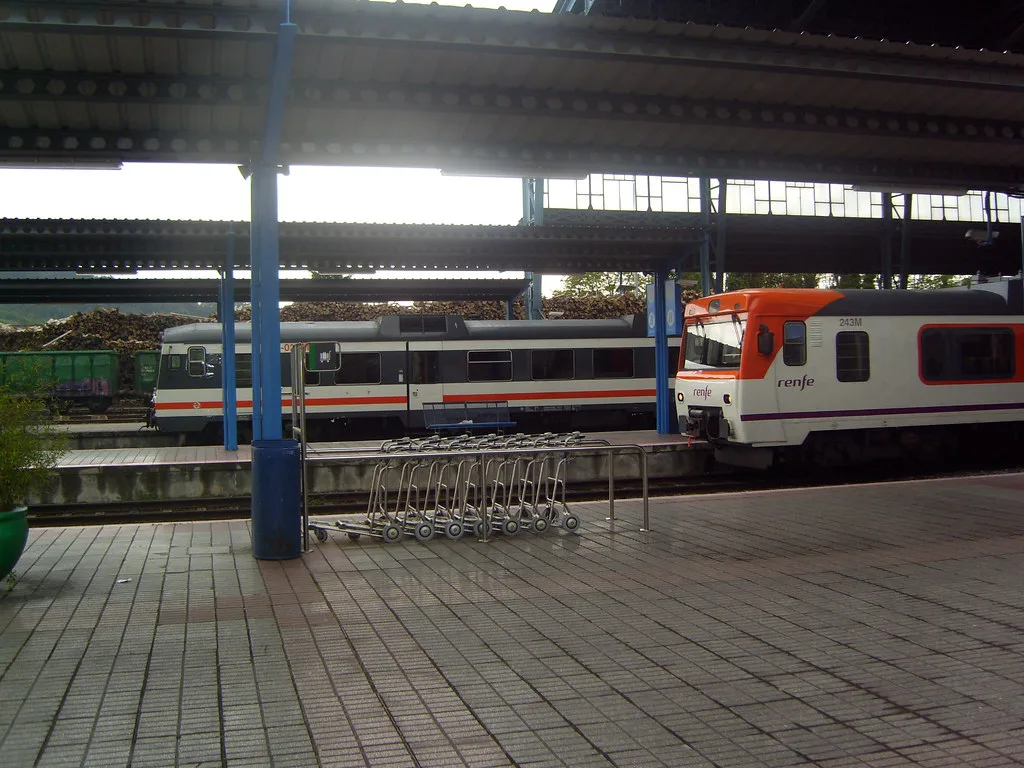
Travelers with heavy backpacks or limited mobility will find the station exceptionally easy to navigate. Large elevators and wide ramps ensure that every level remains accessible for those with gear or strollers. Check the digital boards located throughout the hall for live updates on departing trains and coaches.
You can find many public transport guides that mention this hub, but few highlight the walkway's efficiency. This elevated path allows you to move from a train platform to a bus bay in under five minutes. Staff members are usually available at the main information desk to help with specific route planning.
Master the Urban Bus Network (Tussa)
The local bus system, managed by Tussa Urban Bus Official, covers every corner of the city. Most urban lines run every 15 to 30 minutes during standard business hours on weekdays. Service typically begins around 7:00 AM and winds down by 11:00 PM for most major routes.
Line 1 and Line 5 are particularly useful for visitors staying in the newer parts of the city. These routes connect the shopping districts with the perimeter of the pedestrianized historic zone. Always enter through the front door and exit through the middle or rear doors to keep traffic flowing.
If you have traveled elsewhere, you might compare this to Zaragoza public transport in terms of reliability. The buses are clean, air-conditioned, and equipped with screens showing upcoming stop names. Keep some small change ready if you plan to buy a single ticket directly from the driver.
- Key Urban Bus Routes
- Line 1: Hospital-Cemiterio
- Line 5: Vite-Conxo
- Line C2: Circular Route
- Cost: €1.00 per trip
Use Line 6A for Efficient Airport Transfers
Reaching Rosalía de Castro Airport (SCQ) is most affordable via the dedicated Line 6A bus, operated by Tralusa. The direct shuttle links the Intermodal Station and Praza de Galicia with the terminal in roughly 17 minutes; the "via Lavacolla" variant adds a few stops and takes a little longer.

A one-way ticket costs just €1.00, paid in cash on board (no notes larger than €20) — a fraction of the roughly €21 taxi fare. The direct service runs from about 07:35 to 22:00, while the via-Lavacolla route stretches from 06:00 to 22:45, so check the boards for the next departure.
Compare the convenience of the bus against other options like Bari public transport airport links. The 6A bus features dedicated luggage racks so you do not have to hold heavy bags in your lap. Verify the latest timetable at Aena's airport bus page before an early-morning flight.
Download the Más Bus App for Real-Time Tracking
The "Más Bus" mobile application is a game-changer for navigating Santiago de Compostela public transport. It provides live tracking for every bus in the fleet, showing exactly how many minutes until the next arrival. Using this tool prevents unnecessary waiting at stops during the rainy Galician winters.
The app includes a comprehensive map that displays all nearby stops based on your current GPS location. You can also use the route planner to find the fastest way to reach specific landmarks or museums. It is available for free on both iOS and Android platforms for all visitors.
Many travelers find this app more intuitive than systems used in Reims public transport networks. The interface is simple and allows you to save your most-used lines for quicker access. Real-time data helps you decide whether to wait for a bus or simply walk to your destination.
Save Money with the Bonobus 10-Trip Card
Frequent travelers should avoid paying for individual tickets and opt for the Bonobus card instead. This 10-trip pass reduces the cost of a single journey to approximately €0.60 per ride. You can purchase and recharge these cards at many tobacco shops and authorized kiosks around the city.
The card is transferable, meaning a group of friends can share a single card by scanning it multiple times. This flexibility makes it an excellent investment for families or small groups traveling together. You must pay a small refundable deposit for the physical card when you first buy it.
Check the balance of your card on the bus scanner every time you board a new vehicle. Similar savings can be found in Dijon public transport systems if you plan ahead. Always keep the card away from magnets to ensure the chip remains functional throughout your stay.
Navigate the Pedestrianized Old Quarter on Foot
The Casco Histórico of Santiago is almost entirely pedestrianized to protect its ancient stone streets. Public buses do not enter the narrow alleys surrounding the Cathedral of Santiago de Compostela. Walking is the only way to experience the atmospheric plazas and hidden tapas bars of this zone.
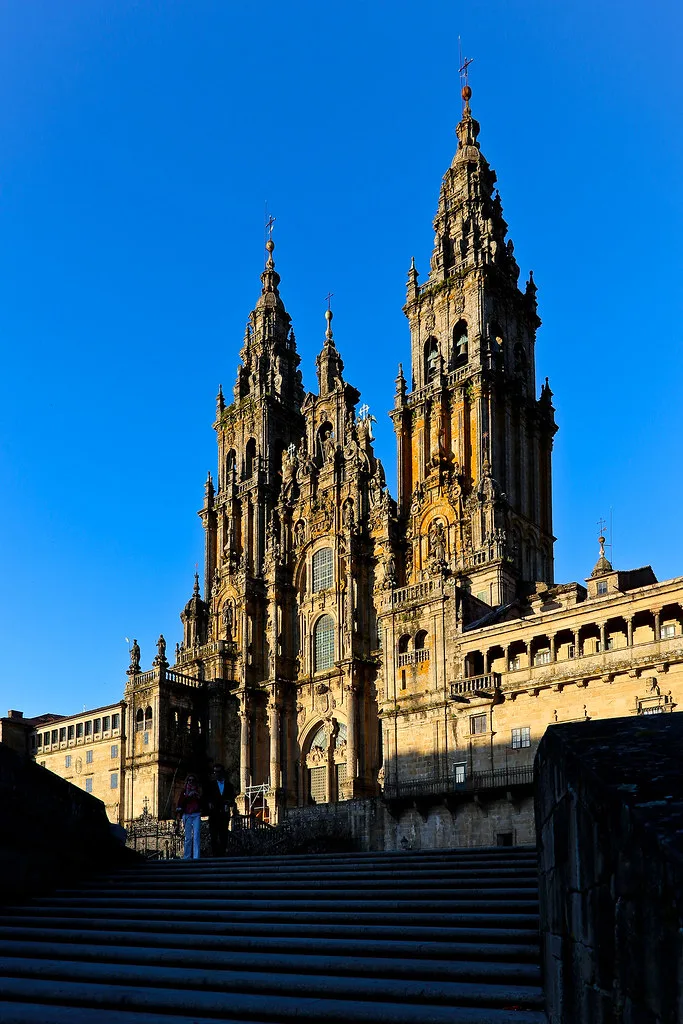
Drivers will find it nearly impossible to navigate or park within the historic granite-paved center. Most bus lines drop passengers at the edge of the old town, such as Plaza de Galicia. From these drop-off points, the main sights are usually less than a ten-minute walk away.
If you need a break from walking, consider a Tour 'n' Ride Bicycle Hire for the outskirts. Bicycles are great for exploring the green belts and parks that surround the urban core. Always secure your bike at designated racks, as the police strictly enforce parking rules in tourist areas.
Compare Bus Versus Taxi for the Airport
For most travelers the airport choice comes down to the Line 6A bus or a taxi. The bus wins on price by a wide margin, while a taxi wins on speed and door-to-door convenience with heavy gear.
Use the table below to decide quickly, especially if you are weighing an early flight against a late-night arrival when bus frequency thins out.
| Option | Cost (one way) | Time | Best for |
|---|---|---|---|
| Line 6A bus (Tralusa) | €1.00 (cash) | ~17 min direct | Budget travelers, solo pilgrims |
| Taxi (Radio Taxi Compostela) | ~€21 fixed | ~15 min | Groups, late arrivals, lots of luggage |
If the bus has stopped for the night, official taxis wait at the rank directly outside the terminal, or you can pre-book Radio Taxi Compostela (981 56 92 92), which runs 24 hours.
Park Outside the Historic Center
Driving into the granite-paved Casco Histórico is effectively impossible — the streets are pedestrianized and access is restricted. Park on the edge of the old town instead and walk the final few minutes.
The most useful paid car parks for visitors sit a short stroll from the Cathedral:
- Praza de Galicia — central underground car park, closest to the southern edge of the old town.
- Xoán XXIII (Avenida Xoán XXIII) — the main coach and car park beside the historic center, the standard drop-off for tour buses.
- Praza Roxa and Rúa de Ramón Piñeiro — handy if Praza de Galicia is full.
From any of these you reach the Praza do Obradoiro on foot in roughly ten minutes, which is far less stressful than circling the restricted core looking for a space.
Frequently Asked Questions
What is the best way to get from Santiago airport to the city center?
The most efficient way is taking the Line 6A bus, which costs €3.00 and runs every 30 minutes. It stops at the Intermodal Station and Plaza de Galicia. Taxis are faster but cost roughly €21.00. For more tips, visit our travel blog.
How much does a bus ticket cost in Santiago de Compostela?
A standard single ticket for an urban bus costs €1.00 when purchased from the driver. If you use a Bonobus 10-trip card, the price drops to about €0.60 per journey. Children under a certain age often travel for free with an adult.
Where is the main bus station in Santiago de Compostela?
The main bus station is part of the Intermodal Terminal located on Rúa do Hórreo. It is connected directly to the train station via a modern panoramic walkway. This central hub handles both local urban buses and long-distance coaches.
Can I use a credit card on Santiago buses?
Most urban buses in Santiago still prefer cash for single tickets, so carry small coins. However, you can use cards to top up your Bonobus at kiosks or use digital apps for certain regional lines. Always have a backup payment method ready.
Is there a train station in Santiago de Compostela?
Yes, the train station is located within the Intermodal Terminal and offers high-speed connections to Madrid and A Coruña. It is fully integrated with the bus network for easy transfers. The station features modern amenities including cafes and luggage lockers.
Mastering the Santiago de Compostela public transport system makes your visit to Galicia much more enjoyable. By utilizing the Intermodal Station and the 6A airport bus, you can avoid expensive taxi fares easily. Remember to download the Más Bus app to keep track of live schedules while you explore.
The city is designed for pedestrians, but the bus network provides a vital link to the wider region. Plan your trips ahead of time and consider the Bonobus card for the best possible value. Enjoy the unique blend of ancient history and modern mobility that this beautiful city offers.
Free: The European City Transport Cheat Sheet
Airport-to-centre, the best ticket to buy, and the one local gotcha — for 5 European cities, plus the universal rules for trams, ferries, and parking.
You might also like


Continue reading
More guides you'll find useful