Ajaccio Public Transport Travel Guide
Plan Ajaccio public transport with top picks, neighborhood context, timing tips, and practical booking advice for a smoother trip.
 By Marco Bellini
On this page
Ajaccio Public Transport
Short on time? Here's the decision-first version for 2026: Ajaccio's transport is run by Muvistrada, a compact, cheap network you can master in minutes — most visitors never need a rental car.
- One urban bus ticket: €1.40 (bought ahead via the Muvistrada app or at a tobacconist); the app also sells day passes and a 10-trip carnet to bring the per-ride cost down. A monthly pass is just €8.
- From the airport: take Line 8 to Ajaccio train station — €8.50 in the app (60-min ticket) or €10 from the driver; ~20 minutes; every 30–60 min. A taxi runs roughly €25–35.
- To the beaches: ride scenic Line 5 along the Route des Sanguinaires from Place Foch.
- To skip the traffic: the new Angelo urban cable car (open since October 2025) links Mezzavia, Saint-Joseph and the seafront in 12 minutes on a standard bus ticket.
- Golden rule: always validate your ticket on board — inspectors fine fare-dodgers.
The rest of this guide covers fares, bus routes, the airport shuttle, the Angelo teleporter and bus stops in detail, plus the attractions each line reaches. Whether you arrive by ferry or plane, knowing the layout saves real time and money.
Free: The European City Transport Cheat Sheet
Airport-to-centre, the best ticket to buy, and the one local gotcha — for 5 European cities, plus the universal rules for trams, ferries, and parking.
Must-See Ajaccio Attractions
Most iconic landmarks in the city sit within walking distance of major bus hubs like Place Foch. You can catch several urban lines that drop you steps away from the Maison Bonaparte museum. These central stops serve as the perfect starting point for any historical walking tour.
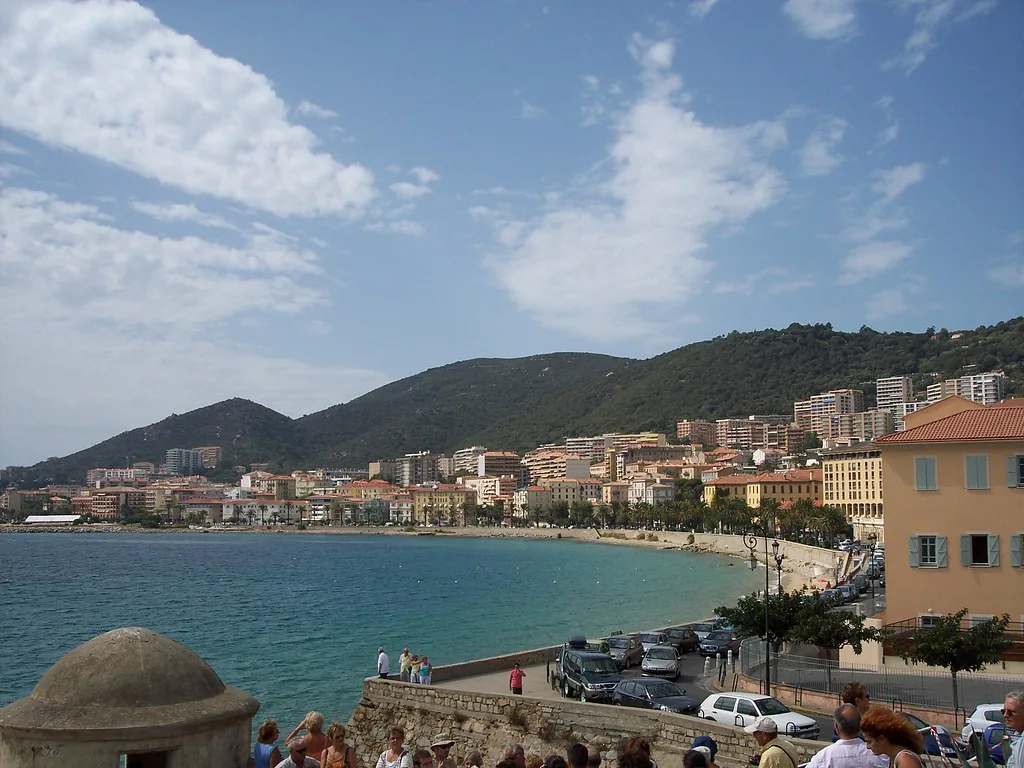
The Sanguinaires Islands are a highlight for many visitors looking for natural beauty. Bus Line 5 runs along the scenic coastal road, offering frequent departures during the summer months. Check the latest public transport guides to see how coastal frequencies change between seasons.
Place d'Austerlitz is another essential stop for those interested in the Napoleonic legend. Large monuments and open squares make this area a popular afternoon destination for families. Most buses heading west from the city center will pass through this historically significant district.
Museums, Art, and Culture in Ajaccio
The Palais Fesch remains the crown jewel of the local art scene, housing an impressive collection of Italian paintings. It is located near the harbor, making it accessible via almost any bus line serving the Rue Cardinal Fesch area. Walking from the bus stop allows you to enjoy the vibrant local street life.
Cultural enthusiasts should also look for routes serving the Citadelle, which often hosts temporary exhibitions. While the fortress itself has restricted areas, the surrounding neighborhood is rich with Corsican heritage. Many urban bus lines offer a convenient way to skip the uphill climb to these historic sites.
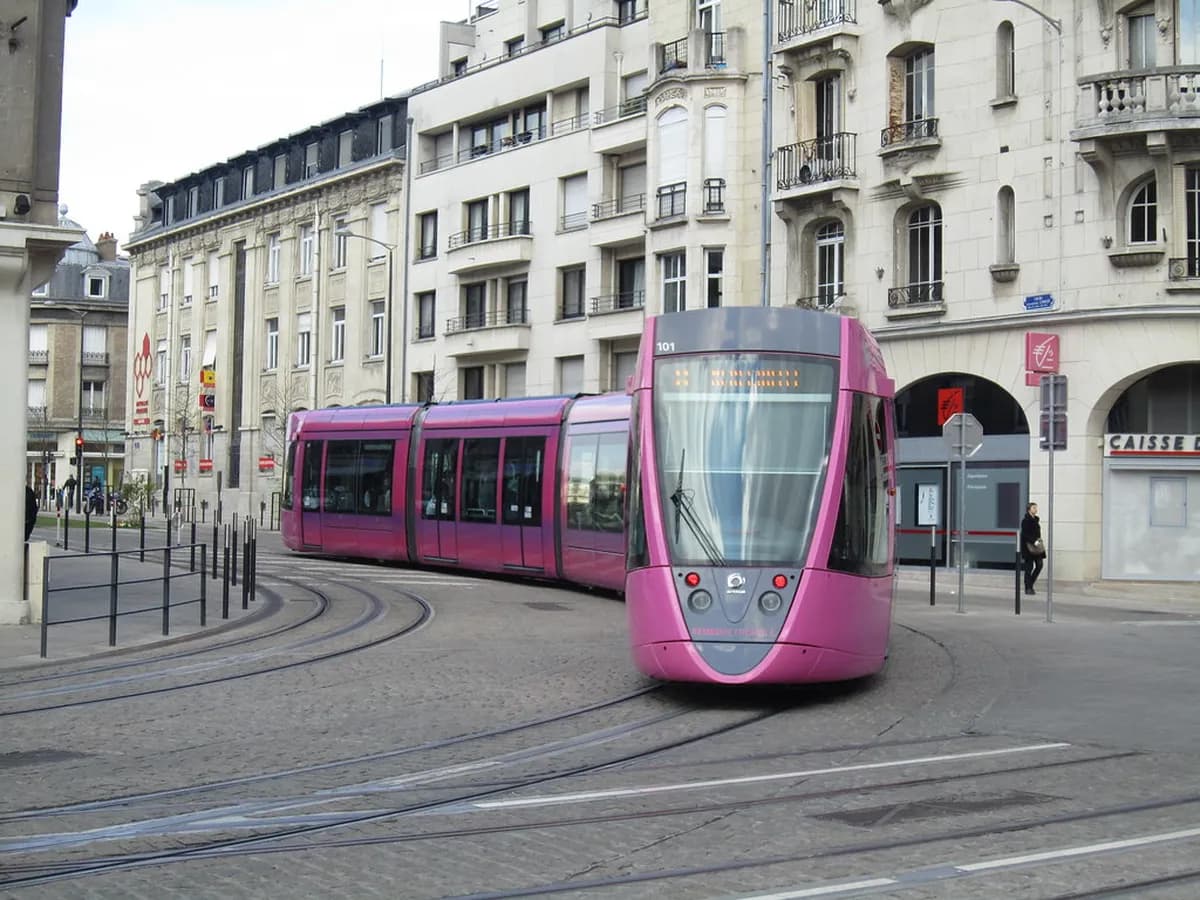
If you are coming from other French cities, you might find the layout similar to Reims public transport or other medium-sized hubs. The system is designed to funnel passengers toward the cultural core near the water. Always keep your validated ticket handy as you move between different museum districts.
Parks, Gardens, and Outdoor Spots in Ajaccio
Parc de Milelli offers a peaceful escape from the urban bustle and was once a retreat for the Bonaparte family. Reaching this green space requires taking a suburban line that climbs into the hills overlooking the bay. The cooler air and olive groves provide a refreshing change of pace for hikers.
Beach lovers should utilize the transit network to reach the sandy shores of Ricanto or Barbicaja. These spots are served by regular bus lines that run more frequently during the peak holiday season. Taking the bus avoids the high cost and stress of finding parking near the popular waterfronts.
For those planning longer outdoor excursions, the network connects to trailheads for the Sentier des Crêtes. This ridge walk offers panoramic views of the Gulf of Ajaccio and the surrounding mountains. Ensure you check the return times for the last bus to avoid a long walk back to the city center.
Family-Friendly and Budget-Friendly Options in Ajaccio
Families traveling together can benefit from multi-trip tickets that lower the cost per journey. Children under a certain age often ride for free, making the bus a highly economical choice for large groups. These savings can then be spent on local treats like Corsican gelato in the old town.
Budget travelers should look for the 'Citadina' electric shuttles that navigate the narrow streets of the city center. These small vehicles are often cheaper or even free for certain short-hop segments within the historic district. They provide a comfortable way to see the sights without exhausting your legs.
If your journey takes you further afield, compare the bus costs to other regions like Dijon public transport for a sense of value. Ajaccio remains quite affordable for a major Mediterranean tourist destination. Using the bus network allows you to visit remote beaches without the expense of a private taxi.
How to Plan a Smooth Ajaccio Attractions Day
Timing is everything when relying on Ajaccio public transport during the busy summer months. Traffic along the coastal roads can lead to minor delays, so building a buffer into your schedule is wise. Aim to travel early in the morning to beat the heat and the heaviest crowds.
Always validate your ticket immediately upon boarding any bus or shuttle to avoid heavy fines. The machines are usually located near the driver or the middle doors of the larger vehicles. If you are unsure, the local drivers are generally helpful to visitors who ask politely.
Using a digital planning tool can make your transitions between different lines much smoother. Many stops now feature electronic displays showing real-time arrivals for the next few buses. This technology helps you decide whether to wait or explore a nearby cafe for a few extra minutes.
Bus routes
The Muvistrada network operates the primary bus routes that crisscross the urban and suburban landscape. Major lines connect the residential hills with the commercial port and the administrative center. You can find a detailed map of these routes the Ajaccio bus network map (PDF) to help visualize your daily travels.
Village lines extend the reach of the network into the surrounding Corsican countryside. These routes are vital for seeing authentic island life beyond the main tourist strips. Schedules for these lines are often more limited, so checking the departure times in advance is critical for a successful trip.
Seasonal changes significantly impact the frequency of many coastal and village bus routes. Summer schedules often include extra runs to accommodate the influx of holidaymakers. During the winter, some lines may only run a few times a day, primarily serving local commuters and students.
- Line 5: Sanguinaires Route
- Type: Coastal Scenic
- Best for: Beaches
- Where: Place Foch
- Cost: Standard fare
- Line 8: Airport Connection
- Type: Express Shuttle
- Best for: Travelers
- Where: Train Station
- Cost: Premium fare
- Line 1: Mezzana Link
- Type: Suburban Rail-Bus
- Best for: Commuters
- Where: City Center
- Cost: Standard fare
Tickets, Fares, and Passes
The whole Muvistrada network — urban buses, suburban lines and the Angelo cable car — runs on one shared fare system, so a single ticket works across all of them within its time window. Buying ahead in the app is always cheaper than paying the driver, and tickets must be validated on board every time you ride.
- Single urban ticket: about €1.40, valid for one hour with free transfers between lines. Buy it in the Muvistrada app or at a tobacconist (tabac) before boarding.
- Airport ticket (Line 8): €8.50 via the app or SMS (valid 60 minutes), or €10 bought from the driver.
- 10-trip carnet: a discounted book of ten rides — the best value for a stay of a few days with regular bus use.
- Day pass: unlimited urban travel for 24 hours, ideal if you plan to hop between beaches, museums and the old town in one day.
- Monthly pass: €8 for unlimited urban travel; a multimodal monthly subscription is around €30 if you also use suburban lines and Angelo daily.
- Children: under-5s ride free; families benefit most from the day pass or carnet.
Passes and ticket books are sold at the Muvistrada agency at 75 Cours Napoléon and at participating tobacconists around the city centre. The app is the simplest option for visitors — it sells every ticket type, shows live maps, and removes the need for exact change. Whichever you choose, stamp your ticket in the on-board validator as soon as you board: inspectors check popular routes such as Line 5 and Line 8, and unvalidated tickets are treated as fare evasion.
| Ticket type | Price (2026) | Validity | Best for |
|---|---|---|---|
| Single urban ticket | €1.40 | 1 hour, free transfers | Occasional short hops |
| Airport ticket (Line 8) | €8.50 app / €10 driver | 60 minutes | Airport transfer |
| 10-trip carnet | Discounted book of 10 | Per ride | A few days of regular bus use |
| Day pass | 24-hour unlimited urban | 24 hours | Beach + museum hopping in one day |
| Monthly pass | €8 (urban) / ~€30 multimodal | 1 month | Long stays / suburban + Angelo |
Exploring Ajaccio: Making the Most of Public Transport
To truly master the local system, you should Download the Muvistrada application for Android before you arrive. This app allows you to purchase mobile tickets and view live maps directly on your phone. It eliminates the need to carry exact change for the bus driver.
Accessibility is a priority for the Muvistrada + (PMR) services, which cater to passengers with reduced mobility. Most modern buses in the fleet are equipped with low floors and ramps for easy boarding. This makes Ajaccio a relatively friendly destination for travelers using wheelchairs or strollers.
Local riders often appreciate it when tourists have their tickets ready before the bus pulls up to the stop. Small gestures like moving to the back of the bus help keep the boarding process efficient for everyone. Embracing these local experiences makes your journey feel more like a resident than a visitor.
Airport shuttles
The Airport Shuttle, known as Line 8, is the most direct way to reach the city center from Napoleon Bonaparte Airport. It runs roughly every 30 to 60 minutes, depending on the time of day and the flight schedule. The journey usually takes about 20 minutes, dropping passengers off near the main train station.
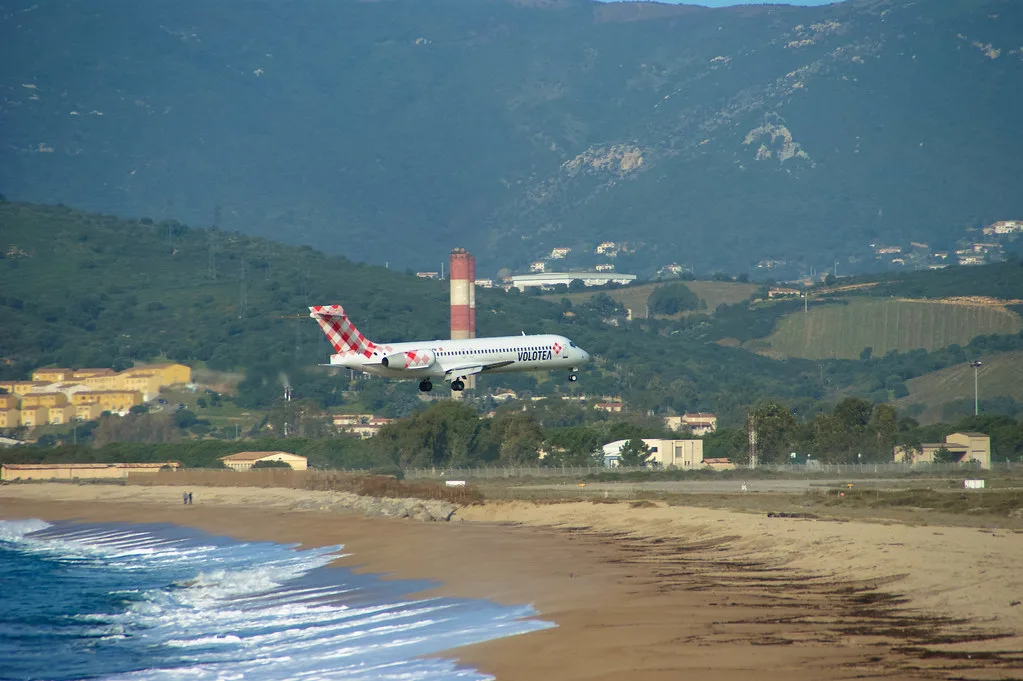
Tickets for the airport shuttle can be purchased directly from the driver or via the mobile app. This service is slightly more expensive than standard urban lines but offers more luggage space for travelers. It is a much cheaper alternative to taking a private taxi into the heart of Ajaccio.
If you arrive late at night, be aware that the shuttle service may stop running after the last scheduled flight. In these cases, you might need to rely on a taxi or a pre-booked transfer. Always verify the current evening schedule on the official Muvistrada website before you land.
Angelo, the teleporter
Angelo is the city's innovative urban cable car system that connects the Stiletto district with the waterfront. This 'teleporter' offers a unique perspective of the city as you glide over the rooftops and traffic. It serves as both a practical transport link and a minor tourist attraction in its own right.
The cable car is fully integrated into the Ajaccio public transport network, meaning standard tickets are often valid for a ride. It provides a fast alternative to the bus for those traveling between the hospital and the lower city. The cabins are spacious and offer excellent views of the surrounding mountains.
Using the teleporter is particularly useful during peak traffic hours when the main roads become congested. It operates on a continuous loop, so wait times are usually very short regardless of the time of day. It represents the city's commitment to modern, sustainable transit solutions for its growing population.
Bus stops
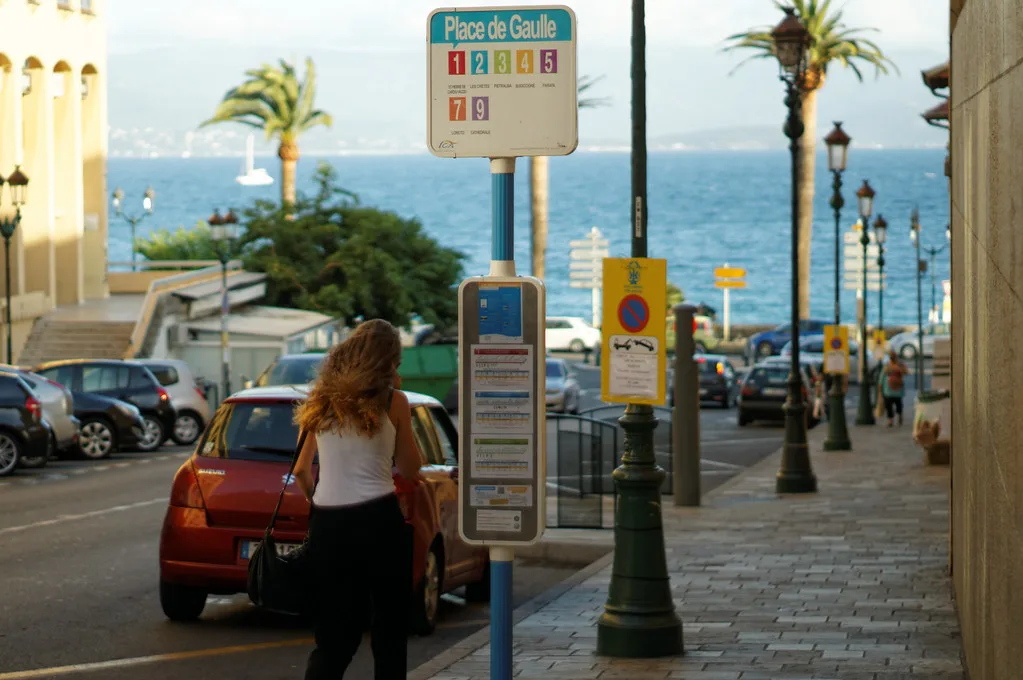
Bus stops in the city are clearly marked with the Muvistrada logo and usually display the route numbers they serve. Major hubs like the Gare Routière (bus station) offer sheltered waiting areas and detailed printed schedules. Smaller stops in residential areas might just be a simple pole with a sign.
When you see your bus approaching, it is customary to give a small wave to the driver to indicate you want to board. Without this signal, the driver might continue past the stop if no one is waiting to get off. This is a common practice in many French cities, including those with systems like Bari public transport across the water.
Safety at bus stops is generally high, but it is always wise to stay aware of your surroundings in crowded hubs. Most stops are well-lit and located in busy areas with plenty of foot traffic. If you are traveling at night, try to wait at stops that are closer to open shops or restaurants.
Frequently Asked Questions
Which Ajaccio public transport options fit first-time visitors?
First-time visitors should focus on Line 5 for coastal views and the Citadina shuttles for the old town. These routes cover the most famous landmarks and are very easy to navigate. You can find more tips on our travel blog for maximizing your first trip.
How much time should you plan for Ajaccio public transport?
Most urban trips take between 10 and 30 minutes depending on traffic. If you are heading to the Sanguinaires Islands or the airport, allow at least 45 minutes to be safe. Traffic can be unpredictable during the peak summer months in 2026.
What should travelers avoid when planning Ajaccio public transport?
Avoid traveling during the midday heat if possible, as buses can become quite crowded. Do not forget to validate your ticket, as inspectors frequently check passengers on popular routes. Also, avoid relying on village lines for tight schedules, as they run less frequently.
Is Ajaccio public transport worth including on a short itinerary?
Yes, the bus network is highly efficient for reaching the main sights in a single day. It allows you to see the Bonaparte house and the beaches without the stress of parking. The low cost makes it an ideal choice for short-term visitors.
Mastering Ajaccio public transport is the key to an affordable and authentic Corsican adventure. From the modern Angelo teleporter to the scenic coastal buses, the system offers something for every type of traveler.
By using the Muvistrada app and planning around peak times, you can navigate the city like a local. This allows you to focus on the stunning scenery and rich history that makes the capital so special.
Whether you are here for a day or a week, the transit network provides the freedom to explore at your own pace. Pack your walking shoes, grab a bus pass, and enjoy everything this Mediterranean gem has to offer.
Free: The European City Transport Cheat Sheet
Airport-to-centre, the best ticket to buy, and the one local gotcha — for 5 European cities, plus the universal rules for trams, ferries, and parking.
You might also like


Continue reading
More guides you'll find useful