Florence Public Transport Travel Guide
Plan Florence public transport with top picks, neighborhood context, timing tips, and practical booking advice for a smoother trip.
 By Marco Bellini
On this page
Florence Public Transport
Short on time? Here's the bottom line: Florence's historic center is small and walkable, so most visitors barely need transit at all. When you do, buy a single €1.70 ticket (valid 90 minutes, works on both bus and tram) and validate it the moment you board. From the airport, take the T2 tram to the center in about 20 minutes. Skip the rental car entirely — the historic center is a camera-enforced ZTL with fines of €80–€335. The quick decision guide:
- Getting around the center: Walk. Use the small C-line electric buses only if you tire or have mobility needs.
- Airport ↔ city: T2 tram, ~20 min, €1.70.
- Arriving by car: Don't drive in — park at Villa Costanza (Scandicci) and ride the T1 tram in.
- Day trips (Siena, Chianti): Regional Autolinee Toscane buses from the SMN bus station.
The rest of this guide covers fares, where to buy tickets, the tram lines, the ZTL and parking rules, and the apps worth downloading before you go.
Free: The European City Transport Cheat Sheet
Airport-to-centre, the best ticket to buy, and the one local gotcha — for 5 European cities, plus the universal rules for trams, ferries, and parking.
Must-See Florence Attractions
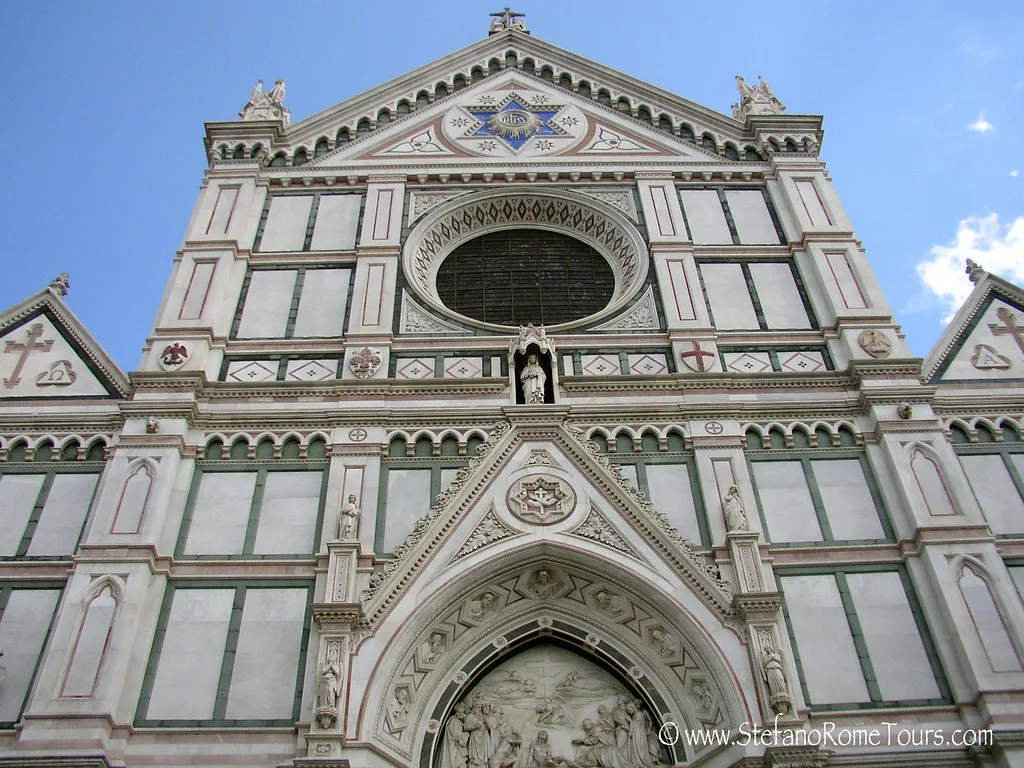
Most visitors start their journey at the iconic Florence Duomo, which is easily accessible on foot from the main station. If you are staying further out, the C4 bus line drops passengers near the Pitti Palace and Boboli Gardens. Electric buses are specifically designed to navigate the narrow streets of the historic center without disturbing the atmosphere. Check the public transport guides for similar walking-heavy cities across Europe.
The Santa Maria Novella train station serves as the central hub for all transit modes in the city. Travelers arriving by rail can quickly hop onto the T1 tram to reach the Scandicci area or residential hotels. Walking remains the fastest way to see the Uffizi Gallery and Ponte Vecchio due to restricted vehicle zones. Planning your route ahead of time helps avoid the midday heat during the peak summer months.
Florence Public Transportation
The core of Florence public transport consists of a comprehensive bus network managed by Autolinee Toscane. These buses serve both the urban center and the surrounding suburban hills like Fiesole. Standard tickets currently cost around €1.70 and remain valid for 90 minutes after the initial validation. You must stamp your ticket immediately upon boarding to avoid heavy fines from transit inspectors.
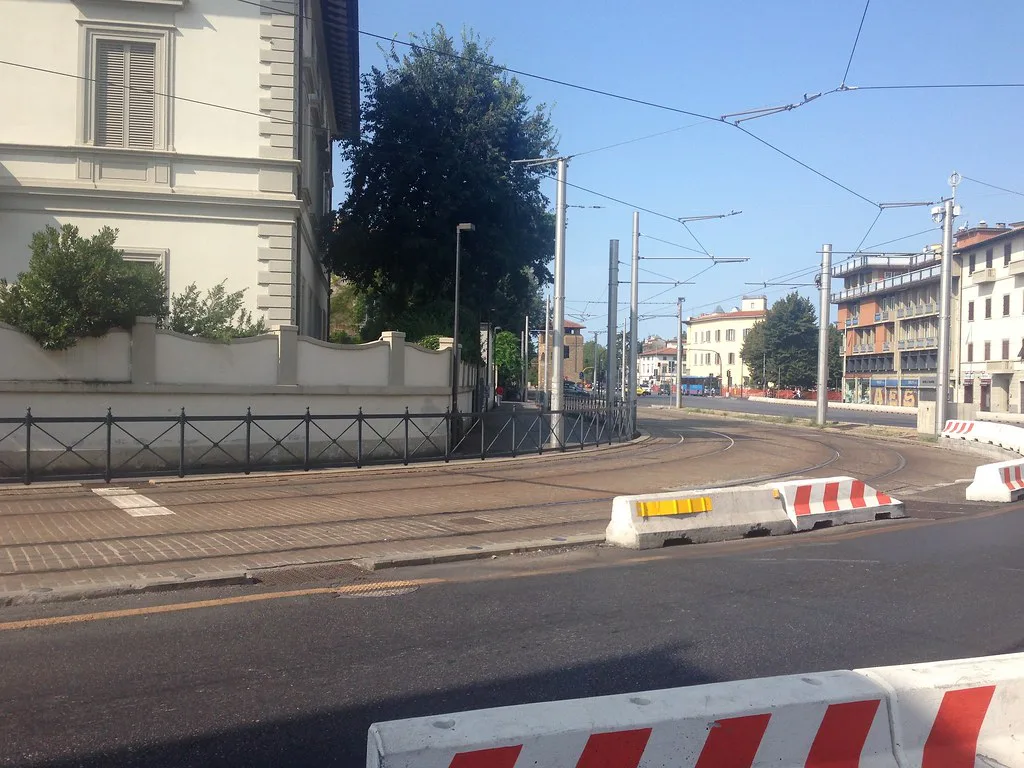
The tram (tramvia) now runs three lines and is rarely affected by the city's notorious traffic. T1 links Villa Costanza in Scandicci to Careggi hospital, passing the SMN station; T2 connects Amerigo Vespucci (Peretola) Airport to the Unità stop beside SMN in roughly 20 minutes; and the newer T3 runs the short Fortezza–Stazione Leopolda hop. Trams operate from about 5:30 AM to 12:30 AM, every 4–5 minutes at peak. Many travelers find the tram much easier than the complex web of local bus routes.
For those planning trips into the Tuscan countryside, the bus station near the train hub is essential. Regional buses depart from here to destinations like Siena, San Gimignano, and the Chianti wine region. If you'd rather drive to a nearby walled town such as Lucca, plan ahead with our guide to parking in Lucca so you can leave the car outside the centre and walk in. Buying tickets in advance is recommended for popular regional routes during the high season. Reviewing the various bus lines and schedules here will help you plan these longer excursions.
Florence Ticket Prices and Where to Buy Them
One fare covers the whole network. A single 90-minute ticket costs €1.70 and lets you change buses and trams as often as you like within that window — a bus ticket works on the tram and vice versa. If you'll ride more than a couple of times, the Carta Agile 10-trip pack costs €15.50 (effectively €1.55 a ride) and can be shared between travelers by validating once per person.
The cheapest way to get caught out is buying on board: a ticket bought from the driver costs €3.00, nearly double the standard fare. Here is how the main fare options compare:
| Ticket type | Price | Effective per ride | Validity | Best for |
|---|---|---|---|---|
| Single 90-min (advance) | €1.70 | €1.70 | 90 min, bus + tram | Occasional rides |
| On-board from driver | €3.00 | €3.00 | 90 min, bus only | Avoid — emergency only |
| Contactless Tap & Go | €1.70 | €1.70 | 90 min, per tap | No app, one card per person |
| Carta Agile 10-trip | €15.50 | €1.55 | Per validation, shareable | Groups & frequent riders |
Buy ahead instead at any of these:
- Tabacchi and newsstands displaying the blue-and-white Autolinee Toscane (AT) sticker — cash or card, €1.70.
- The official "at bus" app — buy and activate a digital ticket seconds before boarding.
- Contactless Tap & Go — tap a credit card on the on-board reader; the system charges €1.70 and the tap itself is your validation.
- Ticket machines at major tram stops and the SMN bus station.
Whichever you choose, validate immediately in the on-board machine (Tap & Go aside). Inspectors do check, and an unvalidated ticket is treated as fare evasion with a fine of around €50–€55.
Driving, the ZTL, and Park-and-Ride
The single most expensive mistake in Florence is driving into the historic center. Limited-traffic zones like this one are common across the continent, so it's worth skimming our overview of getting around Europe before you map out a wider Italian road trip. The Zona a Traffico Limitato (ZTL) rings the whole old town and is enforced by automatic cameras at every entrance. Drive in without a permit and a fine of €80–€335 arrives by post months later — rental agencies tack on their own admin fee for handing over your details.
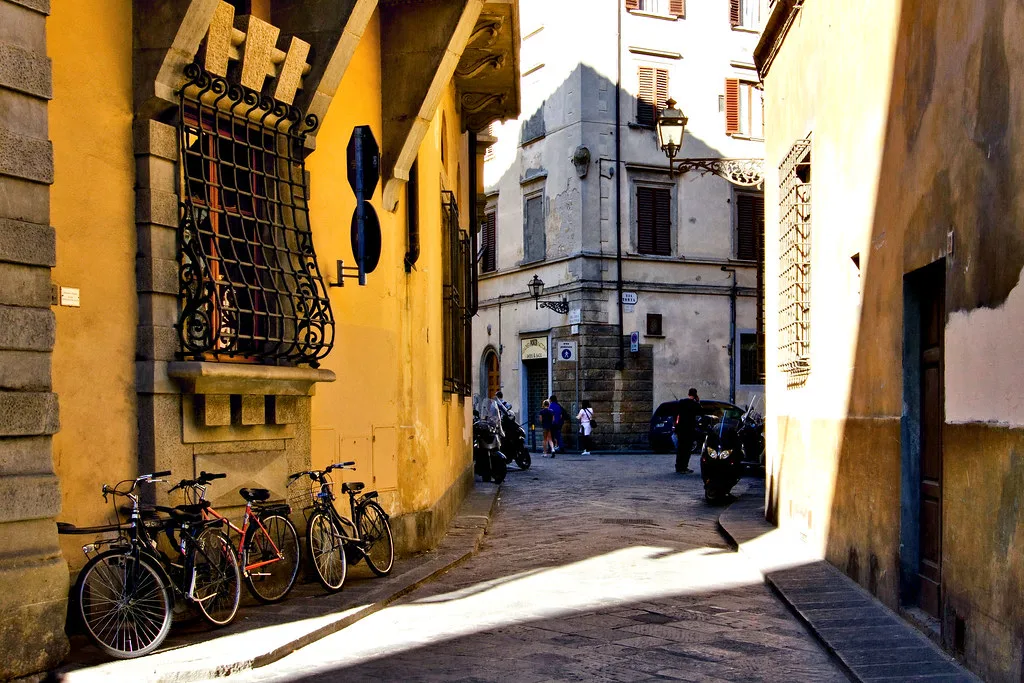
The daytime ZTL is generally active Monday–Friday 7:30 AM–8:00 PM and Saturday 7:30 AM–4:00 PM, and is suspended on Sundays and public holidays. From April to early October there is also a night-time ZTL on weekend evenings (roughly Thursday–Saturday nights), so always check current signage before entering.
The smart move if you arrive by car is to leave it outside the center:
- Villa Costanza (Scandicci): the park-and-ride at the A1 motorway exit, about €2–€7/day, sits at the T1 tram terminus — you're at SMN station in roughly 20 minutes for one €1.70 fare.
- Parterre (Piazza della Libertà): a large city-edge garage just north of the center, walkable or a short C-line bus ride to the Duomo.
- Avoid: hunting for a street space inside or near the ZTL — it's scarce, pricey, and one wrong turn past a camera is a fine.
Which are the most commonly used means of public transportation?
The small electric buses, known as 'Bussini,' are the most popular choice for tourists exploring the old town. Lines C1, C2, C3, and C4 circulate through the major squares and past the most famous museums. These vehicles are small enough to fit through medieval alleys where standard buses cannot go. They offer a great way to rest your legs while still moving between major sightseeing stops.
The tramway is the preferred method for anyone staying in the modern parts of the city or near the airport. Lines T1 and T2 run frequently, often with only a few minutes between arrivals during the day. The 'Tap & Go' system allows you to pay with a contactless credit card directly on the vehicle. This modern convenience eliminates the need to find a tobacco shop or newsstand for paper tickets.
- Electric City Buses (C-Lines)
- Type: Small electric bus
- Best for: Historic center
- Where: Major piazzas
- Cost: €1.70 per 90 min
- GEST Tramway Network
- Type: Modern light rail
- Best for: Airport transfer
- Where: SMN Station hub
- Cost: Standard city fare
Which means of transportation to avoid when getting around Florence?
Driving a rental car within the city limits is the biggest mistake a traveler can make in Florence. The Zona a Traffico Limitato (ZTL) covers the entire historic center and is strictly monitored by cameras. Unauthorizied entry results in steep fines that are often mailed to your home months after the trip. Parking is also incredibly expensive and difficult to find near any major tourist attraction.
Taxis are available but can be quite costly for very short distances due to high base fares. They cannot be hailed on the street; you must find a designated taxi rank or call for one. Walking is often faster than taking a taxi through the congested, one-way streets of the center. Save the taxi for late-night returns to your hotel or when carrying heavy luggage to the station.
Vespa and scooters are popular with locals but can be dangerous for inexperienced riders in Italian traffic. The cobblestone streets become very slippery when wet, posing a risk to those unfamiliar with the terrain. If you want to experience two wheels, consider a guided tour rather than a solo rental. Check our complete guide to what to pack for Florence to ensure you have the right gear for any transit choice.
Good Apps to get around Florence
The official 'At bus' app is the most reliable tool for purchasing digital tickets and checking live schedules. It allows you to activate your ticket just before boarding, ensuring you are always compliant with transit rules. Moovit is another excellent alternative that provides real-time data on bus delays and platform changes. Using these apps prevents the frustration of searching for a physical ticket seller on Sundays or holidays.
For bike sharing, the RideMovi app is the primary service used throughout the city of Florence. You can locate nearby bicycles on the map and unlock them with a simple QR code scan. Florence is a very bike-friendly city, provided you stay alert to the heavy pedestrian traffic in the center. Similar bike-sharing systems are also popular in cities like Bari public transport hubs.
Google Maps works well for walking directions but sometimes struggles with the specific nuances of bus diversions. Always cross-reference your route with the official Autolinee Toscane site during local strikes or festivals. Public transport strikes are usually announced in advance, so keep an eye on local news apps. Planning ahead with digital tools makes your train schedules easier to manage when leaving the city.
Hop on/Hop off bus
The Hop on/Hop off bus is a controversial choice among frequent travelers to the Tuscan capital. It offers a fixed route that includes a scenic climb up to the town of Fiesole for panoramic views. However, the large buses cannot enter the heart of the historic center where most landmarks are located. You will still end up doing a significant amount of walking to see the main sights.
This service is best for those with limited mobility who want to see the city's perimeter comfortably. The audio commentary provides historical context that you won't get on a standard city bus. Expect to pay a premium price compared to the very affordable local transit tickets. Compare this to other regional options like Catania public transport to see if the value fits your style.
Frequently Asked Questions
How do I buy tickets for Florence public transport?
You can purchase tickets at authorized tobacco shops (Tabacchi), newsstands, or through the 'At bus' mobile app. Many vehicles now support 'Tap & Go' contactless payments. For more tips on Italian transit, visit our blog.
Is there a direct tram from Florence airport to the city center?
Yes, the T2 tram line runs directly from Amerigo Vespucci Airport to the Santa Maria Novella train station. The journey takes about 20 minutes and costs the same as a standard city bus ticket.
Can I use the same ticket for both the bus and the tram?
Yes, the standard €1.70 ticket is valid for all Autolinee Toscane buses and GEST trams within the 90-minute window. You must validate your ticket the first time you board a vehicle.
Mastering Florence public transport allows you to explore the city beyond the crowded tourist corridors. Whether you choose the modern tram or the charming electric buses, the system is efficient and affordable. Remember to always validate your ticket and download the necessary apps before you start your day. Enjoy your time in this beautiful city and FOLLOW US ON PINTEREST for more travel inspiration.
Free: The European City Transport Cheat Sheet
Airport-to-centre, the best ticket to buy, and the one local gotcha — for 5 European cities, plus the universal rules for trams, ferries, and parking.
You might also like


Continue reading
More guides you'll find useful