8 Best Ways for Getting Around Lille: A Complete Transport Guide
Master Lille's transport system with our guide to the automatic metro, V'lille bikes, Pass Pass cards, and Crit'air driving rules for a seamless trip.
 By Marco Bellini
On this page
8 Best Ways for Getting Around Lille
Short on time? Here's the verdict for 2026: Lille's compact centre is best walked, and for anything further the driverless Ilévia metro is fast and cheap (a single ticket is €1.80, valid 1 hour with transfers). A car is more hassle than help — the whole metropolis is a 24/7 Low Emission Zone (Crit'air sticker required, €68 fine without one), so park at a free Park & Ride and ride the metro in.
- Best overall: Metro (Lines 1 & 2) — driverless, every 1–2 min, €1.80/trip.
- Historic centre: Walk it — Grand Place to Vieux Lille is a 5-minute stroll.
- From the airport: Flibco shuttle (€6.99, ~20 min) or bus line 68 to 4 Cantons metro.
- Cheapest day out: 1-day pass €5.50, or a 10-trip carnet €15.80 (€1.58/ride).
- Driving: Don't — use a free P+R (4 Cantons, Saint-Philibert) and switch to metro.
Below we break down all eight ways to get around Lille — metro, tram, bus, V'lille bikes, walking, driving, taxis and the Pass Pass fare system — with current fares, line names and the rules that catch visitors out.
Free: The European City Transport Cheat Sheet
Airport-to-centre, the best ticket to buy, and the one local gotcha — for 5 European cities, plus the universal rules for trams, ferries, and parking.
Key Takeaways
- A 10-trip carnet (€15.80) beats single tickets if you'll take 9+ rides.
- Always validate your Pass Pass card before every journey to avoid fines.
- Avoid driving on May 1st as the entire public transport network closes.
- Utilize P+R hubs for free parking when using a metro or tram ticket.
The Automatic Metro (Lines 1 & 2)
Lille's metro system is famous for being the first in the world to use VAL (Véhicule Automatique Léger) technology. This means the trains operate without drivers, providing high frequency and impressive punctuality for commuters. Line 1 serves the main tourist axis, while Line 2 connects the city to the northeastern suburbs.
Gare Lille Flandres serves as the central hub where both lines meet for easy transfers. Most trains run every few minutes during peak hours, ensuring you never wait long on the platform. You can find the Official Ilévia Network Map at every station entrance to plan your route.
Operating hours typically start around 5:15 AM and run until approximately 12:30 AM most nights. On Saturdays, the metro often extends its service to accommodate those enjoying the city's nightlife. If you are planning late-night adventures, check the lille-metro guide for specific last-train timings at key stations.
Security and cleanliness are high priorities throughout the underground network for a comfortable journey. Elevators and escalators are available at most major stops to assist travelers with heavy luggage. Keep your ticket handy at all times, as you must scan it to both enter and exit the station gates.
The Tramway (Lines R & T)
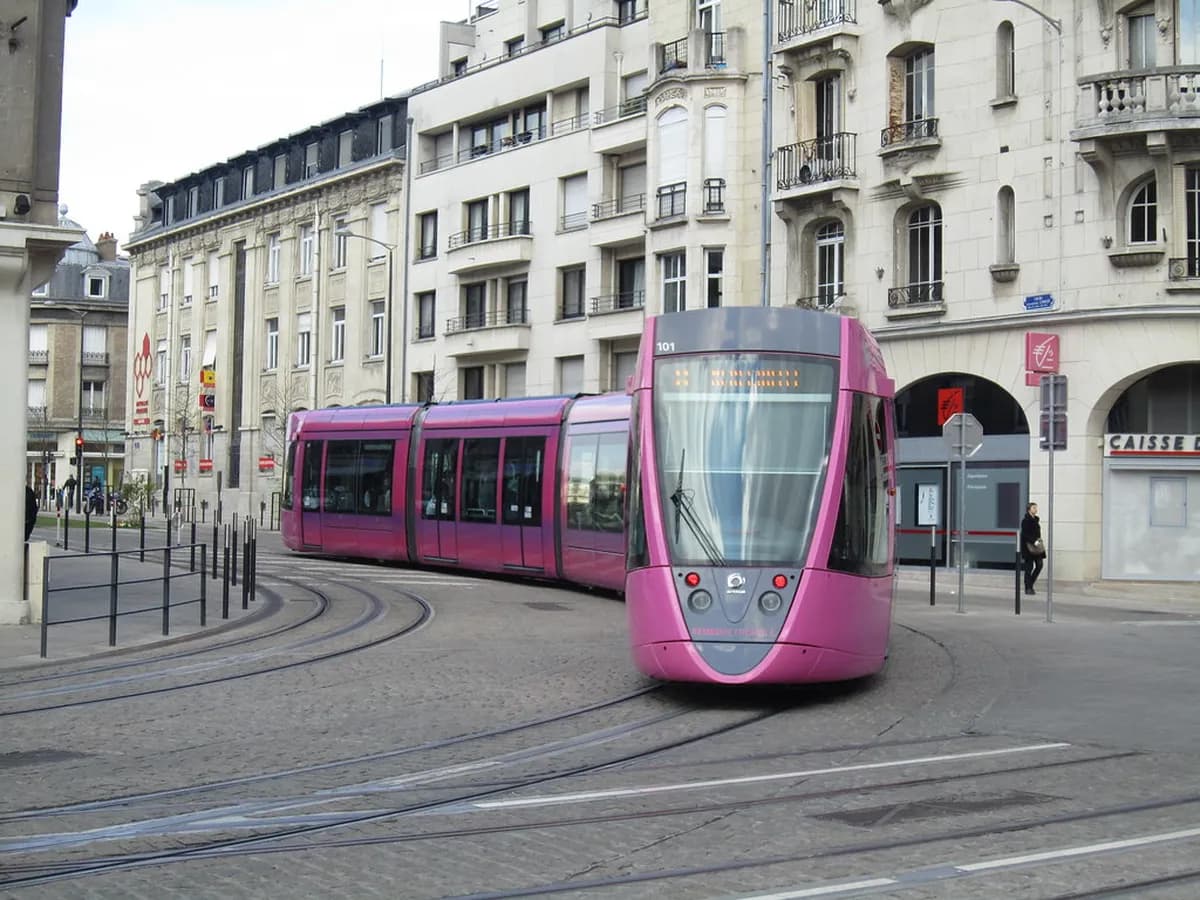
The tramway offers a more scenic way of getting around Lille compared to the underground metro. Two lines, known as the 'Mongy,' depart from Gare Lille Flandres and travel along the elegant Grand Boulevard. These routes are perfect for visitors who want to see the architecture of the surrounding neighborhoods.
Line R heads toward Roubaix, while Line T takes passengers toward the historic center of Tourcoing. Both lines share the same tracks until they reach the Croisé-Laroche station in Marcq-en-Baroeul. This branch point is a common spot for travelers to double-check their final destination.
Trams usually run every 10 to 15 minutes, providing a reliable alternative to the bus network. The modern cars feature large windows and low floors for easy boarding with strollers or wheelchairs. Using the tram is often faster than driving during the afternoon rush hour on the main boulevards.
Tickets for the tram are the same as those used for the metro and bus systems. Ensure you validate your Pass Pass card at the yellow machines located on the platform before boarding. Failure to validate can result in a fine if an inspector boards the vehicle during your trip.
The Ilévia Bus Network
The bus system fills the gaps where the metro and tram lines do not reach. High-frequency lines, called 'Lianes,' provide service every 10 minutes or less during the busiest parts of the day. These primary routes are easily identifiable by their specific branding and frequent stop intervals.
Standard bus lines reach deep into residential areas and nearby towns like Lambersart and Loos. If you are staying in a vacation rental outside the city center, the bus will likely be your primary connection. Many routes converge at the two main train stations, making transfers to the metro seamless.
Night buses, known as the 'Ligne de Nuit,' operate on specific routes after the metro closes for the evening. These are particularly useful for students and late-night workers traveling between the center and university campuses. Always check the digital displays at stops for real-time arrival information and potential delays.
Traveling by bus allows you to see more of the local life in the Hauts-de-France region. It is often the most cost-effective way to reach specific museums or parks located on the outskirts. For broader advice on transit across the continent, you might find our guide on getting-around-europe helpful for your itinerary.
Biking with the V’lille Rental System
Lille is a bike-friendly city with a robust rental system known as V'lille. You can find over 2,000 bicycles distributed across hundreds of stations throughout the metropolitan area. Rent your own bike with V'lille to enjoy the freedom of exploring at your own pace.
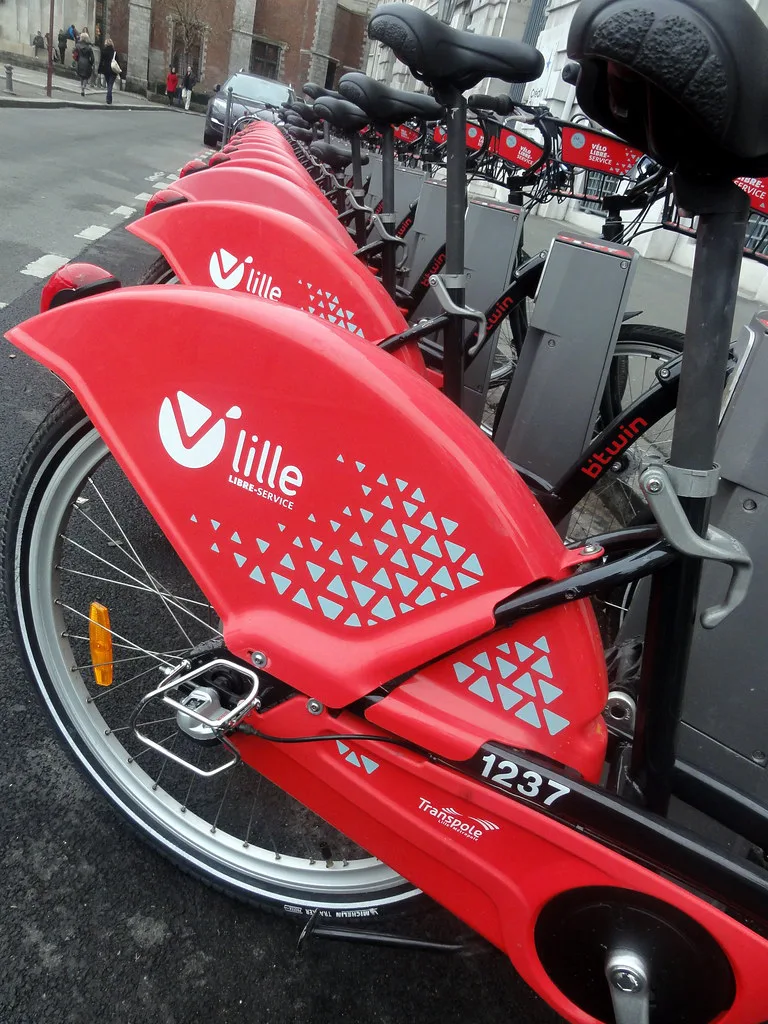
The system is available 24/7, making it a reliable backup when public transport hours are limited. Users can choose between short-term access for a day or a full week depending on their needs. Simply use a credit card at the station kiosk or the mobile app to release a bike.
Cycling paths are increasingly common in Lille, especially near the Citadelle and along the Deûle canal. Many streets in the center have dedicated lanes or shared spaces where cyclists have priority. Remember that wearing a helmet is highly recommended, though not legally required for adults in France.
Returning the bike is easy as long as you find an empty dock at any V'lille station. A green light confirms that the bike is securely locked and your rental session has ended. If a station is full, the kiosk can grant you extra free time to find the nearest available spot.
Walking through Lille’s Pedestrian Zones
Walking remains one of the most rewarding ways to get around Lille's historic core. The city center is compact, allowing you to reach most major landmarks within a 15-minute stroll. Pedestrian-only zones around the Grand Place make for a safe and pleasant environment for tourists.
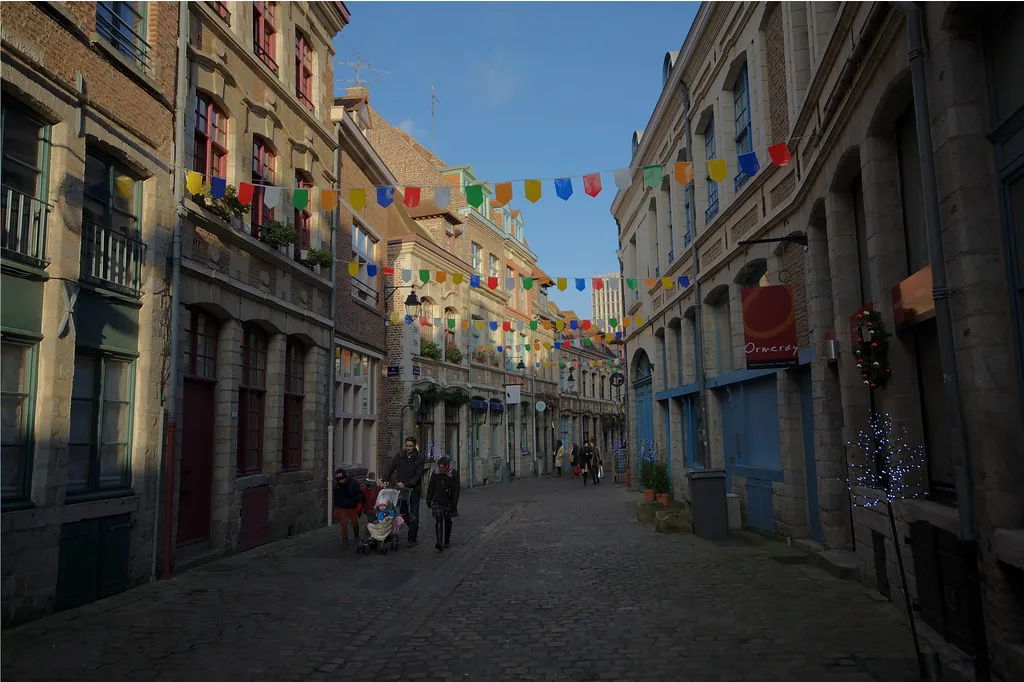
Vieux Lille is particularly famous for its narrow, cobblestone streets and charming boutiques. While beautiful, these surfaces can be uneven, so comfortable walking shoes are a necessity for a full day of sightseeing. Exploring on foot allows you to discover hidden courtyards that vehicles simply cannot access.
Signage for pedestrians is excellent, with clear pointers toward Gare Lille Europe and the Palais des Beaux-Arts. Many locals prefer walking between the two main train stations rather than taking the metro for one stop. This short walk takes about ten minutes and passes through the Euralille shopping complex.
Walking is also the best way to enjoy the local food scene and vibrant market atmosphere. On Sundays, the Wazemmes market area becomes a bustling pedestrian hub filled with stalls and street performers. You can truly soak in the city's unique Flemish-French atmosphere by taking it slow on the sidewalk.
Driving, Parking, and Crit’air Requirements
Driving in the city center can be challenging due to narrow streets and complex one-way systems. However, car rentals in Lille are useful if you plan to explore the surrounding countryside or nearby Belgian border towns. You can Search for car rentals in Lille with Uber to find the best vehicle for your needs.
A critical rule for drivers is the metropolitan Low Emission Zone (ZFE), which has covered 95 municipalities across the Lille metropolis since 2025. It is active 24 hours a day, 7 days a week, and every vehicle — including foreign-registered cars — must display a valid Crit'air sticker to circulate. The oldest vehicles (registered before 1 January 1997, which can't get a Crit'air class) are banned outright, and driving without a sticker risks a €68 fine for cars. The main motorways crossing the area — the A1, A22, A25, N227 and D652 — are exempt, so you can transit through without one.
Parking in the center is often expensive and difficult to find during peak shopping hours. We recommend using the lille-parking facilities located on the city fringes for a better experience. These Park & Ride (P+R) hubs offer free parking if you hold a valid Ilévia transport ticket.
Major P+R hubs like '4 Cantons' or 'Saint-Philibert' provide direct and fast metro connections to the center. This strategy avoids the stress of navigating urban traffic while saving on high hourly parking fees. Always check for height restrictions if you are driving a larger van or an SUV.
- 4 Cantons P+R Hub
- Location: Villeneuve d’Ascq
- Connection: Metro Line 1
- Capacity: 2000+ spaces
- Cost: Free with transit ticket
- Saint-Philibert P+R Hub
- Location: Lomme
- Connection: Metro Line 2
- Capacity: 350+ spaces
- Cost: Free with transit ticket
- Champ de Mars Parking
- Location: Near Citadelle
- Connection: Shuttle bus
- Capacity: Large open lot
- Cost: Paid hourly/daily
Taxis and Ridesharing (Uber)
For direct door-to-door service, Lille taxis and other ride options are readily available throughout the day. You can find official taxi ranks outside both Gare Lille Flandres and Gare Lille Europe. These are ideal for quick transfers to hotels when you are carrying heavy luggage.
Rideshare services provide a convenient and often more transparent pricing model for international visitors. You can Request a ride in Lille now through the app to see your fare upfront. This is particularly helpful when traveling with large groups and family on Uber.
If you have a tight schedule, it is wise to Reserve a ride in advance for airport transfers. Lesquin Airport is located about 15 minutes from the center, and pre-booking ensures a driver is waiting. This peace of mind is valuable during early morning departures or late-night arrivals.
While ridesharing is popular, traditional taxis remain a staple for many local residents. Taxis in Lille are metered, so ensure the driver starts the device at the beginning of your journey. Most drivers now accept credit cards, but it is always polite to ask before the trip starts.
Getting To and From Lille-Lesquin Airport
Lille-Lesquin Airport (LIL) sits about 10 km southeast of the centre, and most visitors reach it by the dedicated Flibco shuttle bus. It departs from Place des Buisses, right beside Gare Lille Flandres, and reaches the terminal in around 20 minutes in normal traffic. A one-way ticket is €6.99 booked online or in the Flibco app (€9.00 if you buy from the driver), and a return is €12.99.
For a flat €1.80 Ilévia fare, take bus line 68 instead. It links the airport to the 4 Cantons – Stade Pierre Mauroy stop on Metro Line 1 in about 15 minutes, running roughly every 20–60 minutes from 05:30. From 4 Cantons you transfer to the metro on the same ticket, making this the cheapest route into town.
One important 2026 caveat: ongoing A1 motorway roadworks can stretch the airport run to 30–75 minutes at peak times, so allow a generous buffer for an early flight. A taxi or pre-booked Uber covers the same trip door-to-door in roughly 15–25 minutes when traffic is light.
Good to know: If you land late, the Flibco shuttle and bus 68 both stop running in the evening — confirm the last departure for your flight, or budget for a taxi from the rank outside arrivals.
Tickets and Fares: The Pass Pass System
Lille's public transport subscription system is easy to use once you understand the Pass Pass card. This smart card can be loaded with various ticket types, including single trips, day passes, or monthly subscriptions. You can purchase these cards at automated kiosks or manned service windows in major stations.
Occasional visitors should opt for the non-personalized Pass Pass card (a one-time €2 fee) or a contactless rechargeable ticket (€0.20 for the first one). You then reload it as many times as you like, which is cheaper and greener than buying a fresh paper slip for every journey. You can also buy and store tickets on your phone via the Ilévia and Pass Pass Easy Card apps.
Good to know: Validate your Pass Pass card at the yellow machine before every single boarding — including each transfer — not just once per day. The metro gates scan automatically, but on trams and buses an unvalidated card counts as fare evasion, and an inspector can fine you on the spot even if the ride is "free" within your transfer window.
For a day of heavy sightseeing, the 1-day pass at €5.50 gives unlimited travel and pays for itself in just three rides. If you'll only make a few trips, a 10-trip carnet costs €15.80 (€1.58 per ride versus €1.80 single). The older short-duration evening pass has been discontinued, so the day pass and carnet are now the two best-value options for visitors.
| Ticket type | Price (2026) | Validity | Best for |
|---|---|---|---|
| Single trip | €1.80 | 1 hour, transfers allowed | One or two journeys |
| ZAP short hop | €1.20 | Short metro/tram hop, no transfer | One-stop rides |
| 10-trip carnet | €15.80 (€1.58/ride) | Per ride, no expiry | Multi-day stays, 9+ rides |
| 1-day pass | €5.50 | Unlimited, full calendar day | Heavy sightseeing days |
Be aware that the entire Ilévia network closes completely on May 1st for Labor Day. No buses, trams, or metro trains run on this day, so plan for walking or taxis instead. For more travel inspiration and tips, visit the hopwander.com/blog for updated seasonal advice.
- Single Trip Ticket
- Validity: 1 hour
- Transfers: Allowed
- Cost: €1.80
- Format: Rechargeable
- 1-Day Pass
- Validity: Full day
- Transfers: Unlimited
- Cost: €5.50
- Best for: Tourists
- 10-Trip Carnet
- Validity: Per ride, no expiry
- Transfers: Allowed per ride
- Cost: €15.80 (€1.58/ride)
- Best for: Multi-day stays
- ZAP Short Trip Ticket
- Validity: Short metro/tram hop
- Transfers: None
- Cost: €1.20
- Best for: Quick hops
Frequently Asked Questions
What is the best way to get around Lille?
The best way to get around Lille is using the automatic metro for speed or walking for the historic center. The metro connects major hubs like Gare Lille Flandres efficiently. For more details on the lines, see our lille-metro guide. Biking with V'lille is also a top choice for locals.
How do I use the V'lille bike system?
You can use the V'lille system by subscribing at any station kiosk with a credit card. Choose a 1-day or 7-day access plan to unlock a bike. The first 30 minutes of each ride are usually free. Return the bike to any station with an available dock to finish.
Do I need a Crit'air sticker for Lille?
Yes, you need a Crit'air sticker to drive within the Lille Low Emission Zone (ZFE) during certain periods. This applies to all vehicles, including those from other countries. You should order the sticker online in advance. Driving without one during a restricted period can lead to a fine.
Is Lille a walkable city?
Lille is highly walkable, especially within the Vieux Lille and city center districts. Most major attractions are located within a short distance of each other. The pedestrianized streets around the Grand Place make walking safe and enjoyable. It is often faster than taking a bus for short distances.
How much does a metro ticket cost in Lille?
A single metro ticket costs €1.80 and is valid for one hour of travel with transfers. A reusable Pass Pass card carries a one-time €2 fee, and a 1-day unlimited pass is €5.50. For multi-day stays, a 10-trip carnet at €15.80 works out to €1.58 per ride. Check the latest rates at station kiosks.
Mastering the various ways of getting around Lille will significantly enhance your visit to this French gem. Whether you rely on the futuristic metro or prefer the breeze on a V'lille bike, the city is built for easy movement. Remember to grab a Pass Pass card early to save on fares and avoid ticket lines.
Planning for specific regulations like the Crit'air sticker is essential for those choosing to drive. By using Park & Ride facilities, you can enjoy the convenience of a car without the stress of city traffic. These smart choices allow you to focus more on the culture and cuisine of the region.
Lille continues to innovate its transit options to remain accessible and sustainable for everyone. Keep this guide handy as you explore the diverse neighborhoods from the center to the outskirts. Enjoy your journey through one of the most connected cities in northern France.
Explore Every Guide
All 2 guides in this collection, kept current for 2026.
- Lille metro map and how to use it
- Lille parking
Free: The European City Transport Cheat Sheet
Airport-to-centre, the best ticket to buy, and the one local gotcha — for 5 European cities, plus the universal rules for trams, ferries, and parking.
You might also like


Continue reading
More guides you'll find useful