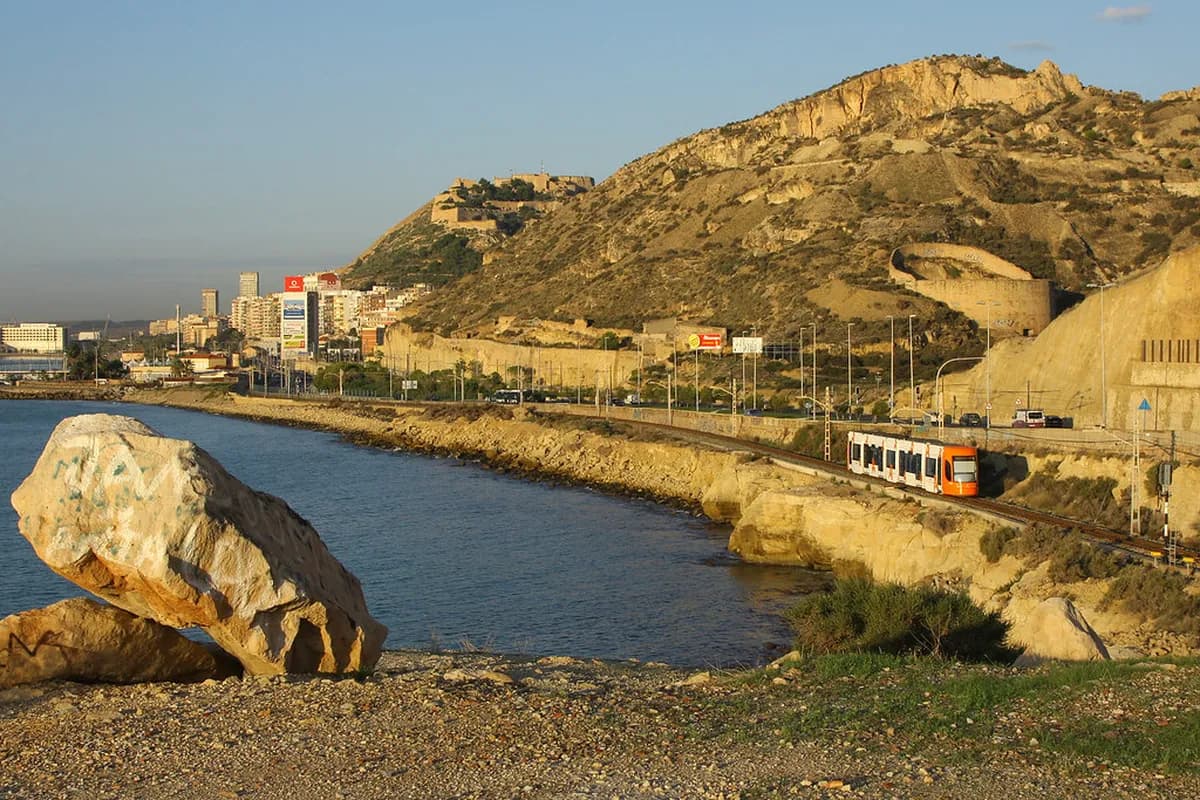
Alicante Tram Routes And Tickets Travel Guide
Plan alicante tram routes and tickets with top picks, neighborhood context, timing tips, and practical booking advice for a smoother trip.
 By Marco Bellini
On this page
Alicante Tram Routes And Tickets
Quick answer (2026): The Alicante TRAM runs six lines (L1–L5 plus the L9 Benidorm–Dénia link), all converging underground at Luceros, Mercado and MARQ-Castillo in the city center. Fares are zone-based: a single ride within one zone (e.g. Alicante to San Juan Beach) is €1.45, two zones €2.80, three zones €3.90. For more than a couple of trips, buy a rechargeable Móbilis card (€2.00 for the card) and load a 10-trip Bono (€5.25) — it cuts the per-ride cost and lets you transfer free within 60 minutes. There is no direct tram to the airport; use the C6 bus from Luceros instead. Validate every ride or risk a fine up to €100.
Navigating the stunning Costa Blanca becomes effortless when you master the Alicante tram routes and tickets system. This modern network connects the bustling city center to scenic coastal towns and historic landmarks. Whether you are heading to the beach or a hilltop castle, the tram offers a reliable and scenic alternative to driving.
Understanding the different zones and fare structures is essential for a stress-free journey across the province. Many travelers find the system surprisingly affordable, especially when compared to taxi fares or car rentals. This guide breaks down everything from the central Luceros station to the far reaches of Denia.
Planning your route in advance helps you maximize your time under the Mediterranean sun. You can easily combine city sightseeing with a relaxing afternoon at San Juan Beach using a single ticket. Let's explore how to use this efficient tram network to enhance your Spanish holiday.
Free: The European City Transport Cheat Sheet
Airport-to-centre, the best ticket to buy, and the one local gotcha — for 5 European cities, plus the universal rules for trams, ferries, and parking.
Tram Lines and Routes at a Glance
The TRAM d'Alacant runs six numbered lines, each shown by a distinct color on station maps and the front of every train. Lines L1 through L4 share the same central underground spine — Luceros, Mercado and MARQ-Castillo — so you can switch between them without leaving the platform. Knowing which line goes where saves you from boarding in the wrong direction at the busy Luceros hub.
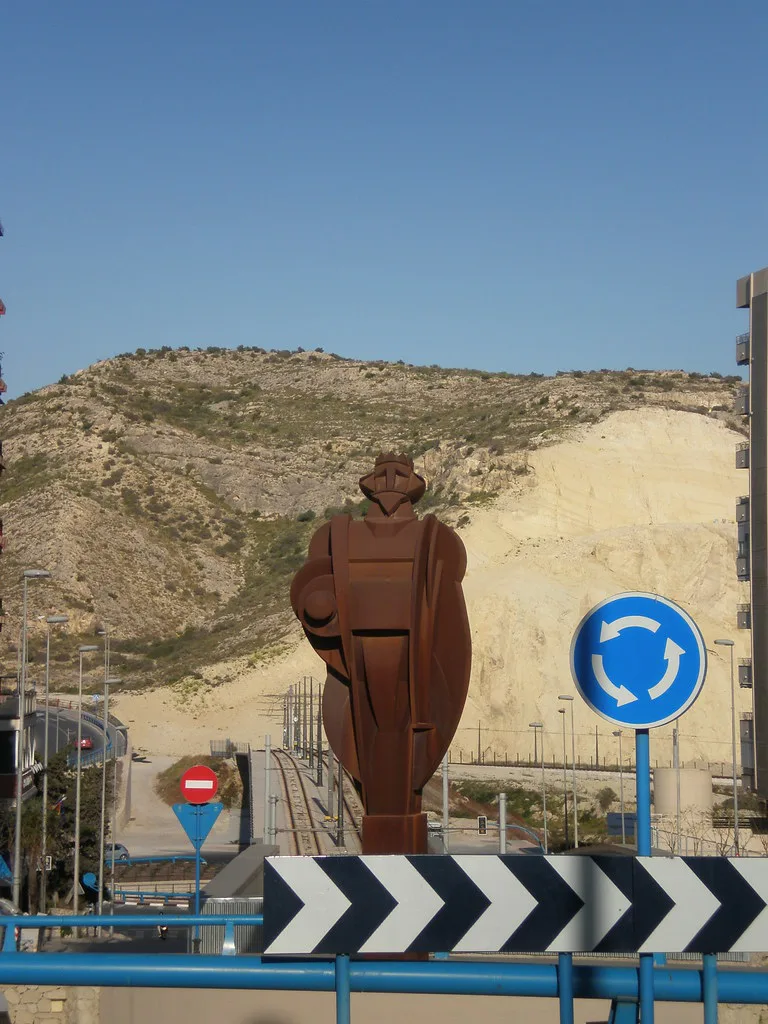
- L1 (red) — Luceros to Benidorm. The long inter-city line, 21 stops, around 1h12 end to end. This is the one for Benidorm, El Campello and the northern beach towns.
- L2 (green) — Luceros to Sant Vicent del Raspeig. 14 stops; mainly serves the university and northern suburbs.
- L3 (yellow) — Luceros to El Campello. 17 stops, about 31 minutes; the scenic coastal run that hugs the seafront past San Juan.
- L4 (purple) — Luceros to Plaza La Coruña (San Juan Beach / Cabo Huertas). 18 stops, roughly 27 minutes — the most direct beach line.
- L5 (blue) — Puerta del Mar to Plaza La Coruña. A shorter beach-and-port connector running along the coast.
- L9 (grey) — Benidorm to Dénia. A separate diesel "tram-train" line (about 75–80 minutes) you connect to from L1 at Benidorm Station; it does not run into Alicante city center.
In the central section, lines L1–L4 combine to give a train every 7–15 minutes at peak times, so you rarely wait long at Luceros, Mercado or MARQ-Castillo. Service runs daily from roughly 05:30–06:00 in the morning until about 22:00–22:30, with the long L9 Dénia connection running only about once an hour — check the TRAM timetable before any late northern trip.
Must-See Alicante Attractions
The tram network serves as a direct artery to the most iconic sights in the city and beyond. Start your journey at the Luceros station, which acts as the primary underground hub for most lines. From here, you are only a short walk from the Central Market and the historic Old Town. Many visitors use this as their home base for exploring the urban core.
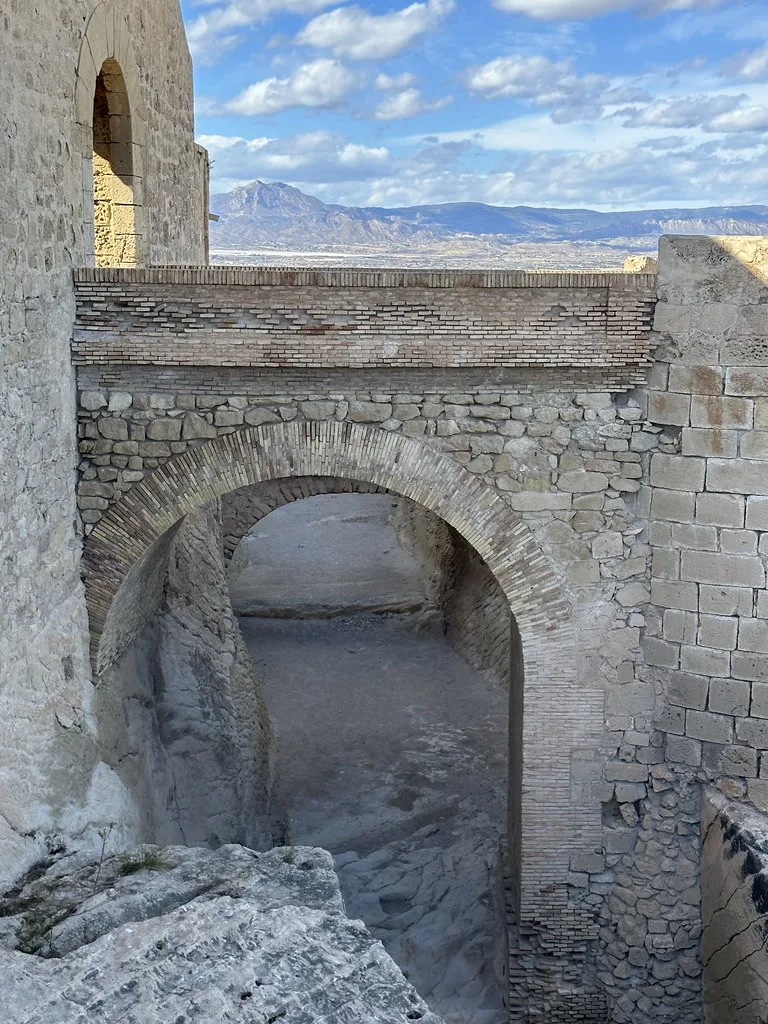
Santa Barbara Castle is a non-negotiable stop for any first-time visitor to the region. While the tram doesn't go up the mountain, the MARQ-Castillo stop on Line 2 or Line 1 puts you at the base of the elevator. Expect to spend at least two hours exploring the fortifications and enjoying the panoramic bay views. Entry to the castle grounds is generally free, though the elevator has a small fee.
Postiguet Beach is easily accessible via the Puerta del Mar stop, making it perfect for a quick dip. If you prefer a more expansive shoreline, take Line 3 toward San Juan Beach for a wider stretch of sand. This route offers beautiful coastal vistas that make the 20-minute journey feel like a scenic tour. Pack a towel and some sunscreen to make the most of these convenient stops.
For a longer excursion, Line 1 takes you toward the charming town of Villajoyosa, famous for its colorful houses. The journey takes about 50 minutes from the city center but rewards you with unique photo opportunities. Check the TRAM website for the latest coastal service schedules before you depart. This line is particularly popular during the summer months for its cooling sea breezes.
Museums, Art, and Culture in Alicante
Culture seekers will find the tram system perfectly aligned with the city's major museums. The Archaeological Museum of Alicante (MARQ) has its own dedicated stop, aptly named MARQ-Castillo. This award-winning space offers interactive exhibits that bring the history of the Costa Blanca to life. Plan for about 90 minutes to see the permanent collections comfortably.
Art enthusiasts should head toward the Luceros or Mercado stops to reach the MACA Contemporary Art Museum. This facility is housed in the city's oldest civil building and features works by Picasso and Dalí. Admission is typically free, making it an excellent budget-friendly cultural stop. The surrounding streets of the Santa Cruz neighborhood offer beautiful architecture to admire between museum visits.
The Ocean Race Museum is another unique highlight located near the port area. Use the Puerta del Mar stop to access this high-tech tribute to one of the world's toughest sailing challenges. It is a great option for families who want to learn about maritime technology and environmental conservation. The museum often hosts temporary exhibitions that are worth checking on their official calendar.
Parks, Gardens, and Outdoor Spots in Alicante
Escaping the urban bustle is simple when you know which tram stops lead to green spaces. El Palmeral Park is a lush oasis located south of the city, accessible by a short bus connection or a brisk walk from the nearest rail links. It features waterfalls, lakes, and hundreds of palm trees perfect for a shaded afternoon stroll. The park is a favorite for local families on weekends.
Hiking enthusiasts can use the tram to reach the trailhead of Serra Grossa. Get off at the La Sangueta stop on Line 3 to begin your ascent for incredible views of the Mediterranean. The climb is moderate and takes about 40 minutes to reach the summit. Ensure you wear sturdy shoes as the limestone paths can be slippery after occasional rain.
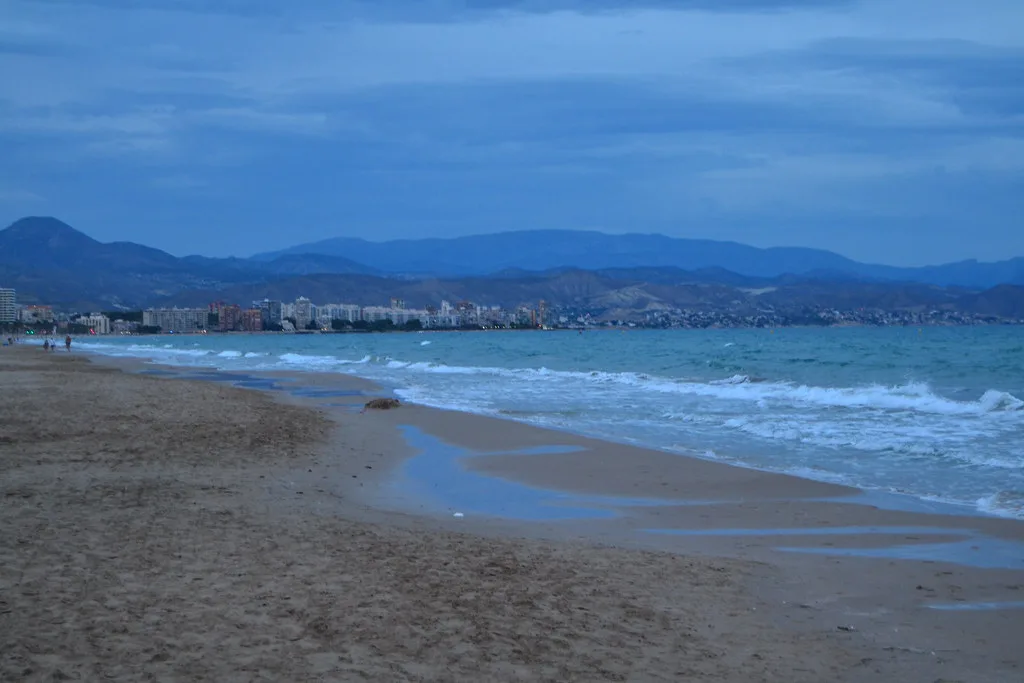
San Juan Beach is more than just a place to swim; it features a long promenade ideal for cycling or walking. The Costa Blanca tram lines 3 and 4 run parallel to the shore, offering multiple access points. You can hop off at any stop between Cabo Huertas and Muchavista to find your perfect spot. These areas are significantly quieter than the city beaches during the shoulder season.
Family-Friendly and Budget-Friendly Options
Traveling with a family requires smart planning to keep costs down on the Alicante tram. Children under the age of four travel for free, which provides immediate savings for young families. For older children, consider purchasing a multi-trip card rather than individual single tickets. This approach can reduce the cost per journey by nearly fifty percent.
The TAM card is a versatile tool for those staying within the metropolitan area. It allows for seamless transfers between the tram and local buses within a 60-minute window, much like the integrated ticketing you will find on neighbouring Murcia public transport. This is particularly useful if your accommodation is slightly further from a tram station. You can buy and top up these cards at most tobacco shops or kiosks.
Budget-conscious travelers should stick to Zone A for the majority of their sightseeing. This zone covers the city center, the main beaches, and several historical sites. Exploring within one zone keeps your fare at the lowest possible tier. Always remember to validate your card at the platform or on the tram to avoid heavy fines during inspections.
How to Plan a Smooth Alicante Attractions Day
Efficiency is key when trying to see multiple attractions in a single day. Start your morning early at Luceros to beat the mid-day heat and the tourist crowds. The trams generally run every 15 to 30 minutes depending on the line and time of day. Use the official mobile app to track live arrivals and avoid waiting on hot platforms.
Transferring between lines is straightforward at the underground stations like Mercado and Luceros. Most platforms have clear digital signage indicating the destination and time remaining for the next train. If you are heading north toward Benidorm, ensure you are on the correct platform for Line 1. Staff members are usually available at major stations to assist with directions.
Validation is a critical step that many tourists overlook when using the tram. You must tap your card against the red readers before boarding at underground stations or inside the carriage on overground sections. Failure to validate can result in a fine of up to 100 euros. Keep your ticket handy throughout the journey as inspectors frequently board the trains.
PASSES AND FARES
The Alicante tram network is divided into several concentric zones labeled A, B, and C. Most tourists will spend their entire trip within Zone A, which encompasses the city and San Juan Beach. If you plan to visit Benidorm or Altea, you will need a ticket that covers multiple zones. Buying the wrong zone ticket is a common mistake that can lead to penalties.
For those staying a week or longer, the rechargeable Mobilis card is the most efficient choice. You pay a small one-time fee for the physical card and can then add various balances. This card is transferable, meaning a group can use the same card by tapping it multiple times for each person. This feature makes it a top choice for families or groups of friends.
Always check the latest price updates for 2026 on the official TRAM website. Fares are subject to annual reviews and occasional promotional discounts for youth or seniors. Having some small change or a contactless credit card is helpful when using the automated machines. Most machines offer instructions in English, Spanish, and German for ease of use.
- Single Ticket (Sencillo)
- Type: One-way trip
- Best for: Occasional users
- Where: Ticket machines
- Cost: Approx 1.45 EUR
- Bono 10 TAM
- Type: 10-trip pass
- Best for: City explorers
- Where: Kiosks/Stations
- Cost: Approx 8.70 EUR
- 24-Hour Pass
- Type: Unlimited travel
- Best for: Heavy sightseeing
- Where: Main stations
- Cost: Approx 4.00 EUR
| Ticket | Type | Approx. price (2026) | Per ride (Zone A) | Transfers | Best for |
|---|---|---|---|---|---|
| Single (Sencillo) | One-way, 1 zone | €1.45 | €1.45 | None | 1–2 trips only |
| Bono 10 TAM | 10-trip card | €8.70 (+€2.00 card) | ~€0.87 | Free within 60 min | City explorers, families |
| 24-Hour Pass | Unlimited / 24h | €4.00 | Unlimited | Unlimited within window | 4+ rides in one day |
| Móbilis Bono (10) | Rechargeable card | €5.25 (+€2.00 card) | ~€0.53 | Free within 60 min | Lowest per-ride cost |
Travel rules – bicycles
Bringing a bicycle on the Alicante tram is a great way to explore the coastline, but specific rules apply. Bicycles are generally permitted on all lines, provided the train is not overly crowded. During peak hours, staff may restrict bike access to ensure passenger safety and comfort. It is always best to travel with a bike during the mid-morning or late evening.
Folding bicycles have more flexibility and are treated as standard luggage if they are collapsed. You can bring these on board at any time without extra charges or restrictions. For standard bikes, you must use the designated areas usually located at the ends of the carriages. These sections feature more floor space and straps to secure your equipment during transit.
Cyclists must always yield to pedestrians and passengers with reduced mobility when boarding. You are responsible for ensuring your bike does not block the aisles or doors at any time. If you plan to ride between San Juan and El Campello, the tram provides a perfect link to avoid busy coastal roads. Always walk your bike within the station premises to comply with local safety regulations.
Getting to Alicante Airport by Tram
This is the question that trips up most first-time visitors: the TRAM does not serve Alicante-Elche Airport (ALC). No line runs to the terminal, so any "airport tram" route you see suggested online actually means a tram-plus-bus combination. Plan for one predictable transfer rather than hunting for a direct rail link that does not exist — combining trams with a short bus hop is a common pattern across the continent, as our wider guide to getting around Europe explains.
The reliable option is to take any central tram to Luceros, then switch to the C6 airport bus, which departs from nearby on Avenida de la Estación. The C6 runs roughly every 20 minutes daily, takes about 25–30 minutes to the terminal, and costs around €3.85 paid to the driver (cash or contactless). Allow extra time at peak holiday periods when the bus fills quickly with luggage.
If you are arriving from the northern beach towns or Benidorm, ride L1 into Luceros first, then make the same C6 connection — the Móbilis card you use on the tram is not valid on the C6, so keep the bus fare separate. For early-morning or late-night flights when the C6 is sparse, a taxi from a central tram stop to ALC is the dependable fallback.
Frequently Asked Questions
Which Alicante tram routes and tickets options fit first-time visitors?
First-time visitors should focus on the Bono 10 TAM card for Zone A. This covers major sites like the Old Town and San Juan Beach while allowing for bus transfers. It offers the best balance of flexibility and value for typical city sightseeing. Check tram guides for more details.
How much time should you plan for Alicante tram routes and tickets?
Allow approximately 30 minutes for cross-city travel and up to 70 minutes for coastal trips to Benidorm. Most central attractions are within 10-15 minutes of each other by tram. Factor in an extra 10 minutes for ticket purchasing and validation during busy periods.
What should travelers avoid when planning Alicante tram routes and tickets?
Avoid traveling without a validated ticket, as inspectors are very active and fines are steep. Do not assume all lines run 24 hours; service typically ends around midnight on weekdays. Also, avoid using large banknotes in ticket machines, as they often only accept coins or cards.
The Alicante tram network is a model of efficient and affordable Mediterranean transport. By mastering the zone system and choosing the right pass, you can explore the Costa Blanca with ease. From the historic heights of the city to the sandy shores of San Juan, the tram is your gateway to the best of the region.
Remember to keep your Mobilis card topped up and always validate before you board. Whether you are a solo backpacker or traveling with a large family, this system caters to every need. Enjoy the scenic views and the convenience of one of Spain's most user-friendly transit systems.
For more detailed transit insights in other European cities, you might find our guide on the Montpellier tram useful for your next trip. Safe travels as you explore the vibrant streets and beautiful coastlines of Alicante.
Free: The European City Transport Cheat Sheet
Airport-to-centre, the best ticket to buy, and the one local gotcha — for 5 European cities, plus the universal rules for trams, ferries, and parking.
You might also like


Continue reading
More guides you'll find useful