Dijon Tram Map And Tickets Travel Guide
Plan dijon tram map and tickets with top picks, neighborhood context, timing tips, and practical booking advice for a smoother trip.
 By Marco Bellini
On this page
Dijon Tram Map And Tickets
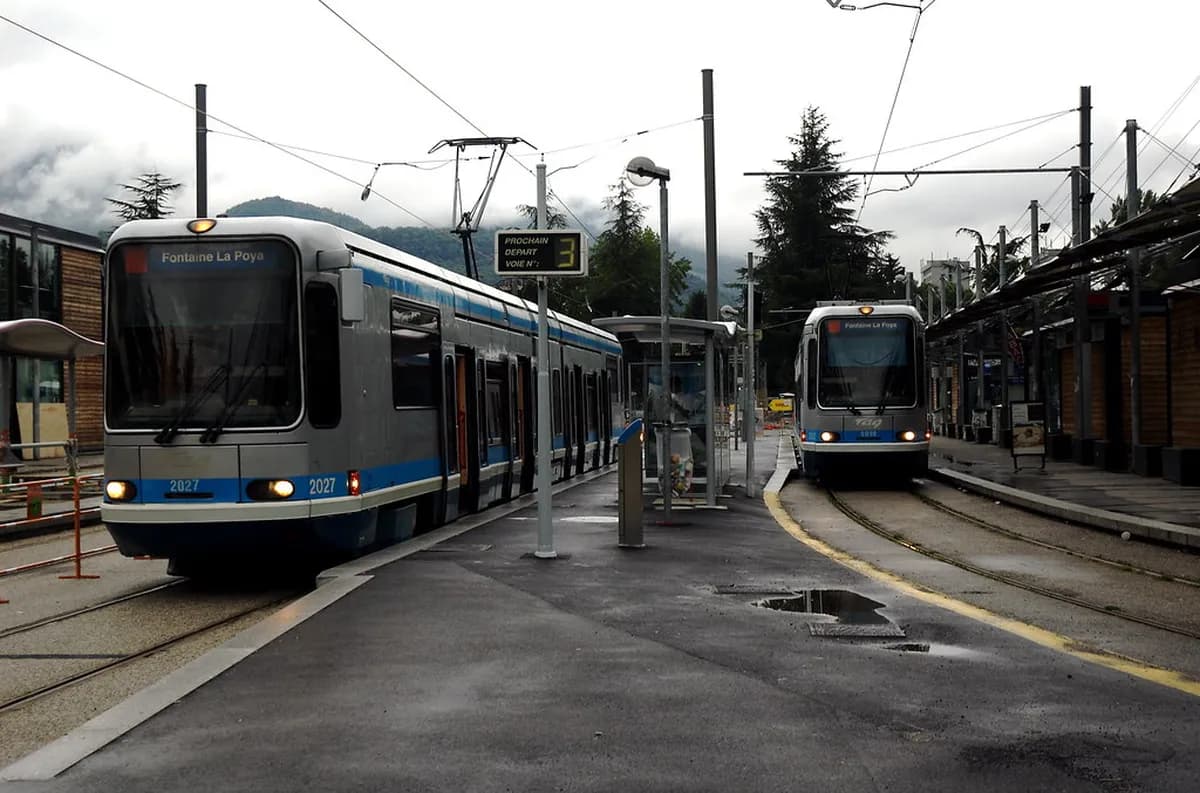
Quick answer: Dijon runs two tram lines on the Divia network — T1 (Gare/train station ↔ Quetigny Centre, east) and T2 (Valmy, north ↔ Chenôve Centre, south), crossing at Place de la République. A single Ticket 1 voyage costs about €1.60 (valid 1 hour with free bus/tram transfers); a 10-trip carnet is roughly €13.00, and a 24h pass about €4.50. Buy from stop machines, the Divia app, or a Divia agency — or just tap a contactless bank card to board. Trams run roughly 05:30–01:00 (Sun from 07:00). Validate every time you board.
This guide breaks down the lines, station locations, exact 2026 fares, schedules, park-and-ride options, and the contactless payment technology that lets you skip the ticket machine. The compact medieval center is best explored by combining tram rides with short walks, so most major sights sit within five minutes of a stop.
Modern updates have made the Divia network one of the most advanced systems in France. From contactless bank card payments to real-time arrival screens, the infrastructure supports a seamless visitor experience. Understanding these tools helps you spend less time at ticket machines and more time enjoying local wine.
Free: The European City Transport Cheat Sheet
Airport-to-centre, the best ticket to buy, and the one local gotcha — for 5 European cities, plus the universal rules for trams, ferries, and parking.
Dijon Tram Lines, Fares & Schedule (2026)
The Divia tram network has two lines that meet at Place de la République, so one interchange connects almost any pair of stops. There is no separate "city zone" fare to worry about — a single ticket covers the whole tram and bus network for one hour, transfers included. The tram is just one part of Divia's wider system, and our full Dijon public transport guide covers how buses, shuttles, and trams fit together.
The two lines:
- T1 — runs east–west from Dijon Gare (the main train station) to Quetigny Centre, calling at Darcy, République and Auditorium. Take it for the train station, the old town, and Toison d'Or shopping centre.
- T2 — runs north–south from Valmy to Chenôve Centre, via République and CHU (the university hospital). Use it for the northern P+R lots and the Université de Bourgogne.
Fares (2026):
- Ticket 1 voyage — about €1.60, valid 1 hour, unlimited bus/tram transfers.
- Carnet 10 voyages (10-trip) — roughly €13.00 (~€1.30 per ride).
- Ticket 24h — about €4.50, unlimited travel for 24 hours; the best-value choice for a sightseeing day. 48h and 72h passes are also sold for longer stays, and a 7-day pass runs about €15.00.
Buy from the vending machines at every tram stop, the DiviaMobilités app, or a Divia agency. Tickets load onto a contactless ticket device or your DiviaMobilités card, and you must tap it on the on-board validator every single boarding — including transfers and when exiting park-and-ride lots. Inspectors check often and fines are steep. Trams run roughly 05:30 to 01:00 Monday–Saturday and from 07:00 to 01:00 on Sundays, at high frequency through the day.
Driving in? Use a free park-and-ride (P+R). Divia's Valmy and Zénith lots feed straight onto the tram, and you can leave a car free for up to 5 days (Zénith is accessible 24/7 with no card needed to enter). Keep the ticket device you validated with — you need it to exit the barrier. If you're road-tripping through Burgundy and plan to drive on to nearby wine towns, our Beaune parking guide covers where to leave the car once you reach the Côte de Beaune. For the free DiviaCity electric shuttle that loops the historic centre, see the official Divia fares page.
| Ticket | Price (2026) | Validity | Best for |
|---|---|---|---|
| Ticket 1 voyage | ~€1.60 | 1 hour, transfers included | A single hop or two |
| Carnet 10 voyages | ~€13.00 (~€1.30/ride) | Per-ride, 1 hour each | Groups or multi-day, splittable |
| Ticket 24h | ~€4.50 | 24 hours unlimited | A full sightseeing day |
| 7-day pass | ~€15.00 | 7 days unlimited | Longer stays |
| Contactless bank card | Fare-capped at 24h price | Auto-calculated daily | No machine, no change needed |
Must-See Dijon Attractions
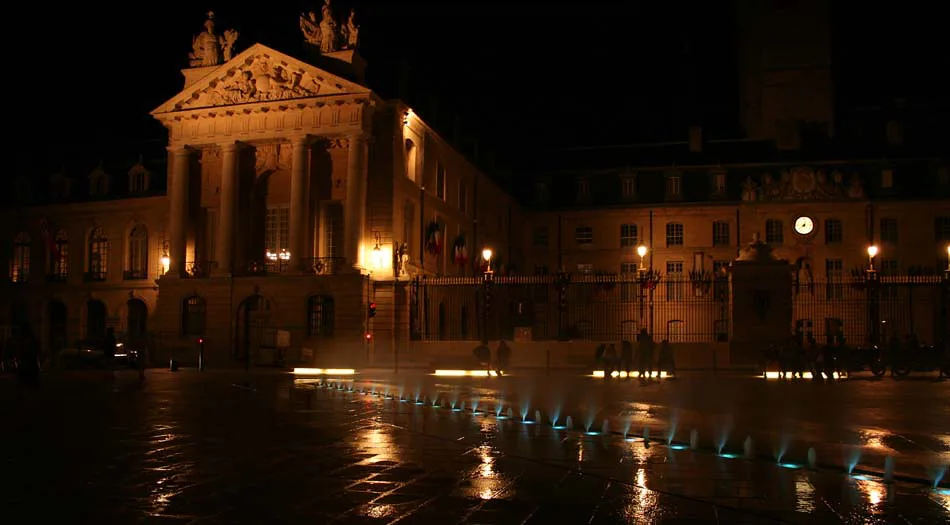
The tram network serves as a direct artery to the heart of the city's historical district. Line T1 stops at Darcy, which sits just steps away from the iconic 18th-century triumphal arch. From here, you can follow the bronze owl plaques embedded in the pavement to find the Palais des Ducs.
Visiting the central market, Les Halles, is another highlight easily reached via the Godrans station on the T2 line. This vibrant hub offers fresh local produce and authentic Burgundy snacks every Tuesday, Friday, and Saturday morning. Arriving by tram avoids the difficult search for parking in the narrow medieval streets.
Saint-Bénigne Cathedral stands as a masterpiece of Gothic architecture near the tram corridor. Its colorful glazed-tile roof is a classic example of regional style that photographers will love. Most major sites are within a five-minute walk of a transit stop, making your itinerary very flexible.
- Palais des Ducs et des États de Bourgogne
- Stop: Darcy (T1/T2)
- Entry: Free for courtyard
- Vibe: Historic power center
- Time: 1-2 hours
- Porte Guillaume Arch
- Stop: Darcy
- Photo: Best at sunset
- Access: Always open
- Cost: Free
Museums, Art, and Culture in Dijon
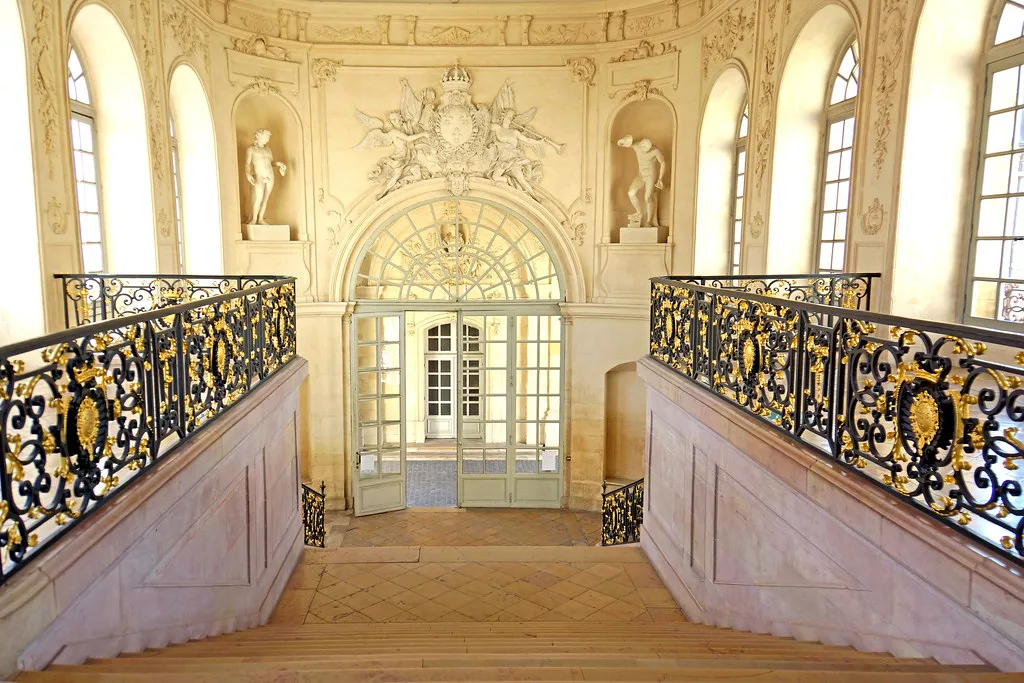
Dijon boasts an impressive collection of fine arts housed within the former ducal palace. The Musée des Beaux-Arts is one of the oldest museums in France and remains free for all visitors to explore. Use the T1 line to reach the city center before walking through the scenic Place de la Libération.
Contemporary art enthusiasts should head to Le Consortium, a world-renowned art center located slightly south of the center. While many tram guides focus only on the old town, this venue offers a refreshing look at modern installations. The transit system makes it easy to bridge the gap between ancient history and current creativity.
The Musée de la Vie Bourguignonne provides a deep dive into the daily lives of local residents through the centuries. It is situated in a former cloister and features realistic shop recreations from the 19th century. Walking from the Monge tram stop allows you to see the charming timber-framed houses along the way.
- Musée des Beaux-Arts de Dijon
- Focus: Medieval to modern
- Stop: Place du Théâtre
- Closed: Tuesdays
- Cost: Free entry
Parks, Gardens, and Outdoor Spots in Dijon
Nature lovers will find a peaceful escape at the Jardin de l'Arquebuse, located right next to the main train station. This botanical garden houses a planetarium and a natural history museum within its lush borders. It is a perfect spot for a quiet stroll after a long journey on the T1 tram line.
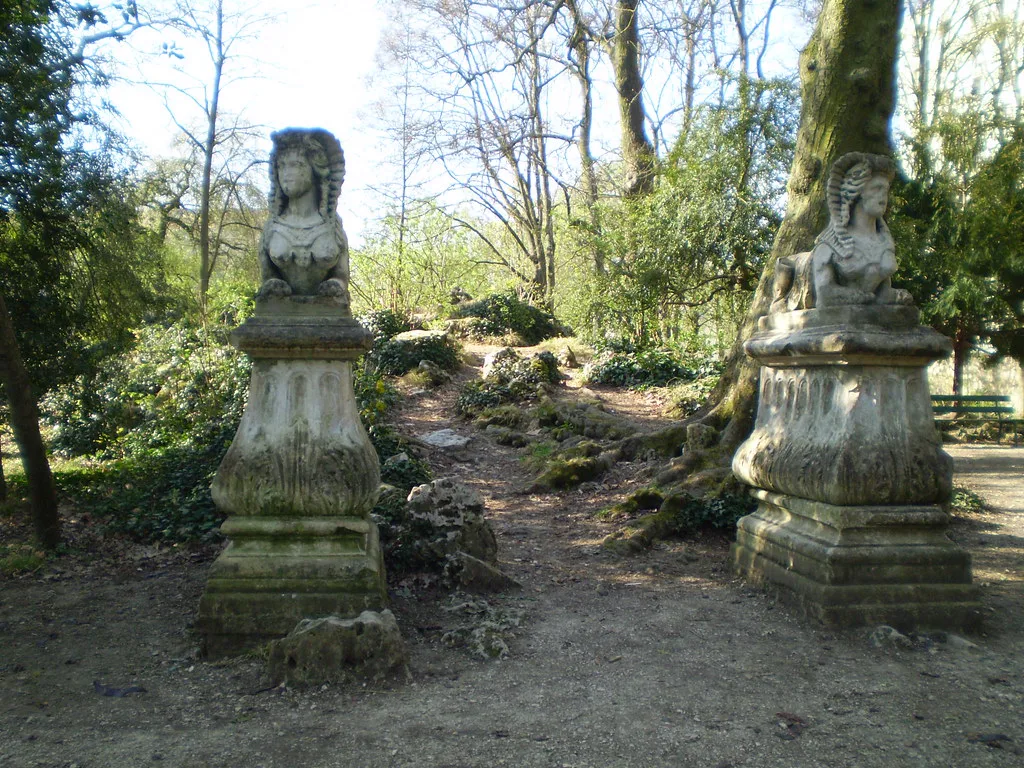
Parc de la Colombière offers a more expansive green space with long forested alleys and a small animal park. To reach this area, you can take the T2 line toward Chenôve and enjoy the scenic transition from urban to green zones. It is a favorite location for local joggers and families during the warm summer months.
Lake Kir provides a recreational hub on the western edge of the city for swimming and sailing. While the tram doesn't go directly to the shore, it connects to bus lines that reach the beach in minutes. Many visitors find this a refreshing break from the stone architecture of the city center.
Family-Friendly and Budget-Friendly Options in Dijon
Traveling with a family is more affordable when you utilize the group ticket options available at station kiosks. A 24-hour pass allows for unlimited travel, which is ideal for groups moving between museums and parks. Check the official www.metropole-dijon.fr site for the most current group rates.
Many of the city's top attractions, including most municipal museums, do not charge an admission fee. This policy makes Dijon an excellent choice for budget-conscious travelers who still want a rich cultural experience. You can spend your saved euros on a gourmet mustard tasting or a local pastry instead.
Public squares like Place Émile Zola are perfect for low-cost dining and people-watching. Many bakeries nearby sell "Gougères," which are savory cheese puffs that make for a cheap and delicious snack. Kids will enjoy the open spaces and fountains found throughout the pedestrianized zones near the T1 stops.
How to Plan a Smooth Dijon Attractions Day
Start your morning early at the Darcy hub to beat the crowds at the main tourist office. Grab a physical copy of the Dijon tram map to supplement your digital navigation tools. This central point allows you to choose between the T1 and T2 lines depending on your priority sites.
Midday is the best time to explore the indoor markets or enjoy a long lunch in the historic district. Transit frequency is high during these hours, so you never have to wait more than a few minutes for a ride. Similar to the strasbourg-tram system, the reliability here is excellent for tourists on a tight schedule.
Evening plans should focus on the illuminated monuments around the Place de la Libération. The trams run late into the night, ensuring you can return to your hotel safely after a wine tasting session. Always validate your ticket or tap your card every time you board to avoid heavy fines from inspectors.
A First in France: The Contactless Payment Card Becomes a Ticket in Dijon’s Trams
Dijon pioneered the "Open Payment" system in France, allowing riders to use their bank cards as tickets. You simply tap your contactless Visa or Mastercard against the yellow validator upon boarding the tram. This innovation removes the need to understand complex vending machines or carry spare change.
The system automatically calculates the best fare for your journey throughout the day. If you make multiple trips, the total cost is capped at the price of a daily pass. You can find technical details and troubleshooting tips on the official page at https://www.divia.fr/page/sans-ticket-sans-contact for peace of mind.
One important rule is that every passenger must have their own individual payment card for tracking. If you are traveling in a group, each person needs a separate card or a traditional paper ticket. This technology has significantly reduced boarding times and improved the overall flow of the city's public transport.
Frequently Asked Questions
Which Dijon tram map and tickets options fit first-time visitors?
First-time visitors should use the contactless payment system for maximum convenience. Simply tap your bank card on the validator when boarding. If you prefer physical tickets, the 24-hour pass offers great value for exploring multiple districts. Check the tram-guides for more regional transit tips.
How much time should you plan for Dijon tram map and tickets?
You only need about five minutes to understand the basic map and payment rules. The two-line system is very straightforward compared to larger cities. Most travelers spend 10-15 minutes total per day actually riding the tram between major sightseeing stops.
What should travelers avoid when planning Dijon tram map and tickets?
Avoid boarding without validating your ticket or tapping your card, as inspectors frequently check passengers. Do not try to pay with large cash bills at the station machines. Also, remember that one bank card cannot be used for multiple people in the contactless system.
Exploring Dijon via its modern tram system is both efficient and enjoyable for any traveler. The combination of historic charm and cutting-edge payment technology sets this city apart from others in France. You can easily navigate from the train station to the finest vineyards and museums with just a simple tap.
By keeping a map handy and understanding the ticket options, you ensure a smooth journey through Burgundy. Whether you are here for the art, the food, or the architecture, the tram is your best companion. Enjoy the ride and the beautiful sights of this historic French gem.
Free: The European City Transport Cheat Sheet
Airport-to-centre, the best ticket to buy, and the one local gotcha — for 5 European cities, plus the universal rules for trams, ferries, and parking.
You might also like


Continue reading
More guides you'll find useful