Lisbon Tram 28 Route Map: 10 Key Things to Know
Plan your Lisbon Tram 28 journey with our interactive route map, stop-by-stop guide, and local tips on fares and avoiding crowds.
 By Marco Bellini
On this page
Lisbon Tram 28 Route Map: 10 Key Things to Know
Quick answer: Lisbon's Tram 28 (line 28E) runs ~7 km from Martim Moniz to Campo de Ourique (Prazeres) through Graça, Alfama, Baixa, Chiado and Estrela, taking 40–50 minutes end to end. It runs roughly 5:40 am to 11:30 pm, every 10–15 minutes. The cheapest way to ride in 2026 is a Navegante card with zapping (€1.72) — never pay the €3.30 cash fare on board. To actually get a seat, board at the quiet Campo de Ourique end, not the long queue at Martim Moniz.
Riding the iconic yellow Remodelado trams is a quintessential experience for anyone visiting the Portuguese capital. The Lisbon Tram 28 route map covers the city's most historic districts, climbing steep hills that modern buses simply cannot navigate.
Travelers often use this line as a moving viewpoint to see Alfama, Baixa, and Estrela in one go. This guide gives you the updated fares, the full timetable, safety tips, and the best stops for stunning city photos — everything you need for a smooth ride.
Free: The European City Transport Cheat Sheet
Airport-to-centre, the best ticket to buy, and the one local gotcha — for 5 European cities, plus the universal rules for trams, ferries, and parking.
The E28 Tram Route Overview
The E28 tram route stretches across the city, connecting Martim Moniz in the east to Campo de Ourique in the west. This journey takes approximately 45 to 60 minutes depending on local traffic and narrow-street obstructions.
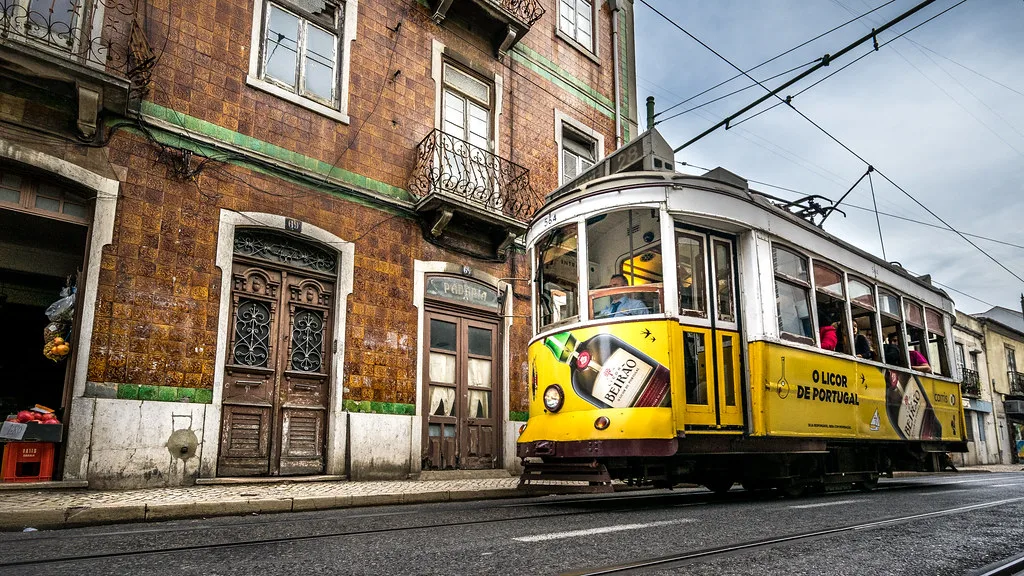
Vintage Remodelado carriages are used exclusively on this line because of the sharp turns and steep gradients. These 1930s-era vehicles have been updated with modern braking systems to handle the challenging terrain safely.
Most visitors begin their trip at Martim Moniz, where the line starts near the metro station. However, the tram passes through diverse hubs like the bustling Baixa district and the quiet, leafy streets of Estrela.
Navigating the tram guides for different cities can be complex, but Lisbon's system is uniquely historic. You will experience the thrill of the tram passing just inches away from ancient stone walls in the Alfama district.
Tram 28 Tickets and Fares
Understanding the payment system is vital for saving money and time during your Lisbon adventure. Buying a ticket directly from the driver is the most expensive option, costing 3.30€ for a single journey in 2026 — and the driver only takes cash.
Smart travelers use the reusable Navegante card (the rebrand of the old Viva Viagem card), which costs 0.50€ once and can be topped up at any metro machine. Load a single 1-hour Carris/Metro fare for 1.90€, or use the pay-as-you-go 'zapping' credit method, which drops each tap to just 1.72€ — the cheapest way to ride.
Validating your fare is mandatory the moment you board: tap the card against the yellow reader by the doors and wait for the green light and beep. Inspectors do check, and an unvalidated ride is treated as fare evasion.
The 24-hour Carris/Metro pass at 7.25€ is the best value if you plan three or more rides in a day; it covers every tram, bus, the Metro, and the historic funiculars and Santa Justa Lift. The Lisboa Card includes all of this transport for free for its validity period. Check the Carris 28E official page for any mid-year fare changes.
| Payment method | Cost per ride | Best for |
|---|---|---|
| On-board cash | 3.30€ | One-off ride, no card |
| Navegante — single 1h fare | 1.90€ | A couple of rides |
| Navegante — zapping credit | 1.72€ | Cheapest per-ride option |
| 24-hour Carris/Metro pass | 7.25€ / day | 3+ rides in one day |
| Lisboa Card | Included | Sightseeing + transport bundle |
Tram 28 Schedule and Journey Times
The 28E runs every day of the year, including Sundays and public holidays. On weekdays the first tram leaves Martim Moniz around 5:40 am and the last one departs about 11:30 pm. On Sundays and holidays the line starts later, with the first departure around 6:45 am.
Trams arrive every 10 to 15 minutes for most of the day, though gaps stretch longer in peak summer when traffic and full carriages slow the fleet. A full end-to-end run from Martim Moniz to Campo de Ourique takes roughly 40 to 50 minutes, so budget about an hour with photo stops.
For the live timetable, check the Carris 28E official page before you set out, as schedules shift between summer and winter. Avoid the 10:00 am to 5:00 pm tourist crush if you want any chance of a window seat.
- First tram (Mon–Sat): ~5:40 am
- First tram (Sun/holidays): ~6:45 am
- Last tram: ~11:30 pm
- Frequency: every 10–15 min
- Full route time: 40–50 min
Pickpockets on Tram 28
While the ride is beautiful, the high density of tourists makes this line a primary target for pickpockets. These professional thieves often work in small groups and look for distracted passengers taking photos.
Keep your backpack on your front and ensure all zippers are fully closed and secured. Avoid keeping phones or wallets in back pockets, especially when the tram is crowded and people are standing close together.
Most incidents occur during the boarding process or when the tram makes sudden stops in the Alfama district. Staying alert and aware of your surroundings is the best way to protect your valuables during the trip.
If you are planning a blog post about your trip, consider using a wrist strap for your camera. This simple precaution prevents opportunistic snatching while you are focused on the scenery.
Alternative Tram Routes to the E28
If the queues at Martim Moniz are too long, several other lines offer a similar vintage experience. Tram 12 follows a shorter circular route through Alfama and usually has much more standing room.
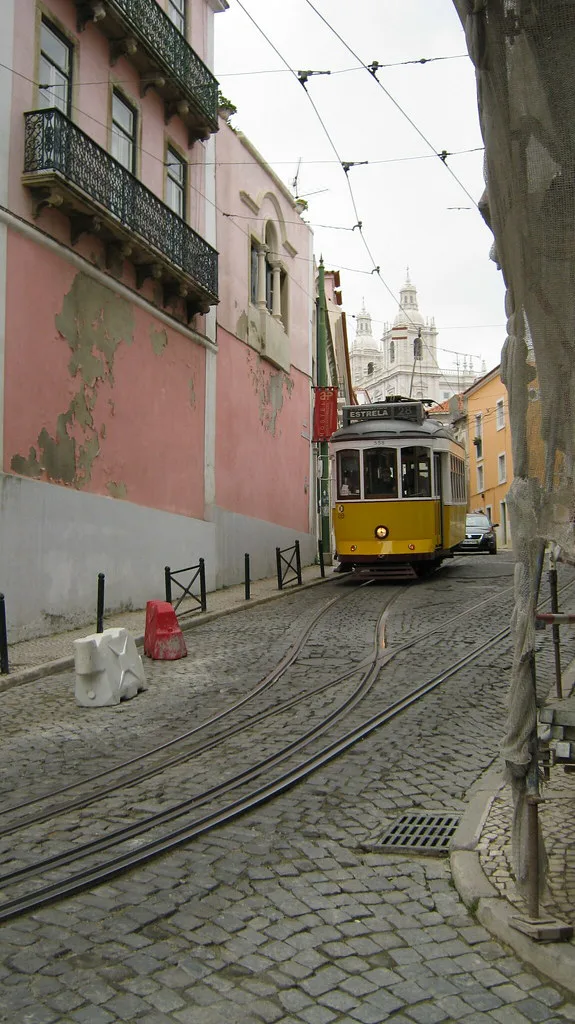
Tram 24 is another fantastic option that runs from Praça Luís de Camões toward Campolide. This line was recently restored and offers a quieter ride through the elegant Príncipe Real neighborhood.
Those heading toward the monuments in Belém should take the modern Tram 15 instead of the 28. While it lacks the vintage charm, it is much faster and handles larger passenger volumes efficiently.
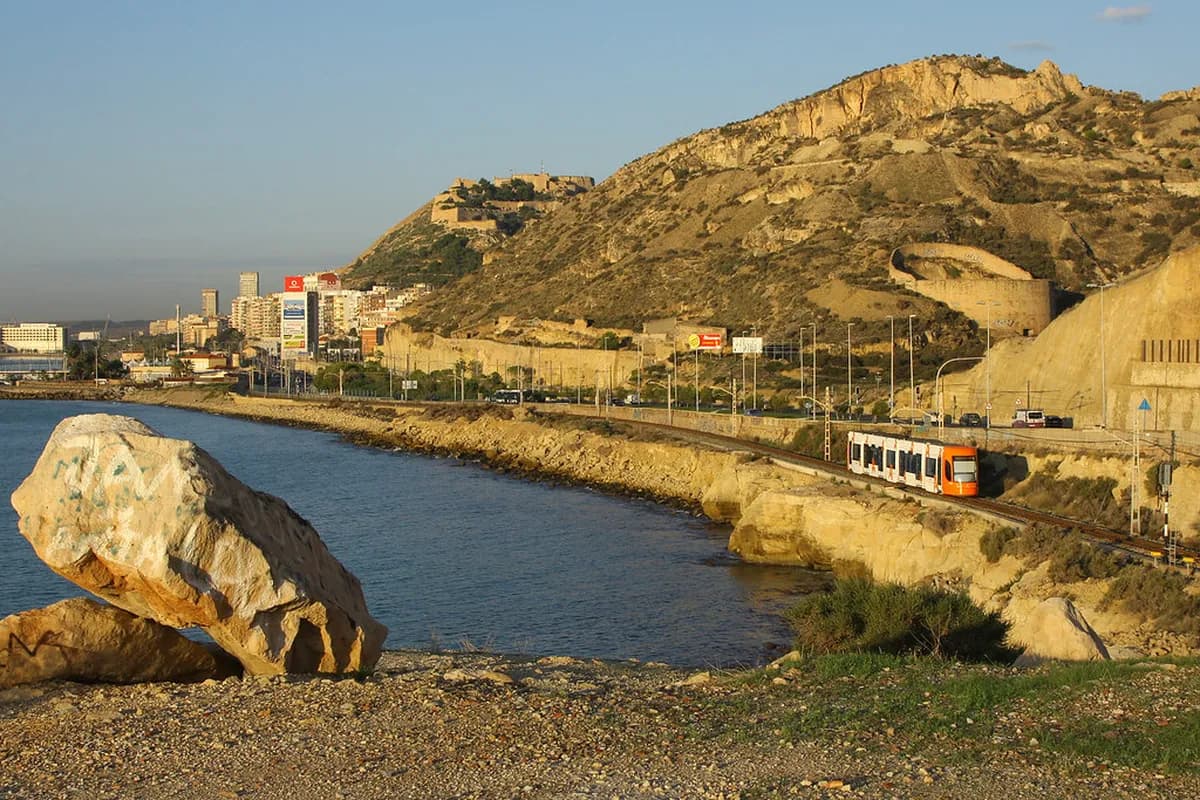
Exploring other European systems like the alicante tram shows how varied these networks can be, and our getting around Europe overview compares trams, metros and trains across the continent. Lisbon remains unique for keeping its smallest vintage cars in daily operation for public use.
Major Tram 28 Stops and Attractions
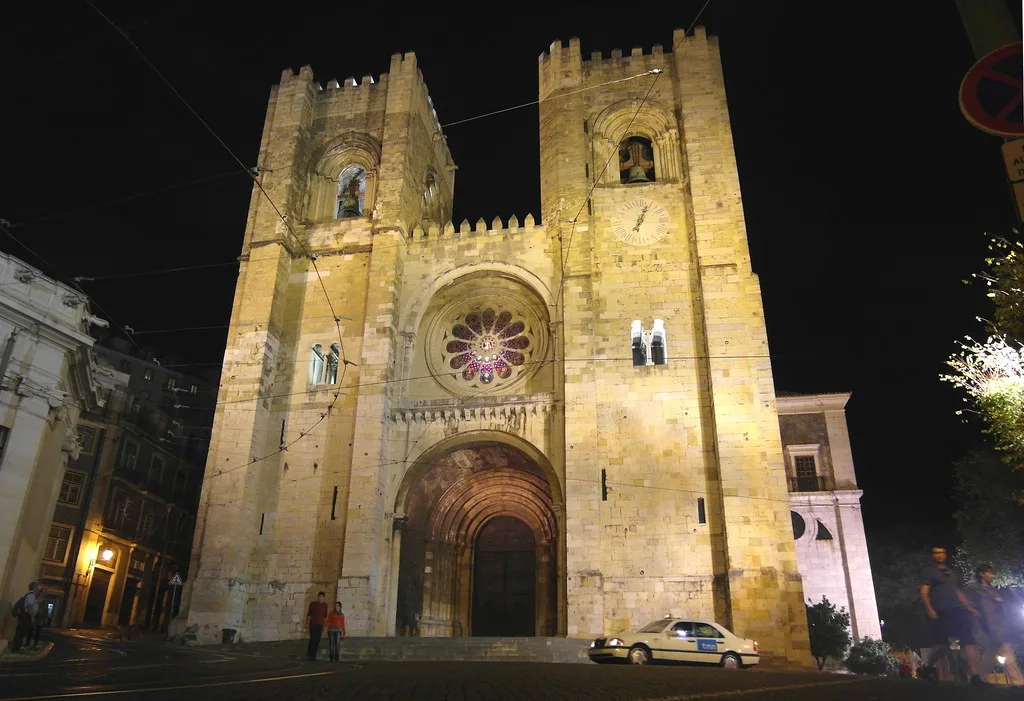
Knowing where to hop off can turn a simple tram ride into a full day of sightseeing. The Sé Cathedral stop is one of the most popular, placing you right at the doors of Lisbon's oldest church.
Portas do Sol is the best stop for those seeking panoramic views over the red-tiled roofs of Alfama. From here, it is a short, uphill walk to the entrance of Saint George’s Castle.
Further along the route, the Estrela stop allows you to visit the magnificent Estrela Basilica and its adjacent park. This area is much quieter than the city center and perfect for a relaxing afternoon break.
The final stop at Campo de Ourique is home to a fantastic local food market that is less touristy than Time Out Market. It is a great place to enjoy authentic Portuguese cuisine after your journey.
- Must-See Stops on the 28 Line
- Sé: Ancient Cathedral
- Graça: Hilltop views
- Chiado: Shopping district
- Estrela: Basilica and Park
Getting the Most from the Experience
The best way to secure a seat is to use the 'Reverse Boarding' strategy by starting at Campo de Ourique. Most tourists queue for hours at Martim Moniz, while the western terminus often has empty seats.
Early morning or late evening rides provide a much more peaceful atmosphere and better lighting for photography. Aim to board before 9:00 AM or after 7:00 PM to avoid the heaviest tourist crowds.
Always wait for passengers to exit before attempting to board the narrow doors of the Remodelado cars. Standing is common on this line, so hold onto the leather straps firmly as the tram jerks during acceleration.
If you have extra days, use a Lisbon to Sintra Guide to plan a side trip, or hop a coastal train and lean on our Cascais public transport guide to get around once you arrive. Combining the historic tram ride with a visit to Sintra's palaces makes for a perfect Portuguese itinerary.
Frequently Asked Questions
Where does Tram 28 start and end?
The route begins at Martim Moniz and concludes at Campo de Ourique (Prazeres). It passes through major areas like Graça, Alfama, Baixa, and Estrela. The total journey takes about an hour. You can find more details on our tram guides page.
How much is a ticket for Tram 28?
A single ticket bought from the driver costs 3.30€ in 2026 (cash only). Using a Navegante card with zapping credit reduces the price to 1.72€, or 1.90€ for a single 1-hour fare. The 24-hour Carris/Metro pass at 7.25€ is also valid for this route.
Is the Tram 28 route safe from pickpockets?
The route is generally safe, but pickpockets are very active due to the high number of tourists. Always keep your bags in front of you and stay alert. Avoid displaying expensive jewelry or large amounts of cash while on board.
Can I use the Navegante (Viva Viagem) card on Tram 28?
Yes, the Navegante card (formerly Viva Viagem) is the cheapest and most recommended way to pay. You must tap the card against the yellow reader upon boarding and wait for the green light. Ensure you have enough zapping balance or a valid daily pass loaded before you get on.
The Lisbon Tram 28 route map is more than just a transit guide; it is a gateway to the city's soul. By following these tips, you can enjoy the vintage charm of the Remodelado trams without the typical stress of crowds.
Remember to prioritize safety and choose the best payment method for your budget before heading to the stop. Whether you are exploring Alfama or heading to Estrela, this historic ride will be a highlight of your trip.
Take the time to look out the window and appreciate the architectural beauty of Lisbon's oldest neighborhoods. Your journey on the 28E is a memorable step back in time through one of Europe's most beautiful capitals.
Free: The European City Transport Cheat Sheet
Airport-to-centre, the best ticket to buy, and the one local gotcha — for 5 European cities, plus the universal rules for trams, ferries, and parking.
You might also like


Continue reading
More guides you'll find useful