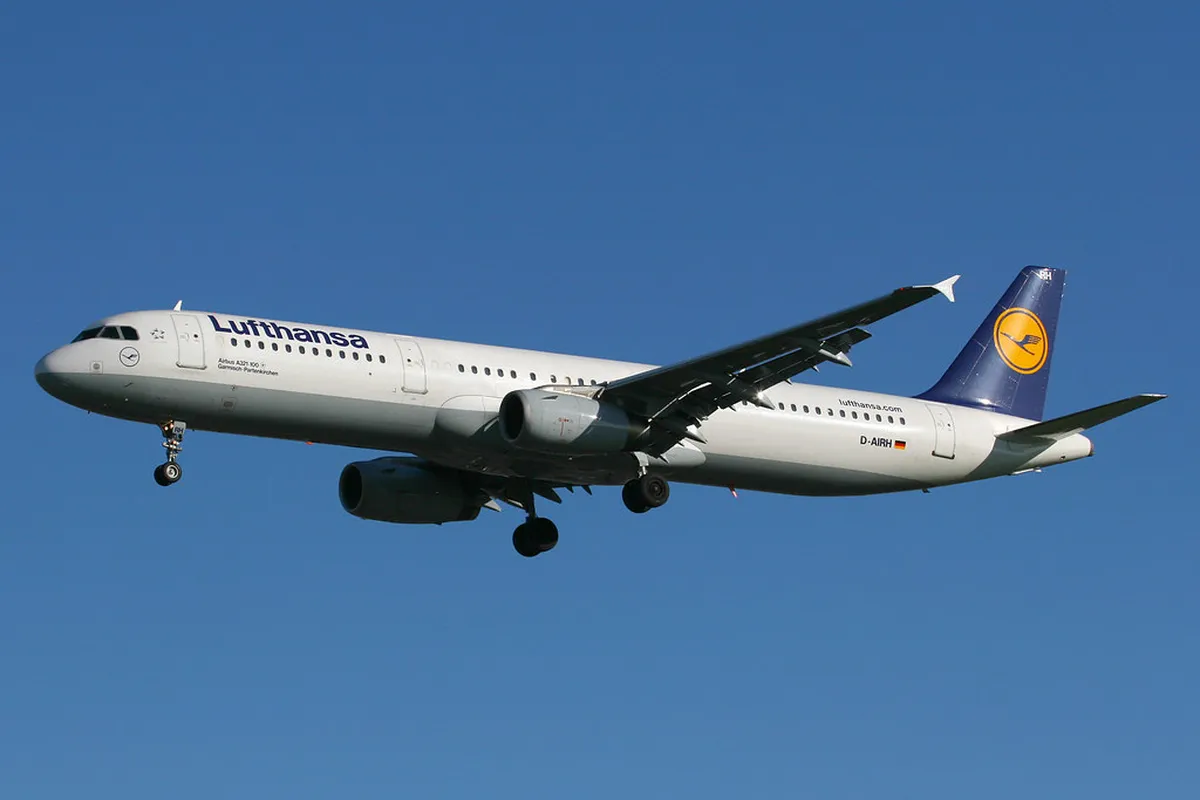
Garmisch Public Transport: Complete Guide to Getting Around
Master Garmisch public transport with our guide to local buses, Werdenfels train tickets, and free travel with the Guest Card. Plan your car-free Bavarian trip today.
 By Marco Bellini
On this page
Garmisch Public Transport: Complete Guide to Getting Around
Quick answer: You do not need a car in Garmisch-Partenkirchen. The fastest, cheapest way to get around is the local Ortsbus (local town bus) and regional RVO bus (Regionalverkehr Oberbayern) network, both of which are free with the digital Gästekarte (Guest Card) your accommodation provides. Big 2026 change: since 1 January 2026 the whole district joined the MVV (Munich Transport Association) fare zone, so the Guest Card now also covers Deutsche Bahn regional trains from Tutzing to Mittenwald for free — a benefit that did not exist before. For day trips beyond that, buy a Werdenfels Ticket (~€24 for one) or, for all of Bavaria, a Bayern-Ticket (~€29 for one).
This guide decodes the bus lines, train tickets, the Guest Card, the new 2026 MVV rules, and how to reach the Zugspitze, Eibsee, and Partnach Gorge by transit — so you can navigate this mountain destination like a local.
Overview of Garmisch-Partenkirchen Public Transport
The Garmisch-Partenkirchen transit infrastructure relies on a seamless blend of municipal buses and Deutsche Bahn regional trains. Local buses, known as the Ortsbus, serve the urban core with high frequency throughout the day. These green-and-white vehicles are the backbone of daily movement for residents and tourists alike.
Regional travel is managed by RVO Bus (Regionalverkehr Oberbayern), which connects the town to surrounding villages. These routes extend your reach to scenic spots like Mittenwald or Oberammergau for a small fee. Most regional buses depart from the central bus station located right outside the main train station.
Navigating the area is significantly easier if you understand the local zones and ticket requirements. While the town is walkable, the steep terrain often makes a quick bus ride a welcome relief after a long hike. Check the latest public transport guides to see how this system compares to other European mountain hubs.
Navigating the Local Bus Network (Lines 324 & 325)
The primary local arteries are Lines 324 and 325, which loop through the major residential and commercial districts. These buses run approximately every 20 to 30 minutes during peak daylight hours. You can find digital displays at major stops like Marienplatz that show real-time arrival data.
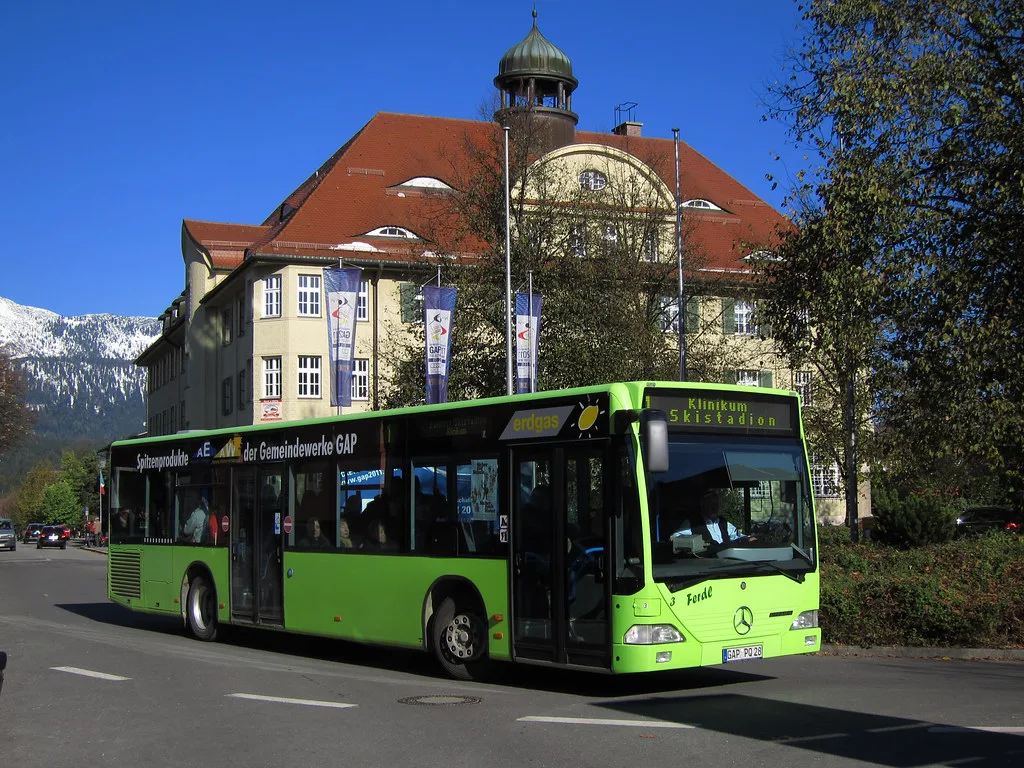
A critical detail many travelers miss is the 'Eibsee Exception' regarding Line 9840. While many local lines are included in tourist passes, the bus to the famous Eibsee lake often requires a separate fare. This specific route is popular, so expect larger crowds during the summer months and winter ski season.
RVO buses also serve these routes but often follow different pricing structures than the town's inner-circle buses. Always verify your destination with the driver if you are unsure about your ticket's validity. Staying in the loop about these nuances ensures you won't face unexpected fines during your journey.
- Line 324 Route Highlights
- Type: Local Ortsbus
- Key Stops: Train Station, Marienplatz
- Frequency: Every 20-30 mins
- Best for: City center shopping
- Line 325 Route Highlights
- Type: Local Ortsbus
- Key Stops: Partenkirchen, Skistadion
- Frequency: Every 30 mins
- Best for: Olympic Ice Stadium
- Line 9840 (Eibsee Bus)
- Type: Regional RVO Bus
- Key Stops: Eibsee Lake, Grainau
- Cost: Approx. €5-7 (one way)
- Note: Often excluded from Guest Cards
Regional Rail: Using Deutsche Bahn and the Werdenfels Ticket
Regional trains operated by Deutsche Bahn (DB) offer a fast way to explore the Werdenfelser Land. The 'Werdenfels Ticket' is a specialized regional pass that provides unlimited travel for a single day. It is often the most economical choice for groups traveling toward Munich or Mittenwald.
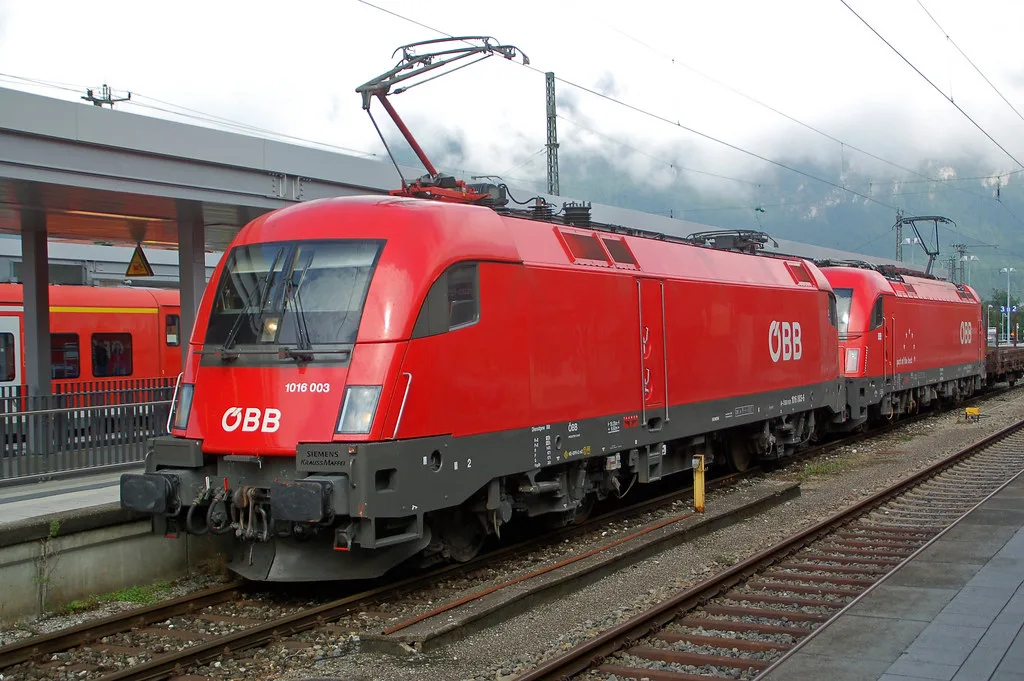
Comparing the Werdenfels Ticket to the broader Bayern-Ticket is essential for savvy budget planning. The Werdenfels version is cheaper but covers a smaller geographic area restricted to the local mountain region. If you only plan to visit nearby villages, this targeted ticket is your best financial bet.
Group travelers benefit significantly from the 'base price plus' system used for these regional passes. One person pays a standard rate, and each additional passenger up to five people pays a much smaller incremental fee. This makes rail travel significantly cheaper than individual tickets or car rentals for families.
- Werdenfels Ticket Pricing Model
- Base Price: ~€24 for one
- Extra Person: ~€10 per person
- Max Capacity: 5 travelers
- Validity: 9 AM to 3 AM
- Bayern-Ticket Comparison
- Base Price: ~€29 for one
- Range: All of Bavaria
- Best for: Long distance trips
- Transport: Includes all regional DB
| Ticket | Base price (1 person) | Extra person | Coverage area | Validity | Best for |
|---|---|---|---|---|---|
| Werdenfels Ticket | ~€24 | ~€10 (up to 5) | Munich ↔ Garmisch ↔ Mittenwald region | 9 AM to 3 AM next day | Local mountain day trips |
| Bayern-Ticket | ~€29 | ~€10 (up to 5) | All of Bavaria | 9 AM to 3 AM next day (weekdays) | Long-distance trips |
| Guest Card (Gästekarte) | Free with stay | Per registered guest | MVV zones 5-12 (Tutzing ↔ Mittenwald) | Length of your stay | Local buses + RB/RE regional trains |
Maximizing the Guest Card for Free Travel
Most hotels and holiday apartments in the region provide a Gästekarte (Guest Card) upon check-in. This card is a powerful tool for Garmisch public transport because it allows for free travel on local white-and-green buses. Simply show the card to the driver as you board to enjoy complimentary rides within the town limits.
The Farchant Guest Card offers similar benefits but focuses on the neighboring village's specific transit needs. If you are staying just outside the main town, ensure you understand which zones your specific card covers. Some cards even offer discounts on the local cogwheel train and museum entries.
Always carry a physical copy or a validated digital version of your card to avoid boarding issues. Drivers are generally strict about seeing the card before you take a seat. This perk can save a family of four over €20 per day in local transit costs. Similar schemes exist in other regions, such as those discussed in our Colmar public transport guide.
2026 MVV Integration: What Changed
The single biggest update for 2026 travelers is that, on 1 January 2026, the entire Garmisch-Partenkirchen district (Landkreis) officially joined the MVV (Münchner Verkehrs- und Tarifverbund — Munich Transport Association). In practice this means one ticket now works seamlessly across regional trains, S-Bahn, U-Bahn, tram, and bus all the way between Munich and the mountains, with no more juggling separate fare systems at the boundary.
The headline benefit for visitors is the upgraded digital Gästekarte (Guest Card). As of 2026 it covers MVV zones 5 to 12 for free, which now includes Deutsche Bahn regional trains (RB/RE) on the line from Tutzing in the north to Mittenwald in the south, plus the branch out to Oberammergau. Before 2026 the card only covered local buses, so this is a genuine expansion — you can now ride the train between Garmisch, Mittenwald, Murnau, and Oberammergau at no extra cost while you hold a valid card. Register the card digitally before arrival so it is active from your first day.
The MVV move also brings two German-wide value tickets into the district: the 365-Euro-Ticket (one year of unlimited MVV travel for residents) and the digital Streifenkarte (strip card) for occasional rides. For most short-stay tourists the Guest Card plus the occasional Werdenfels Ticket still wins, but if you are staying several weeks the new MVV passes are worth pricing out. Full zone maps and fares are on the MVV and RVO Bus websites.
- Guest Card free zones (2026): MVV zones 5-12
- Free DB regional trains: Tutzing ↔ Garmisch ↔ Mittenwald (plus Oberammergau branch)
- New tickets in-district: 365-Euro-Ticket, digital Streifenkarte (strip card)
- One-ticket coverage: regional train, S-Bahn, U-Bahn, tram, bus across the MVV area
Getting to Garmisch: Airport and Train Connections
Most international visitors arrive via Munich Airport (MUC), located about 120 kilometers away. The most reliable connection is the S-Bahn train to Munich Central Station, followed by a regional train to Garmisch. This journey typically takes about two to two and a half hours in total.
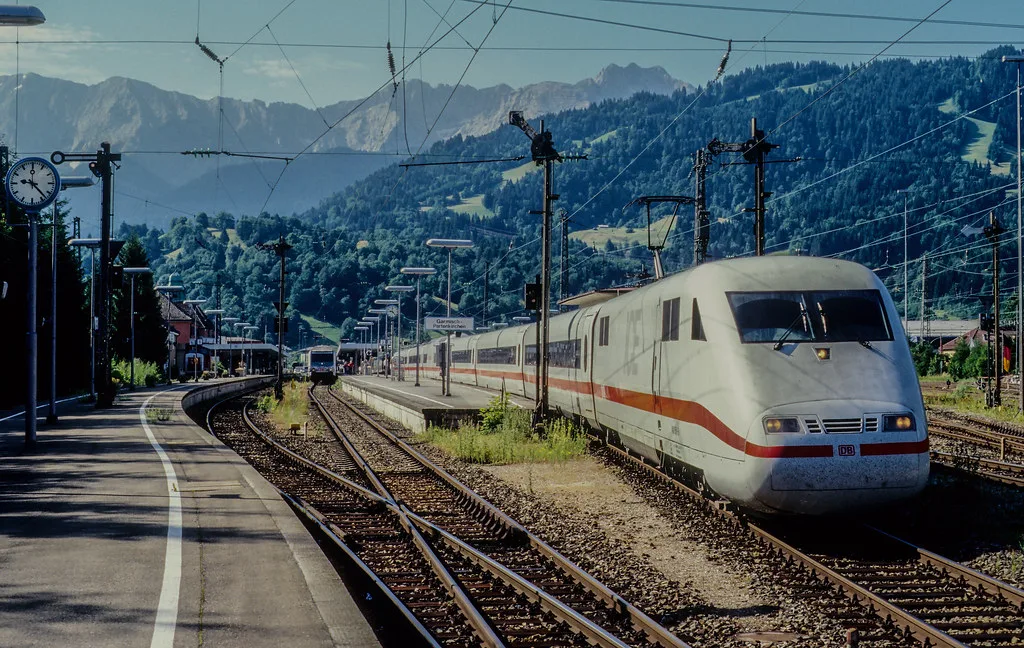
Direct trains from Munich Central Station run every hour, providing a scenic ride through the Bavarian countryside. These trains are equipped with ample luggage space for skis and hiking gear. Booking in advance via the DB website can sometimes secure 'Sparpreis' discount fares for longer journeys.
Bus shuttles also operate between the airport and the mountains during the peak winter season. These are often faster than the train but may be subject to traffic delays on the A95 motorway. Check the Garmisch-Partenkirchen Tourism site for seasonal shuttle schedules and booking links.
Taxis and Ride-Sharing Options in GaPa
Taxis are readily available at the main train station and near the central Marienplatz area. While more expensive than the bus, they are essential for late-night arrivals after the bus service ends around 8 or 9 PM. Expect to pay a base fare plus a kilometer rate that increases slightly on weekends.
Ride-sharing services like Uber have a very limited presence in the Bavarian Alps compared to larger cities. It is much more reliable to call a local taxi company or use a dedicated taxi app. Most local drivers speak basic English and are familiar with all major hotel locations and trailheads.
If you are traveling with a large group or heavy ski equipment, booking a private transfer in advance is recommended. Many local companies offer van services that can accommodate up to eight passengers. This option provides door-to-door service which is especially helpful during heavy winter snowfall.
Reaching Top Attractions via Public Transit
The journey to the Zugspitze summit is a highlight that requires specific transit planning. You can take the Bayerische Zugspitzbahn, a dedicated cogwheel train that starts behind the main DB station. This is a private line, so standard DB tickets and Guest Cards do not cover the full fare.
To reach the Partnach Gorge, take the local bus Line 325 to the Olympic Ski Stadium. From there, a pleasant 20-minute walk leads you to the entrance of the dramatic rock gallery. This route is much easier than trying to find parking near the stadium during busy weekends.
The AlpspiX viewing platform is accessible via the Kreuzeckbahn or Alpspitzbahn cable cars. You can reach the base stations using the local bus network or the regional train stop at 'Kreuzeck/Alpspitze'. For more tips on navigating historic European sites, see our guide on Assisi public transport.
Practical Tips for Navigating Garmisch Without a Car
Heavy snow can significantly impact bus reliability and schedule adherence during the winter months. Always check the DB Navigator app for real-time updates before heading out to a remote trailhead. Local buses are equipped with winter tires, but mountain passes may occasionally close during blizzards.
Digital tools are your best friend when navigating the Garmisch public transport network. Download the local 'GaPa' app which often includes digital guest cards and live bus tracking. Having offline maps downloaded on your phone is also wise for when you are hiking in areas with spotty reception.
Remember that German public transport operates on an honor system with frequent random checks. Even if you have a Guest Card, ensure it is properly filled out with your stay dates and name. If you enjoy exploring European cities by rail, you might also find our Reims public transport guide helpful for future trips.
Frequently Asked Questions
Is public transport free in Garmisch-Partenkirchen?
Yes, local buses are free for visitors who hold a valid Garmisch or Farchant Guest Card. You must show the physical or digital card to the driver upon boarding. Note that regional trains and certain specialized lines like the Eibsee bus may require a separate fare. Check our blog for more travel tips.
How do I get from Munich to Garmisch by train?
Direct regional trains depart from Munich Central Station (Hauptbahnhof) every hour. The journey takes approximately 90 minutes and offers beautiful views of the Alpine foothills. You can use a Bayern Ticket or a Werdenfels Ticket for this route to save money on group travel.
Does the Garmisch Guest Card cover the bus to Eibsee?
Generally, the local Guest Card does not cover the full fare for the white Eibsee bus (Line 9840). This route is operated as a regional service with specific pricing due to its high demand. Visitors should expect to pay a separate fare of approximately €5 to €7 for a one-way trip.
What is the difference between the Bayern Ticket and Werdenfels Ticket?
The Bayern Ticket covers all of Bavaria, while the Werdenfels Ticket is restricted to the local region between Munich and Garmisch. The Werdenfels version is significantly cheaper for those staying within the mountains. Both tickets allow for unlimited regional train travel for one day after 9 AM.
Mastering Garmisch public transport allows you to experience the beauty of the Bavarian Alps without the stress of mountain driving. By utilizing the Guest Card and regional train tickets, you can explore the entire Werdenfelser Land affordably.
Remember to check the 'Eibsee Exception' and keep an eye on winter weather updates for the smoothest experience. Whether you are visiting for the skiing or the hiking, the local transit system is ready to serve you.
Plan your routes in advance using the DB Navigator app to ensure you never miss a connection. Enjoy your car-free journey through one of Germany's most iconic mountain destinations.
You might also like

Continue reading
More guides you'll find useful