Dresden Tram Routes to Attractions: A Complete Transit Guide
Master the Dresden tram system with our guide to the best routes for sightseeing. Learn which lines reach the Zwinger, Frauenkirche, and the Blue Wonder bridge.
 By Marco Bellini
On this page
Dresden Tram Routes to Attractions
Quick answer: For Altstadt sights (Zwinger, Semperoper, Frauenkirche), ride Line 4, 8, or 9 and get off at Theaterplatz or Altmarkt. For the Blue Wonder bridge and Loschwitz hillside railways, take Line 11 to Schillerplatz. There is no tram to the airport — use the S-Bahn S2 instead. Buy a Dresden-zone Day Ticket (€7.50, valid until 4 AM) if you ride more than twice; a single trip is €3.60. The cheat-sheet table below maps every major attraction to its line and stop.
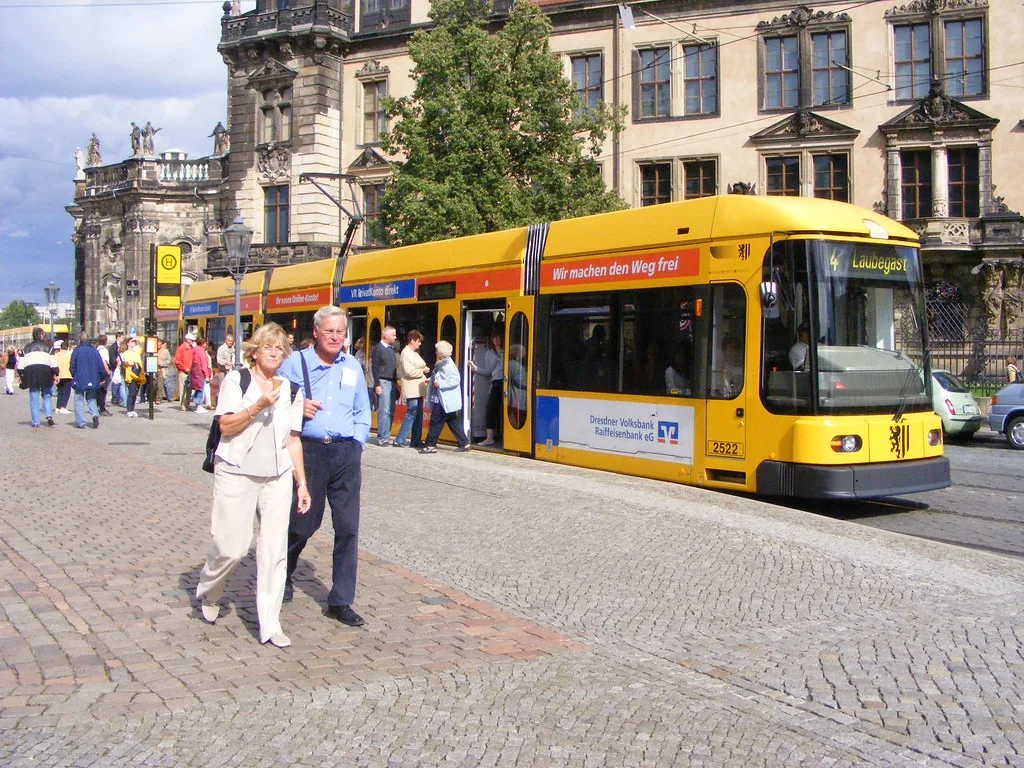
Dresden boasts one of the most efficient public transportation networks in Germany, making it easy to see the sights without a car. The city's yellow trams are the backbone of this system, connecting the historic Altstadt (Old Town) to trendy neighborhoods and distant vineyards. Navigating these routes allows you to maximize your time while enjoying the scenic views along the Elbe River. This guide explores the specific Dresden tram routes to attractions to help you plan a seamless journey.
The Dresdner Verkehrsbetriebe (DVB) operates twelve primary lines that run frequently throughout the day and night. Most major landmarks sit within a short walk of a tram stop, often located near a central hub like Postplatz or Pirnaischer Platz. Understanding which line numbers to follow ensures you won't miss the city's famous baroque architecture or world-class museums. Whether you are heading to the Zwinger or the Blue Wonder bridge, the tram is your most reliable companion.
Free: The European City Transport Cheat Sheet
Airport-to-centre, the best ticket to buy, and the one local gotcha — for 5 European cities, plus the universal rules for trams, ferries, and parking.
Overview of Dresden’s Public Transit System
The DVB system serves as a model for urban mobility, offering frequent service even during the late evening hours. You will find that trams arrive every 10 to 15 minutes at most central stops during the peak daytime window. Check the DVB Official Site (English) for real-time updates on schedules and potential construction detours. Planning your route in advance helps you avoid long wait times at transfer stations.
Dresden is divided into tariff zones, but almost every major tourist attraction lies within the central Zone 10. This simplifies ticketing since you rarely need to worry about crossing zone boundaries for city sightseeing. Buses and the S-Bahn (suburban train) complement the tram lines to provide total coverage of the metropolitan area. You can find more details on these connections in our tram guides for regional travelers.
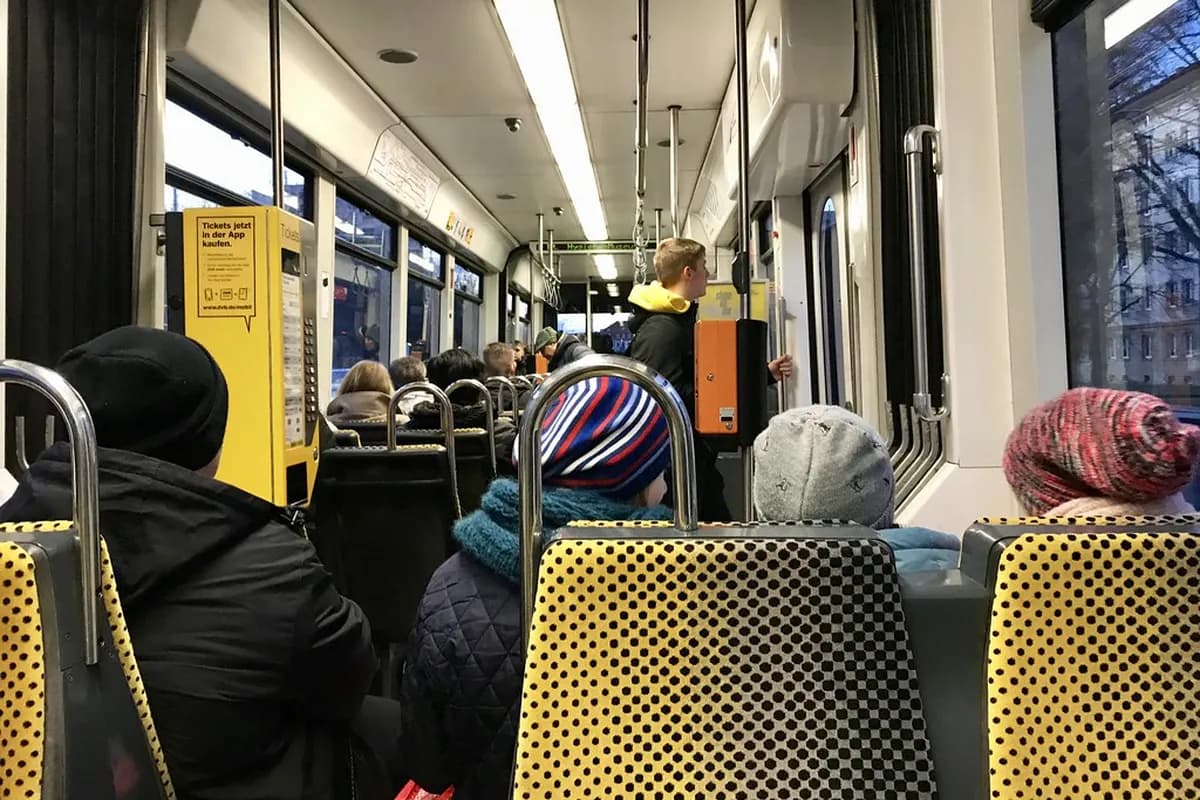
Low-floor trams are standard across the city, providing easy access for families with strollers and travelers with mobility needs. Digital displays at most stops show the exact minutes remaining until the next departure for every line. Inside the vehicles, automated announcements and screens keep you informed about upcoming stops in both German and English. This level of clarity makes the system very approachable for international visitors.
Tram Route Cheat Sheet: Attraction → Line → Stop
| Attraction | Tram Line(s) | Get Off At |
|---|---|---|
| Zwinger & Old Masters Gallery | 4, 8, 9 | Theaterplatz |
| Semperoper & Royal Palace (Residenzschloss) | 4, 8, 9 | Theaterplatz |
| Frauenkirche & Brühl's Terrace | 3, 7 | Altmarkt or Pirnaischer Platz |
| Blue Wonder bridge (Blaues Wunder) & Loschwitz railways | 11 | Schillerplatz |
| Großer Garten & Dresden Zoo | 9, 13 | Zoo / Querallee |
| Radebeul vineyards (Saxony Wine Route) | 4 | Landesbühnen Sachsen |
| Dresden Airport (DRS) | No tram — S-Bahn S2 | Flughafen → Hauptbahnhof |
Tram Line 4: The "Culture Line" to Major Museums
Known locally as the Kulturlinie 4, this route is arguably the most important for any art or history enthusiast. It connects the prestigious museums of the Altstadt with the scenic residential areas of the west and the vineyards of Radebeul. Riding **Line 4** provides a rolling tour of the city's diverse architectural styles and natural landscapes. You can easily spend an entire day hopping on and off at various cultural landmarks.
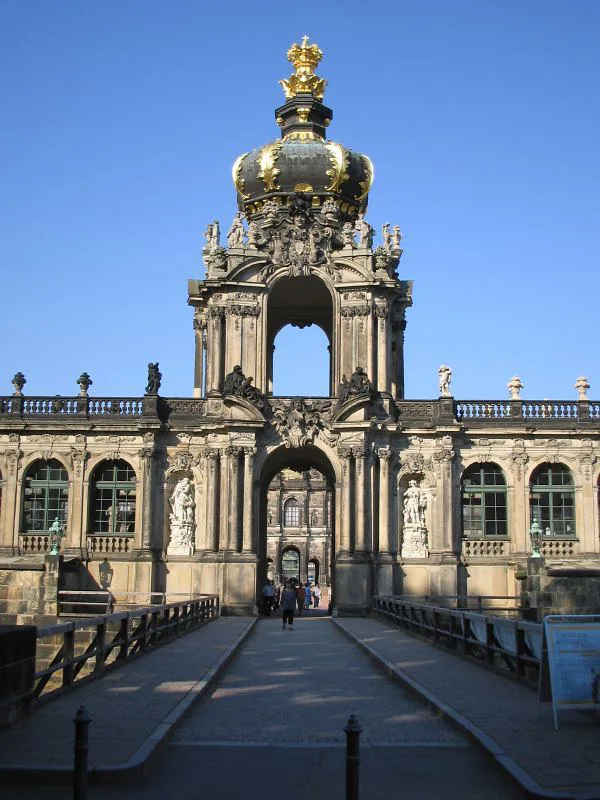
To visit the Dresden Royal Palace (SKD), you should disembark at the Theaterplatz stop. This stop also places you directly in front of the Semperoper and the world-renowned Zwinger palace complex. Expect a short walk of less than three minutes from the tram platform to the museum entrance gates. The proximity of these sites makes **Line 4** the most efficient choice for a morning of heavy sightseeing.
If you stay on the tram heading west, you will eventually reach the Saxony Wine Route in Radebeul. This area offers a refreshing change of pace with its hillside vineyards and historic winery estates. A single trip ticket covers this journey as long as you stay within the permitted time limit for your fare. It is a perfect afternoon excursion for those wanting to see the greener side of the Elbe valley.
- Zwinger & Old Masters Gallery
- Stop: Theaterplatz
- Line: 4, 8, 9
- Walking distance: 2 minutes
- Highlight: Baroque gardens
- Radebeul Vineyards
- Stop: Landesbühnen Sachsen
- Line: 4
- Travel time: 25 minutes
- Highlight: Wine tasting
Tram Line 11: The Route to the Blue Wonder Bridge
For a trip to the picturesque Loschwitz district, **Line 11** is the essential route to remember. This line travels east from the city center, crossing the Elbe and climbing slightly into the more affluent residential hills. You will pass through the Neustadt (New Town) before reaching the famous Blaues Wunder (Blue Wonder) bridge. The journey offers a great perspective on how the city transitions from urban bustle to quiet riverside charm.
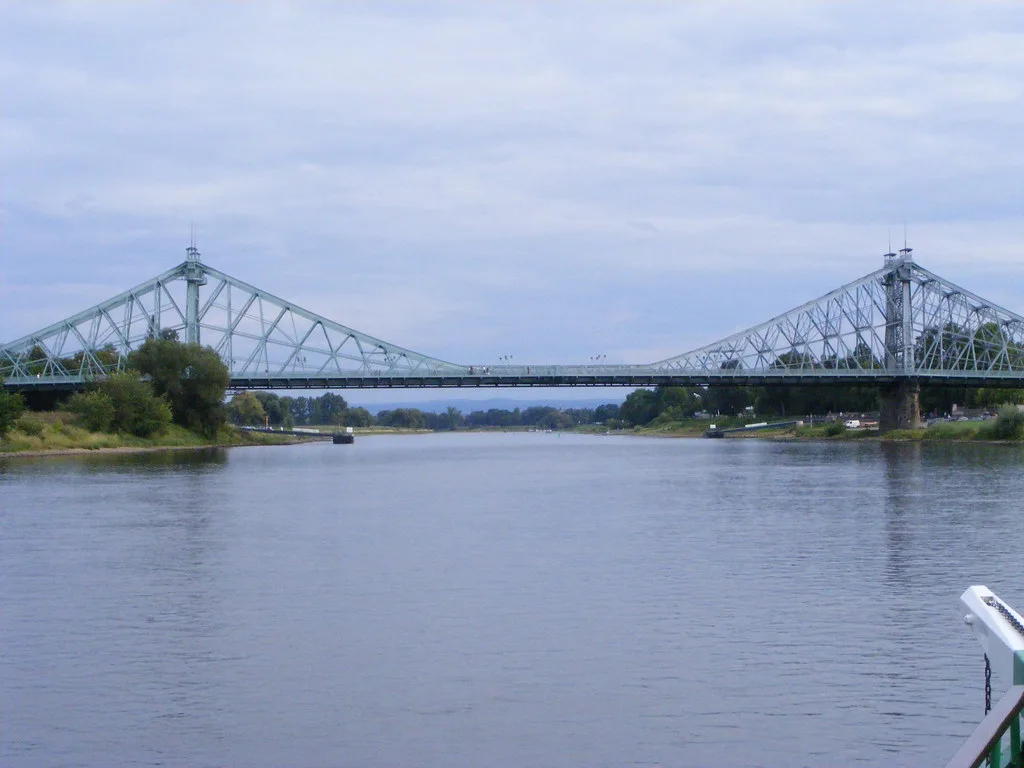
Get off at the Schillerplatz stop to find yourself at the foot of the iconic blue steel bridge. From here, you can walk across the bridge for stunning views of the Elbe and the historic villas lining the banks. Nearby, you will find the lower stations for the city's two historic hillside railways. The Schwebebahn (suspension railway) and Standseilbahn (funicular) are both accessible with standard DVB tickets.
The Loschwitz area is also home to cozy cafes and the famous Pfunds Molkerei, often called the world's most beautiful dairy shop. While the shop is a short walk from the Bautzner/Rothenburger Straße stop, **Line 11** remains the best transit link. Many visitors overlook this district, but it provides some of the most authentic Saxon atmosphere in the city. Check the Dresden Information - Tourism Portal for seasonal opening times of the hillside railways.
Getting From Dresden Airport to the Center (No Tram — Use the S-Bahn)
A common mistake is searching for a tram to Dresden Airport (DRS) — there isn't one. The fast, direct link is the S-Bahn S2, which departs from the station beneath the terminal and reaches Dresden Hauptbahnhof (Main Station) in about 21 minutes. Trains run roughly every 30 minutes from around 04:48 to 23:48, and your ticket is valid the moment you board. From the Hauptbahnhof you can transfer to Line 8 or Line 11 straight into the Altstadt.
If your timing falls outside the S2 schedule, take bus 77 or bus 80 toward Klotzsche and change to tram Line 7 at Käthe-Kollwitz-Platz, which runs directly to Pirnaischer Platz (Pirna Square) in the heart of the city. Either way you only need one Dresden-zone ticket: a single trip is €3.60 (Preisstufe 1), and it covers the train, bus, and tram transfer within the one-hour validity window.
Skip a taxi for budget travel — the S2 costs a fraction of the roughly €25 cab fare. If you land early and plan a full day of sightseeing, buy the Day Ticket (€7.50) at the airport machine instead, since it covers your ride into town plus every tram you take afterward until 4:00 AM the next morning.
Essential Ticketing and Pass Options for Tourists
Choosing the right ticket can save you significant money during a multi-day visit to Dresden. A single Dresden-zone ticket (Einzelfahrt, Preisstufe 1) costs €3.60 as of April 1, 2026, and is valid for one hour of travel in one direction, including transfers between trams and buses. If you plan to use the tram more than twice in a day, the Day Ticket (Tageskarte) at €7.50 is almost always the better value — it pays for itself after roughly two single rides. These passes remain valid until 4:00 AM the following morning, giving you plenty of time for late-night returns.
The Dresden Welcome Card is a popular choice for visitors who plan to enter multiple museums and galleries. It includes unlimited travel on all DVB trams and buses within the city zone for the duration of the card. You also receive discounts or free entry to major sites like the Green Vault or the Transport Museum. Evaluate your itinerary carefully to see if the combined transit and museum savings outweigh the card's upfront cost.
For travelers exploring more of Saxony, the Deutschlandticket offers a unique flat-rate option for €58 per month in 2026 (up from its original €49). This ticket covers all local and regional transport nationwide, including the S-Bahn to Saxon Switzerland or the regional train to Meissen for a day trip. However, it is a subscription-based model that requires cancellation by the 10th of the month if you only need it for one month, so it only pays off if you are taking several intercity hops. Consult the VVO - Regional Transport Authority for the latest rules on regional pass eligibility.
- Short Trip (Kurzstrecke)
- Validity: 4 stops, one direction
- Max time: 20 minutes
- Price: €2.10 (FAIRTIQ app) or €8.40 for a 4-trip paper card
- Best for: Quick hops
- Single Ticket (Einzelfahrt)
- Validity: 1 hour, one direction
- Transfers: Allowed (no return trips)
- Price: €3.60 (Dresden zone)
- Best for: One-off rides
- Day Ticket (Tageskarte)
- Validity: Until 4 AM next day
- Transfers: Unlimited
- Price: €7.50 (Dresden zone)
- Best for: Sightseeing
- Dresden Welcome Card
- Validity: 1-3 days
- Includes: Museums + Transit
- Price: Varies
- Best for: Culture buffs
| Ticket type | Price (2026) | Validity | Transfers | Best for |
|---|---|---|---|---|
| Short Trip (Kurzstrecke) | €2.10 (FAIRTIQ app) | 4 stops / 20 min, one direction | No | Single quick hop |
| Single Ticket (Einzelfahrt) | €3.60 | 1 hour, one direction | Yes (no return) | One-off rides + airport transfer |
| Day Ticket (Tageskarte) | €7.50 | Until 4 AM next day | Unlimited | Sightseeing (3+ rides) |
| Dresden Welcome Card | Varies (1–3 days) | 1–3 days, all DVB zones | Unlimited | Transit + multiple museums |
Navigating the City: Practical Tips for Tram Travel
The best way to stay on top of your schedule is by downloading the DVB mobil app on your smartphone. It features an "Abfahrten" (departures) tool that shows exactly when the next tram will arrive at your current location. The app also allows you to buy digital tickets directly, which saves you from hunting for a ticket machine. Note that some older trams may only have ticket machines that accept coins or German debit cards.
If you are out late enjoying the nightlife in the Neustadt, remember that the Postplatz is the central meeting point. At specific intervals during the night, trams from all major lines arrive at Postplatz simultaneously to allow for easy transfers. This "night hub" system ensures that you can reach almost any part of the city even after midnight. Look for the "Gute Nacht" (Good Night) symbol on digital displays to identify these late-night connections.
Always remember to validate your paper ticket in the yellow or orange machines before or immediately after boarding. Failure to have a validated ticket can result in a heavy fine if a transport inspector boards the vehicle. Most trams allow you to board through any door, but you should always give way to passengers exiting first. Keeping these small etiquette rules in mind will make your journey through Dresden much smoother.
Frequently Asked Questions
Which Dresden tram routes are best for first-time visitors?
**Line 4** and **Line 11** are the most beneficial for newcomers. **Line 4** hits the major Altstadt museums like the Zwinger, while **Line 11** connects you to the scenic Elbe bridges and hillside railways. Both offer a great introduction to the city's layout. For more general tips, see our guide on getting around Dresden.
How do I buy tram tickets in Dresden?
You can purchase tickets from machines at major stops, inside most trams, or via the DVB mobil app. Machines at stops usually accept cards, while those on trams might be coin-only. Digital tickets are often the most convenient for international travelers avoiding physical currency.
Does the Dresden tram go to the airport?
No, the tram network does not reach the airport directly. Instead, you should take the S-Bahn S2 train, which runs every 30 minutes from the terminal to the Hauptbahnhof (Main Station). Your standard VVO city ticket is valid for this train journey within Zone 10.
Is the Dresden Welcome Card worth it for public transport?
The card is worth it if you plan to visit at least two or three paid museums per day alongside using the tram. If you only need transportation, a standard Day Ticket is significantly cheaper. Always calculate your expected entry fees before purchasing the card.
Dresden's tram network is a reliable and scenic way to explore one of Germany's most beautiful cities. By focusing on key routes like **Line 4** and **Line 11**, you can reach the most famous landmarks with ease. The integration of historic railways and modern trams offers a unique transit experience that few cities can match. Plan your trips using the DVB app to ensure you spend more time at the attractions and less time waiting.
Whether you are visiting for the Christmas markets or the summer wine festivals, the yellow trams will be there. Remember to validate your tickets and keep an eye on the night schedules at Postplatz for a stress-free visit. Dresden is a city designed to be seen from the tracks, so grab a window seat and enjoy the view. For those traveling by car, consider using a P+R lot and checking our tips on Dresden parking to save on city center fees.
Free: The European City Transport Cheat Sheet
Airport-to-centre, the best ticket to buy, and the one local gotcha — for 5 European cities, plus the universal rules for trams, ferries, and parking.
You might also like


Continue reading
More guides you'll find useful