8 Things to Know About the Opicina Tram Ride in Trieste
Discover the historic Opicina tram ride in Trieste. Get the 2026 status and timetable, accurate ticket prices, and tips for the unique funicular section with 26% gradient.
 By Marco Bellini
On this page
8 Things to Know About the Opicina Tram Ride in Trieste
TL;DR (June 2026): The Opicina tram (Linea 2) is not yet back in regular service — it reopened on 1 February 2025 but broke down again in October 2025 and has been closed for repairs ever since. Test runs began on 10 June 2026 and Trieste Trasporti is targeting a mid-June 2026 restart, so confirm before you go. When it runs: the city-center terminus is temporarily Piazza Dalmazia (not Piazza Oberdan, which is being renovated), a single ticket is €1.35 (valid 75 minutes on any urban bus or the tram), departures run roughly every 28 minutes from 07:00 to 20:00, and the ride to Villa Opicina takes about 20-30 minutes including the funicular section.
This is a rare hybrid line: a traditional street tram that hands off to a cable-driven funicular to climb a 26% gradient up to the Karst Plateau, with sweeping views over the Adriatic from century-old wooden carriages. Running since 1902, it remains both a working commuter link and a beloved local icon.
Below you will find the current service status, the temporary route, accurate 2026 fares and ticket-validation rules, the funicular engineering, and what to see once you reach Villa Opicina — plus dog and bicycle rules and a pro tip on the best seat for sea views.
Free: The European City Transport Cheat Sheet
Airport-to-centre, the best ticket to buy, and the one local gotcha — for 5 European cities, plus the universal rules for trams, ferries, and parking.
Current Service Status and 2026 Timetable
Read this section before you build a day around the tram. After the long closure that followed a 2016 collision, the Linea 2 (Tram di Opicina) briefly reopened on February 1, 2025 — only to break down again in October 2025, sending it straight back into the workshop. Repair work resumed on January 15, 2026, technical test runs along Piazza Dalmazia began on June 10, 2026, and Trieste Trasporti is targeting a return to passenger service in mid-June 2026. As of this writing the tram is still not carrying passengers, so always confirm the live status before you travel.
When full service resumes, the operator plans 58 daily trips — 29 departures from Piazza Dalmazia up to Opicina and 29 back down — running every day, Monday to Sunday, between roughly 07:00 and 20:00. That works out to a tram roughly every 28 minutes, a meaningful step up from the cautious 28-departures-per-day schedule used during the 2025 phase-in.
The biggest change to flag is the terminus. The traditional city-center stop at Piazza Oberdan is closed for renovation, so the temporary downtown terminus is Piazza Dalmazia, a short walk away. Many older guidebooks still send travelers to Oberdan, so check the latest map on the Discover Trieste - Practical Info page and verify the daily board at the station before planning a tight connection.
History of the Tranvia di Opicina
The Tranvia di Opicina is one of the oldest and most beloved transport lines in Italy. It was inaugurated in 1902 to connect the bustling port of Trieste with the growing village of Opicina. Originally, the line used a rack-and-pinion system before switching to the current cable tractor method in 1928.
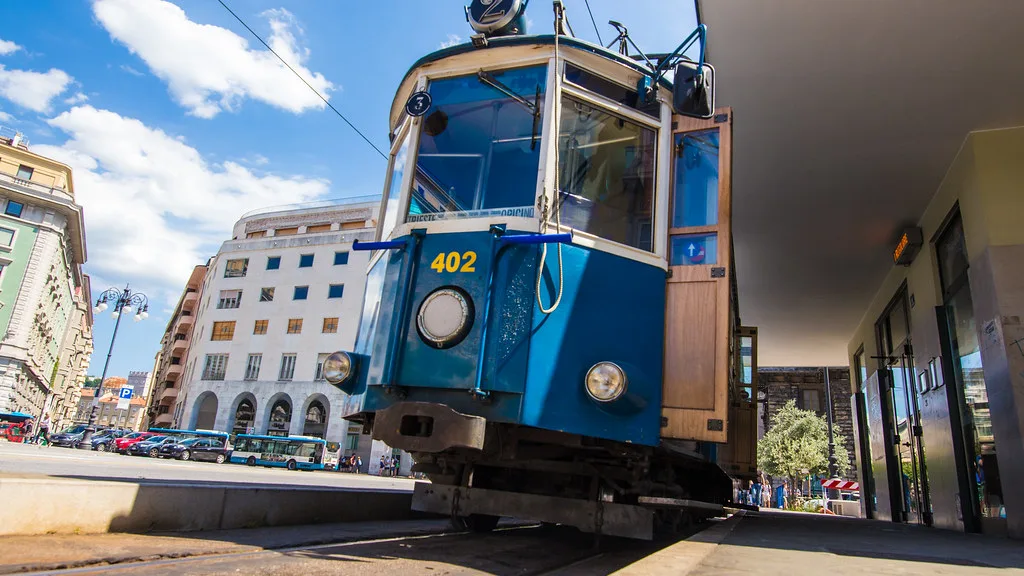
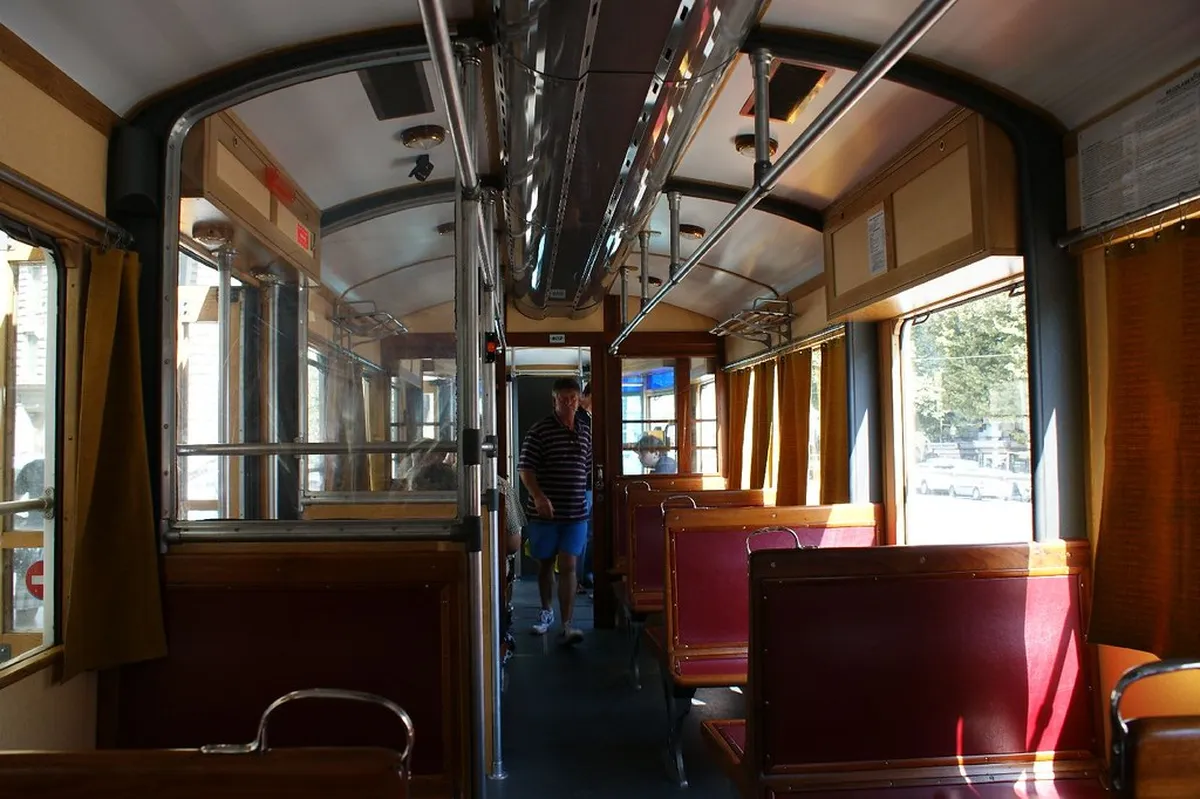
The rolling stock itself is a living museum, featuring classic Stanga and TIBB carriages from the 1930s and 1940s. These vintage cars have been meticulously restored to maintain their historical integrity while upgrading internal components. Sitting on the polished wooden slats provides a tactile connection to the city's Austro-Hungarian past.
Local culture is deeply intertwined with this tram, most famously celebrated in the folk song "El tram de Opcina." The lyrics humorously recount a 1902 incident where a tram car jumped the tracks, becoming a symbol of local resilience. This song is still sung in local taverns today, reflecting the deep affection residents have for their "el tran."
Modern history for the line has been challenging, particularly following a collision in 2016 that forced a long-term closure. Complex legal battles and the need for specialized parts delayed the reopening for nearly a decade. The 2025 return represents a major victory for heritage preservation and sustainable tourism in the region.
The Funicular Engineering: How the Tram Climbs 26%
What makes the Opicina tram ride Trieste truly unique is its transition from a standard tram to a funicular. At the Piazza Scorcola station, the tram stops to wait for a specialized "shield car" or cable tractor. This device, known locally as the Skorlja, pushes the tram up the steepest part of the route.
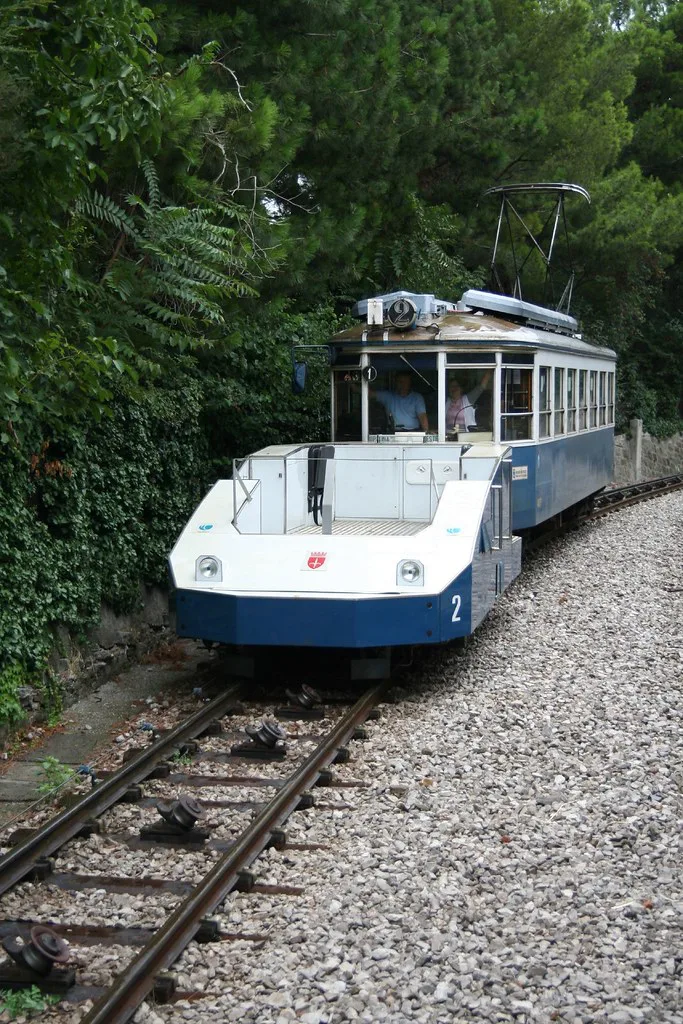
The gradient on this section reaches a staggering 26 percent, making it one of the steepest tramways in Europe — a far cry from the flat city lines you will meet elsewhere when getting around Europe by public transport. The cable system works by using two tractors connected by a single cable that passes through a motor house at the top. As one tractor descends, it helps pull the other one up the incline with the tram in tow.
Passengers can feel the change in angle as the tram locks into place behind the shield car for the ascent. This mechanical hand-off is a fascinating sight for engineering enthusiasts and casual observers alike. The entire process is automated but monitored closely by specialized technicians to ensure passenger safety.
During the descent, the shield car acts as a secondary braking system to manage the heavy tram cars. This dual-purpose engineering allows the line to navigate terrain that would be impossible for standard rail vehicles. It remains a rare example of hybrid transport technology still in active daily use.
Route Overview: From Piazza Dalmazia to the Karst
The full line runs about 5.2 kilometers, climbing from sea level in central Trieste up to roughly 329 meters on the Karst Plateau. During the 2026 works the downtown end is the temporary Piazza Dalmazia terminus rather than Piazza Oberdan; from there the tram rolls along the street as an ordinary electric tramway before reaching Piazza Scorcola, where the funicular hand-off happens.
From Scorcola the cable tractor takes over for the steep central climb, then the tram continues under its own power along the upper section to the terminus at Piazzale Monte Re in Villa Opicina. End to end the ride takes about 20-30 minutes including the coupling. A new intermediate stop at Piazza Casali has also been added during the 2026 upgrades, alongside fresh track at the Obelisco curve and the Banne level crossing.
Pro tip: sit on the left-hand side going up (the right going down) for the open views over the Gulf of Trieste and Miramare Castle — the right side mostly faces the hillside.
Practical Visitor Information: Tickets and Prices
The tram is part of Trieste's standard urban network, so ordinary city transit tickets are valid — there is no special "tram fare." This single-ticket-across-modes setup is common in Italy, much like the bus-and-tram system covered in our Treviso public transport guide over in the Veneto. A single urban ticket costs €1.35 and is valid for 75 minutes on any urban bus or the tram, so you can chain a bus ride onto your tram trip within that window. A 24-hour daily pass costs €4.50 and covers unlimited buses plus the tram, which pays off if you also visit attractions like Miramare Castle. In summer, look for the seasonal "Tram+Opicina" combo (€8), which bundles the return journey with a drink at a hilltop café terrace. Note that the same urban ticket also works for other regional rides covered by a multi-use pass, such as the padua-tram-map network.
Tickets must be bought before you board, as drivers do not sell them on the vehicle. In the city center, newsstands and tobacco shops (Tabacchi) sell paper tickets, and there is an automated machine at the Piazzale Monte Re terminus in Villa Opicina for the return leg. To use that machine, select the urban single ticket, insert coins or tap a card, and take the printed ticket — then validate it on board.
Once aboard, validate your ticket in the small yellow or green machines by the doors. Failure to stamp can mean a fine even if you hold a valid unstamped ticket, and inspectors check frequently in peak season. Keep the validated ticket until you have fully left the station area.
- Single Urban Ticket
- Cost: €1.35
- Validity: 75 minutes (bus + tram)
- Where: Tabacchi shops, machines
- Requirement: Must validate
- Daily Pass
- Cost: €4.50
- Validity: 24 hours
- Best for: Multiple trips
- Access: All urban buses + tram
- Tram+Opicina Combo
- Cost: €8 (seasonal)
- Includes: Return ride + a drink
- Where: Café terrace at the top
- Best for: Casual day-trippers
| Ticket type | Price (2026) | Validity | Where to buy | Best for |
|---|---|---|---|---|
| Single urban ticket | €1.35 | 75 min (bus + tram) | Tabacchi, newsstands, machines | A one-way or quick there-and-back ride |
| 24-hour daily pass | €4.50 | 24 hours, unlimited | Tabacchi, machines | Pairing the tram with Miramare or city buses |
| Tram+Opicina combo | €8 (seasonal) | Return journey | Hilltop café terrace | A relaxed day-trip with a drink included |
Top Things to Do in Villa Opicina
Reaching the top of the line in Villa Opicina opens up a world of nature and local gastronomy. One of the most popular activities is walking the Strada Vicentina, also known as the Napoleonica trail. This flat, scenic path offers panoramic views of the Gulf of Trieste and the Miramare Castle from above.
For a true taste of the region, look for a local "osmiza" in the surrounding countryside. These are temporary farm-style taverns where locals sell their own wine, cheese, and cured meats directly to the public. Look for a bunch of ivy hanging by the road, which is the traditional sign that an osmiza is open for business.
The Karst Plateau is also home to incredible geological formations, including the Grotta Gigante, one of the world's largest tourist caves. While it requires a short bus ride from the tram terminus, it is well worth the detour. The cool underground temperatures provide a refreshing break from the summer heat.
If you prefer a quieter afternoon, the village of Opicina itself has several charming cafes and small shops. It offers a much slower pace of life compared to the busy streets of downtown Trieste. Many visitors enjoy a simple coffee while watching the vintage trams maneuver at the terminus.
Traveling with Dogs and Bicycles
Dogs are welcome on the tram. Small pets in a carrier generally ride for free, while larger dogs should be leashed and muzzled and may need a reduced-fare ticket. The vintage carriages are compact, so keep your dog close, especially during the funicular coupling when the car can lurch.
Bicycles are now permitted too, but in limited numbers and subject to space on board. Riders must load and unload their own bike and secure it correctly on the rack — Trieste Trasporti declines responsibility for damage to the carriage, other passengers, or other bikes caused by negligence. Because capacity is tight and the line is part funicular, plan for the possibility of waiting for a less crowded departure, and consider riding the scenic Napoleonica trail at the top rather than carrying a bike for the full climb.
Frequently Asked Questions
Is the Opicina tram running in 2026?
Not yet in regular service as of June 2026. The tram reopened on February 1, 2025 but broke down again in October 2025 and has been closed for repairs since. Test runs began on June 10, 2026 and Trieste Trasporti is targeting a mid-June 2026 restart, so check the Trieste Trasporti Official Site for the live status before you travel.
Where do you buy tickets for the Trieste-Opicina tram?
Tickets can be purchased at tobacco shops, newsstands, or via automated machines at the main terminuses. You cannot buy tickets from the driver once on board the tram. For more information on Italian transit systems, you might also explore the tram-guides section for regional travel tips.
How long is the Opicina tram ride?
The entire journey from the city center to Villa Opicina takes approximately 20 to 30 minutes. This includes the time required for the technical coupling with the cable tractor at the funicular section. It is a relatively short but highly scenic trip that covers about 5 kilometers of track.
Can you take dogs on the Opicina tram?
Yes, dogs are generally allowed on the tram provided they are leashed and muzzled for safety. Small pets in carriers often travel for free, while larger dogs may require a reduced-fare ticket. Always be mindful of other passengers, as the vintage carriages can feel quite cramped during peak hours.
The Opicina tram ride in Trieste is a rare surviving piece of European transport history that offers a unique perspective on the city. Its long-awaited 2026 return marks the comeback of a beloved icon that bridges the gap between the sea and the mountains. Whether you are an engineering fan or a nature lover, the climb up the Karst is unforgettable.
Planning your trip with the latest schedule and terminus information will ensure a smooth experience. Remember to sit on the left side when ascending for the best views of the sparkling Adriatic coastline. The combination of vintage charm and stunning scenery makes this a highlight of any visit to Northeast Italy.
As the service continues to expand throughout the year, it will remain a cornerstone of local identity. We encourage you to explore more of Italy's unique rail systems by visiting hopwander.com/blog for further travel inspiration. Enjoy your journey on the historic Linea 2.
Free: The European City Transport Cheat Sheet
Airport-to-centre, the best ticket to buy, and the one local gotcha — for 5 European cities, plus the universal rules for trams, ferries, and parking.
You might also like


Continue reading
More guides you'll find useful