Orvieto Parking and Visiting Guide: 10 Essential Tips
Master Orvieto parking with our guide to free lots at Piazza della Pace, paid options at Campo della Fiera, and tips for avoiding ZTL fines.
 By Marco Bellini
On this page
Orvieto Parking and Visiting Guide: 10 Essential Tips
Short on time? Here's the verdict for 2026: The easiest park-and-ride is Campo della Fiera, a covered lot at the base of the cliff (€1.50/hour or €8 for 24 hours, 500+ spaces) with a free covered escalator and elevator straight up into the historic center. To save money, leave the car for free at Piazza della Pace beside the train station and ride the funicular up (€1.50 single, runs every 10 minutes, ticket includes the connecting minibus). Whatever you do, never drive into the walled center — it is a ZTL (Zona Traffico Limitato) and the cameras issue automatic fines.
Perched atop a dramatic volcanic cliff, Orvieto stands as one of the most stunning jewels in the Umbria region. Navigating the transition from the modern valley to the medieval summit requires careful planning regarding your vehicle. Understanding the nuances of Orvieto parking ensures you spend your time admiring the Duomo rather than disputing traffic fines. This guide explores the best ways to reach the historic center while keeping your car safe and legally parked.
Visitors often find the vertical layout of the city both enchanting and slightly confusing upon arrival. The distinction between the industrial Orvieto Scalo below and the ancient Centro Storico above is vital for a smooth trip. Many travelers make the mistake of driving blindly into the upper town without checking for restricted zones. Learning the local layout will help you choose between convenient paid lots and budget-friendly free spaces, and if Orvieto is one stop on a wider road trip, our getting around Europe overview covers how driving, trains, and city transit fit together.
Free: The European City Transport Cheat Sheet
Airport-to-centre, the best ticket to buy, and the one local gotcha — for 5 European cities, plus the universal rules for trams, ferries, and parking.
The Ancient City of Orvieto: Must-See Attractions
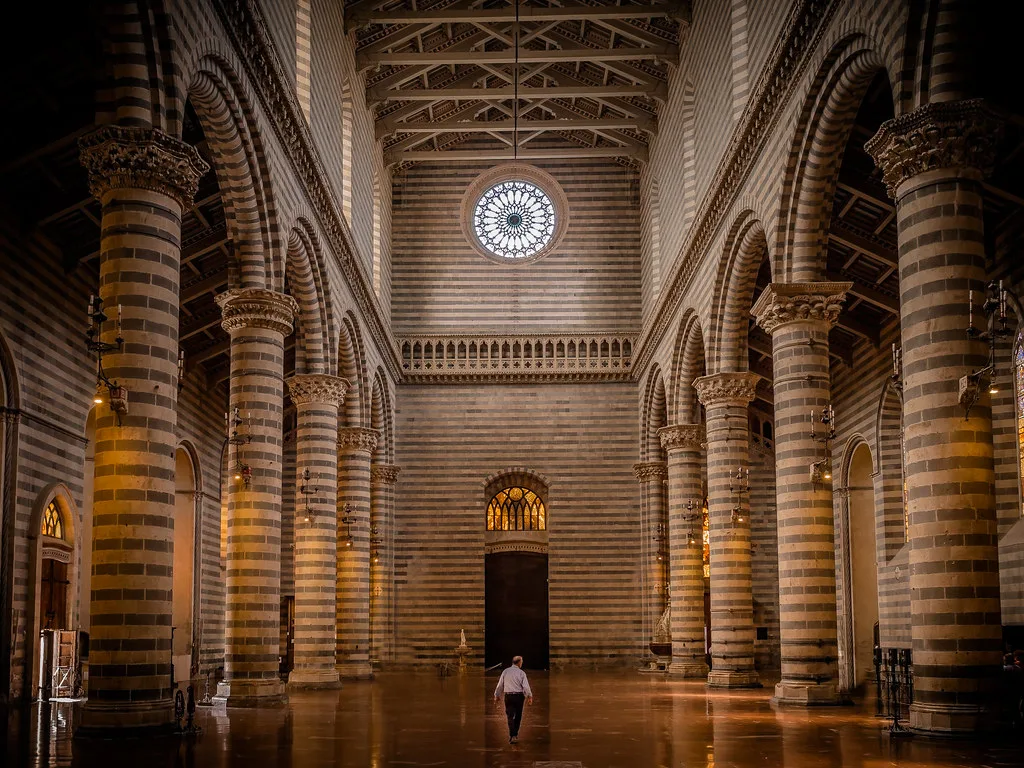
The heart of the high town is dominated by the Duomo di Orvieto, a masterpiece of Italian Gothic architecture. Its golden mosaics and intricate stone carvings draw thousands of visitors to the central piazza every day. Walking through the narrow cobblestone streets reveals a history that stretches back to the Etruscan era. You can explore this deep history further by booking an Orvieto Underground tour to see ancient caves.
The Pozzo di San Patrizio, or St. Patrick's Well, offers a unique engineering marvel with its double-helix staircase. Descending into this 16th-century well provides a cool respite from the Italian summer heat. Each step takes you deeper into the volcanic rock upon which the entire city is built. Nearby, the Albornoz Fortress provides a peaceful spot to look out over the surrounding valley.
Museums, Art, and Culture in the High Town
Culture enthusiasts will find a wealth of treasures within the museums surrounding the Cathedral square. The Museo Claudio Faina houses an impressive collection of Etruscan artifacts found in the local necropolis. These displays offer a window into the lives of the people who inhabited this cliff thousands of years ago. Art lovers should also visit the Opera del Duomo for its religious sculptures and paintings.
Orvieto is famous for its traditional ceramics, characterized by vibrant colors and intricate geometric patterns. You will find many artisan workshops tucked away in the side streets near the main shopping thoroughfares. These shops often provide demonstrations of the glazing and firing techniques used for centuries. Browsing these local crafts is a great way to support the community while finding a unique souvenir.
Parks, Gardens, and Outdoor Spots in Orvieto
Beyond the stone walls, Orvieto offers several green spaces where you can enjoy the fresh Umbrian air. The gardens within the Albornoz Fortress are perfect for a quiet stroll after a morning of sightseeing. From the fortress walls, you can see the funicular climbing the steep hillside every few minutes. These viewpoints offer some of the best photographic opportunities of the valley floor below.
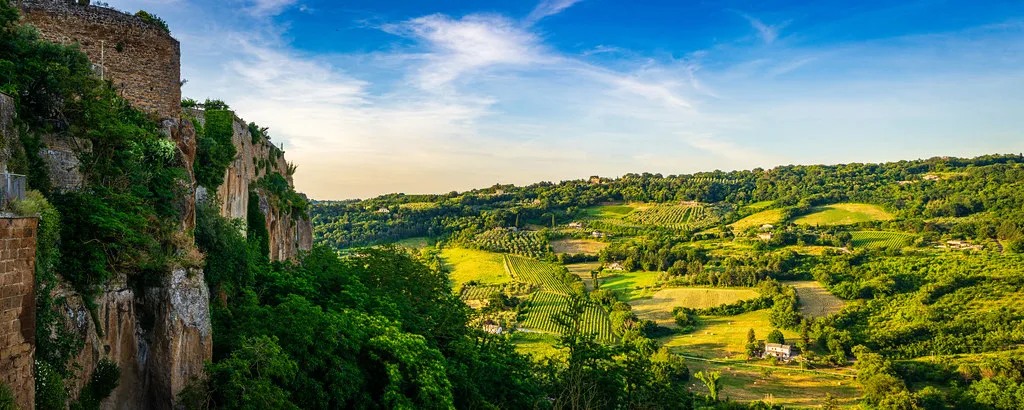
A path known as the Anello della Rupe circles the base of the city's massive tufa cliffs. This trail allows hikers to appreciate the sheer scale of the volcanic rock foundation. It is a popular choice for those who want to experience the natural beauty surrounding the urban center. Make sure to wear sturdy shoes as the terrain can be uneven in certain sections.
Family-Friendly and Budget-Friendly Parking Options
Finding affordable Orvieto parking is easiest if you stay in the lower part of the city near the station. The lot at **Piazza della Pace** is the primary choice for budget-conscious travelers because it is free. This large area is located right behind the Orvieto train station and offers ample space for cars. From here, you can easily access the funicular to reach the historic center in minutes.
If you prefer to park closer to the top, Campo della Fiera (the former Foro Boario) is a massive covered paid facility with over 500 spaces at the southwest base of the cliff. As of 2026 it costs €1.50 per hour or €8 for a full 24 hours, and it is open around the clock — making it the go-to for overnight stays. From the lot, a free covered escalator climbs in three stages to Piazza Cahen and Via Ripa Medici, depositing you near Piazza della Repubblica; the Ripa Medici elevator is free as well. Check the Orvietoviva Parking Details for the most recent pricing updates before you arrive.
Another reliable paid option is the Via Roma parking garage on the east side of town, a covered lot in front of the former Caserma Piave barracks. It charges the same €1.50 per hour and is often less crowded than Campo della Fiera during peak tourist weekends, with a short walk to the main monuments. If you only find a blue-lined on-street space, those are pay-only too — also €1.50/hour, payable at the meter until 10:00 PM. Like other Italian hill towns, such as Assisi parking areas or the walled streets covered in our Lucca parking guide, these lots fill up early.
| Car park | Cost (2026) | Location | Best for |
|---|---|---|---|
| Piazza della Pace | Free | Low town, beside the train station | Budget travelers; take the funicular up |
| Campo della Fiera | €1.50/hr or €8/24h | Base of the cliff (southwest) | Easy access via free escalator/elevator; overnight |
| Via Roma | €1.50/hr | East side, near Piazza Cahen | A shorter walk; quieter on busy weekends |
- Piazza della Pace (Lower Town)
- Cost: Free of charge
- Best for: Budget travelers
- Access: Funicular nearby
- Capacity: Very large
- Campo della Fiera (Upper Town)
- Cost: Paid hourly
- Best for: Easy access
- Access: Elevators/Escalators
- Capacity: Multi-level
- Via Roma Garage (Upper Town)
- Cost: Paid hourly
- Best for: North entrance
- Access: Short walk
- Capacity: Moderate
How to Plan a Smooth Orvieto Attractions Day
Starting your day before 9:00 AM allows you to secure the best parking spots in the upper lots. Tour buses often arrive by mid-morning, which can lead to longer lines at the funicular and elevators. You can purchase your funicular tickets at the small kiosk located directly across from the train station. Many visitors choose to buy a round-trip ticket to save time during their evening return.
Consider purchasing a Carta Unica if you plan to visit multiple museums and the underground caves. This combined pass often includes the funicular fare and discounts at various local restaurants. It simplifies your logistics by grouping all necessary entry fees into one single payment. Similar to navigating Montepulciano parking or the small-town lots in our Bosa parking guide, planning your walking route in advance saves energy.
Moving Around Once You Are in the High Town
Once you exit the parking elevators or the funicular, the city becomes a pedestrian's paradise. The main streets are mostly flat, making it easy to walk between the Duomo and the fortress. Electric mini-buses also operate on fixed routes for those who prefer not to walk long distances. These small vehicles are designed to navigate the tight medieval alleys without disrupting the atmosphere.
Families with strollers should prioritize the Campo della Fiera lot for its modern elevator system. While the city is old, the primary tourist paths are relatively accessible for those with limited mobility. Be mindful that some side streets feature steep inclines or uneven ancient stone steps. Planning your route along the Corso Cavour will provide the smootest walking experience through town.
A Word About Google and Navigating with a Fun Old Map
Relying solely on GPS can be a major mistake when driving in historic Italian city centers. Google Maps often fails to recognize the strict **ZTL (Zona Traffico Limitato)** boundaries in Orvieto. Driving past a ZTL camera without authorization will result in an automated fine sent to your home. These cameras are positioned at every major entrance to the historic center to deter unauthorized cars.
We recommend picking up a physical map at the tourist office located in Piazza del Duomo. The medieval layout is often easier to understand visually than through a digital blue line. Physical maps clearly mark the pedestrian zones and the locations of public restrooms or elevators. If your hotel is inside the ZTL, ensure they register your license plate with the authorities immediately.
If Instead You Are Arriving by Car or Train
Arriving by train is a stress-free alternative to searching for Orvieto parking during the busy season. The station is located in Orvieto Scalo, which is the modern and more industrial part of the city. While the lower town lacks the charm of the cliff, it serves as a vital transport hub, with direct regional services to larger cities where it pays to study the local network first, as our Florence public transport guide explains. You can leave your car in the station lot and enjoy the scenic funicular ride up the rock.
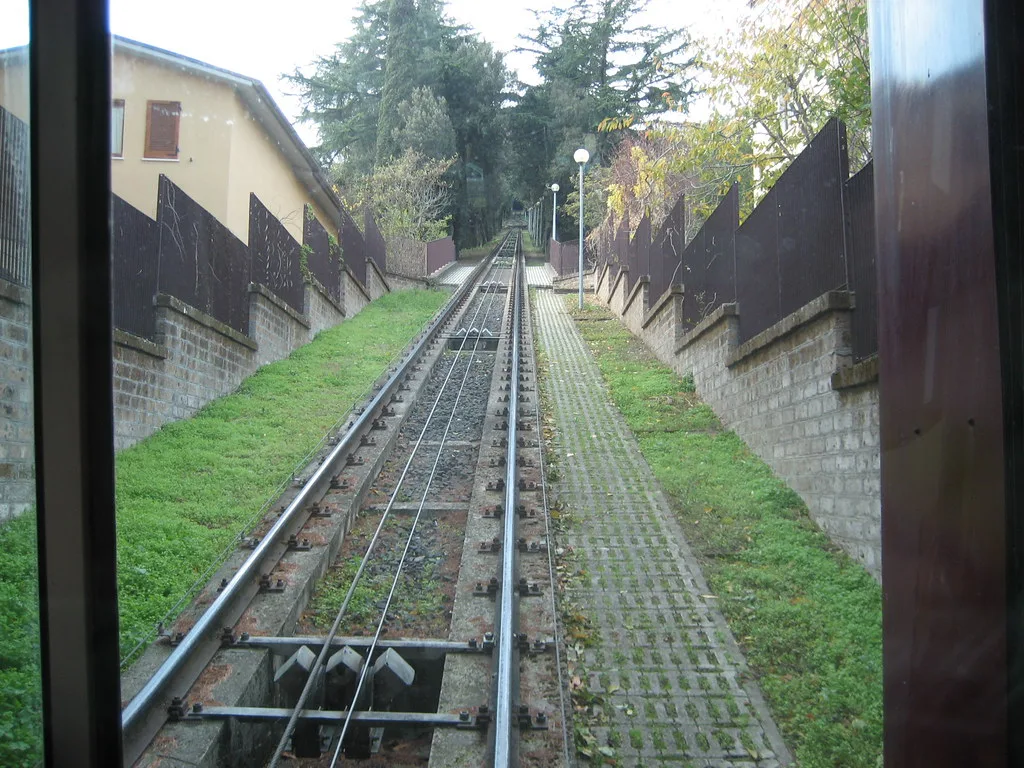
The funicular departs roughly every 10 minutes and takes only a couple of minutes to reach the top. It runs from about 07:15 to 20:30 on weekdays and 08:00 to 20:30 on Sundays and holidays (later in the April–October high season), and a single €1.50 ticket is valid 90 minutes and also covers the connecting minibus from Piazza Cahen to Piazza Duomo. This is often faster than driving through the winding roads that lead to the upper parking garages. If you are coming from other hilltop towns like San Gimignano parking zones, you will appreciate this efficiency. The transition from the modern station to the medieval square feels like stepping back in time.
Frequently Asked Questions
Where is the best free parking in Orvieto?
The best free parking is located at Piazza della Pace, situated directly behind the Orvieto train station in the lower town. This lot is spacious and provides easy access to the funicular. It is an ideal choice for budget travelers who want to avoid high hourly rates. See more parking guides for nearby cities.
How do I get from the Orvieto train station to the Duomo?
Take the funicular from the station at Orvieto Scalo to the top of the cliff. Once you arrive at Piazza Cahen, you can walk for about 15 minutes or take a small local bus. The bus drops passengers off directly in front of the Duomo facade. Tickets are available at the station kiosk.
Are there ZTL zones in Orvieto I should avoid?
Yes, the entire historic center of Orvieto is a ZTL (Zona Traffico Limitato) where only authorized vehicles may enter. Cameras monitor the entrances and will trigger heavy fines for unauthorized cars. Always park in designated lots like Campo della Fiera or Piazza della Pace to stay outside these restricted areas.
Is it better to park in the low town or high town?
Parking in the low town at Piazza della Pace is better for saving money since it is free. However, parking in the high town at Campo della Fiera is more convenient for those with heavy luggage or limited time. Both options offer reliable transport links to the main historic attractions and the Cathedral.
How much does the Orvieto funicular cost?
A single trip on the Orvieto funicular typically costs around 1.30 to 1.50 Euros. Tickets are valid for 90 minutes and can also be used on the local buses in the high town. You should buy your tickets at the bar or kiosk at the base before boarding the carriage.
Mastering Orvieto parking is the first step toward a successful visit to this magnificent Umbrian city. Whether you choose the free lots at the station or the convenient underground garages, planning ahead is key. Always respect the ZTL boundaries to ensure your Italian holiday remains free of unexpected traffic tickets. Enjoy the breathtaking views and the rich history that awaits you at the top of the volcanic cliff.
Orvieto remains one of the most accessible hill towns if you follow these logistical tips. The combination of modern elevators and the classic funicular makes the climb effortless for every traveler. Take the time to wander the side streets and discover the local flavors of the region. Your journey through this ancient stone city will surely be a highlight of your time in Italy.
Free: The European City Transport Cheat Sheet
Airport-to-centre, the best ticket to buy, and the one local gotcha — for 5 European cities, plus the universal rules for trams, ferries, and parking.
You might also like

Continue reading
More guides you'll find useful