Syracuse Public Transport: 10 Essential Tips and Routes
Master Syracuse public transport with our guide to Centro buses, university shuttles, and intercity routes to NYC. Includes schedules, fares, and station tips.
 By Marco Bellini
On this page
Syracuse Public Transport: 10 Essential Tips and Routes
Short on time? Here is the decision in one line: ride Centro buses for everything inside Syracuse, NY — a local one-way fare is $1.00 (ages 10–64), an unlimited Day Pass is $4.00, and the Connective Corridor between Syracuse University and downtown is free. Pay with cash, a Centro pass, or tap a credit/debit card or mobile pass on the GoCentroBus app, which also tracks your bus by GPS in real time. For New York City, take Megabus or Greyhound from the William F. Walsh Regional Transportation Center (RTC), about 3 miles north of downtown.
This guide covers everything from local fare structures and passes to long-distance routes heading toward New York City. You will find practical tips on using the mobile app, planning a car-free attractions day, and locating the main transit center. Understanding these systems ensures a smoother journey through this vibrant New York hub.
Planning your trip in 2026 means taking advantage of updated digital tracking and expanded campus services. The city continues to modernize its fleet to better serve both residents and tourists alike. Let us dive into the best ways to get around Syracuse efficiently.
Must-See Syracuse Attractions
Destiny USA stands as the premier shopping and entertainment destination in the region. You can reach this massive complex using several Centro routes that depart directly from the downtown hub. The transit experience is often faster than searching for parking in the crowded mall lots.
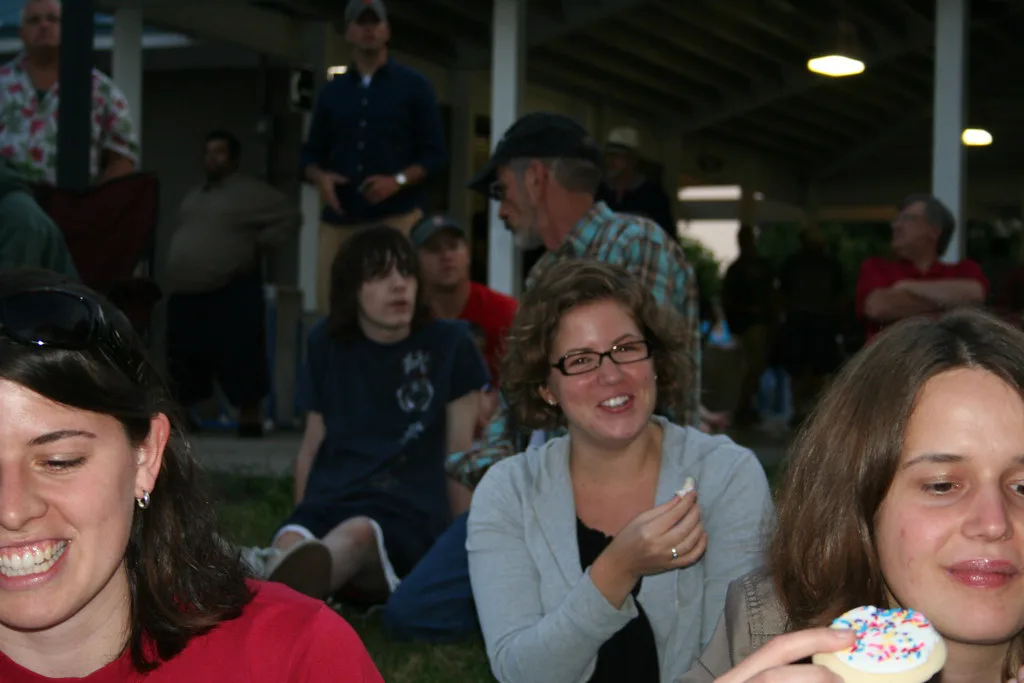
Clinton Square serves as the heart of the city and hosts numerous festivals throughout the year. Most bus lines converge near this area, making it an ideal starting point for your exploration. Walking from here to nearby Armory Square takes only a few minutes through scenic streets.
Historic Armory Square offers a blend of dining, nightlife, and boutique shopping. While the area is highly walkable, the Connective Corridor bus provides a free link for students and visitors. Check the latest public transport guides to see how these routes align with your itinerary.
Museums, Art, and Culture in Syracuse
The Everson Museum of Art is a concrete masterpiece designed by I.M. Pei. It sits conveniently near the main bus transfer points, allowing for easy access from any part of the city. Visitors can enjoy world-class ceramics and contemporary American art within its unique walls.
Families often flock to the Milton J. Rubenstein Museum of Science & Technology, known locally as the MOST. This museum is located in Armory Square and is served by multiple transit lines. It provides an educational escape that is easily reachable via the Syracuse public transport network.
Syracuse Stage and the Landmark Theatre offer high-quality performances throughout the year. These venues are located on major transit arteries, ensuring you can attend a show without a car. Plan your evening by checking the specific route schedules for late-night return trips.
Parks, Gardens, and Outdoor Spots in Syracuse
Onondaga Lake Park is often called the "Central Park of Central New York." While it is slightly outside the city center, Centro buses provide seasonal service to the park entrance. It is a fantastic spot for biking, walking, or enjoying a picnic by the water.

Thornden Park sits adjacent to the university and is famous for its beautiful rose garden. You can use the campus shuttle or local city buses to reach this historic green space. It offers a peaceful retreat with stunning views of the Syracuse skyline.
Burnet Park is home to the Rosamond Gifford Zoo, a popular destination for all ages. The bus ride from downtown is short and affordable, making it a great budget outing. Ensure you check the weekend frequency as some park routes may have limited service.
Family-Friendly and Budget-Friendly Options in Syracuse
The Syracuse public transport system is remarkably affordable for families. Standard adult fares are typically just $1.00, making it one of the cheapest ways to travel in New York. Kids and seniors often qualify for even lower rates with proper identification.
Using the GoCentro mobile app allows you to purchase tickets digitally before you board. This eliminates the need for exact change and speeds up the boarding process for groups. You can also track your bus in real-time to minimize waiting at outdoor stops.
Day passes offer the best value if you plan to visit multiple attractions in a single afternoon. These passes allow for unlimited rides and can be purchased directly from the driver or at the transit center. Similar budget-friendly systems exist in cities like Catania or Trapani for those traveling abroad.
How to Plan a Smooth Syracuse Attractions Day
You can see most of Syracuse car-free on a single Day Pass. Buy the $4.00 unlimited Day Pass straight from the farebox or in the GoCentroBus app, then ride freely all day instead of paying $1.00 each boarding. A sample itinerary: start downtown at Clinton Square, walk to the MOST and Everson Museum in Armory Square, then catch a Centro route out to Destiny USA for lunch and shopping.
In the afternoon, ride the free Connective Corridor up the hill to Syracuse University for Thornden Park's rose garden, then loop back downtown for dinner. Use the app's real-time GPS tracking so you spend minutes, not hours, at the stop. Two breakeven rules of thumb for 2026:
- Three or more rides in a day → buy the $4.00 Day Pass (cheaper than four single $1.00 fares once you add a transfer).
- Staying several days → the 7-day pass ($12.00) or a 10-ride pass ($10.00) beats paying per trip.
| Fare / Pass (2026) | Price | Best for |
|---|---|---|
| Local one-way (ages 10–64) | $1.00 | A single hop downtown |
| Half fare (65+, Medicare, disability; kids 6–9) | $0.50 | Seniors and eligible riders |
| Children under 6 | Free | Families with toddlers |
| Connective Corridor (SU ↔ downtown) | Free | Campus-to-city trips |
| Day Pass (unlimited) | $4.00 | 3+ rides in one day |
| 10-ride pass | $10.00 | Frequent short visits |
| 7-day pass | $12.00 | Multi-day stays |
Fareboxes accept cash, valid Centro passes, mobile passes from the GoCentroBus app, and credit or debit cards, so you never need exact change. Note that city-to-city commuter-zone trips (for example into the suburbs) are priced higher than the $1.00 city fare.
Location and Direction Details to Bus Station
The William F. Walsh Regional Transportation Center (RTC) is the primary hub for regional travel. It is located approximately 3 miles north of the downtown area near the baseball stadium. This facility serves as a combined station for Amtrak trains and several bus companies.
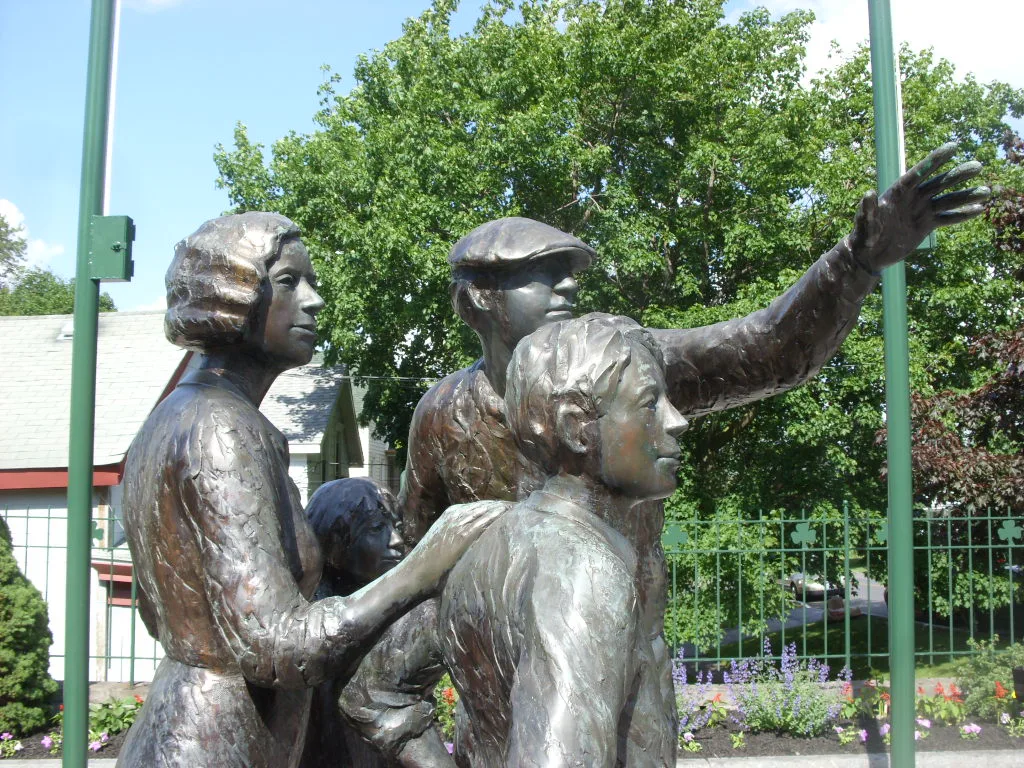
Getting to the RTC from downtown is straightforward using local Centro routes. The station is clean and offers basic amenities like vending machines and indoor seating. It is important to arrive at least 30 minutes before your scheduled departure for regional trips.
Ticketing hours vary by carrier, so checking ahead is always a wise move. Most major bus lines like Greyhound and Megabus operate from specific gates within this terminal. If you are coming from the airport, a short taxi or rideshare trip is the most direct way to reach the RTC.
Greyhound Bus Stops Nearby
Greyhound's main Syracuse stop is inside the William F. Walsh Regional Transportation Center at 131 P&C Parkway, the same hub shared with Amtrak, Megabus, and Centro's regional routes. This is your most reliable boarding point because it has indoor seating, restrooms, and staffed ticketing windows. From downtown, a local Centro route or a short rideshare gets you there in about 10 minutes.
Two alternative pickup points are worth knowing. Some intercity services use a curbside stop near the Syracuse University campus (around Waverly Avenue), which is handy if you are a student but offers no shelter or staff. Syracuse Hancock International Airport, roughly 3 miles from the RTC, is connected by a quick taxi or rideshare hop rather than a direct long-distance bus.
- RTC (131 P&C Parkway) — full terminal, all carriers, ~3 miles north of downtown.
- Syracuse University (Waverly Ave area) — convenient curbside pickup, no facilities.
- Hancock Airport — ~3 miles from the RTC; reach it by taxi or rideshare.
Always confirm the exact stop on your ticket, since carriers occasionally split pickups between the RTC and campus.
Syracuse to New York Bus Details
Traveling from Syracuse to New York City is a popular route for both students and tourists. Several carriers offer daily service with travel times ranging from four to six hours. Booking your tickets in advance can lead to significant savings on these intercity fares.
Megabus often picks up passengers at the RTC, but some services may stop near the Syracuse University campus. Always double-check your confirmation email for the exact boarding location to avoid missing your trip. You can monitor the #Sy240 Nob Hill/Thurber St. Schedule for local connections to these hubs.
When arriving at Port Authority in NYC, buses typically use gates 22-34 or 69-75. Knowing these gate numbers in advance helps you navigate the massive terminal more quickly. Many travelers prefer this route over flying because of the convenient city-center drop-off locations.
Centro Campus Route
Syracuse University students benefit from a specialized network of campus shuttles. These routes connect various residential halls with academic buildings and the downtown area. Non-students can also use these buses, though they may need to pay the standard fare.
The "Fare Free Zone" allows anyone to ride between specific campus points without paying. This is particularly useful for visitors exploring the university's historic architecture or attending sporting events. Outside this zone, a valid SUID or a $1.00 fare is required for all passengers.
Summer schedules often feature reduced frequency compared to the busy academic year. If you are visiting in 2026 during the off-season, be sure to verify the #SU43 Schedule for any changes. Planning ahead ensures you are not left waiting during periods of lower service.
- Key Campus Transit Routes to Know
- Route: #SU43 Main Campus
- Route: #SU343 East Genesee
- Route: #SU44 Manley Lot
- Route: #SU340 Drumlins
Frequently Asked Questions
Where is the Syracuse megabus bus stop?
The primary Megabus stop is located at the William F. Walsh Regional Transportation Center. Some specific routes may also stop near the Syracuse University campus on Waverly Avenue. Always check your booking confirmation for the most accurate boarding location. You can find more public transport guides online.
How can I pay for my Syracuse to New York bus ticket?
Most travelers purchase tickets online through the Greyhound or Megabus websites using a credit card. You can also buy tickets in person at the Regional Transportation Center during operating hours. Digital tickets on your smartphone are widely accepted for boarding. Early booking usually secures the lowest available prices.
Which Syracuse public transport options fit first-time visitors?
The Centro city buses are the best option for first-time visitors looking to explore downtown and Destiny USA. The Connective Corridor is also excellent for moving between the university and the city center. These services are affordable and cover the most popular tourist sites. Using the mobile app helps with navigation.
Mastering Syracuse public transport opens up a world of convenient travel across the city and beyond. From the affordable $1.00 local fares to the extensive regional connections at the RTC, the system is designed for utility. You can easily reach museums, parks, and shopping centers without the need for a private vehicle.
Remember to download the GoCentro app for real-time updates and easy digital payments. Whether you are a student navigating the campus or a tourist heading to NYC, these services provide a reliable backbone for your journey. For more travel inspiration, visit the Hopwander blog for expert tips.
As Syracuse continues to improve its transit infrastructure, staying informed about schedule changes is key. Check official schedules regularly to ensure your 2026 travel plans remain on track. Enjoy your time exploring everything this historic New York city has to offer.
You might also like
Continue reading
More guides you'll find useful