12 Essential Tips for the Lille Metro Map and How to Use It
Master the Lille metro with our complete guide. Includes the latest Ilévia map, ticket prices, step-by-step usage tips, and airport transfer advice.
 By Marco Bellini
On this page
12 Essential Tips for the Lille Metro Map and How to Use It
Quick answer: Lille's metro (run by Ilévia) has just two driverless lines — Line 1 (yellow) from CHU-Eurasanté to 4 Cantons-Stade Pierre Mauroy, and Line 2 (red) from Saint-Philibert to CH Dron in Tourcoing — crossing at Gare Lille Flandres. A single ticket is €1.80 (valid 1 hour on metro, tram and bus); a 24-hour pass is €5.30. Validate at the red gates, then tap and ride. Trains run roughly 5:12 AM to past midnight, every 1–2 minutes at peak. That is all most visitors need; the sections below add the detail.
Navigating Northern France becomes much simpler once you master the Lille metro map and how to use it effectively. The city boasts a highly efficient, driverless network that connects the historic center to bustling suburbs like Roubaix and Tourcoing. Whether you are visiting for a weekend or commuting for work, understanding the Ilévia network is key to a smooth trip. This guide breaks down everything from ticket prices to the unique technology powering these automated trains.
Free: The European City Transport Cheat Sheet
Airport-to-centre, the best ticket to buy, and the one local gotcha — for 5 European cities, plus the universal rules for trams, ferries, and parking.
Lille Metro Map and Network Overview
The Ilévia network operates two main metro lines that cover over 45 kilometers of track across the metropolitan area. Visualizing the layout is the first step, and you can download the official Transport network map (Ilévia 2024) for offline use. Most visitors spend their time between the two major rail hubs, Gare Lille Flandres and Gare Lille Europe. These stations serve as the primary gateways for regional and international travelers.
The system is designed to be intuitive, with clear signage and color-coded routes displayed at every entrance. Line 1 (Yellow) and Line 2 (Red) intersect at key points to facilitate quick transfers across the city. Consulting the Lille City Centre Map helps identify which stops are closest to major landmarks like the Grand Place. Planning your route in advance ensures you avoid unnecessary walking in the sprawling metropolitan zone.
If you plan to explore beyond the central district, the Lille Metropolitan Area Map is an essential resource. This map highlights how the metro reaches deep into neighboring towns, making it a truly regional service. For more general advice on navigating the city, check our guide on getting around Lille for various transport modes. Reliable transport links make the entire Eurometropolis accessible for a single ticket price.
Why the Lille Metro is Special: The VAL System
Lille made history in 1983 by launching the world's first fully automatic, driverless metro system. This technology, known as VAL (Véhicule Automatique Léger), uses rubber tires for a quieter and smoother ride. The absence of a driver allows for incredibly high frequencies that traditional metros struggle to match. During peak hours, you might only wait 60 seconds for the next train to arrive at the platform.
Safety is a top priority for this automated system, featuring glass partition doors at every station platform. These doors only open when a train is perfectly aligned, preventing any accidental falls onto the tracks. Travelers often appreciate the unobstructed view from the front window where a driver would normally sit. This unique perspective offers a futuristic feel as you zoom through the subterranean tunnels.
The VAL system is also more energy-efficient than older steel-on-steel rail networks found in other French cities. Because the trains are lightweight, they can accelerate and decelerate rapidly without wasting excessive power. This efficiency helps keep operating costs lower, which reflects in the competitive ticket pricing for passengers. It remains a point of pride for locals who saw their city pioneer 21st-century urban mobility.
Detailed Guide to Line 1 and Line 2
Line 1 (Yellow) runs from **CHU-Eurasanté** in the southwest to **4 Cantons-Stade Pierre Mauroy** in Villeneuve d’Ascq, covering 18 stations over roughly 13.5 km. Key stops include **Gare Lille Flandres** for shopping and **Rihour** for the historic city center. If you are heading to a football match, **4 Cantons-Stade Pierre Mauroy** is your final stop. This line is typically busier with students and healthcare professionals throughout the work week.
Line 2 (Red) is significantly longer — 44 stations across about 31 km — running from **Saint-Philibert** in the west to **CH Dron** in Tourcoing, near the Belgian border. It passes through major hubs like **Porte de Douai** and the textile-rich city of **Roubaix**. Travelers interested in art should disembark at **Gare Jean Lebas** to visit the famous La Piscine Museum. This line is vital for residents living in the northern reaches of the metropolitan area.
Transferring between the two lines is most convenient at **Gare Lille Flandres** or **Porte des Postes**. Look for the bright floor markings and overhead signs to find your connecting platform quickly. Our public transport guides provide deeper insights into specific station amenities and accessibility features. Most stations are equipped with elevators, though checking real-time status on the Ilévia app is recommended.
Operating Hours: First and Last Trains
Both lines start running around **5:12 AM** on weekdays and Saturdays, with a later first train near **6:24 AM** on Sundays and public holidays. Service is continuous and high-frequency throughout the day, so there is no need to memorize a timetable for daytime travel. The metro runs every single day of the year except **1 May**, when Ilévia closes the network for annual maintenance.
Last trains depart their terminus around **00:17–00:21** Sunday through Friday, giving you a comfortable window for evening dinners and shows. On **Friday and Saturday nights the service is extended to roughly 1:30 AM**, which is handy for nightlife around the Grand Place. After the last metro, your reliable backups are the night bus network and the V'lille bike share described below.
Frequency is the metro's real strength: trains arrive every **1 to 2 minutes during peak hours** and rarely more than 4–5 minutes apart even late in the evening. Because there is no driver, the system simply adds more trains when demand rises rather than waiting on staff schedules. For live departure times and any planned engineering works, check the official **Ilévia app** before you set off.
Fares and Tickets: How to Pay for Your Journey
Purchasing tickets is straightforward thanks to the multi-language kiosks found at every metro entrance. A standard single trip ticket costs approximately €1.80 and is valid for one hour of travel. You must validate your ticket at the red machines before entering the platform area. Failure to validate can result in heavy fines if you encounter a ticket inspector.
For those planning multiple trips, the 24-hour or 48-hour day passes offer the best value. These passes allow for unlimited travel on the metro, tram, and bus networks within the specified timeframe. You can also use contactless payment directly at the gates with a credit card or smartphone. This 'Tap and Go' feature is ideal for tourists who want to skip the ticket machine queues.
Frequent travelers should consider the rechargeable Pass Pass card for discounted fares and convenience. The card can be topped up at kiosks or online, making it a flexible option for longer stays. Always keep your ticket until you have fully exited the station at your final destination. Some exits require a final scan to open the barriers and let you out into the street.
- Single Trip Ticket
- Cost: ~€1.80
- Validity: 60 minutes
- Usage: Metro, Bus, Tram
- Transfers: Unlimited within hour
- 24-Hour Day Pass
- Cost: ~€5.40
- Validity: Full day
- Best for: Tourists
- Access: All Ilévia zones
- ZAP Ticket
- Cost: ~€1.15
- Validity: 3 stops max
- Restriction: No transfers
- Best for: Short hops
| Ticket type | Price (2026) | Validity | Best for |
|---|---|---|---|
| Single trip | ~€1.80 | 60 min, unlimited transfers | One-off journeys |
| ZAP (short hop) | ~€1.15 | Max 3 stops, no transfers | Quick 1–3 stop rides |
| 24-hour day pass | ~€5.40 | Full day, all Ilévia zones | Tourists / 4+ rides a day |
| 48-hour day pass | ~€7.20 | Two full days, all zones | Weekend visitors |
| Pass Pass card | Pay-as-you-go (discounted) | Rechargeable, no expiry | Frequent / longer stays |
Low Emission Mobility Zone and Park & Ride
Drivers entering the city must be aware of the Low Emission Zone (ZFE) regulations. Your vehicle may require a Crit'Air sticker to legally enter the central areas of Lille. Using a Park & Ride (P+R) facility is a smart way to avoid traffic and emission fines. For more details on vehicle access, see our section on Lille parking and mobility zones.
The P+R lots are located at major metro termini like **Saint-Philibert** and **4 Cantons**. Parking is often free or heavily discounted if you possess a valid Ilévia transit ticket. This system encourages visitors to leave their cars on the outskirts and use the VAL system. It is a stress-free way to reach the city center without worrying about narrow streets.
Check the official Crit'Air website before your trip to ensure your car meets the current standards. Stickers are mandatory for both French and foreign-registered vehicles in the restricted zones. The fines for non-compliance are significant and strictly enforced by local authorities. Planning your parking strategy in advance saves both time and potential legal headaches.
Where the Metro Does Not Work Well
While the metro is extensive, some central locations are actually faster to reach on foot. For example, traveling between **Gare Lille Flandres** and **Rihour** takes longer by metro due to station depth. Walking this distance takes less than ten minutes and allows you to see the beautiful architecture. Always weigh the time spent descending to the platform against a short surface-level stroll.
Certain neighborhoods like the historic Vieux-Lille are not directly served by any metro station. The **Citadine** bus or the local tramway are much better options for reaching these quaint streets. You can find these alternative paths on the Cycling Routes Map for a different perspective. Bicycles are often the most efficient way to navigate the cobblestone alleys of the old town.
During late-night hours, the frequency of the metro drops significantly compared to the daytime rush. If you are traveling after midnight, check the 'V'lille' bike-share stations as a reliable backup. The metro is generally safe, but some suburban stations can feel isolated during the early morning hours. Always stay aware of your surroundings and plan your late-night returns with care.
Rent Your Own Bike with V'lille
For the "last mile" the metro doesn't cover — especially the cobbled lanes of Vieux-Lille — the **V'lille** self-service bike scheme is the local favorite. There are more than 200 docking stations across the metropolis, many sitting right outside metro exits like **Rihour**, **Gare Lille Flandres** and **République-Beaux-Arts**. You unlock a bike at the terminal or through the Ilévia app, ride to your destination, and dock it at any other station.
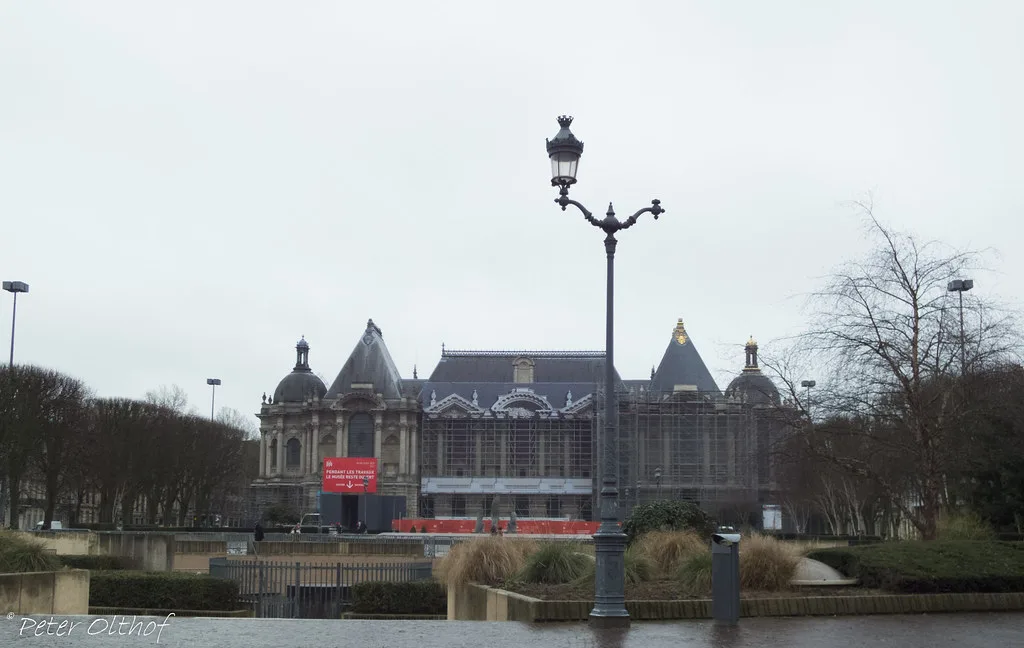
Pricing is genuinely cheap for short hops: a **24-hour pass costs €1.80** (the same as a single metro ticket) and a **7-day pass is around €7**. Crucially, the **first 30 minutes of every ride are free**, with each additional half-hour charged at **€1.15**. Because the meter resets each time you re-dock, the trick is to swap bikes at a new station every 30 minutes to ride all day for the price of the pass.
Pair V'lille with the metro for a smart combo — train across town, then pedal the final stretch the VAL system skips. For the full breakdown of trams, buses and cycle routes alongside the metro, see our guide on getting around Lille. A helmet is not provided, so bring your own if you want one, and stick to the city's extensive separated bike lanes.
Frequently Asked Questions
Can I use my phone to pay for the Lille metro?
Yes, you can use the Ilévia app or contactless payment with your smartphone at the gates. Simply tap your phone on the validator just like a physical ticket. This is the most convenient way for short-term visitors to navigate the network without visiting a kiosk. Find more tips on our travel blog for digital payment updates.
Is a Crit'Air sticker required for metro parking lots?
Most Park & Ride (P+R) lots are located just outside the restricted Low Emission Zone. However, if your route to the parking lot crosses into the ZFE, a sticker is mandatory. It is safest to order one online for a few euros before your trip to avoid any confusion or fines.
Are pets and bicycles allowed on the Lille metro?
Small pets in carriers are allowed at all times, but larger dogs are generally restricted. Bicycles are permitted on the metro only during specific off-peak hours and never during the morning or evening rush. Check the official Ilévia guidelines for the most current seasonal restrictions before bringing your bike on board.
How do I get to the Lille-Lesquin Airport using the metro?
There is no direct metro station at Lille-Lesquin Airport. The cheapest option is the metro to 4 Cantons-Stade Pierre Mauroy, then Ilévia bus line 68, which reaches the terminal in about 15 minutes on a standard €1.80 ticket. Alternatively, the dedicated flibco express shuttle runs from near Gare Lille Flandres and costs around €6.99 one-way when booked online (about €9 from the driver), taking roughly 20 minutes.
Mastering the Lille metro map and how to use it ensures your visit to this vibrant French city is stress-free. The combination of the VAL system's speed and the convenience of contactless payments makes it a top-tier transit experience. Remember to keep an eye on the Crit'Air requirements if you are driving into the metropolitan area. With these tips in hand, you are ready to explore everything from the Grand Place to the museums of Roubaix.
Free: The European City Transport Cheat Sheet
Airport-to-centre, the best ticket to buy, and the one local gotcha — for 5 European cities, plus the universal rules for trams, ferries, and parking.
You might also like


Continue reading
More guides you'll find useful