8 Things to Know About Marseille Metro and Tram Tickets
Your guide to Marseille metro and tram tickets. Find 2026 RTM fares, where to buy passes, and how to use the contactless payment system for a smooth trip.
 By Marco Bellini
On this page
8 Things to Know About Marseille Metro and Tram Tickets
Quick answer (2026): A single RTM ticket is €1.80 (plus a one-off €0.10 for the reusable card) and covers 60 minutes of metro, tram and bus transfers. Here is the fastest way to choose:
- One or two rides: buy a Solo ticket (€1.80) or a 2-trip card (€3.40).
- A full day of sightseeing: the 24h XL Pass (€5.20) pays for itself after 3 rides and also covers the Vieux-Port ferry boat.
- A long weekend: the 72h XL Pass (€10.80) is the best value for a 2–3 day trip.
- A family of four for a short hop: the Group 4 People card (€4.90) beats four Solo tickets.
- Tap-and-go: use contactless "Open Payment" — tap a credit card or phone on the yellow validators on buses and trams, no ticket needed.
Tickets are managed by the Régie des Transports Métropolitains (RTM) and work across two metro lines, three tramways and the Old Port ferry. Validate every time you board, keep your card for refills, and you will avoid fines and gate delays. The rest of this guide breaks down each ticket, the line maps, and the validation rules in detail.
Free: The European City Transport Cheat Sheet
Airport-to-centre, the best ticket to buy, and the one local gotcha — for 5 European cities, plus the universal rules for trams, ferries, and parking.
Overview of the Marseille RTM Network
Marseille offers a robust public transportation network that combines two metro lines, three tramway routes, and nearly 100 bus lines. The system is designed to funnel commuters through central hubs like the historic Old Port and the main railway station. Travelers can easily switch between modes of transport using a single ticket or pass.
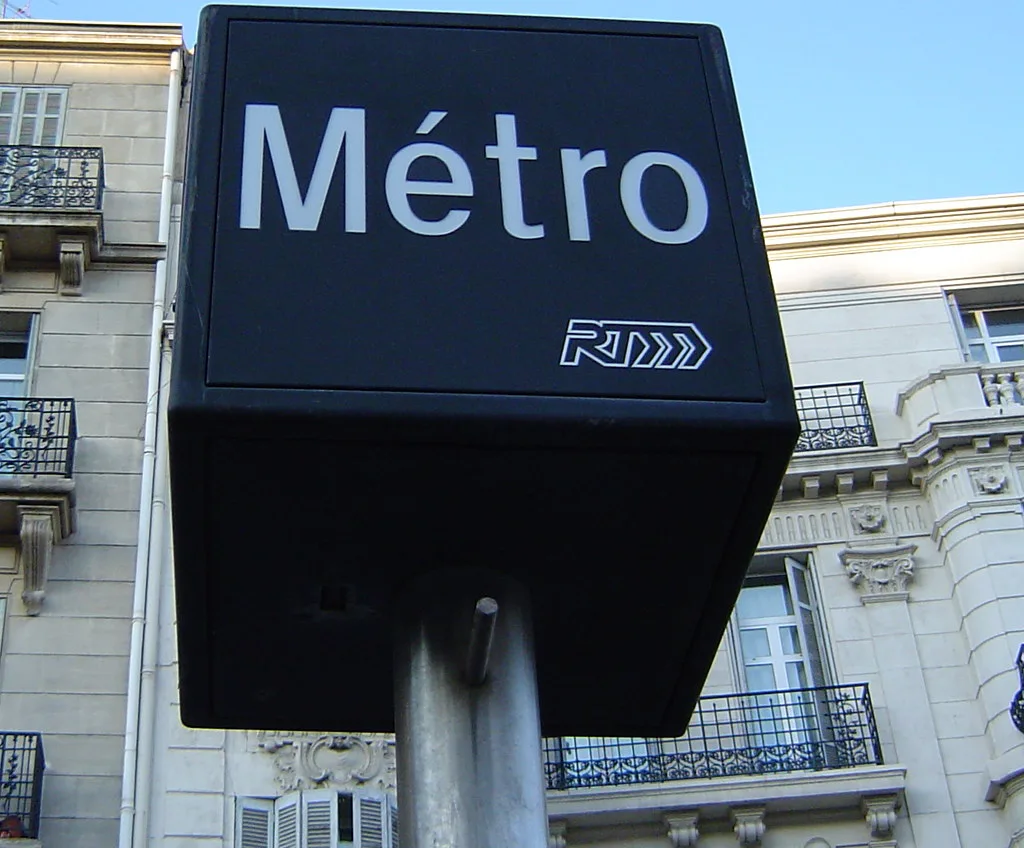
The metro system serves as the backbone of the city, reaching deep into residential neighborhoods and commercial centers. Meanwhile, the tramways glide through many of the most scenic and pedestrian-friendly districts. For those planning to visit coastal attractions, the getting around Marseille guide offers deeper insights into bus and ferry connections.
Efficiency is a hallmark of the RTM, with frequent service during daylight hours across the Phocaean city. Most central stations feature clear signage in both French and English to assist international visitors. Keeping a map of the lines on your phone can save significant time when navigating the busier interchanges.
Marseille Metro and Tram Ticket Types
Travelers in Marseille typically choose between occasional tickets and multi-day passes depending on their itinerary length. The most common option is the 'Solo' ticket, which is valid for a single journey including transfers. You should be aware that the first time you buy a paper ticket, a small surcharge applies.
A unique aspect of the local system is the €0.10 reloadable card fee added to the price of Solo or 10-trip cards. This physical card is made of durable cardstock and is intended to be reused throughout your stay. Instead of throwing it away, simply scan it at a machine to add more credits for your next ride.
For those staying several days, the XL Pass options provide the best flexibility for unlimited travel. These passes are available in 24-hour and 72-hour increments, starting from the moment of your first validation. If you plan to visit the Chateau d'If ferry, having an active pass can help you reach the embarkation point quickly.
- Solo Ticket (1 Trip)
- Type: Occasional use
- Best for: Single journeys
- Where: All RTM machines
- Cost: €1.80 + €0.10 card
- 2-Trip Card
- Type: Occasional use
- Best for: A there-and-back hop
- Where: Machines and vendors
- Cost: €3.40 + €0.10 card
- 10-Trip Card
- Type: Multi-journey
- Best for: Frequent riders
- Where: Stations and vendors
- Cost: €15.00 + €0.10 card
- XL Pass 24h
- Type: Unlimited pass
- Best for: Day trippers
- Where: All distributors
- Cost: €5.20 total
- XL Pass 72h
- Type: Unlimited pass
- Best for: Long weekends
- Where: All distributors
- Cost: €10.80 total
| Ticket / Pass | 2026 Price | Validity | Best for |
|---|---|---|---|
| Solo Ticket | €1.80 + €0.10 card | 60 min, 1 metro entry | A single short journey |
| 2-Trip Card | €3.40 + €0.10 card | 2 separate trips | A there-and-back hop |
| 10-Trip Card | €15.00 + €0.10 card | 10 separate trips (~€1.50/ride) | Frequent riders, groups |
| Group 4 People | €4.90 | 4 people, 1 shared journey | A family short hop |
| XL Pass 24h | €5.20 | Unlimited 24h + ferry boat | A full day of sightseeing |
| XL Pass 72h | €10.80 | Unlimited 72h + ferry boat | A long weekend (best value) |
| 7-Day Pass | €15.50 | Unlimited 7 days | Slower-paced week stays |
Current RTM Fares and Pass Prices
Keeping track of the latest 2026 fares helps you avoid confusion at the ticket kiosks. A standard single-trip Solo fare currently costs €1.80, excluding the one-off €0.10 cost of the reloadable support card. A 2-trip card is €3.40 and the 10-trip card is €15.00, so the per-ride cost drops to about €1.50 if you buy in bulk. Group travelers should look for specific discounts that can lower the per-person price significantly.
The 'Group 4 People' card is an excellent value for families or small squads traveling together. This specific ticket allows four people to travel simultaneously for a flat rate of approximately €4.90. It is often much cheaper than buying four individual Solo tickets for a short cross-city hop. Since 2025, RTM travel has also been free for children under 11 and for seniors aged 65 and over, so build that into your family budget.
Prices for the unlimited passes are €5.20 for 24 hours and €10.80 for the 72-hour XL Pass, making the latter ideal for a long weekend in the city. There is also a 7-day pass at €15.50 for slower-paced stays. Frequent updates to the RTM Official Ticket Guide provide the most accurate data for seasonal changes. Always check the screen at the distributor for any temporary promotional rates.
Where to Buy Tickets and Passes
Finding a place to purchase your transit fare is straightforward, especially in the city center. Every metro station and most tram stops are equipped with automatic ticket distributors that accept coins and credit cards. These machines feature a multi-language interface to help you select the correct product.
For personalized assistance, you can visit an 'Espace Clients' RTM, such as the one located at the Bourse or Saint-Charles Station. These service centers are perfect for resolving issues with magnetic cards or purchasing long-term subscriptions. If you are looking for Lodgis Marseille Rentals, choosing a flat near these hubs is highly convenient.
The RTM mobile app has become a popular choice for tech-savvy travelers who prefer digital tickets. You can buy and store your fares directly on your smartphone, using the NFC chip to tap through gates. This method eliminates the need for physical cards and helps reduce paper waste during your trip.
Understanding Ticket Validation and Transfers
Validation is mandatory every time you board a vehicle or enter a metro station. Your 60-minute transfer window begins the moment you first tap your card or phone against the yellow reader. Within this hour, you can switch between the tram, bus, and metro without using an extra trip.
A critical rule to remember is the 'Single Entry' restriction for the underground lines. While your ticket allows for transfers, you cannot re-enter the metro gates once you have physically exited the station. Even if you still have 40 minutes left on your hour, the gate will reject your card for a second metro entry.
Marseille has recently introduced a contactless 'Open Payment' system for even faster boarding. You can simply tap your contactless debit card or smart watch on the yellow validators found on buses and trams. This system automatically calculates the best fare for your journey, though it may not apply to certain group discounts.
Navigating Metro Lines M1 and M2
The Marseille Metro consists of two lines, M1 and M2, which intersect at two major points: Saint-Charles and Castellane. The M1 (Blue Line) runs from La Rose to La Fourragère, passing through the Vieux-Port. This line is essential for tourists wanting to visit the historic center or the opera house.
The M2 (Red Line) travels from Bougainville down to Sainte-Marguerite-Dromel, serving the Orange Vélodrome stadium. It is the primary route for football fans heading to see Olympique de Marseille play. You can find more detailed transit maps in our public transport guides to help visualize the stops.
Trains generally run from 5:00 AM until approximately 12:30 AM, though schedules can vary on holidays. During peak hours, you can expect a train every 3 to 5 minutes at most central stations. Late-night travelers should always verify the last train time posted near the station entrance.
Navigating the Marseille Tramway Network
The tramway network offers a more scenic way to traverse the city's diverse neighborhoods. Line T1 connects Noailles to Les Caillols, while T2 runs from Arenc Le Silo down to La Blancarde. These modern cars feature large windows and air conditioning, providing a comfortable ride during hot summer afternoons.
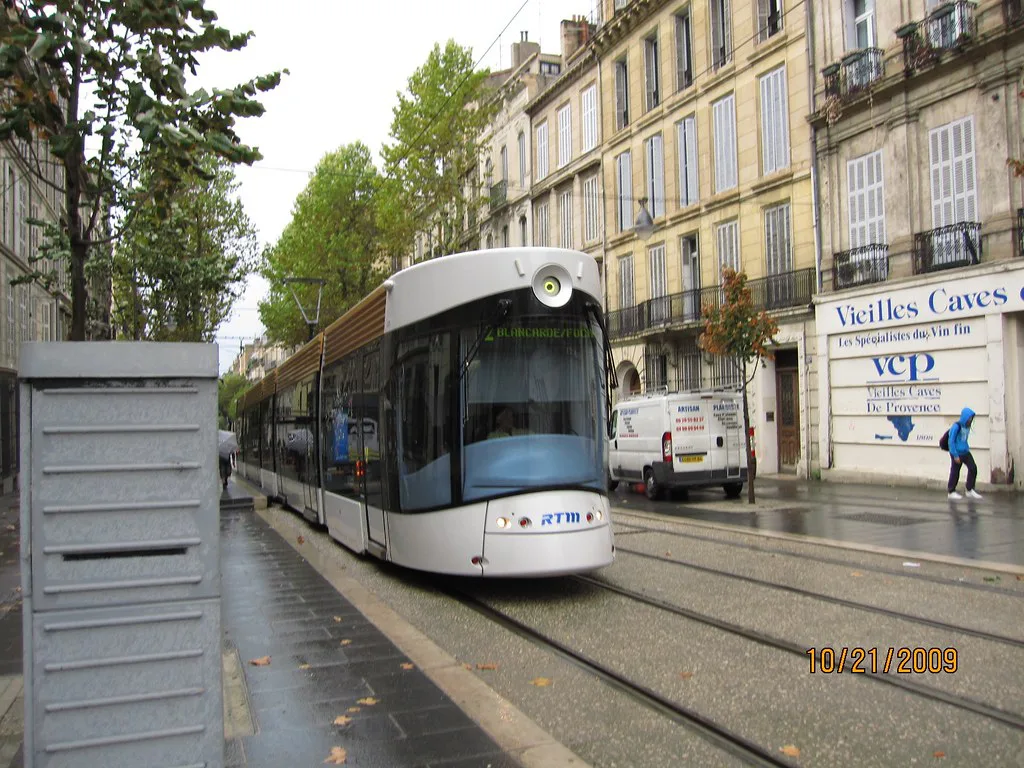
Line T3 is particularly useful for visitors as it connects the northern business districts to the southern residential areas via the Rue de la République. This route offers easy access to the shopping areas near the Joliette docks. Trams often run slightly later than the metro, making them a good fallback for evening commutes.
Boarding a tram requires you to validate your ticket at the machines located on the platform or inside the car. Inspectors frequently patrol these lines, so keeping your validated ticket handy is vital to avoid steep fines. If you are following a Marseille itinerary, the tram is often the most pleasant way to move between museums.
From Saint-Charles to the Vieux-Port (and the Ferry Boat)
The most common first journey for visitors is from the Saint-Charles train station down to the Old Port, and it could not be simpler. Take Metro M1 (Blue Line) two stops in the direction of La Fourragère and step off at Vieux-Port; the ride takes roughly five minutes and is covered by any Solo ticket or XL Pass. If you prefer the tram, T2 also threads through the city centre nearby, but the metro is faster and runs more often.
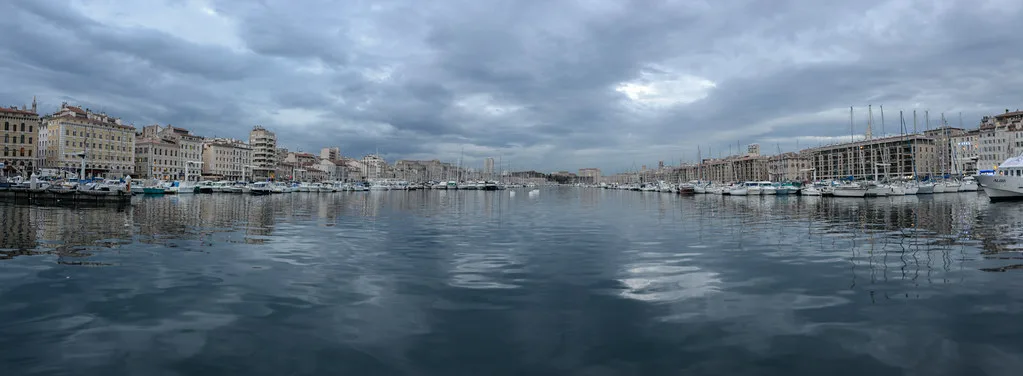
Once you reach the Old Port, do not miss the historic Ferry Boat, a tiny shuttle that has crossed the harbour since 1880. It links the Quai du Port (in front of the City Hall) to the Quai de Rive Neuve in about three to four minutes, sparing you a 15-minute walk around the marina. A single crossing costs just €0.50, and it is completely free if you hold an XL Pass, a CityPass, or any RTM subscription. Service runs daily from morning until evening, weather permitting.
- Route: Saint-Charles → Vieux-Port on M1 (direction La Fourragère), 2 stops
- Journey time: about 5 minutes by metro
- Ferry Boat fare: €0.50 single, or free with any RTM pass
- Ferry Boat route: Quai du Port (Hôtel de Ville) ↔ Quai de Rive Neuve
Heading further afield to islands or beaches? Pair the metro with a harbour shuttle and read our getting around Marseille guide for the maritime and bus connections that link up with the RTM network.
Frequently Asked Questions
How much is a single metro ticket in Marseille?
A single 'Solo' ticket costs €1.80 in 2026. Note that there is an additional €0.10 fee for the first purchase of the reloadable card. This ticket allows for 60 minutes of transfers across the RTM network, including buses and trams.
Can I pay with a credit card on Marseille trams?
Yes, you can use the contactless 'Open Payment' system by tapping your credit card directly on the yellow validators. Alternatively, most tram stops have machines that accept cards for buying physical tickets. This is often faster than finding a ticket office during busy hours.
Is the Marseille City Pass worth it for transport?
The City Pass is worth it if you plan to visit multiple museums and use the Frioul ferry alongside daily transport. It includes unlimited RTM access for 24, 48, or 72 hours. For transport alone, the standard XL Pass is usually a cheaper option.
Does the Marseille metro run all night?
No, the Marseille metro typically closes around 12:30 AM every night. Service resumes early the next morning at approximately 5:00 AM. For late-night travel, you will need to rely on the 'Fluobus' night bus network which covers major routes.
Mastering the Marseille metro and tram tickets system is the first step toward a stress-free Mediterranean vacation. By choosing the right pass and understanding the validation rules, you can focus on the city's stunning architecture and vibrant culture.
Remember to keep your reloadable card for future trips to save on the initial surcharge. The integration of contactless payments and mobile apps makes modern travel in Marseille more accessible than ever before.
Whether you are commuting from Saint-Charles or exploring the tramway's scenic routes, the RTM network remains your most reliable ally. Safe travels as you explore the unique charm of this historic French port city.
Free: The European City Transport Cheat Sheet
Airport-to-centre, the best ticket to buy, and the one local gotcha — for 5 European cities, plus the universal rules for trams, ferries, and parking.
You might also like


Continue reading
More guides you'll find useful